
Collision Damage Assessment
Every vehicle is checked against Audi's structural specification before any repair starts. This shows which panels are repairable and which parts need replacing under Audi's own procedures.
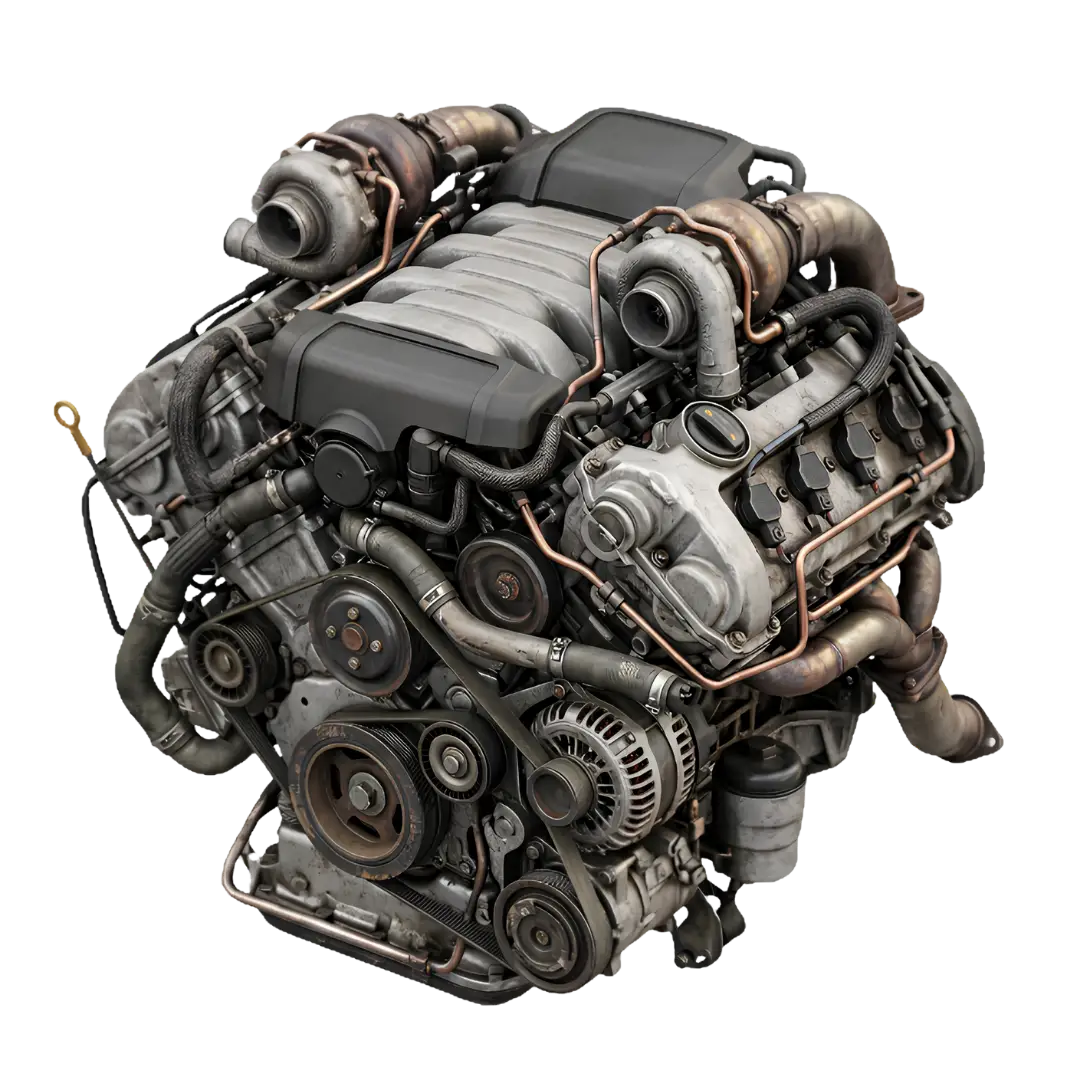 Engine Repair02
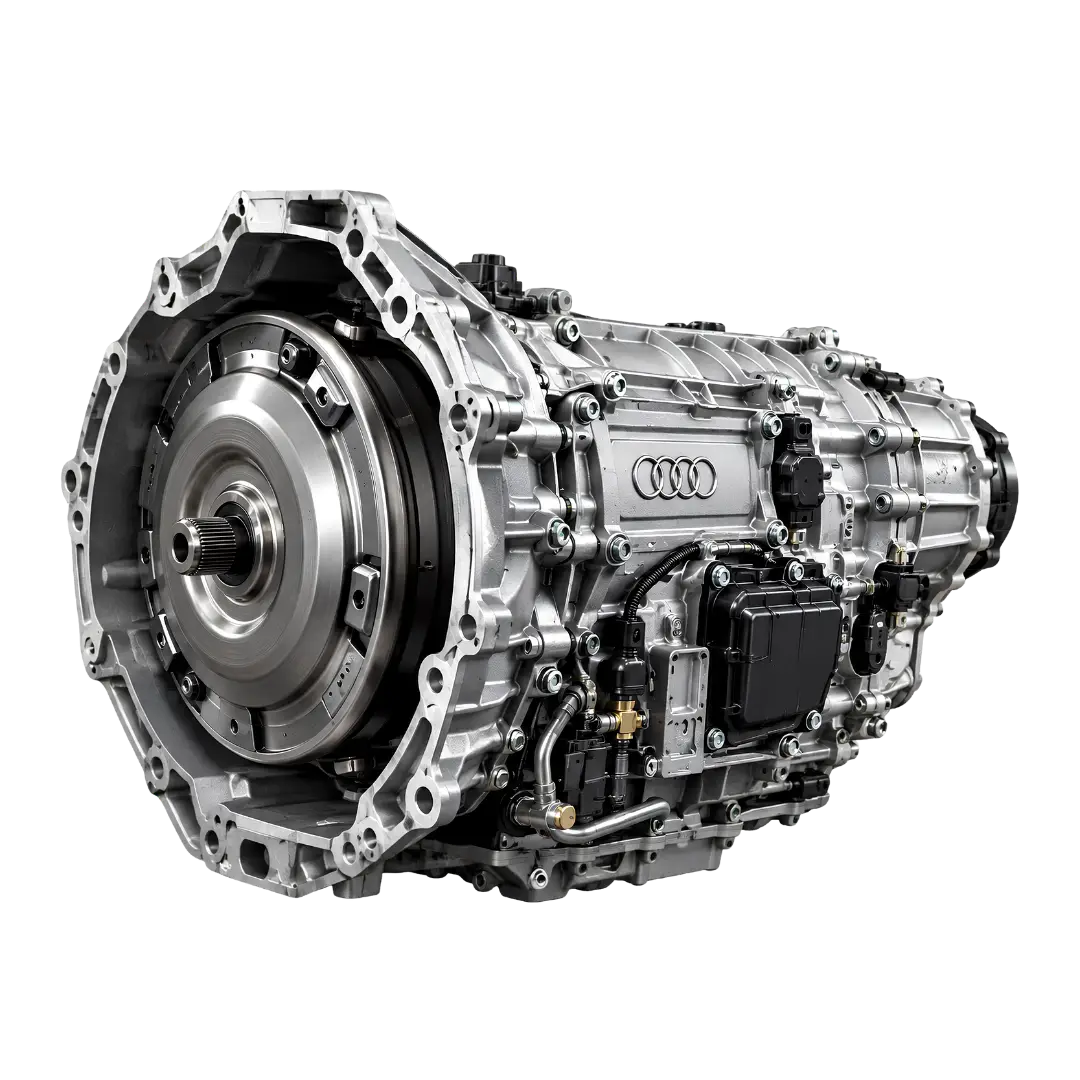 Transmission Repair03
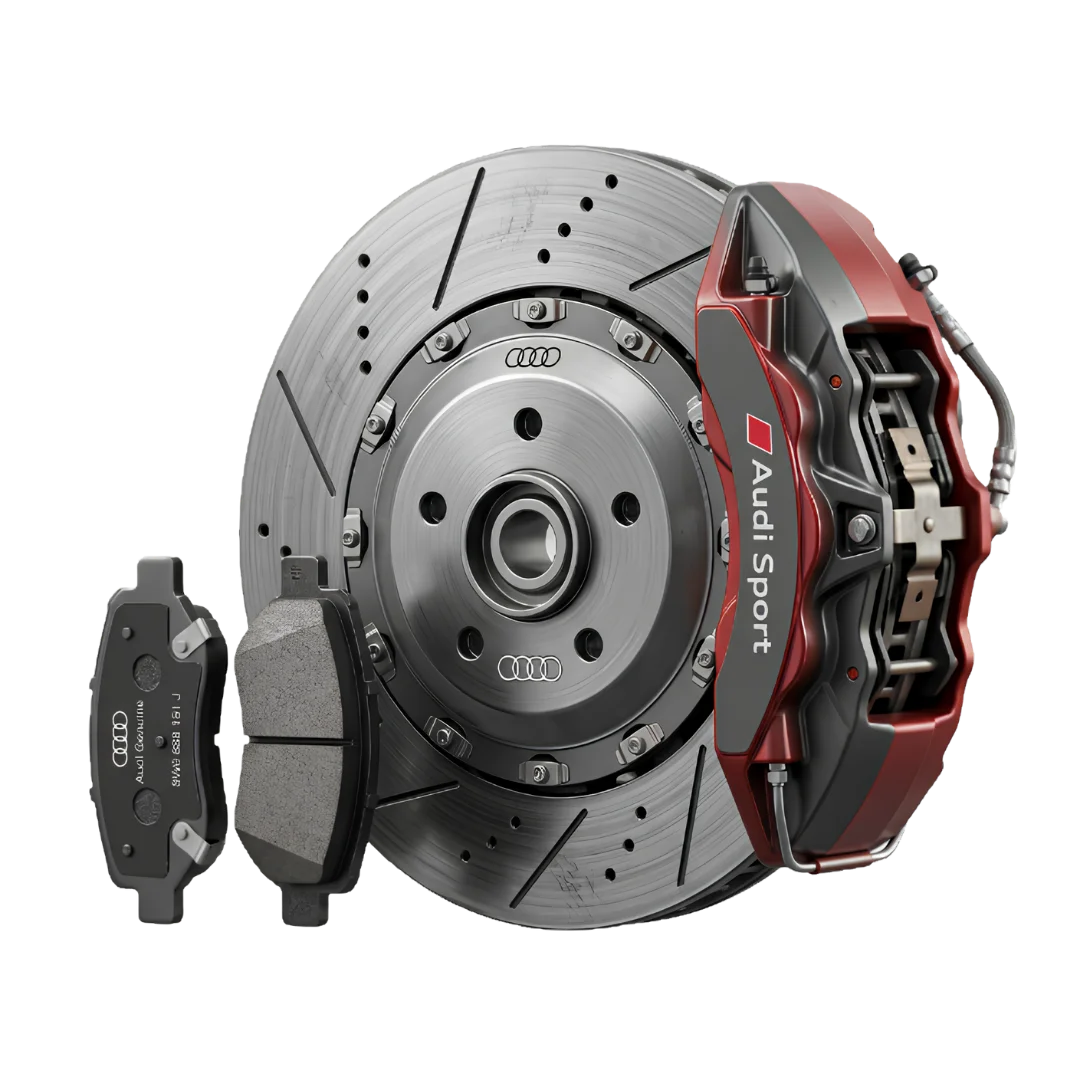 Brake Pads Replacement04
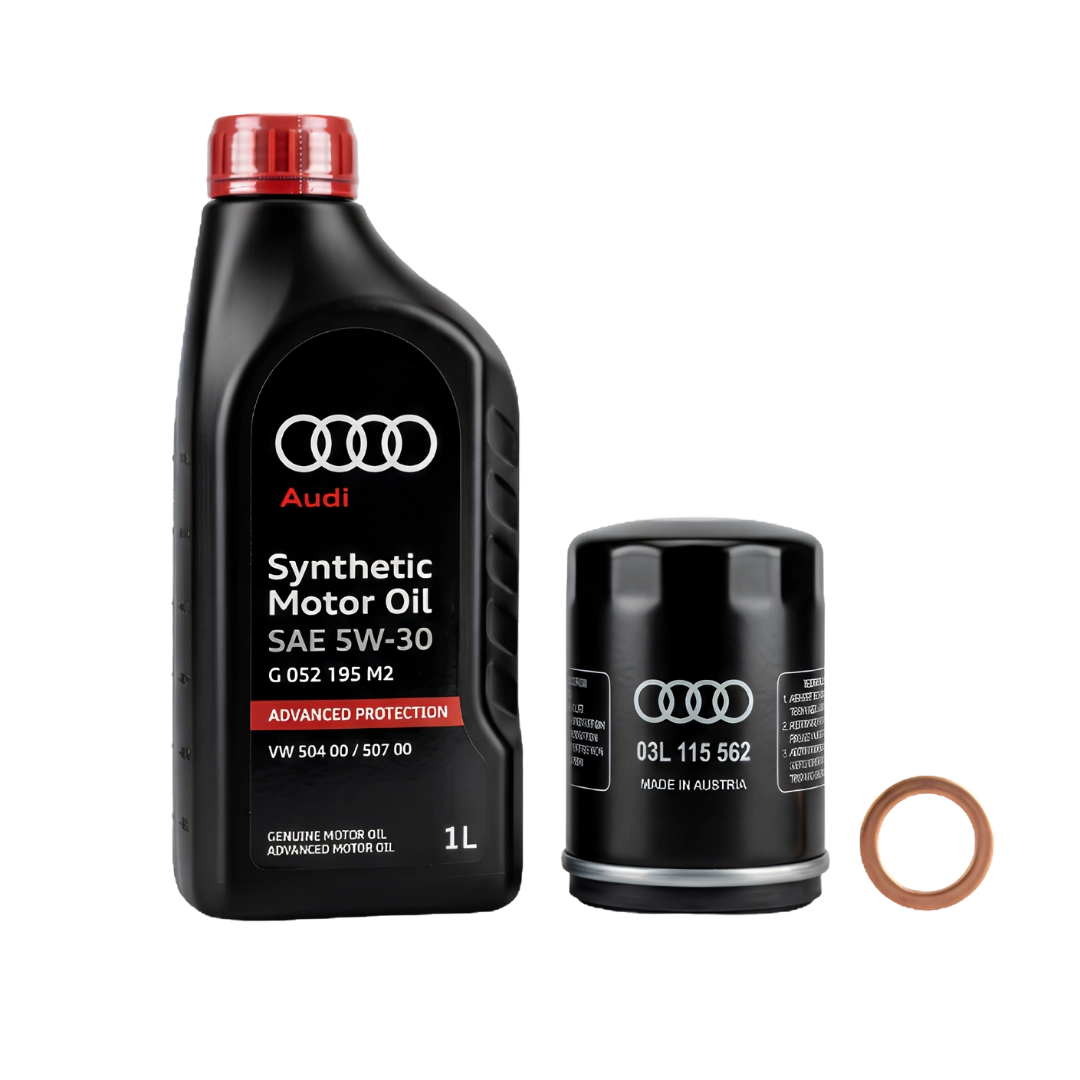 Oil Change05
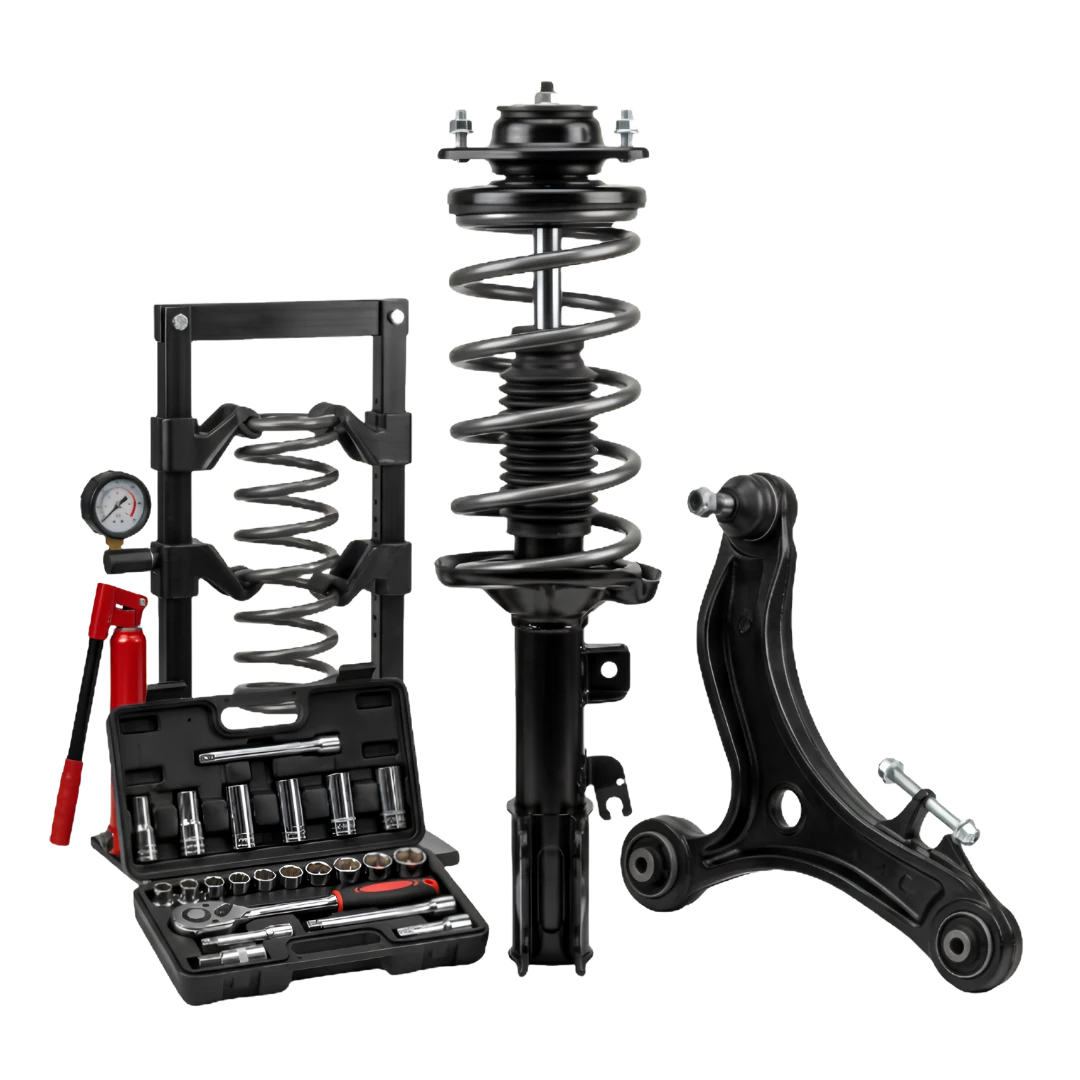 Suspension Repair06
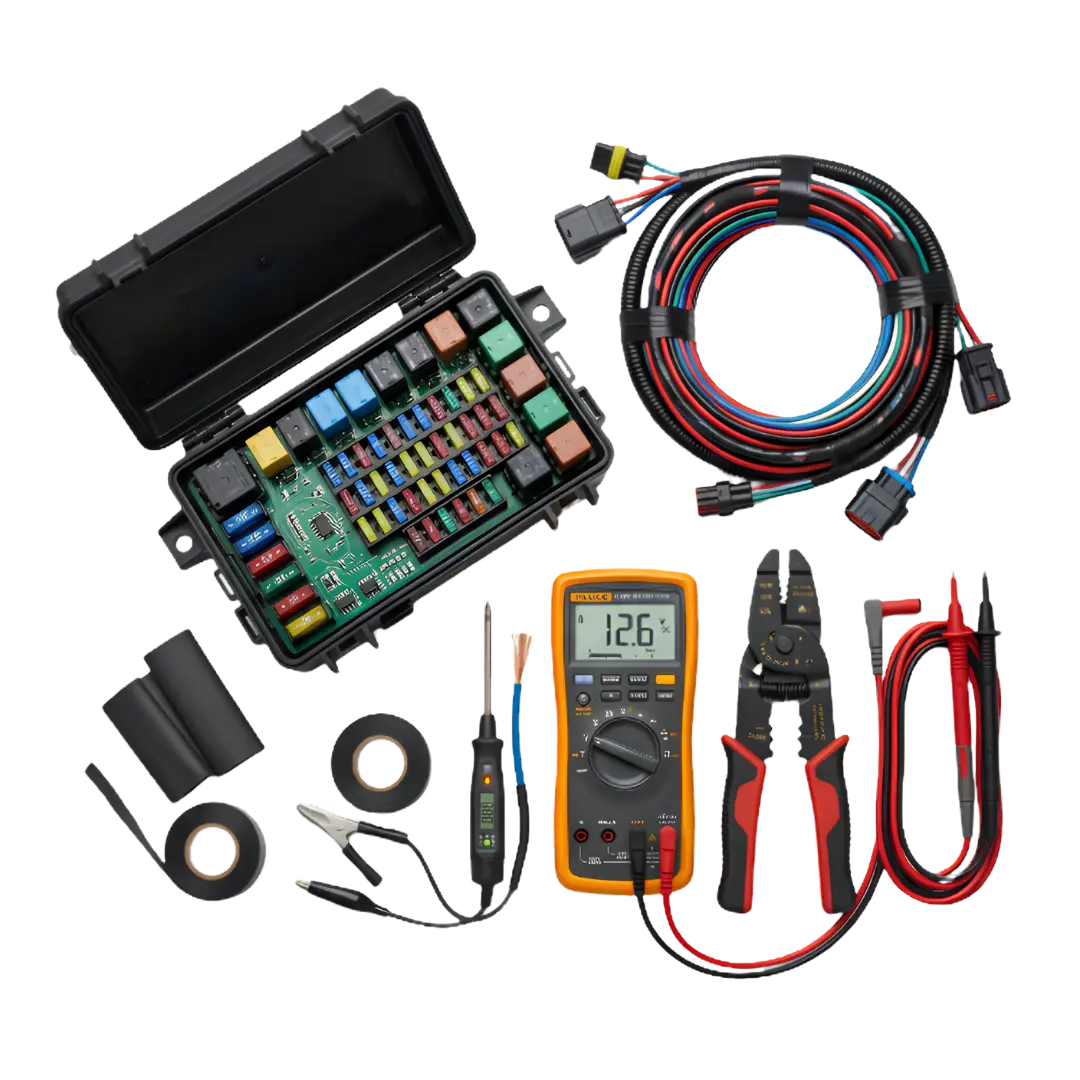 Car Electrical Repair07
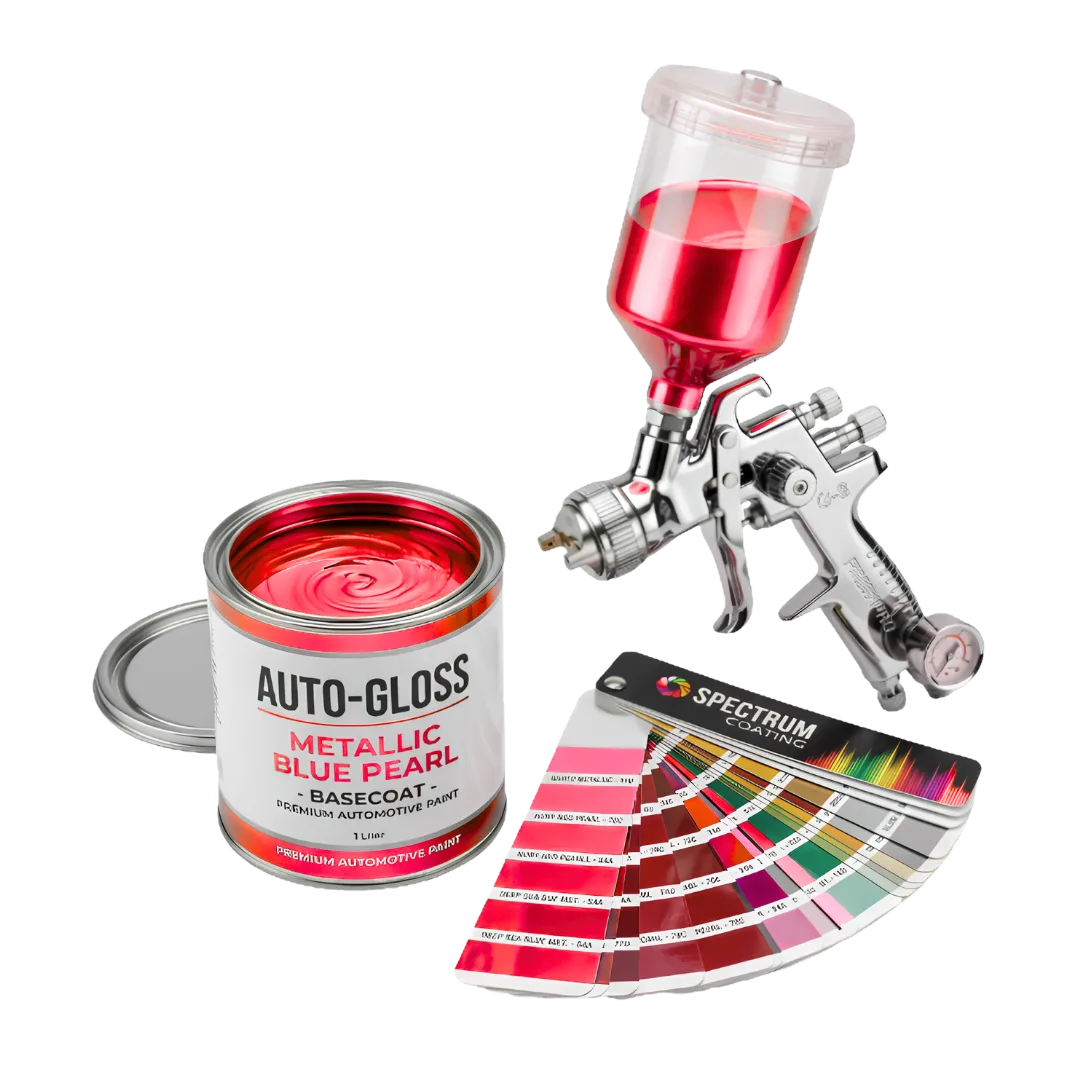 Body Paint08
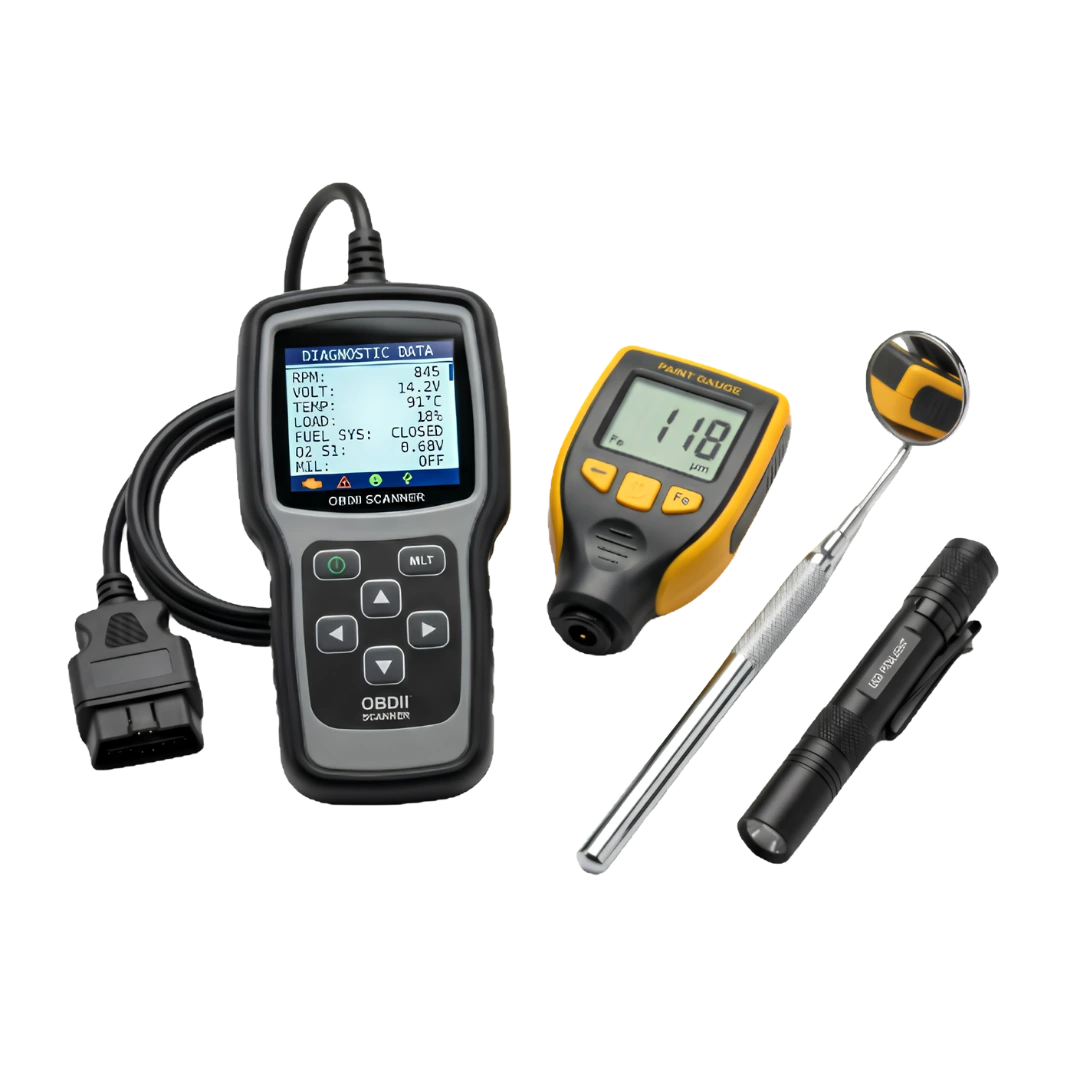 Pre Purchase Inspection09
 Clutch Replacement10
 Sanitisation11
 Timing Belt Replacement12
 Wheel Alignment13
 Window Tinting14
 Windshield Replacement15
 Gear Repair16
 Body Shop17
 Radiator Repair18
 Exhaust Repair19
 Injector Cleaning20
 Car Wash21
 Ceramic Coating Service22
 Upholstery Service23
 Car Tyre Change24
 Car Steering Repair
 Audi specialist service
Zenfo Auto Services repairs collision damage on Audi models in Abu Dhabi. We match the repair method to the material the panel is actually made from. Many Audi models use aluminum body sections joined by rivets and structural adhesive rather than welding. A repair method that ignores this can weaken the whole structure.
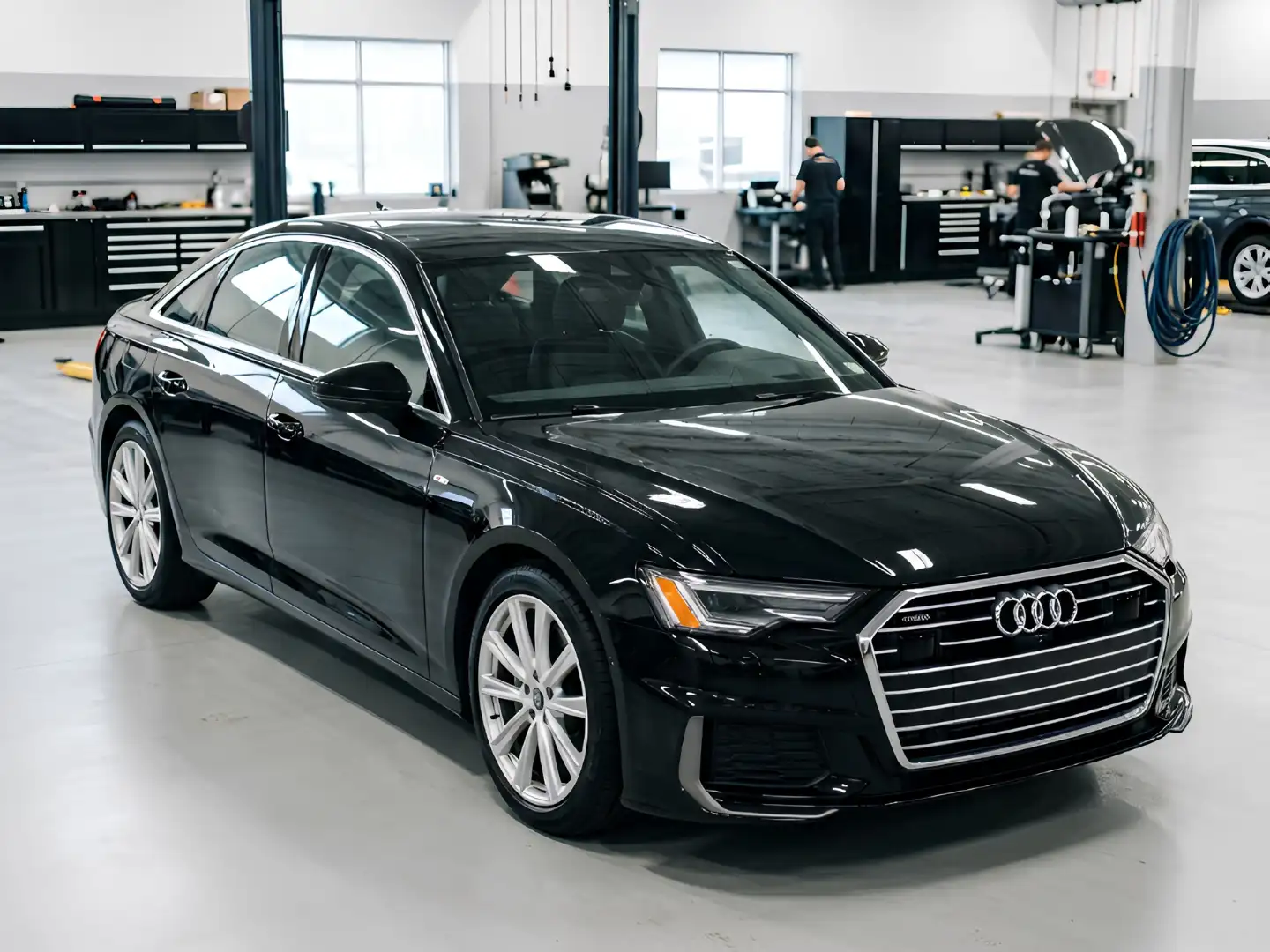
Audi's Space Frame construction was first used on the A8, and it now appears across several models. It joins aluminum sections with rivets, structural adhesive, and aluminum-specific welding, not standard steel welding. Using the wrong method changes how that joint carries load in a future impact, even if the panel looks fine on the surface.
Mixing metals is the hidden risk. Steel particles landing on aluminum during grinding can trigger galvanic corrosion. This often only shows up as paint blistering a year later, which is why aluminum work needs its own tools and its own work area. Cast aluminum joints can also crack inside with no visible damage outside. A cracked casting cannot be welded. It can only be replaced. This is part of our wider Audi repair services in Abu Dhabi, matched to the exact construction of your model.
Uneven panel gaps after any impact, even a small one, often mean the structure has shifted, even when the panel itself looks fine.
Chassis geometry shifted by impact throws off wheel alignment in ways a normal alignment adjustment cannot fully fix, until the structure itself is straightened.
This is a classic sign of galvanic corrosion from mixed-metal contamination during an earlier repair, not a brand new fault.
Sensors, wiring, and control modules sit close to body panels, and a crash can damage them even when the panel itself is repairable.
This means the panel has absorbed impact energy beyond what filler and paint alone can fix, so it needs a structural check first.
Panels and seals refitted without matching the original tolerance often bring in noise that was not there before.
Every vehicle is checked against Audi's structural specification before any repair starts. This shows which panels are repairable and which parts need replacing under Audi's own procedures.
Aluminum sections are repaired using the rivet, adhesive, or aluminum-specific welding method Audi sets for that joint. Work happens in a dedicated aluminum area.
Chassis geometry is measured in three dimensions against Audi's factory specification. It is then corrected using anchored, sequenced pulls until every point sits within tolerance.
Where a panel or structural node sits beyond repair limits, including a cracked aluminum casting, it gets replaced using Audi's specified method, not sectioned or patched.
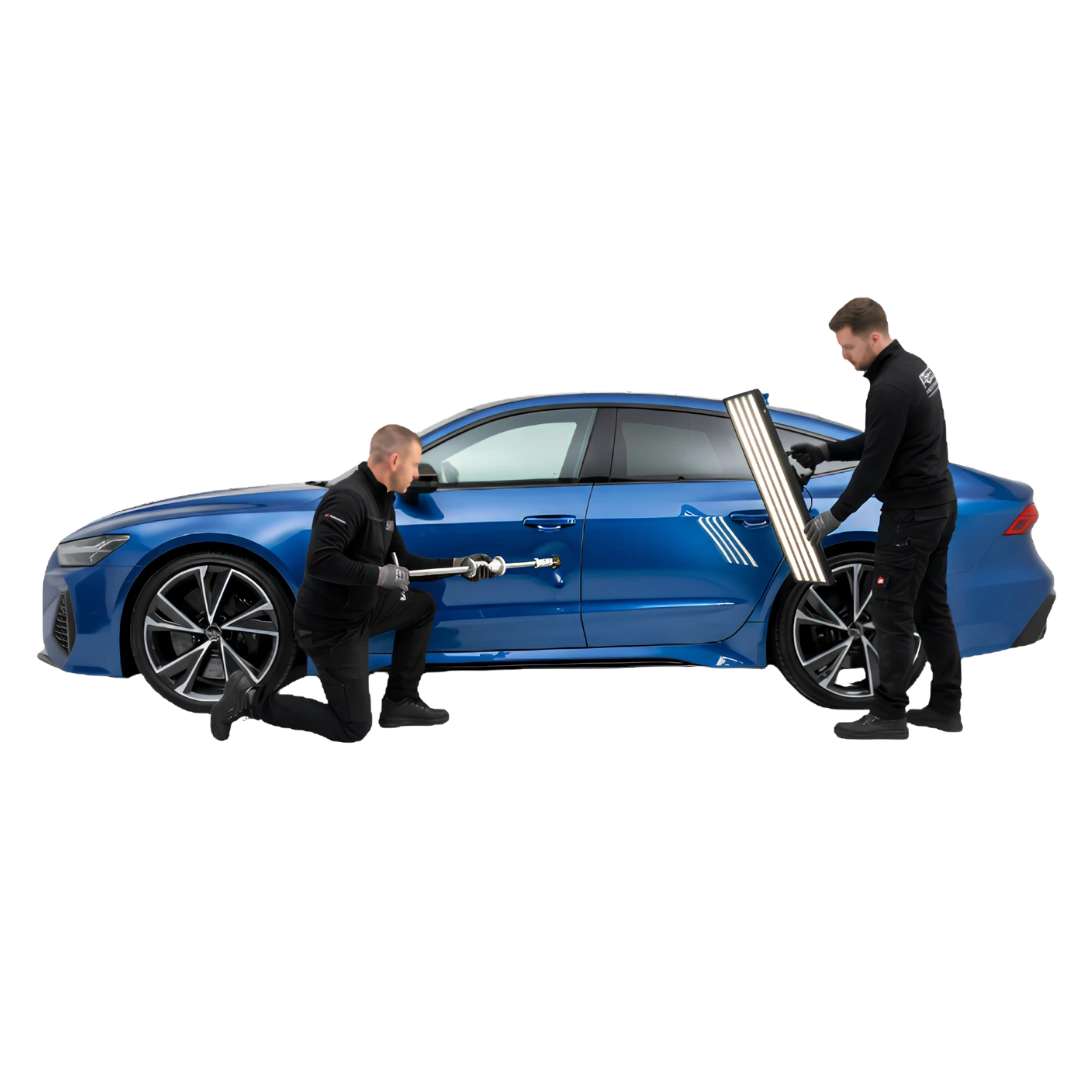
Dents are fixed through panel beating or paintless dent repair, where the finish allows it. This avoids unneeded panel replacement for damage that has not reached the structure.
Steel sections are repaired with a process matched to the steel grade involved. High-strength steel in Audi safety structures needs different heat control than mild steel.
Where aluminum and steel meet in the same body, the joint gets the corrosion isolation Audi specifies. This stops the dissimilar-metal reaction that causes delayed paint failure.
Front and rear bumpers, along with surrounding trim and sensor housings, are repaired or replaced and refitted to the original panel gaps and lines.
Cameras, radar, and parking sensors disturbed by the crash or panel work are recalibrated using manufacturer steps. A repaired body with a wrong sensor reading is not a full repair.
Once structural and panel work is done, the affected area is refinished using the paint code from your data plate, checked against nearby panels before spraying.
Damage reports and repair estimates are written in a format insurers can process directly. Each report documents the assessment and the method specified for each part.
Every finished repair is measured again against the original structural spec. Every recalibrated system is function-tested before the car goes back to you.
Aluminum panels are repaired in a dedicated area, using tools that never touch steel. This stops the galvanic corrosion that ruins an otherwise correct repair.
Rivets, structural adhesive, or aluminum welding are used exactly as Audi specifies for each joint. We never swap in a faster method that changes how the joint performs.
Chassis geometry is measured against factory spec before and after repair. That gives you a documented figure, not just a visual guess at straightness.
Cracked die-cast structural nodes are found and replaced, not welded or filled. A patched casting cannot restore the load path Audi built into it.
Sensors and cameras disturbed by the crash or panel work are recalibrated as part of the repair, not left as a separate step you have to chase.
Structural repair, panel work, and refinishing all carry a written guarantee. A fault traced to the repair itself comes back to us, not to you.
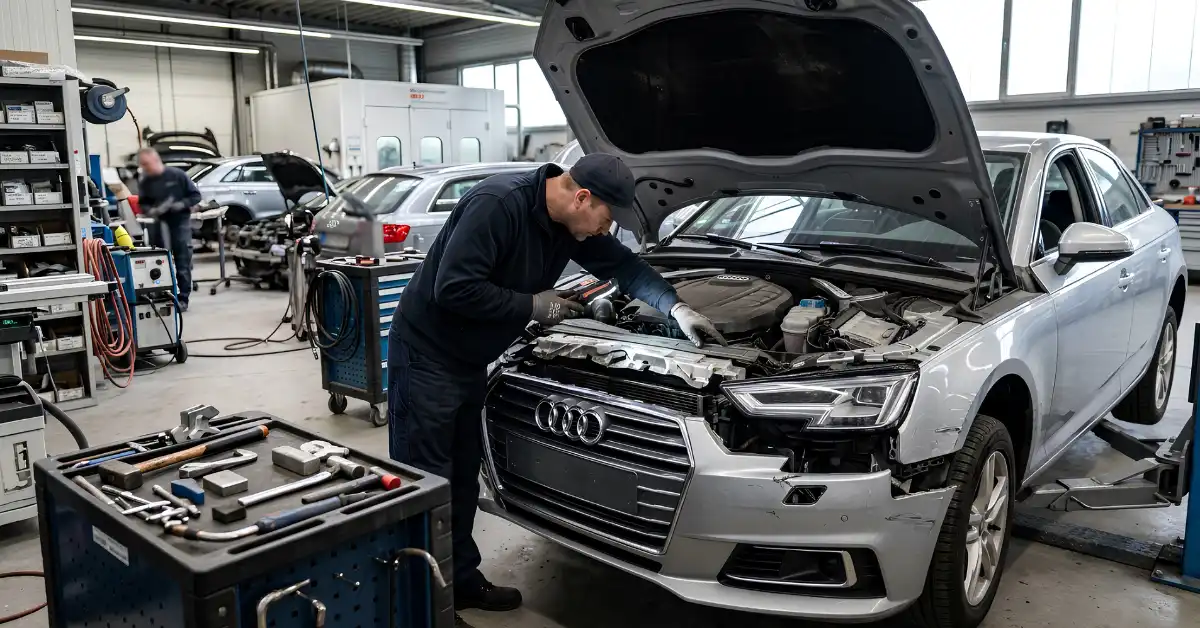
A single workshop may see an all-aluminum A8 and a steel-bodied A3 in the same week. Treating both the same way risks the aluminum car's structure.
High ambient heat changes the working time for structural adhesives, which have a set window before they must sit in final position.
Airborne grit entering a poorly sealed work area during aluminum repair brings in the exact kind of particle that triggers corrosion later.
Coastal humidity speeds up any corrosion that starts at a poorly isolated dissimilar-metal joint, shortening the time before it becomes visible.
Frequent low-speed knocks in city driving mean panel and sensor damage often goes unchecked until a bigger problem shows up later.
Construction varies more across the Audi range than most owners realise. Knowing which type applies to your car explains why two Audi models can need completely different repair steps.
| Model range | Typical body construction |
|---|---|
| A8, A7 | Aluminum-intensive Space Frame, extensive rivet and adhesive joints |
| R8 | Aluminum Space Frame with carbon fibre reinforced sections |
| A3, A4, A5, Q3, Q5 | Steel unibody, with aluminum bonnet, doors, or wings on many trims |
| A6, Q7, Q8 | Mixed construction, steel structure with substantial aluminum panels |
| e-tron, Q4 e-tron, Q8 e-tron | Aluminum-intensive floor structure housing the battery pack |
| TT | Steel and aluminum hybrid structure |
A car that looks the same from the outside can need a completely different repair process once the panel comes off. That is why we identify the material before writing any repair plan, not after.
The vehicle is checked against Audi's structural spec. We look for panel damage, chassis movement, and any affected sensors before a repair plan gets written.
Every affected section gets identified by material: aluminum, steel, or a mixed joint. This decides which repair method and work area the job needs.
Chassis points are measured in three dimensions on a structural bench. Live readings are compared against Audi's factory tolerance before any straightening begins.
Where readings sit outside tolerance, anchored, sequenced pulls correct the structure. Measurements are rechecked throughout, until every point returns within spec.
Damaged panels are repaired or replaced using the method set for that material. Work happens in the correct dedicated area for the job.
Rivets, structural adhesive, or aluminum welding go in exactly as Audi specifies for that joint. They are never swapped for a faster shortcut.
Repaired sections are primed, colour matched to your paint code, and finished through the full basecoat and clearcoat system, blended into the panels around them.
Cameras, radar, and sensors affected by the repair get recalibrated. Every finished repair is measured again to confirm it meets spec.
Send photos of the damage, and we will identify which panels are steel, which are aluminum, and what that means for your repair before you commit to anything. Every structural measurement is documented before and after, so you have proof the repair actually met specification. Book online, or call Zenfo Auto Services for an assessment this week.
Many Audi models use aluminum body sections joined by rivets and structural adhesive rather than welding. Aluminum needs different tools, a separated work area, and joining methods specific to that metal, since standard steel repair techniques do not apply.
Steel particles touching aluminum can trigger galvanic corrosion at the contact point. This reaction builds slowly and often only becomes visible as paint blistering a year or more after the repair.
Cast aluminum structural nodes that crack internally cannot be reliably repaired. Audi's procedure calls for replacing the casting rather than welding or filling it, since a repaired casting cannot restore the original load path.
Any collision or panel replacement that disturbs a camera, radar, or sensor needs recalibration. A structurally sound repair with a miscalibrated sensor is still an incomplete repair.
Structural points are measured in three dimensions on a bench and compared against Audi's factory tolerance. This gives an objective figure for how far the structure has moved, instead of a visual guess.
Independent structural and panel repair using Audi-specified methods and matched parts keeps your manufacturer warranty valid under UAE consumer law. The key point is that the correct repair procedure gets followed for each material involved.
Paintless dent repair works well on shallow dents where the paint finish stays intact. More serious damage, aluminum casting areas, or dents reaching structural sections need traditional panel repair instead.
Minor panel repair with refinishing typically takes 3 to 5 working days. Structural repair involving frame correction, aluminum joint work, and recalibration extends that timeline, confirmed once the full assessment is done.