Zenfo Auto Services repairs Audi steering systems in Abu Dhabi. We handle everything from a worn tie rod end to a failed power steering control module. We scan the electric power steering module and live torque sensor data before replacing any part. Most steering faults on modern Audi models start as a sensor or software fault, not a worn mechanical part.
Why Audi Steering Systems Are More Than a Rack and Pinion
A modern Audi steering system runs on electric assist, not hydraulic pressure. Audi moved almost its entire range to Electromechanical Power Steering, badged EPS, from the mid-2000s onward. A motor sits on the rack or column. It applies assist based on readings from a torque sensor and a steering angle sensor. This angle sensor also feeds the stability control system. On quattro models, it feeds the all-wheel-drive torque logic too. So a steering fault rarely stays isolated to steering feel alone.
Higher trim Audi models add Progressive Steering or Dynamic Steering. Both vary the steering ratio electronically with speed and angle. A fault here makes steering feel inconsistent, often long before any warning light appears. Older Audi models built before the mid-2010s kept a hydraulic pump and rack instead. So did some larger models. These systems fail differently. They tend to leak fluid or wear out the pump, rather than throw a software fault.
Symptoms
Signs Your Audi Needs Steering Repair
Whining noise on full lock
This usually points to a worn hydraulic power steering pump on older models. On EPS-equipped models, it often means a failing electric motor bearing.
Heavier steering effort
A sudden increase in steering weight, especially at low speed, often means the power steering control module has dropped into a reduced-assist safe mode.
Off-centre steering wheel
This points to a wheel alignment issue, a worn tie rod, or a steering angle sensor that has lost its calibration.
Clunking over bumps and potholes
A clunk through the wheel under load usually traces back to a worn tie rod end, a failed rack mount, or play in the column joint.
Vibration through the steering wheel
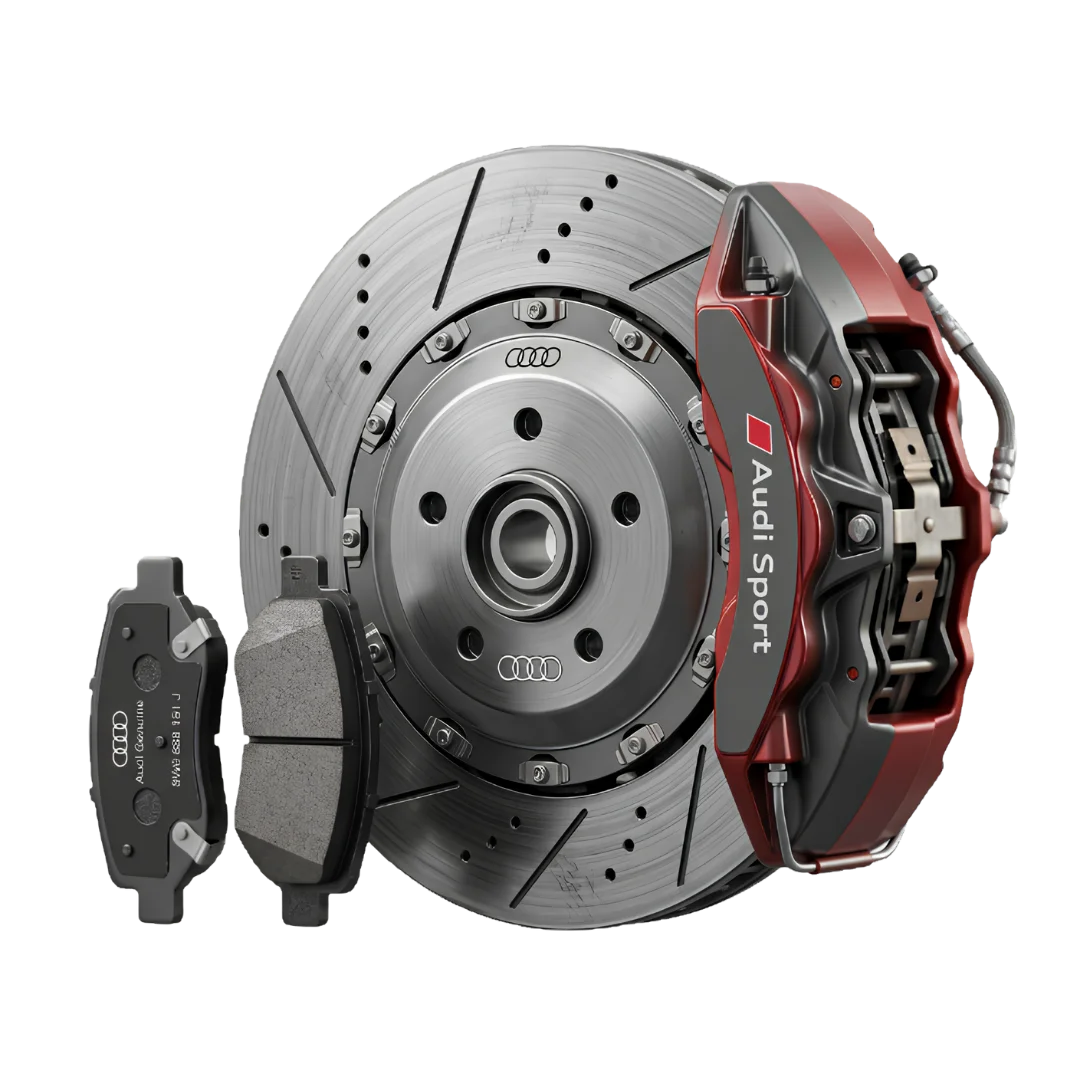
Vibration that changes with speed points to an unbalanced wheel or a worn tie rod. Vibration only under braking usually points toward brake pads replacement instead.
Steering assist warning light
This light means the power steering control module has logged a fault code. It could be a torque sensor fault or a data bus communication fault.
Vague steering at highway speed
Vague or wandering steering at speed often means worn rack bushings, a loose tie rod, or an angle sensor sending inconsistent data.
Fluid visible under the front of the car
On hydraulic-assist models, a red or amber fluid patch near the rack usually means a leaking rack seal or a cracked pressure hose.
12 jobs covered
Audi Steering Repair Services at Our Abu Dhabi Workshop
Electric Power Steering Diagnosis
We scan the EPS control module for stored fault codes. We also check live torque sensor and motor current data. This confirms whether the fault sits in the sensor, the motor, or the module before any part is ordered.
Steering Rack Replacement
A rack showing internal wear, a fluid leak, or a fault the module cannot clear gets replaced. The new unit is matched to your Audi's specific steering ratio and assist calibration.
Power Steering Pump Replacement
On hydraulic-assist models, a whining or failing pump is replaced along with the reservoir filter. The system is then bled to remove trapped air.
Tie Rod and Tie Rod End Replacement
Worn tie rod ends are a common cause of off-centre steering and clunking. We replace them in pairs where wear is uneven, then reset the alignment.
Steering Column Repair and Replacement
A steering column with excess play, a failed universal joint, or an EPS motor fault at the column gets repaired or replaced as a complete assembly.
Steering Angle Sensor Calibration
We recalibrate the steering angle sensor after any steering component replacement, wheel alignment, or battery disconnection. This keeps stability control and quattro systems reading accurate data.
Power Steering Fluid Service
On hydraulic models, we check fluid for contamination and colour. Where degraded fluid is speeding up pump and rack wear, we flush and replace it.
Dynamic and Progressive Steering Module Diagnosis
Variable-ratio steering systems get a dedicated scan of the steering ratio actuator and its control module. This isolates faults specific to this system from standard EPS faults.
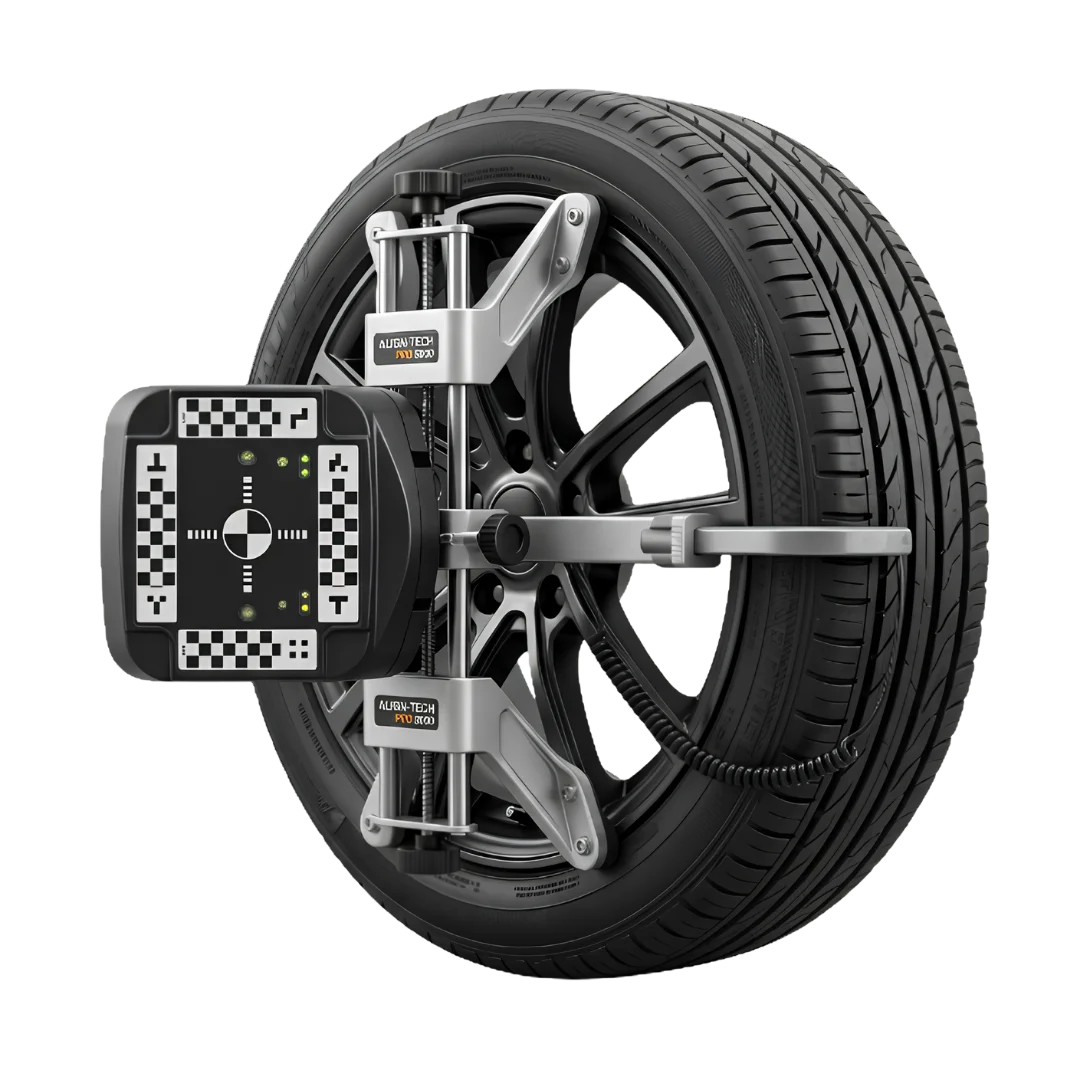
Wheel Alignment and Steering Geometry Correction
We measure and adjust camber, caster, and toe to Audi's specification. This corrects the uneven tyre wear and steering pull a misaligned system causes.
Steering Rack Boot and Bushing Replacement
Torn boots let dirt and moisture into the rack, speeding up internal wear. Worn bushings cause looseness. We replace both before they cause further damage.
Clock Spring and Airbag Connector Inspection
Where steering wheel controls or an airbag warning light accompany a steering fault, we inspect the clock spring assembly, since it shares space with the steering column.
Software Update and Module Coding
Some steering faults trace back to outdated control module software. Where Audi has issued a fix, we update the module and recode it to your vehicle's configuration.
Why us
Why Choose Zenfo Auto Services for Audi Steering Repair
Live Data Checked First
We read torque sensor and motor current data from the EPS module before condemning any part. This avoids the common mistake of replacing a rack that was never the actual fault.
Calibration Never Skipped
We recalibrate the steering angle sensor after every relevant repair. This keeps stability control and quattro systems reading accurate data from the front axle.
Ratio Matched Parts
We match replacement racks and columns to your Audi's specific steering ratio. This applies whether it's standard, Progressive, or Dynamic Steering, not a generic aftermarket unit.
Alignment Always Included
We check and correct wheel alignment as part of tie rod and rack work. This saves you a separate visit that adds time and cost.
Software Kept Current
We check control module software against Audi's latest release. Where a known fault already has an official manufacturer fix, we apply it.
Written Steering Warranty
Parts and labour on steering repairs carry a written guarantee. A fault traced to the repair itself comes back to us, not to you.
Abu Dhabi climate
Why Steering Systems Wear Faster on Audi Models in Abu Dhabi
Extreme heat
Sustained high under-bonnet temperatures add thermal stress to the EPS motor and control module beyond cooler climates.
Airborne sand
Sand works past worn boots and seals. It wears down internal rack components and tie rod joints faster.
Sun-baked roads
Softened asphalt raises the resistance steering works against at low speed. This adds load to the motor.
Pothole impacts
Sudden impact loads from unpaved shoulders bend tie rods and shift alignment. The same impacts are also a common reason cars need suspension repair around the same time.
Long idle periods
Extended idling without wheel movement adds heat cycles to hydraulic pumps. There's no cooling airflow to offset it.
Coastal humidity swings
Overnight condensation followed by fast daytime heat stresses rubber boots and seals around the rack.
Frequent short trips
Stop-start driving keeps the EPS motor working at low speed more often than steady highway use.
Construction dust
Ongoing building work across the city adds fine grit. It speeds up wear on exposed steering joints.
Reference
Steering Noise and Feel Diagnosis: What Each Symptom Means
Steering faults show up through noise, weight, or feel long before a warning light appears. Matching the symptom to its pattern narrows the cause before the car is even inspected.
Symptom and pattern
Likely cause
Whining or groaning noise on full lock
Worn hydraulic pump, or a failing EPS motor bearing
Sudden heavy steering at low speed
Power steering control module in reduced-assist safe mode
Wheel off-centre when driving straight
Misalignment, worn tie rod, or uncalibrated steering angle sensor
Clunk through the wheel over bumps
Worn tie rod end, loose rack mount, or column joint play
Vibration that changes with speed
Unbalanced wheel or worn tie rod
Vague, wandering feel at highway speed
Worn rack bushings, loose tie rod, or inconsistent angle sensor data
A fault that only shows up after the engine has run for a while often points to a control module dropping into thermal protection mode. That's why some steering faults are easier to catch on a longer drive than in a short workshop test.
6 stages
How We Diagnose and Fix Steering Faults
01
Symptom And Code Review
We review reported symptoms, noise, and any stored fault codes together. This narrows the likely component before the car goes on the lift.
02
Live Data Capture
We log torque sensor readings, motor current, and steering angle data. We do this while turning the wheel and while driving the car.
03
Physical System Inspection
We check the full steering system from the wheel to the rack. We look for play, leaks, torn boots, and worn tie rod ends.
04
Component Level Testing
Where a sensor, motor, or pump is suspected, we test it against its expected values. This confirms the fault before any part is ordered.
05
Repair And Calibration
We fix the confirmed fault using matched parts. We then recalibrate the steering angle sensor and clear related fault codes.
06
Final Road Test
We drive the car at low and high speed to confirm the fault is gone. We recheck live data to confirm normal readings.
Free inspection slot
Book Your Audi Steering Repair in Abu Dhabi
Tell us about the noise, feel, or warning light you're seeing. We'll book a diagnostic scan to read the live steering data before recommending any repair. Most steering faults trace back to one worn component or one uncalibrated sensor, not the whole system. So you rarely need to replace more than what has actually failed. Book Audi services in Abu Dhabi online, or call Zenfo Auto Services for a slot this week.
A sudden increase in steering weight usually means the power steering control module has detected a fault. It drops into a reduced-assist safe mode to protect the system. A diagnostic scan identifies the underlying fault code.
02
A whining noise on full lock often signals a worn hydraulic pump or a failing electric motor bearing. It's not usually urgent on its own. But it typically worsens, so it should be checked before the component fails completely.
03
The steering angle sensor feeds data to stability control. On quattro models, it feeds the all-wheel-drive system too. Any repair that moves the steering, including alignment, needs recalibration so these systems keep reading accurate data.
04
Yes. The steering angle sensor shares data with the electronic stability control system. So a fault or an uncalibrated sensor can trigger warning lights or affect stability control performance, not just steering feel.
05
Most Audi models built from the mid-2000s onward use Electromechanical Power Steering. Some older models and select larger models kept a hydraulic pump and rack. These fail differently and need fluid-related maintenance.
06
A tie rod end replacement with alignment usually takes under two hours. A steering rack replacement, including calibration and a road test, typically takes half a day.
07
Independent steering repair using correctly specified parts keeps your manufacturer warranty intact under UAE consumer law. The key factor is that replacement components match the original steering ratio and assist specification.
08
A hard pothole impact can bend a tie rod or shift wheel alignment instantly. This throws the steering wheel off-centre even when the car still tracks straight. It needs an alignment check to correct.




 Audi specialist service

