
Clutch Inspection and Road Test
A technician tests bite point height, slip under fourth gear load, and judder from standstill, then confirms whether the fault sits in the disc, the flywheel, or the hydraulics.
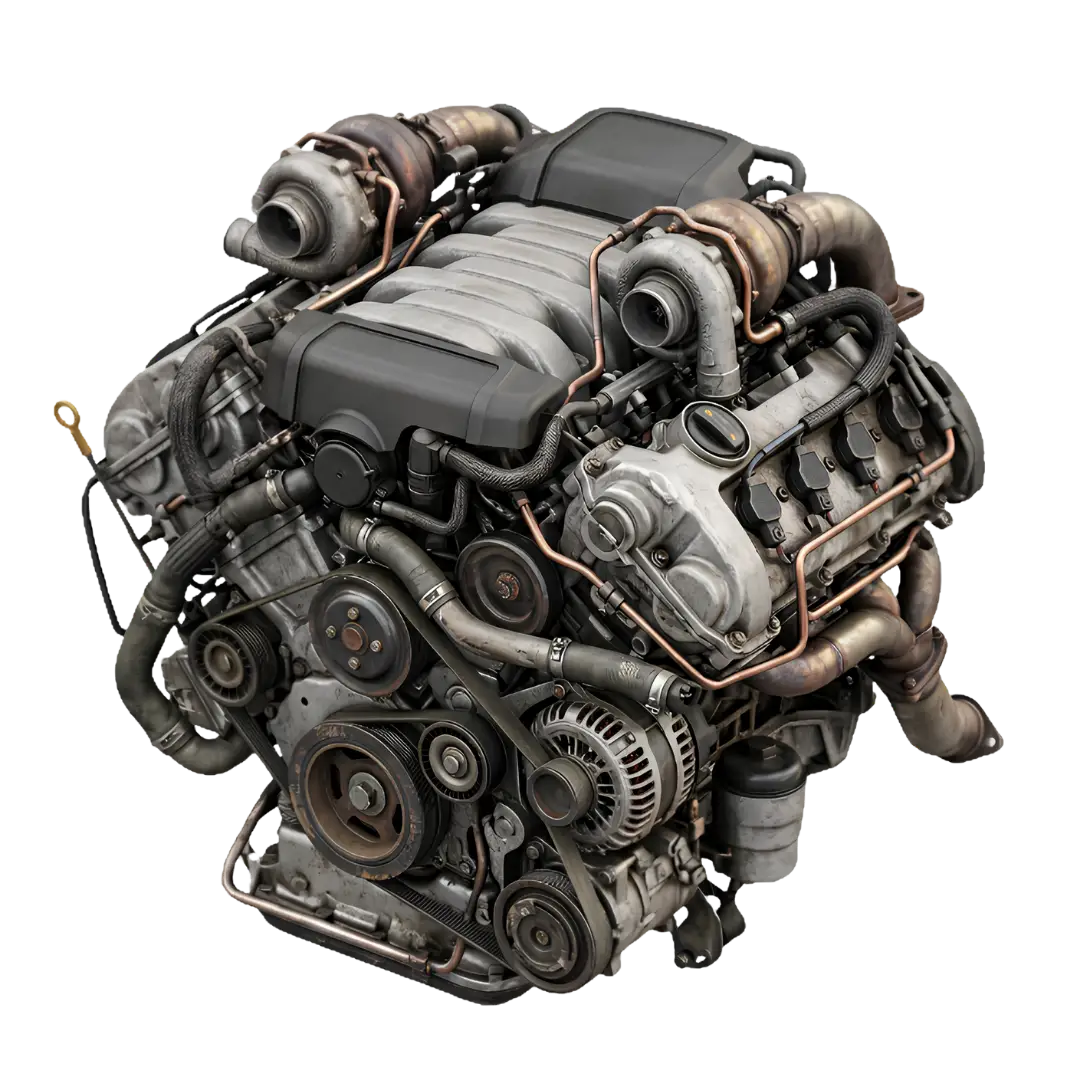 Engine Repair02
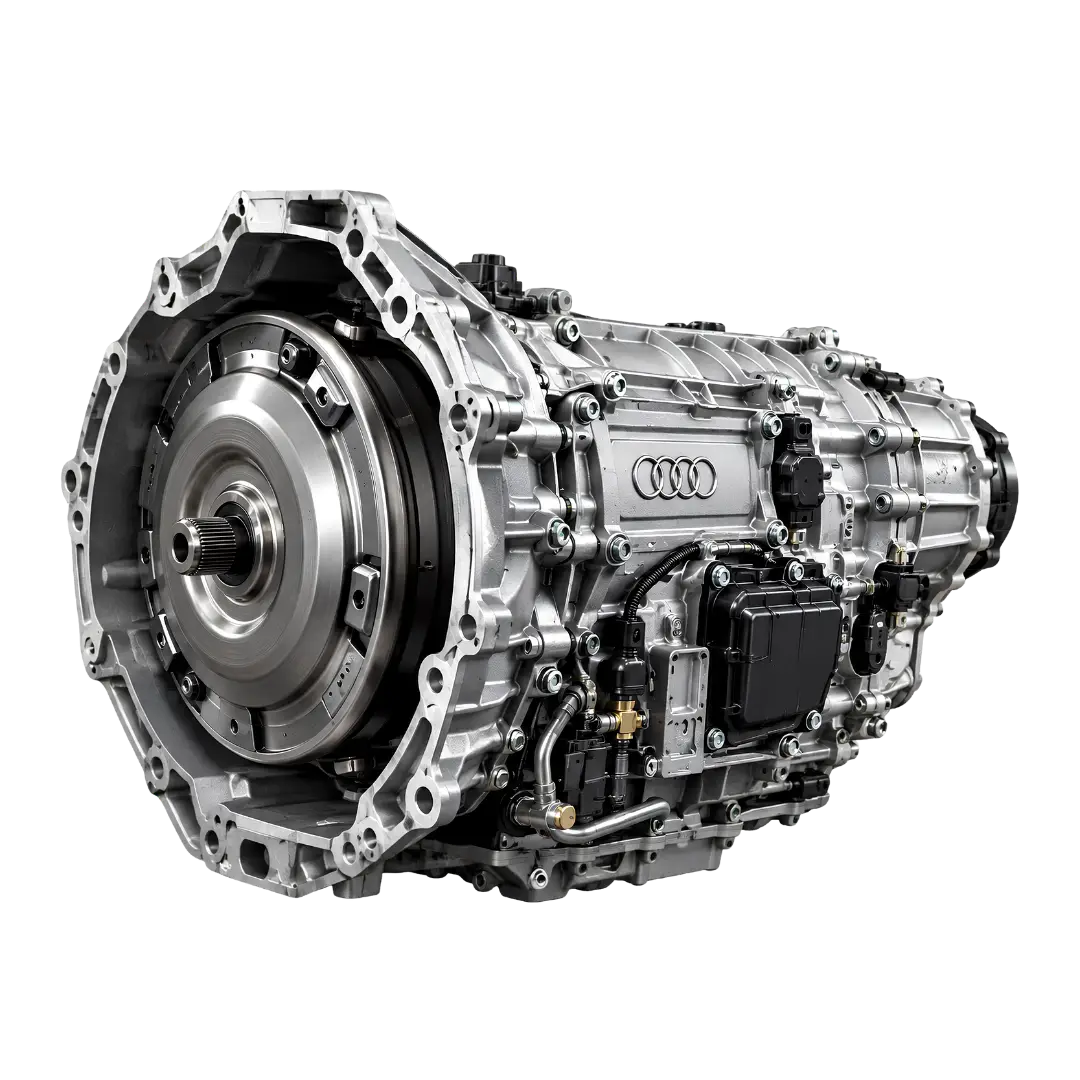 Transmission Repair03
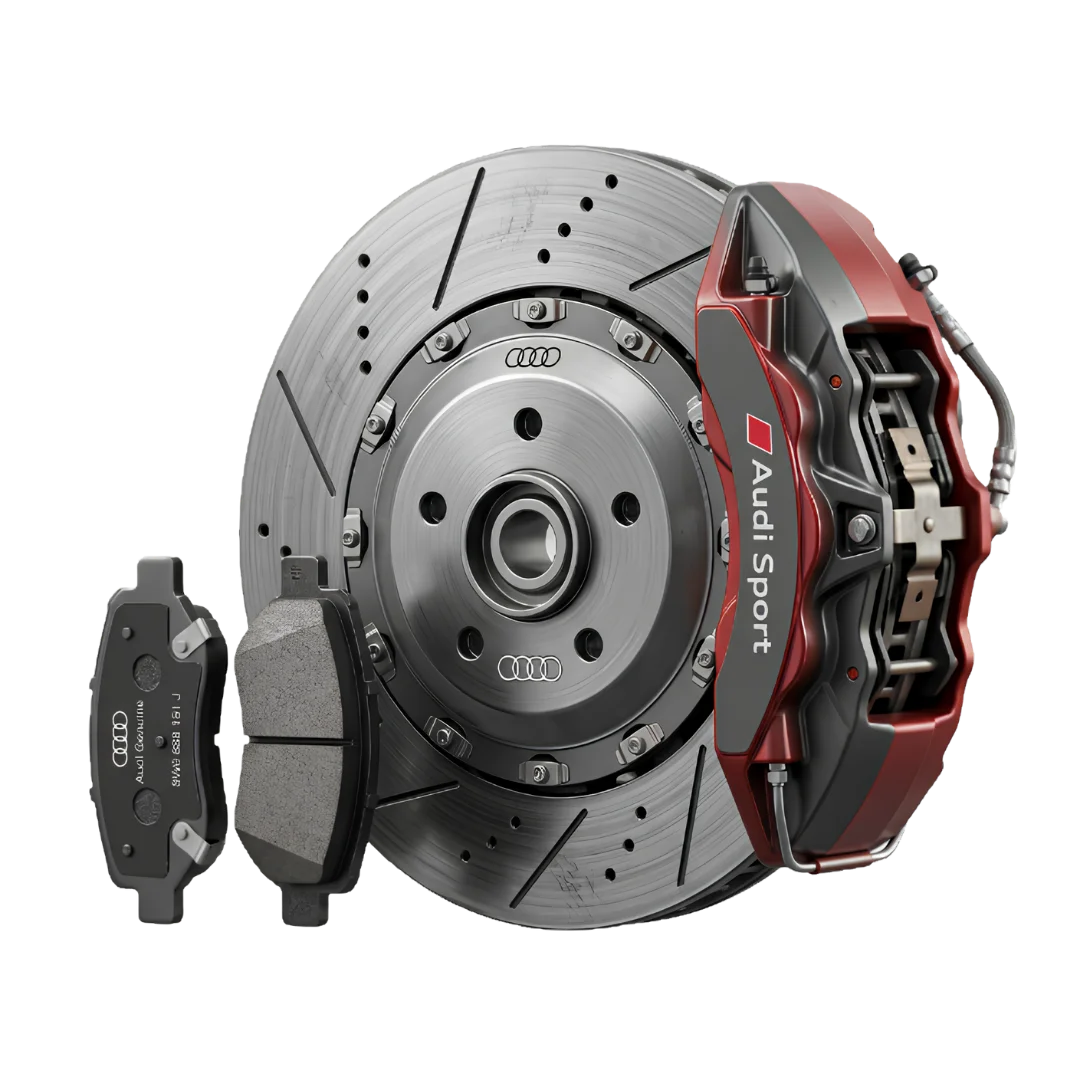 Brake Pads Replacement04
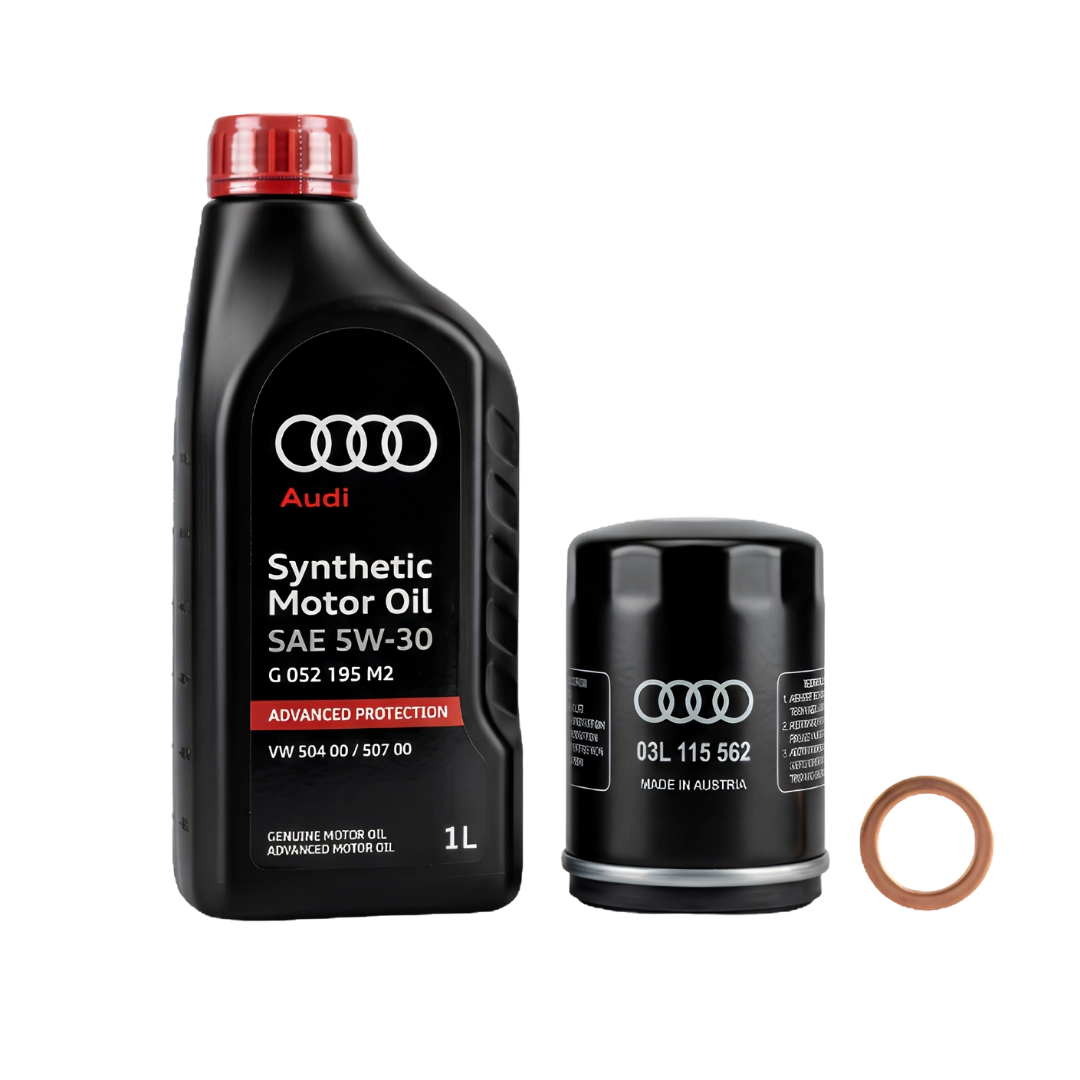 Oil Change05
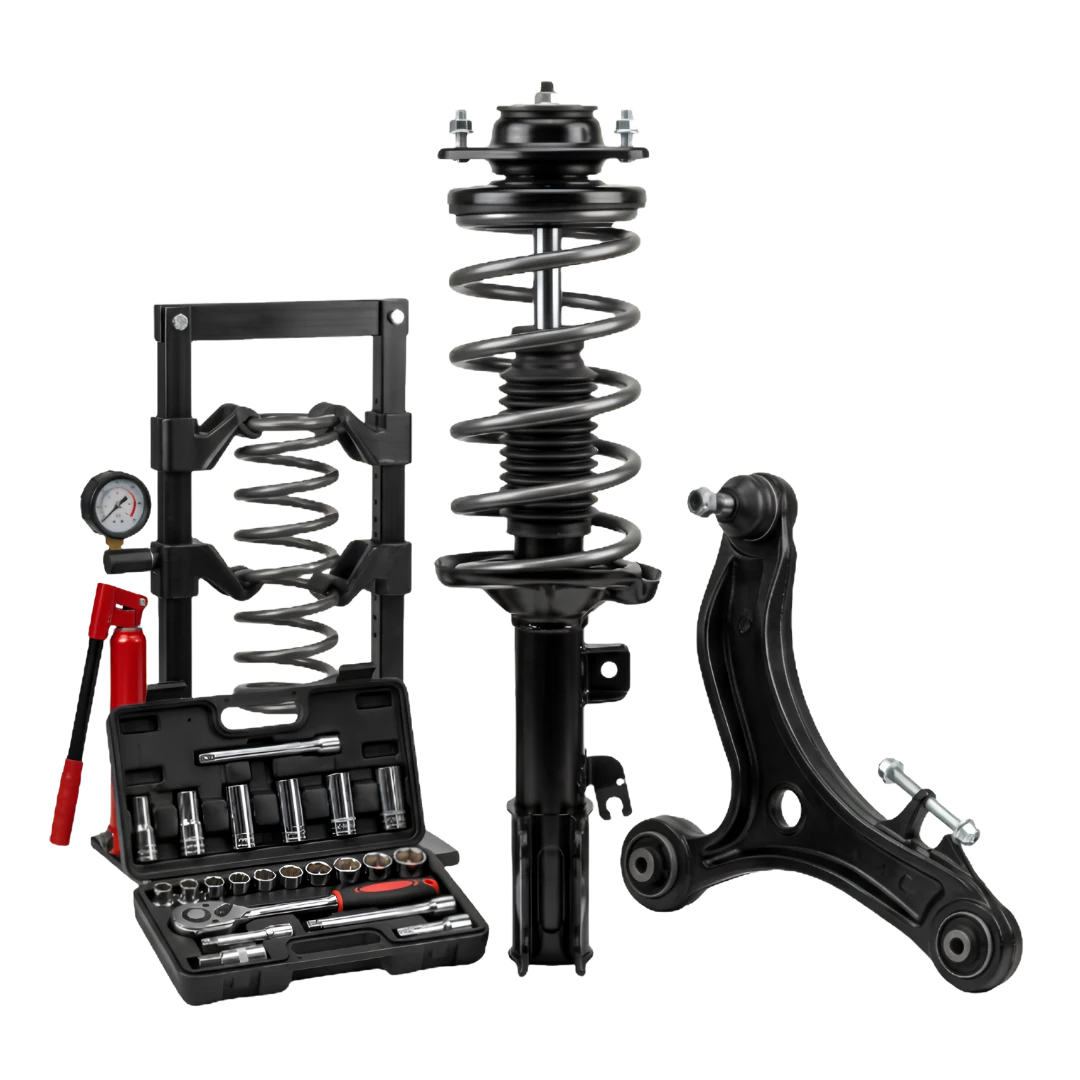 Suspension Repair06
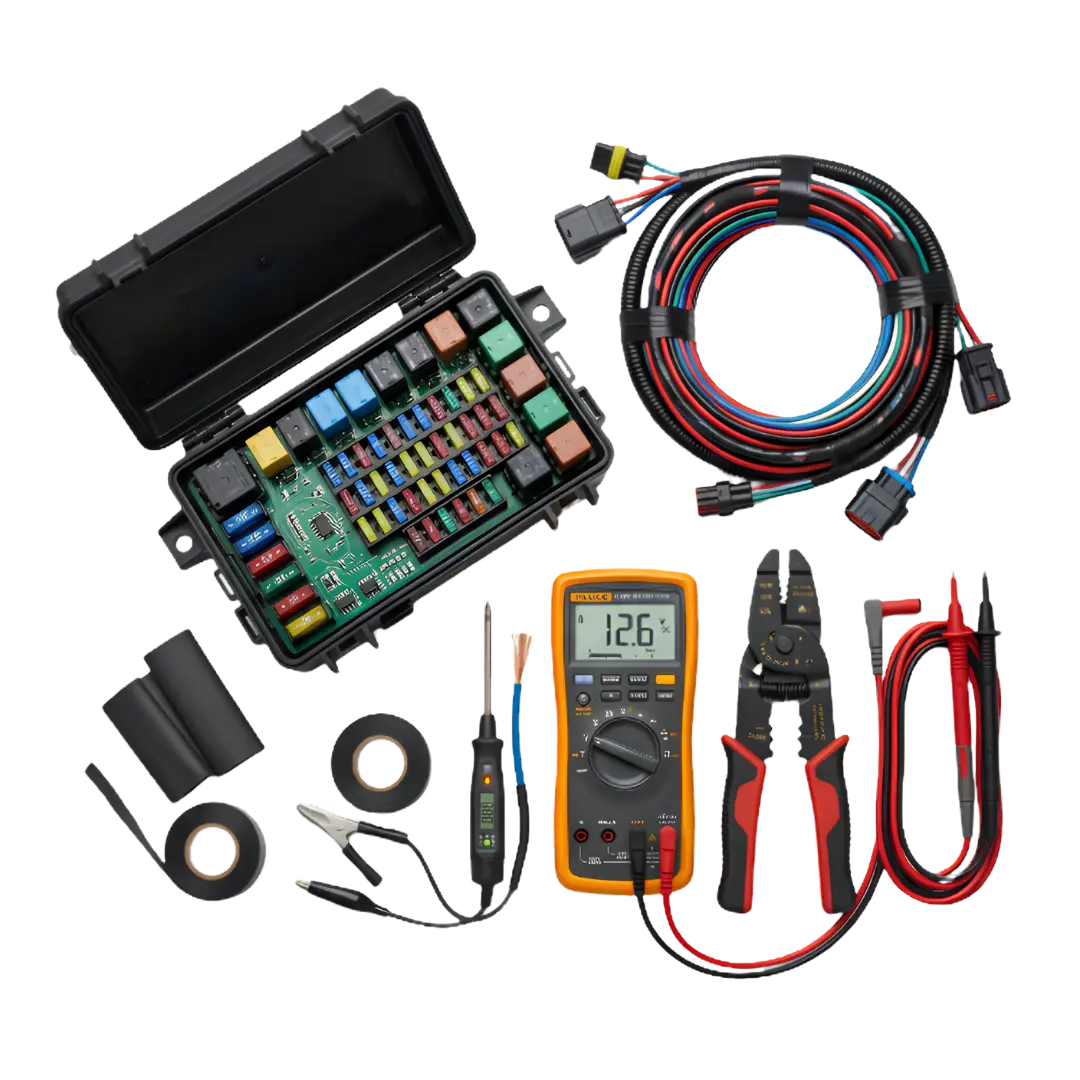 Car Electrical Repair07
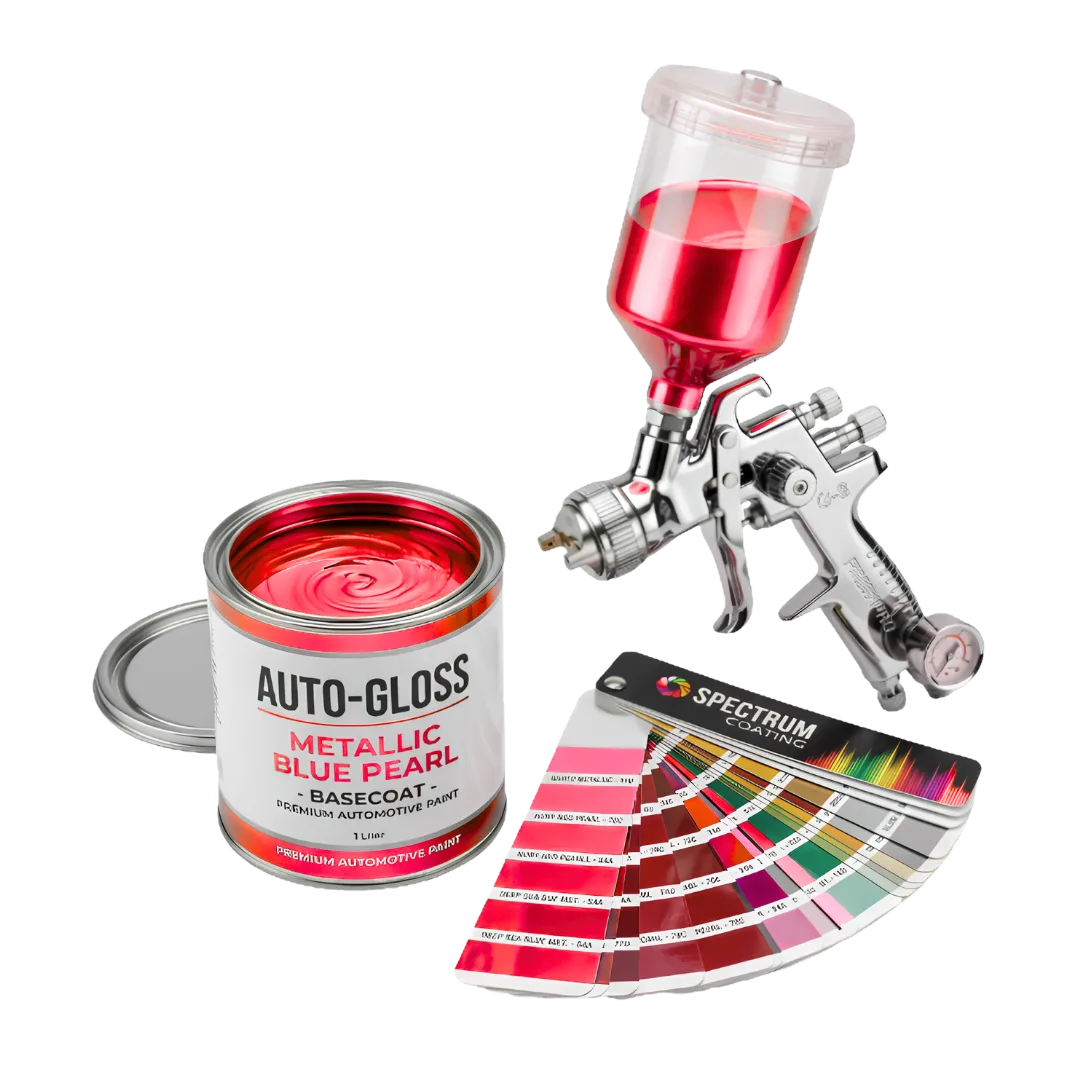 Body Paint08
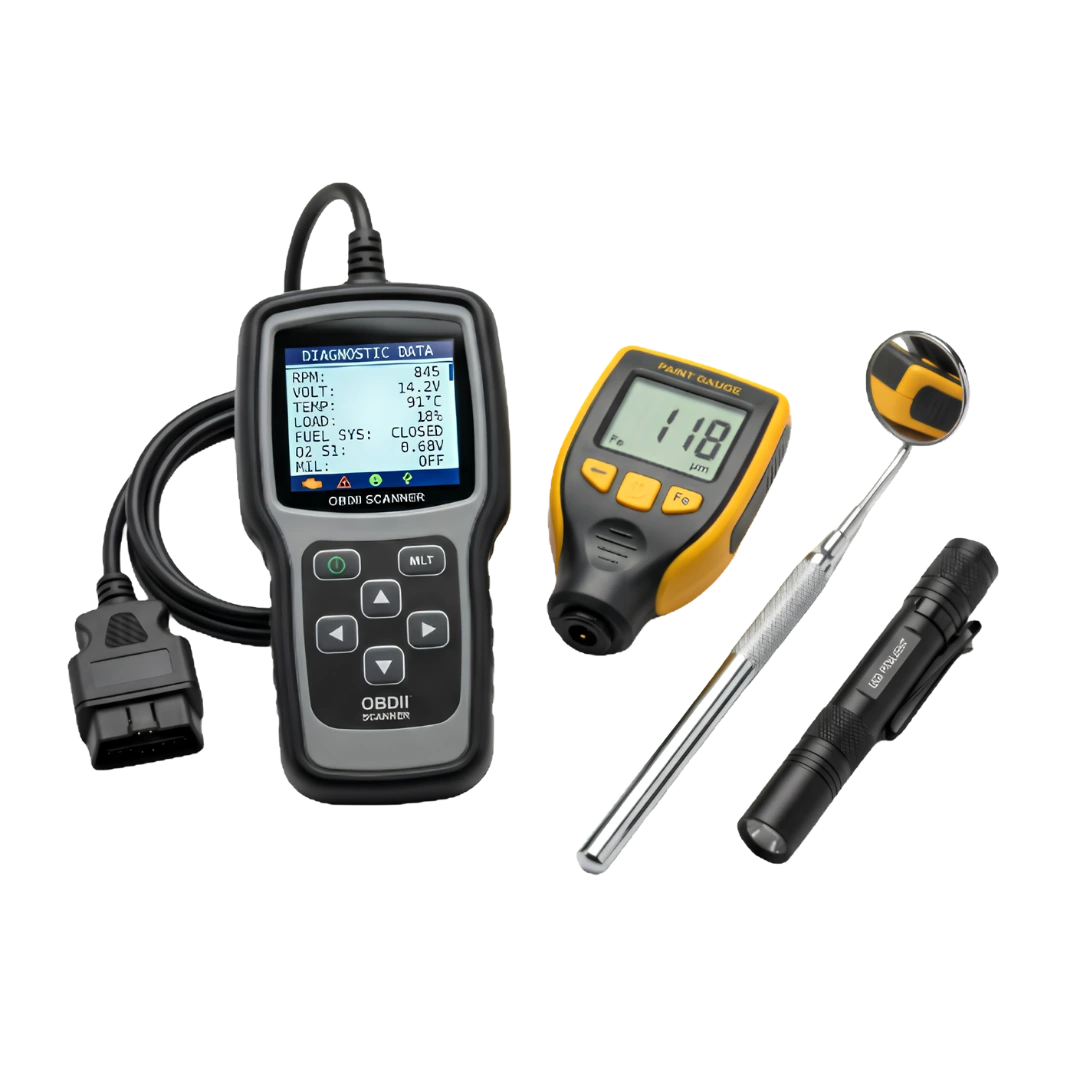 Pre Purchase Inspection09
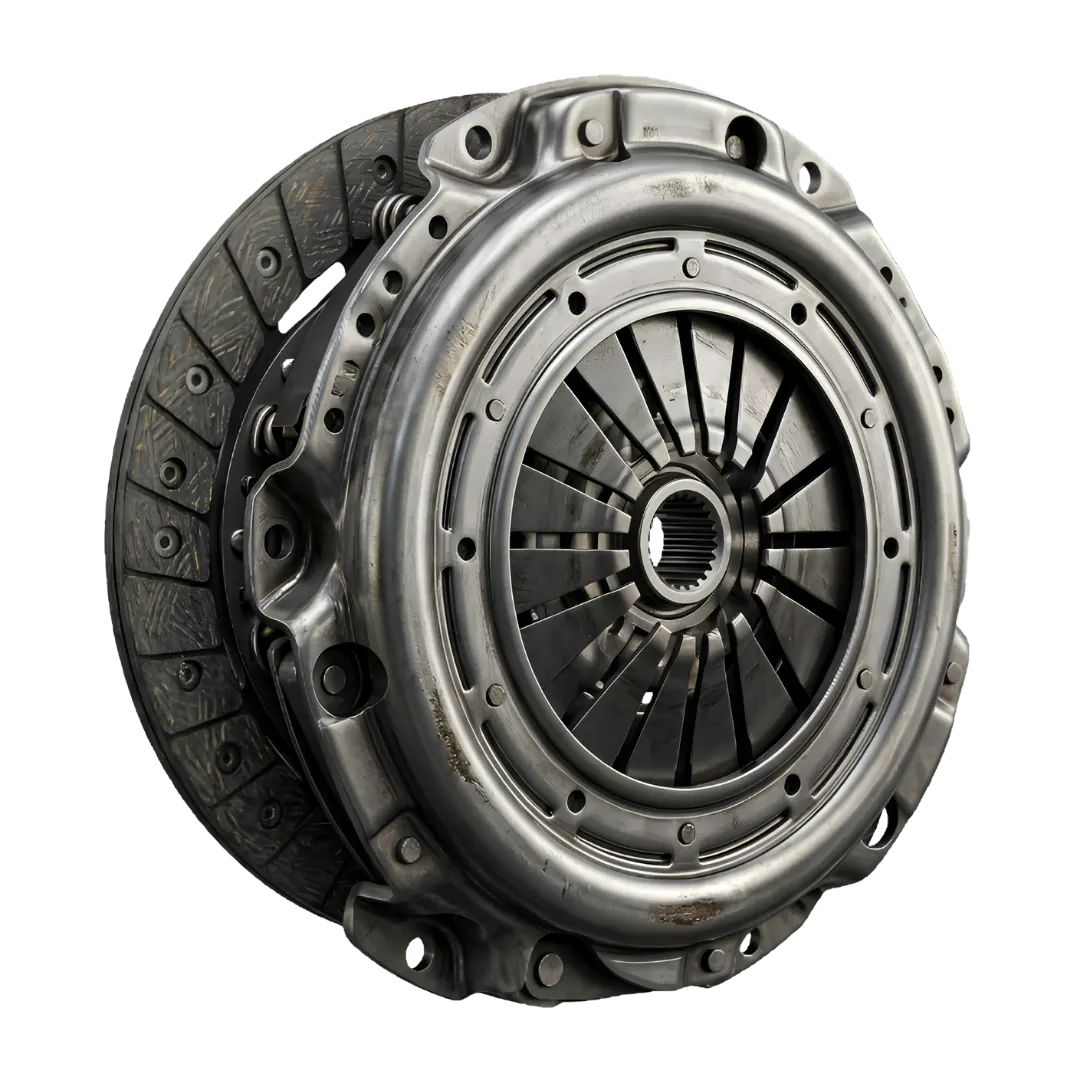 Clutch Replacement10
 Sanitisation11
 Timing Belt Replacement12
 Wheel Alignment13
 Window Tinting14
 Windshield Replacement15
 Gear Repair16
 Body Shop17
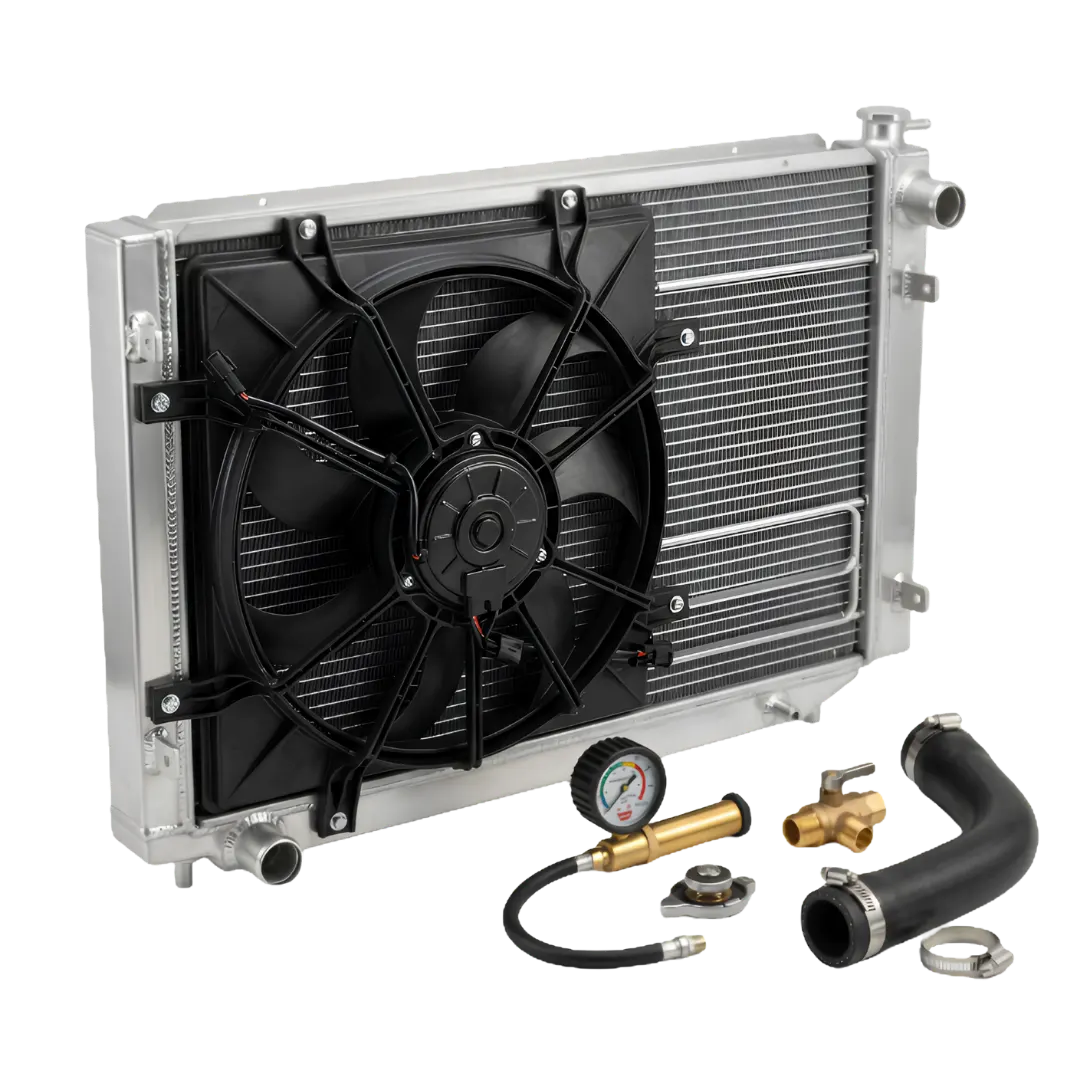 Radiator Repair18
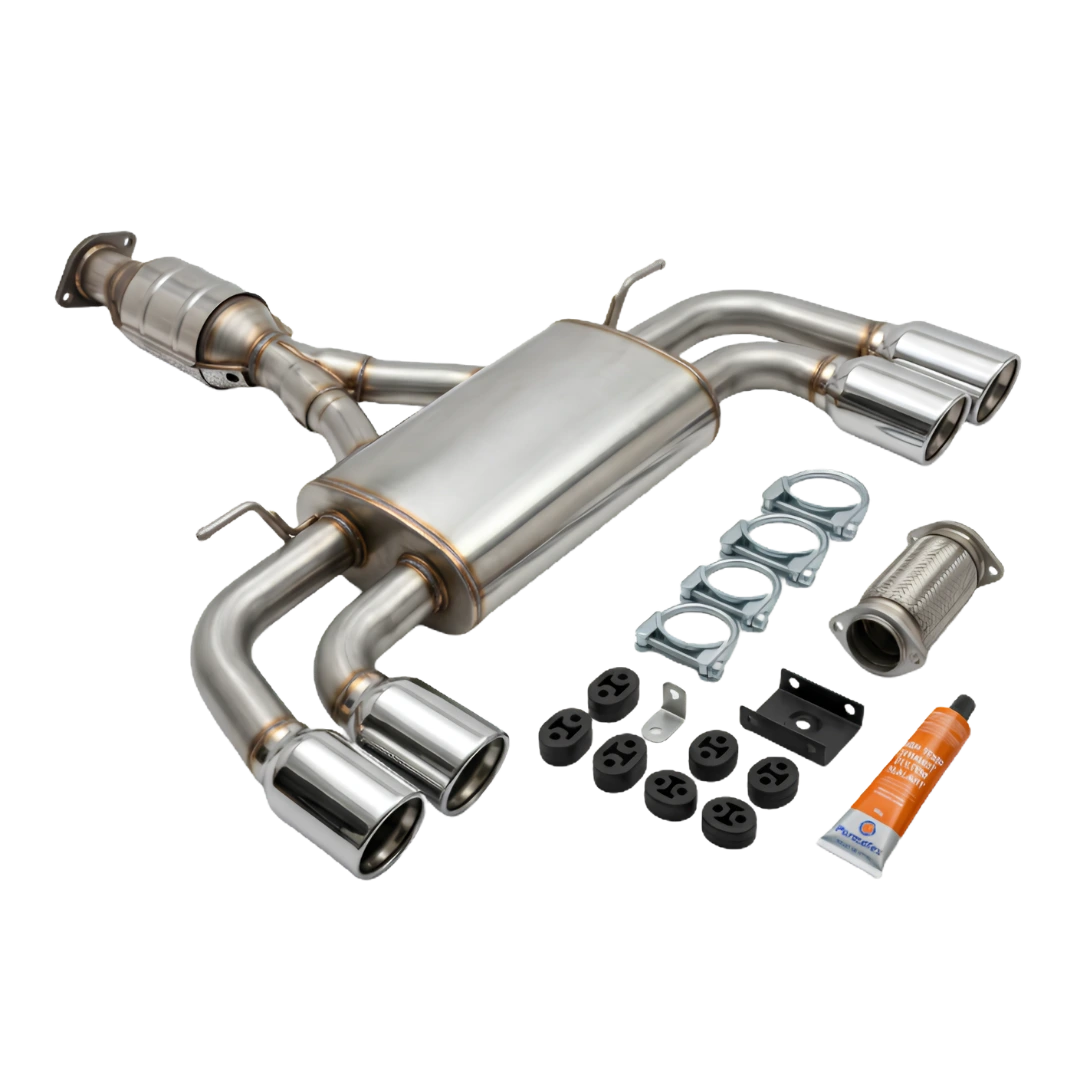 Exhaust Repair19
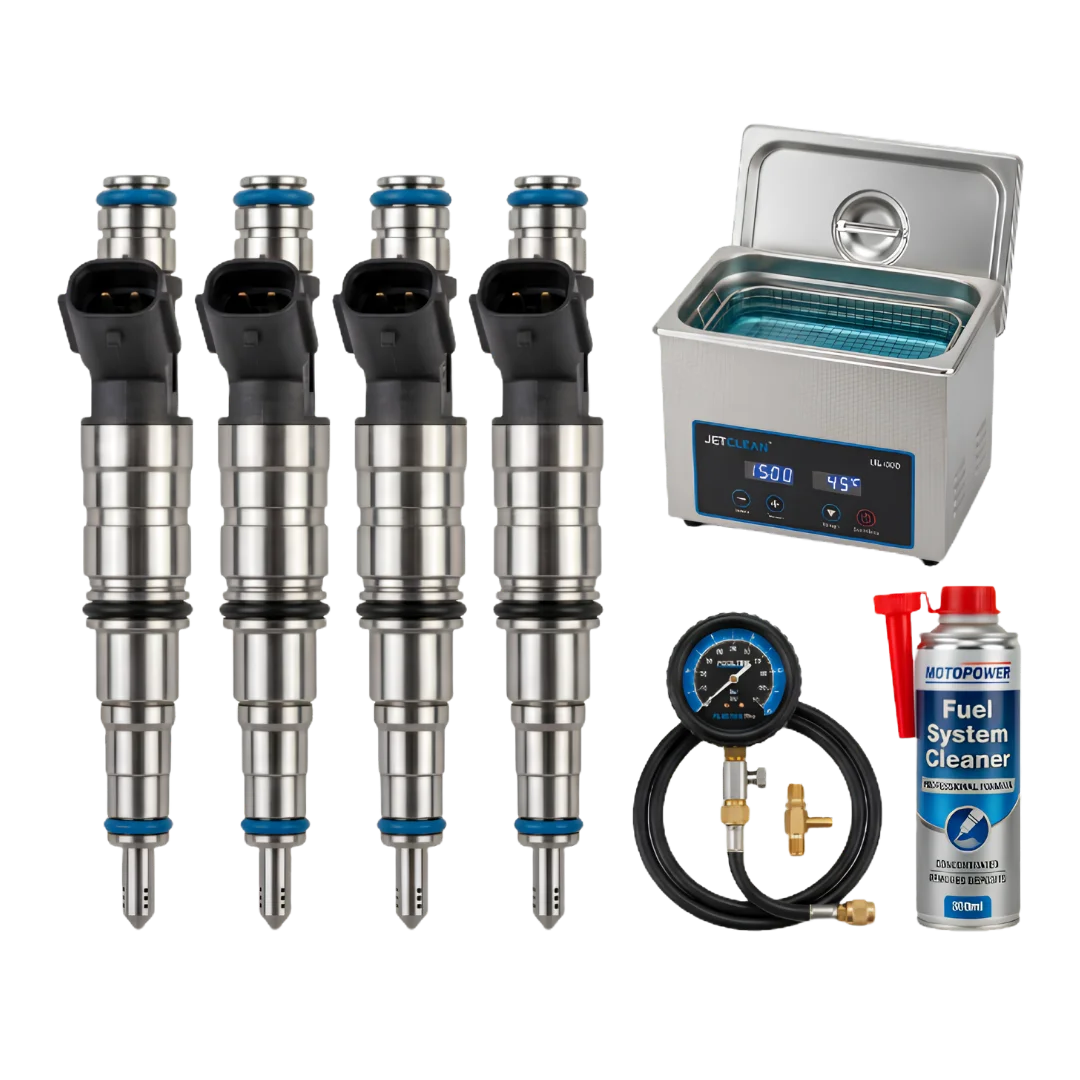 Injector Cleaning20
 Car Wash21
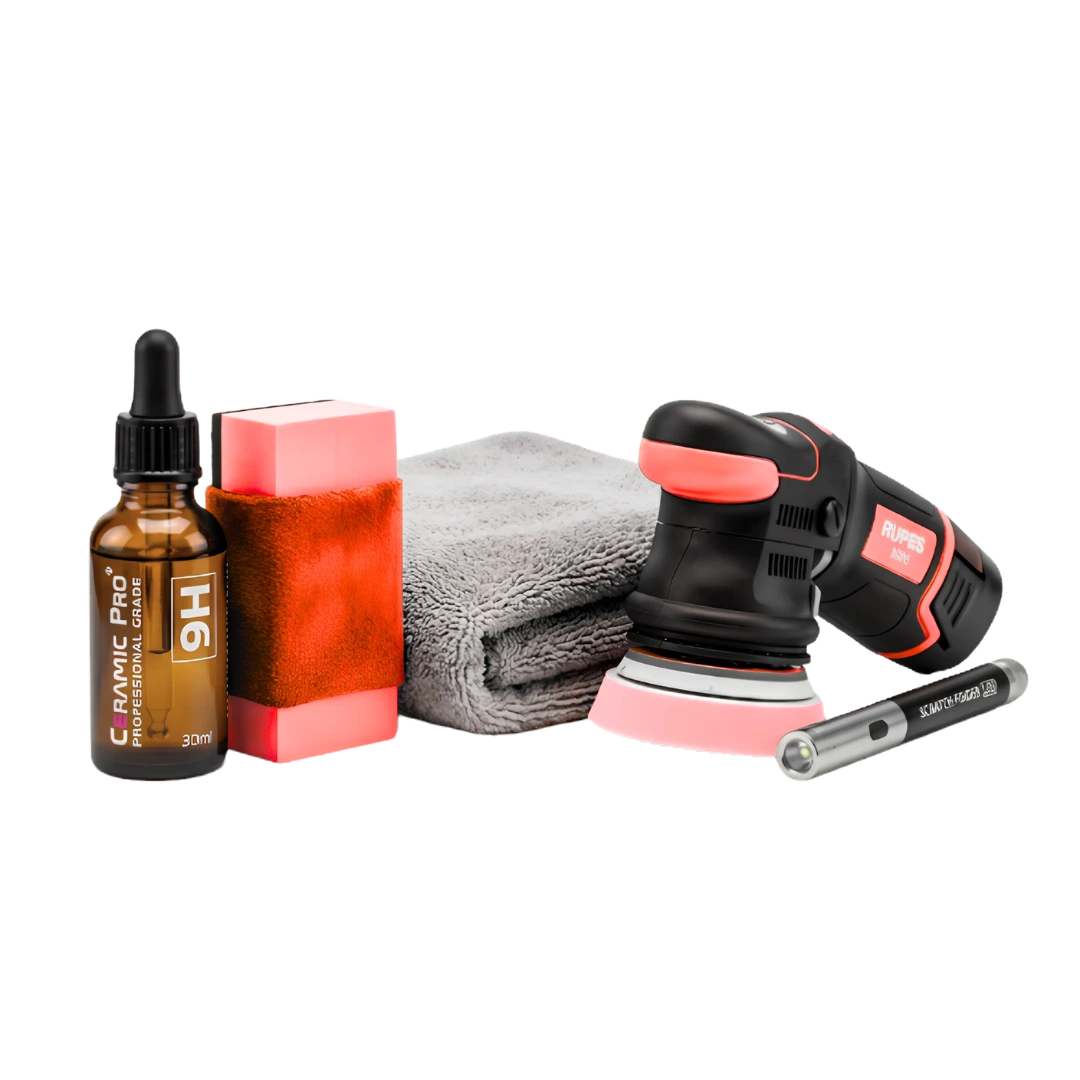 Ceramic Coating Service22
 Upholstery Service23
 Car Tyre Change24
 Car Steering Repair
 Audi specialist service
Audi clutch replacement in Abu Dhabi happens under one roof at our Mussafah workshop. Zenfo Auto Services drops the gearbox, renews the clutch kit and dual mass flywheel together, replaces the concentric slave cylinder, then road tests the bite point before handover.
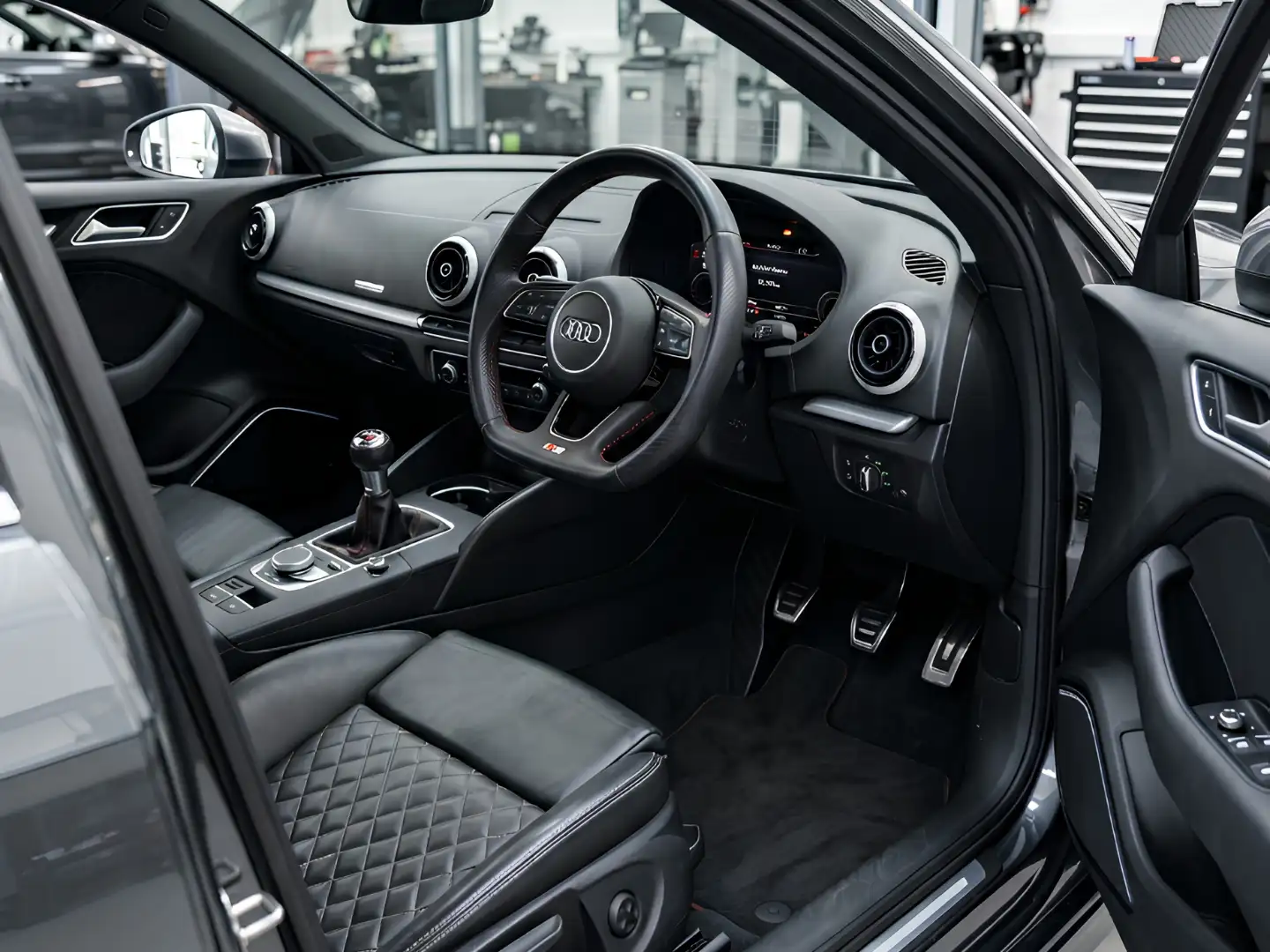
A clutch fails gradually, and the car tells you long before it strands you. These 8 complaints bring most manual and S tronic Audi models into our workshop.
Classic slip, felt first in fifth or sixth gear where torque multiplication is lowest and the disc has least grip to spare.
As the friction lining thins from its original 7 to 8 mm, the pressure plate diaphragm sits higher and engagement moves up the pedal travel.
Judder between 1,000 and 1,500 rpm usually points at fatigued dual mass flywheel springs rather than the disc itself.
Organic friction linings begin to glaze above roughly 350°C, and repeated crawling in traffic reaches that easily.
On cable-operated older models the fault is adjustment, while hydraulic models point at the master cylinder or a swollen flexible line.
A failed concentric slave cylinder inside the bellhousing loses pressure and often leaks fluid down the input shaft onto the disc.
Release bearing noise disappears the instant the pedal unloads it, which distinguishes it from dual mass flywheel rattle.
Incomplete disengagement, known as clutch drag, leaves the input shaft spinning while the synchro tries to match it.
One symptom means an inspection. Two together usually means the gearbox comes out.
Clutch work reaches 16 separate jobs here, because everything hidden behind the gearbox deserves attention while it is accessible.
A technician tests bite point height, slip under fourth gear load, and judder from standstill, then confirms whether the fault sits in the disc, the flywheel, or the hydraulics.
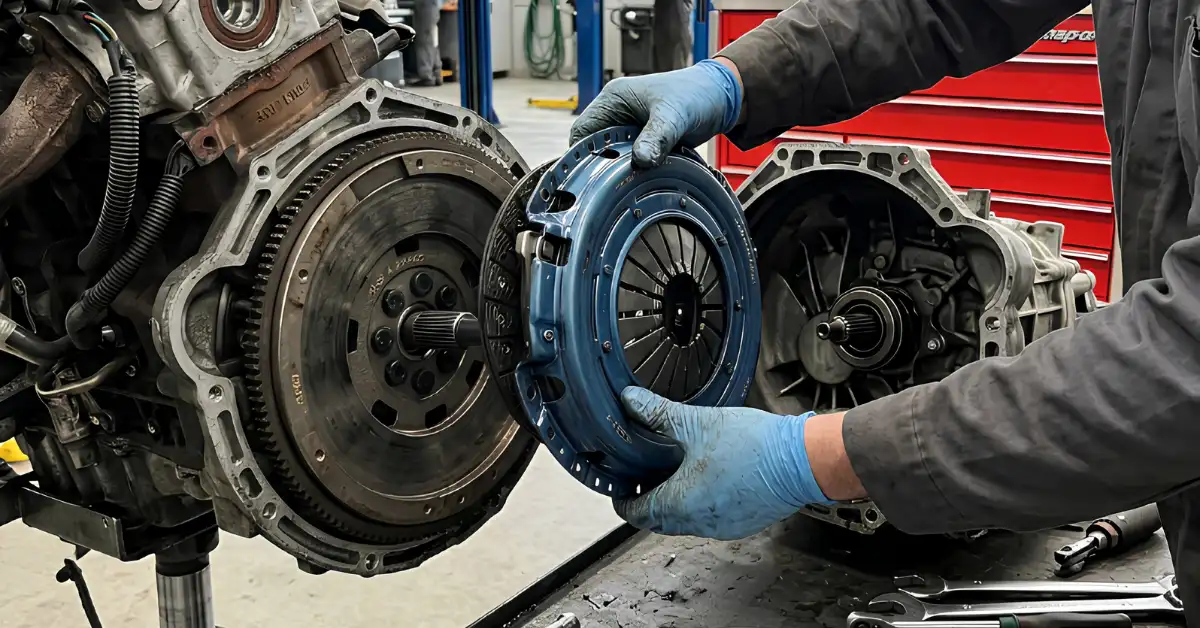
Friction disc, pressure plate, and release bearing go in as one matched set from LuK, Sachs, or Valeo, the same suppliers Audi uses on the production line.
The flywheel carries arc springs between two rotating masses. Once free play exceeds the manufacturer limit, usually measured in degrees of rotation, the unit is finished.
Single mass flywheels can be machined flat when scoring stays within thickness limits. Dual mass units are instead checked for rotational play, axial rock, and heat cracking.
Many transverse Audi gearboxes, including the widely fitted 02Q six-speed, mount the slave cylinder around the input shaft. Renewing it during clutch work avoids a second gearbox removal.
A pedal that sinks slowly under steady pressure indicates internal seal bypass. Replacement restores full travel and complete disengagement at the pressure plate fingers.
Audi clutch circuits share the brake reservoir and run DOT 4 specification fluid. Moisture content lowers the boiling point, which explains pedals that fade in heavy traffic.
Cable and lever-operated models wear the fork tips and pivot ball. Both are inspected and renewed while the gearbox sits on the transmission jack.
Oil weeping from the crankshaft seal soaks the friction lining and destroys a new disc within weeks. Sealing it now, with access already gained, prevents that entirely.
Gear oil escaping past this seal reaches the clutch face from the opposite side. Renewal is standard practice on every clutch job we complete.
Corroded splines prevent the disc from sliding freely, which causes drag and crunching into reverse. Cleaning and a light film of high-temperature grease restore free movement.
Dual clutch units carry two packs, running dry in the DQ200 or in fluid in the DQ250 and DL501. Replacement includes correct fluid, a new filter, and adaptation.
Basic settings are run through diagnostic software, so the mechatronic unit relearns clutch touch points and friction values. Skipping this leaves hesitation that owners blame on the parts.
Broken over-centre springs, worn pedal box bushes, and cracked mounting brackets create vague or trapped pedals that no clutch kit will ever cure.
Tuned cars running well beyond standard torque sometimes benefit from a lightweight conversion. We fit these kits and explain the idle rattle and drivetrain noise that follow.
Judder originates from flywheel wear, oil contamination, collapsed engine or gearbox mounts, or a distorted pressure plate. Each source is eliminated before parts are ordered.
Clutch jobs are judged months later, when the bite point either stays where it should or does not. Six details decide that outcome, and all six happen while the gearbox is off the car.
Rotational free play is measured in degrees against Audi's published limit for your unit, alongside axial rock at the secondary mass and blueing or heat cracking on the friction face. The recommendation to replace or retain arrives with those figures attached, not as an opinion.
The rear main seal is a PTFE design fitted completely dry with its plastic guide sleeve, never lubricated, since oiling that lip destroys it and puts crankshaft oil onto a new lining within weeks. The gearbox input shaft seal is renewed in the same operation.
Dual clutch models receive clutch touch point adaptation through diagnostic basic settings, so the mechatronic unit relearns engagement position and friction coefficients. DQ250 and DL501 units are refilled by weight and temperature window before that adaptation runs.
Flywheel bolts are torque-to-yield fasteners, tightened to a figure then a specified angle, so new bolts go in every time. Pressure plate bolts follow a diagonal sequence, the disc is centred with an alignment tool, and the gearbox locates on dowels rather than being pulled in on the bolts.
Clutch kit, flywheel, hydraulics, and labour carry a written guarantee covering both parts and workmanship, so slip, judder, or a dropping bite point after fitting returns to us instead of becoming your expense.
A clutch that has failed completely leaves the car immobile, since the disc will not release and gear selection becomes impossible. Our recovery reaches homes, offices, and roadsides throughout Abu Dhabi without adding to the invoice.
Clutch wear happens during the seconds when the disc is slipping, and city driving here is built almost entirely from those seconds.
Every metre covered at walking pace on Airport Road happens with the disc partly engaged and generating heat.
Ambient heat above 45°C leaves organic linings and DOT 4 fluid working near their thermal limits before you even move.
Multi-storey exits combine a slipping disc with a loaded engine, the single most damaging combination for friction material.
Grit passing the bellhousing vent accelerates wear on input shaft splines and release bearing surfaces.
A Q5 or Q7 puts substantially more inertia through the same clamp load than an A3 with an identical gearbox.
Even light pressure partially unloads the pressure plate diaphragm, wearing lining and release bearing together.
Kilometres matter less than how those kilometres are driven. A clutch disc only wears while it is slipping, and slipping happens almost entirely below 20 km/h.
| Driving pattern | Realistic clutch life |
|---|---|
| Mostly highway, relaxed shifting | 120,000 – 150,000 km |
| Mixed city and highway use | 80,000 – 120,000 km |
| Daily heavy traffic commuting | 50,000 – 80,000 km |
| Towing, loaded SUVs, spirited driving | 40,000 – 60,000 km |
| Riding the pedal or launching hard | Below 40,000 km |
Friction linings leave the factory around 7 to 8 mm thick across most Audi applications and reach their service limit near 3 mm. An inspection places your car precisely on that scale.
Clutch work runs through 6 stages, and most cars are back with their owners inside two working days.
Slip is confirmed by loading the engine in a high gear and watching for rpm rise without acceleration, which separates a worn disc from a hydraulic fault.
Clutch kit, flywheel, slave cylinder, seals, and labour hours appear as separate lines. You approve the specific items rather than one combined figure.
The unit is supported on a transmission jack, driveshafts and linkages disconnected, and the bellhousing drawn straight off the dowels without loading the input shaft.
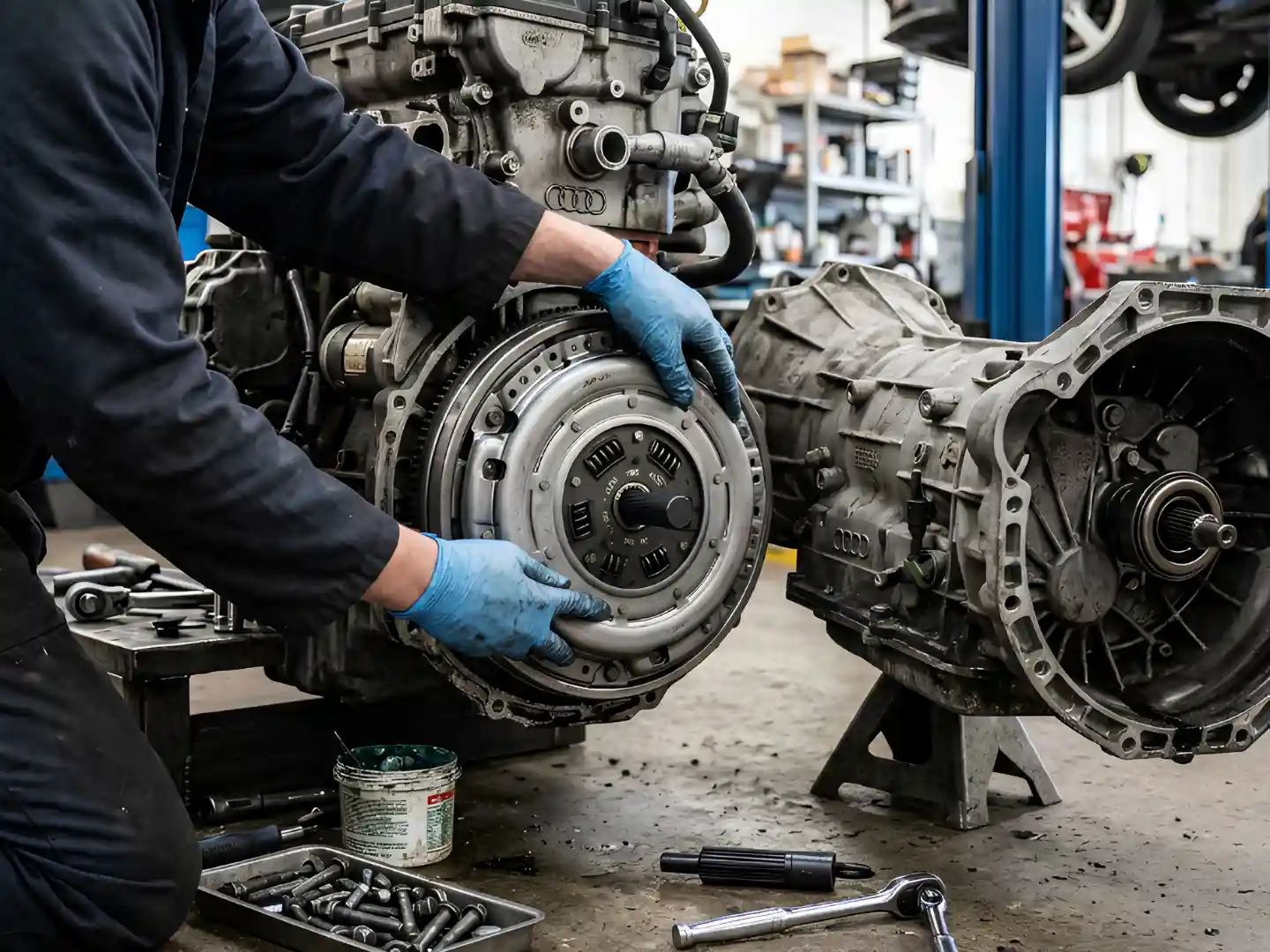
Pressure plate bolts are tightened in a diagonal sequence to Audi's torque figures, the disc centred with an alignment tool, and both shaft seals replaced while accessible.
The gearbox relocates on its dowels, the hydraulic circuit is pressure bled until pedal travel firms, and fluid is topped to the reservoir mark.
Bite point height, clean engagement across all gears, and freedom from judder at 1,200 rpm are confirmed on the road before your Audi is released.
Clutch life sits mostly in the driver's left foot.
Partial pressure spins the release bearing continuously and reduces clamp load on the disc.
Holding a car still on a slipping clutch generates more heat than any other single habit.
Sitting in gear with the pedal down keeps the release bearing loaded for no benefit.
Pulling away in second where conditions allow reduces the slip time first gear demands.
One aggressive start can remove more lining than an hour of ordinary driving.
A weeping crankshaft or input shaft seal contaminates the lining, and contaminated discs cannot be cleaned.
Audi fits a dual mass flywheel to almost every modern model. Two rotating masses sit connected by arc springs in a grease-packed chamber, absorbing the torsional pulses that modern high-compression engines produce, particularly the 2.0 TDI.
Those springs fatigue and the grease degrades with heat cycling. Measured free play grows, axial rock appears at the secondary mass, and heat cracking shows on the friction face. Audi publishes wear limits for each unit, and a flywheel that has completed one clutch life is usually outside them.
Bolting a fresh disc onto that surface produces shudders from the first week of driving. The new lining grips a hardened, distorted face and transmits every combustion pulse straight into the cabin floor.
Because gearbox removal is required for either component, replacing both together saves the entire labour operation a second time. That labour typically runs 5 to 8 hours on transverse models and longer on longitudinal quattro cars, which is why refusing the flywheel to save money usually costs more inside a year.
Owners often use one word for two very different repairs, and the difference changes the method, the tooling, and the time involved.
Manual cars carry a single dry friction disc, commonly 228 mm or 240 mm in diameter depending on engine torque, clamped between flywheel and pressure plate. The job is mechanical from start to finish, and alignment tools centre the disc before the gearbox goes back.
S-tronic and DSG models carry two clutch packs inside the transmission. The DQ200 seven-speed runs dry clutches and suits lower torque engines, while the DQ250 six-speed and DL501 seven-speed run wet packs bathed in fluid and handle considerably more torque. Wet units need their fluid filled by weight and temperature, then a full adaptation run so the mechatronic unit relearns touch points.
Telling us whether your Audi has a manual gearbox or an S tronic unit, and which engine it carries, lets our advisor quote accurately on the first call.
Not sure if your clutch is worn or feels different? A short road test gives you a clear answer, along with a price for the kit, the flywheel, and the labour. Book Audi repair in Abu Dhabi online, or call Zenfo Auto Services and we will take it from there.
Transverse manual models occupy 5 to 8 labour hours, which usually means one to two working days. Longitudinal quattro cars and S tronic clutch packs take longer because more driveline components come apart.
The flywheel is measured against Audi's rotational play and axial rock limits, not assumed. Units still inside specification can be retained, though most that have completed one clutch life fall outside them.
Brief driving is possible, but slip generates heat that hardens and cracks the flywheel friction face. What starts as a clutch kit becomes a clutch and flywheel job, often within a few hundred kilometres.
Judder after fitting normally traces to a retained flywheel, oil contamination on the lining, or collapsed engine and gearbox mounts. Each is checked before further parts are considered.
Both packs wear like any friction component. Dry DQ200 units are more sensitive to heavy traffic, while wet DQ250 and DL501 packs run cooler in fluid and typically last longer.
Upgraded kits suit engines producing torque beyond the original clamp load. On a standard Audi, an OE supplier kit from LuK, Sachs, or Valeo gives better pedal feel and quieter operation.
Soft pedals originate in the hydraulic circuit rather than the clutch. Master cylinder seal bypass, a swollen flexible line, air in the system, or moisture-laden DOT 4 fluid explain nearly every case.
Expect 80,000 to 120,000 km from a correctly fitted kit in mixed driving. Daily traffic commuting reduces that considerably, while steady highway use regularly exceeds it.