
Exhaust System Diagnosis
We check live oxygen sensor data, fuel trims, and back pressure together. Exhaust faults on modern Audi models rarely show up as one clear symptom.
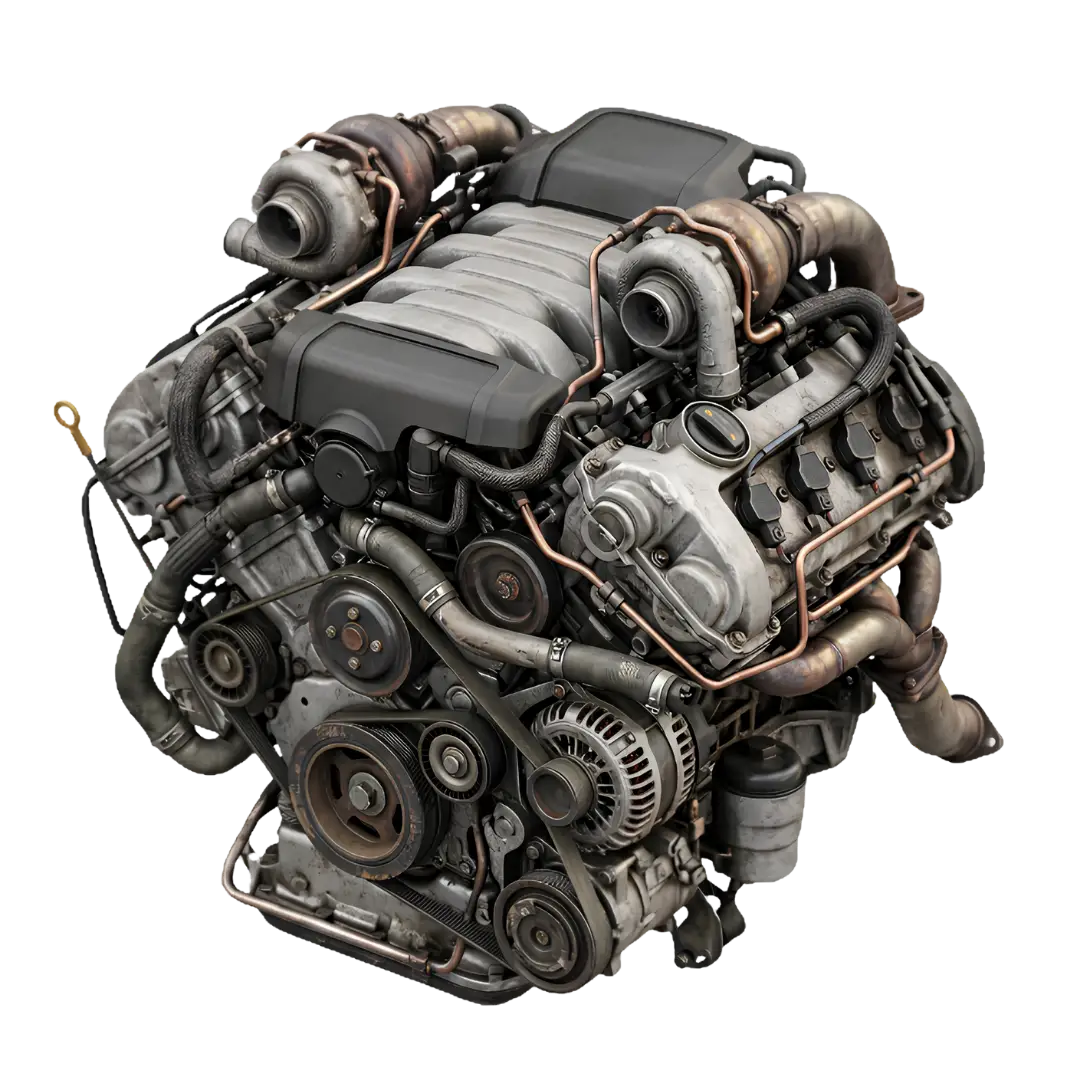 Engine Repair02
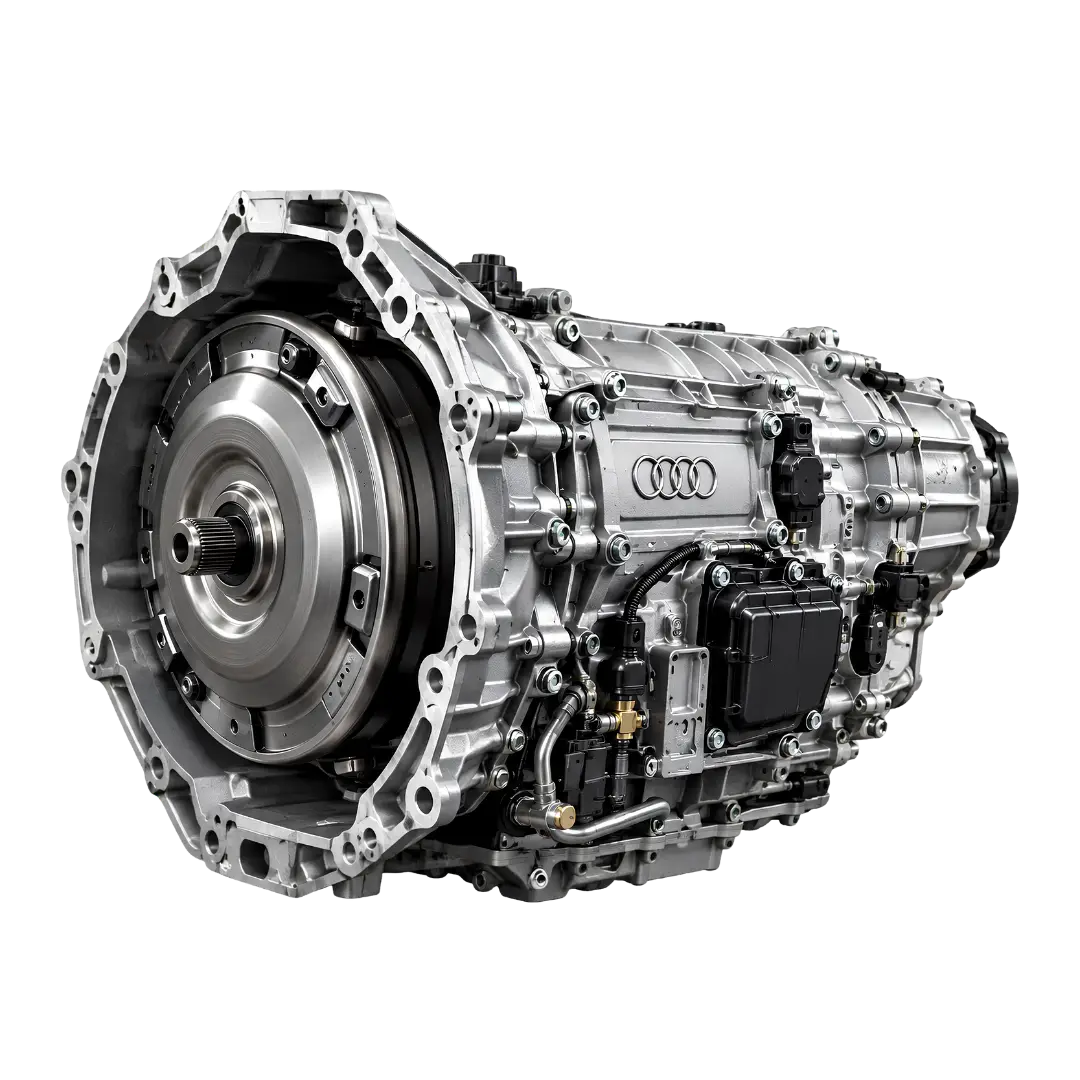 Transmission Repair03
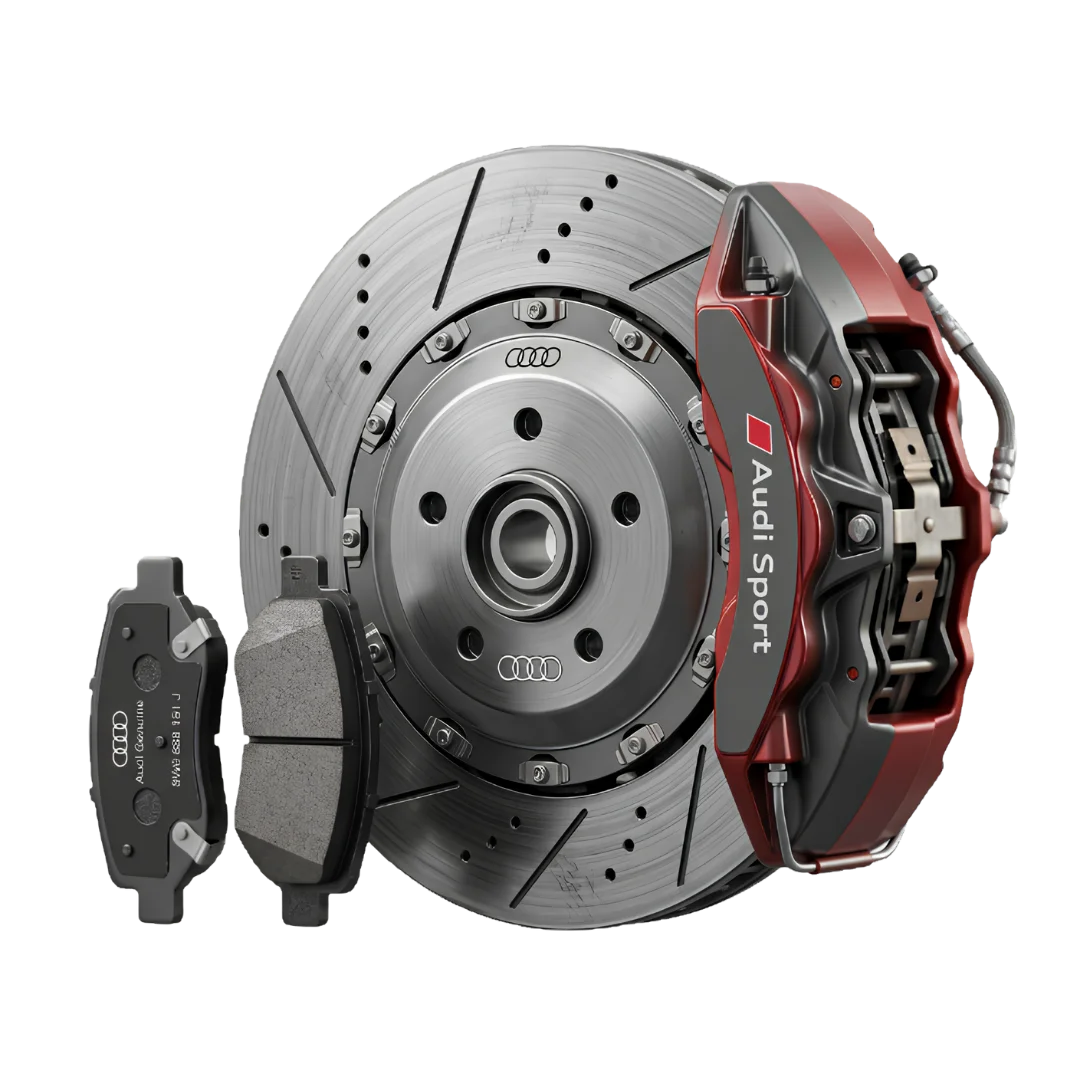 Brake Pads Replacement04
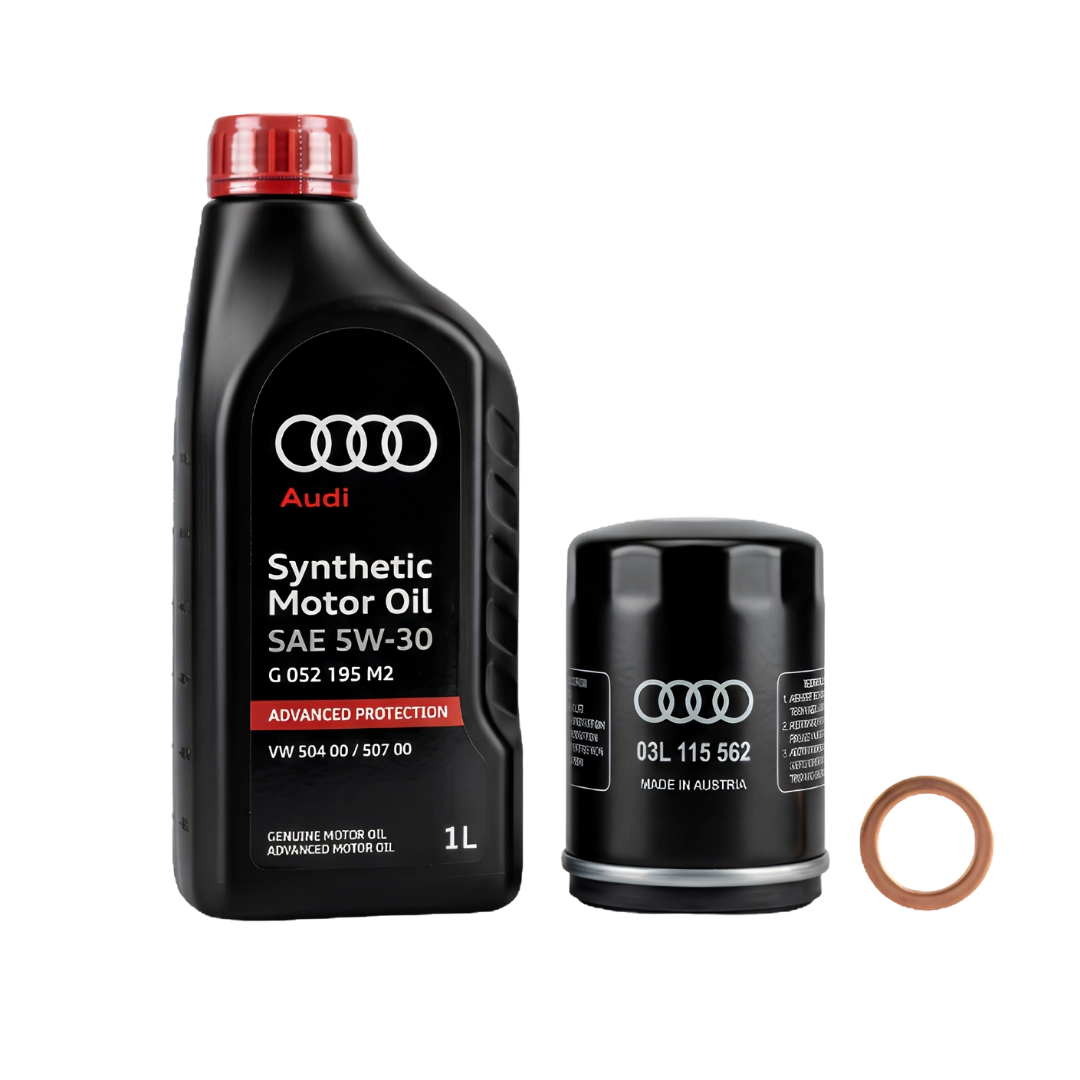 Oil Change05
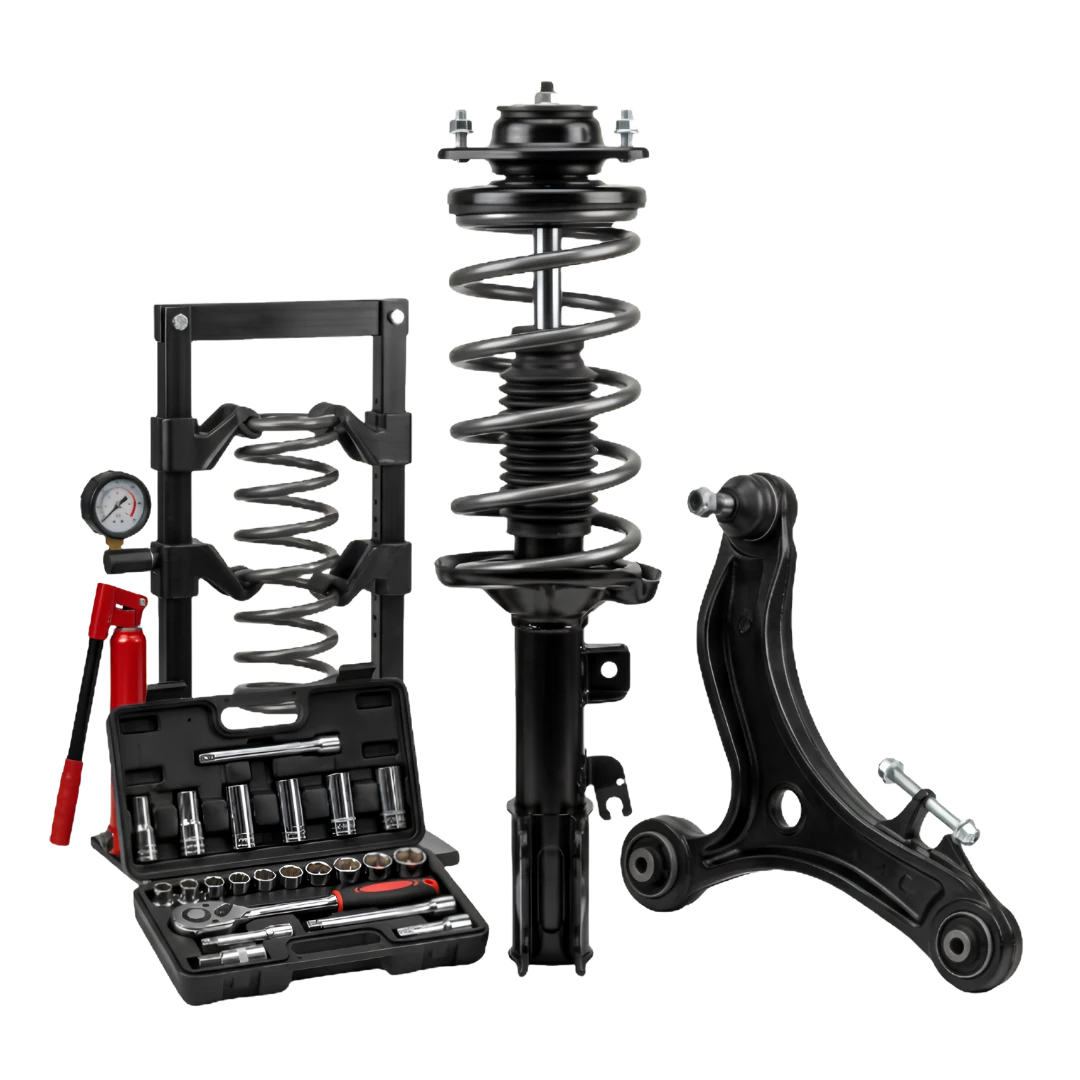 Suspension Repair06
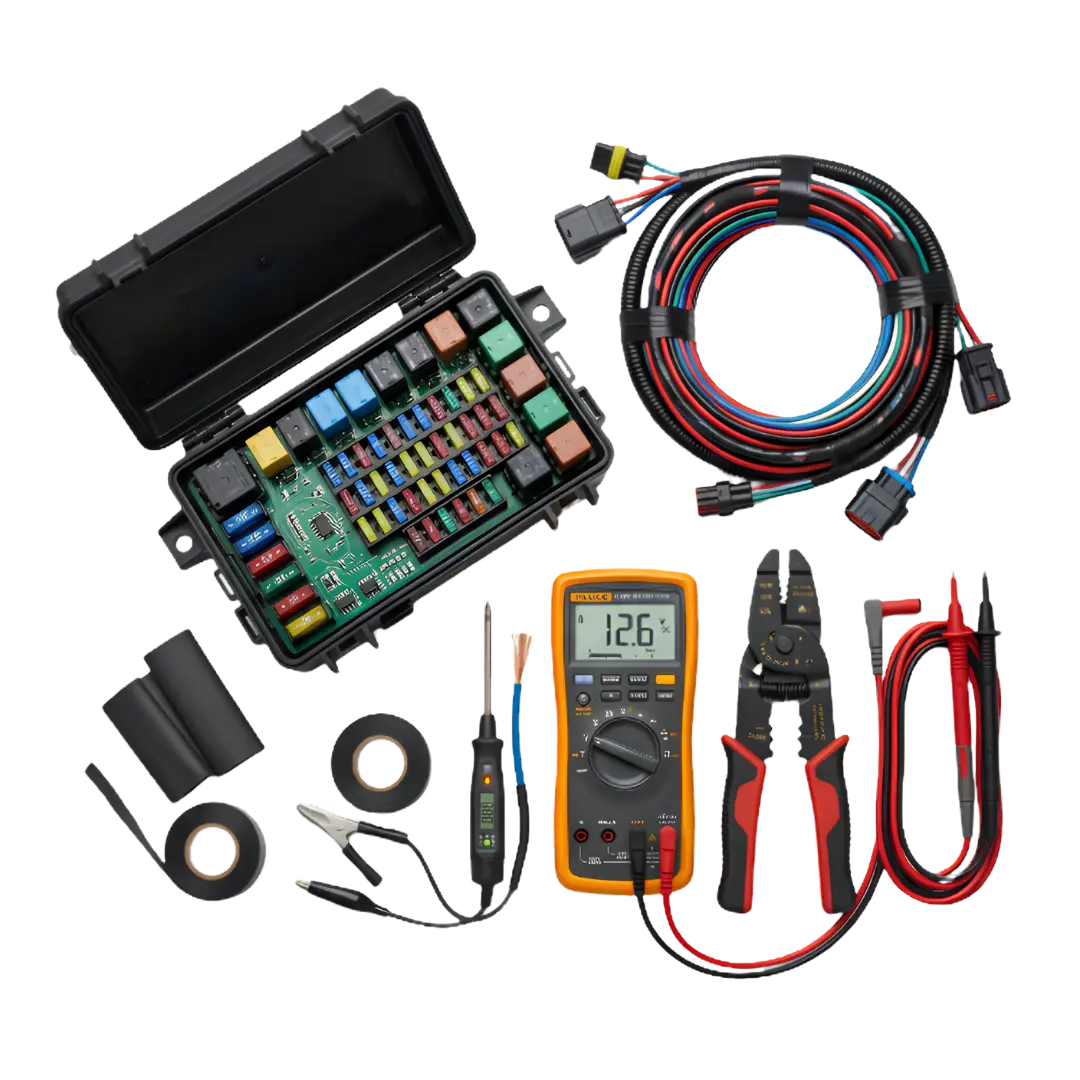 Car Electrical Repair07
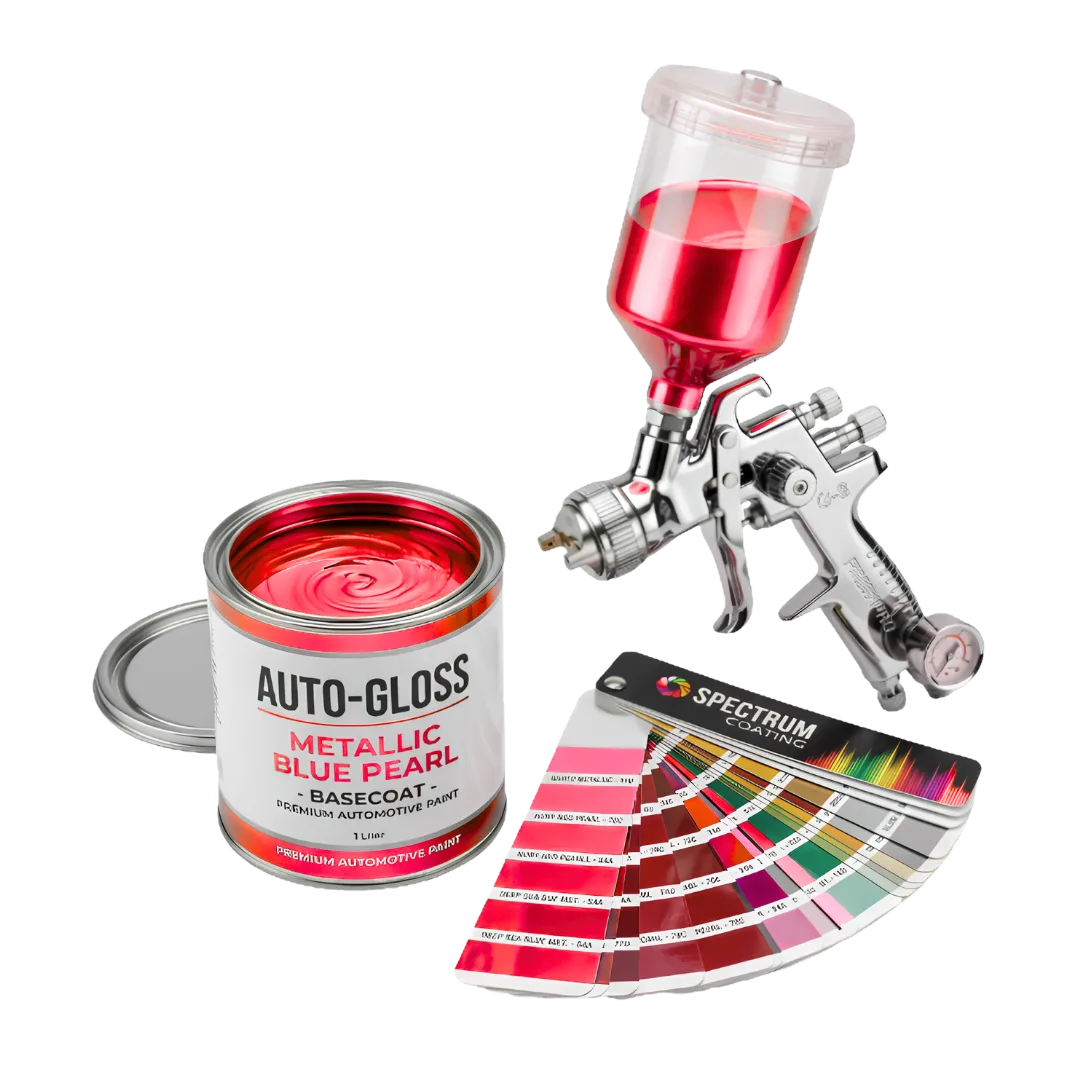 Body Paint08
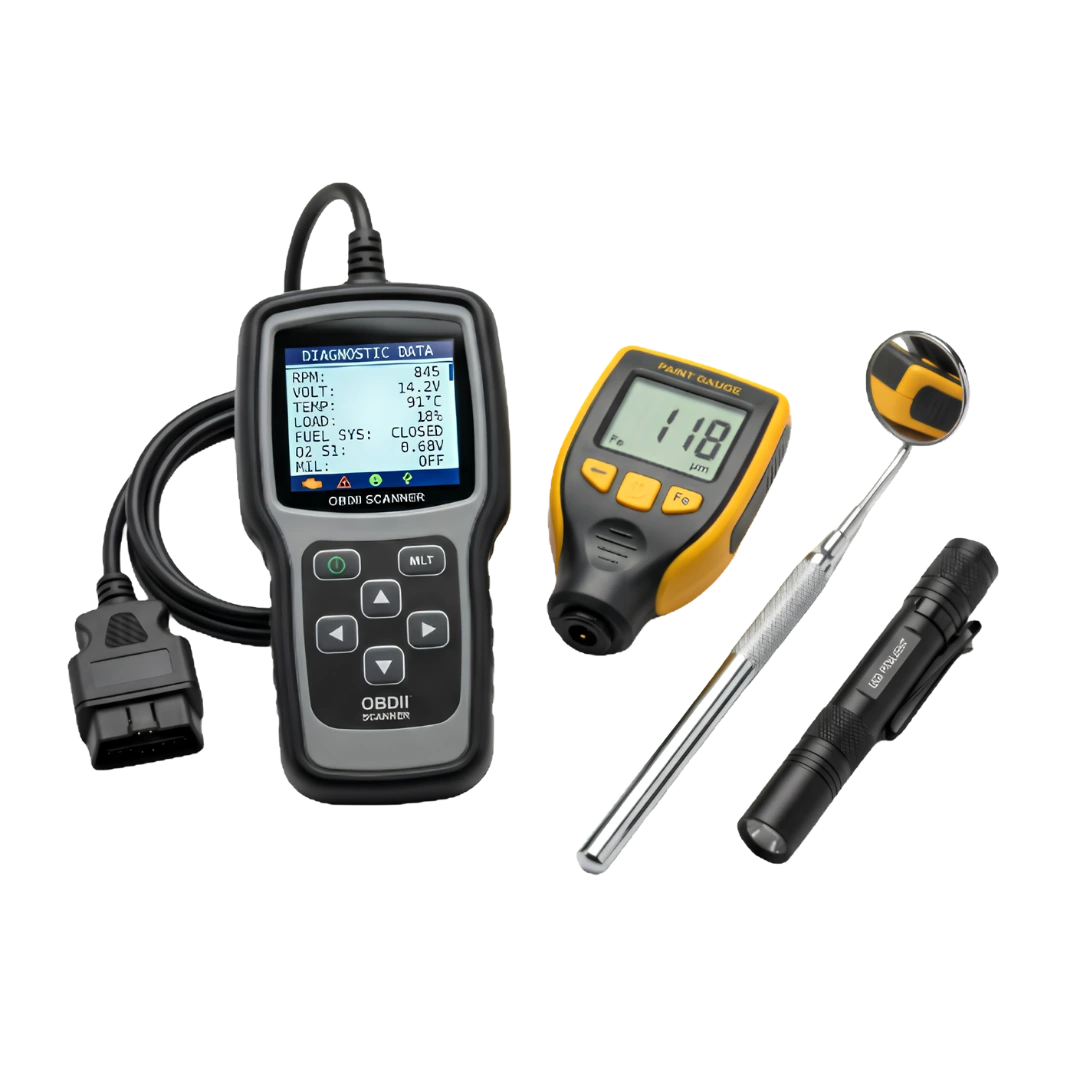 Pre Purchase Inspection09
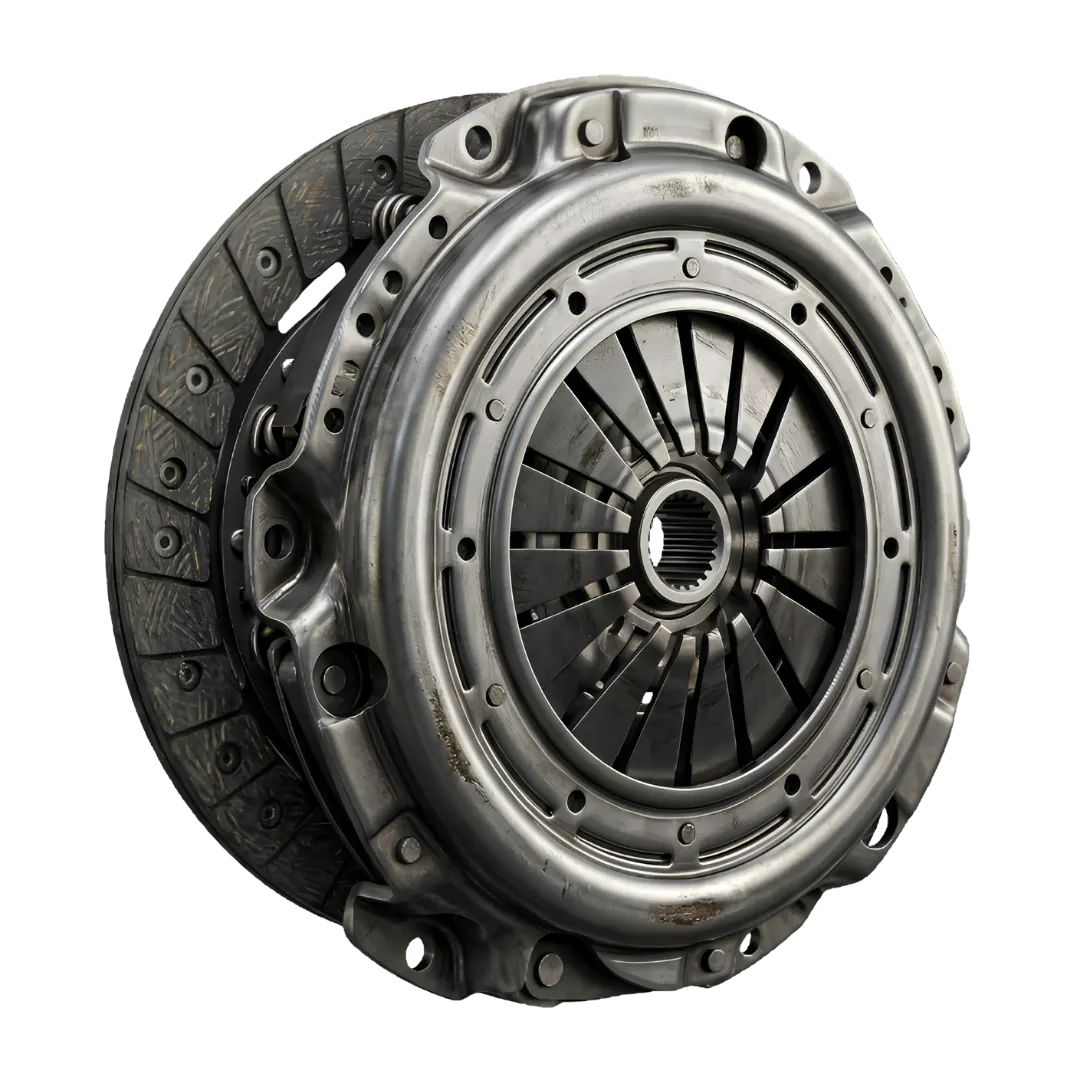 Clutch Replacement10
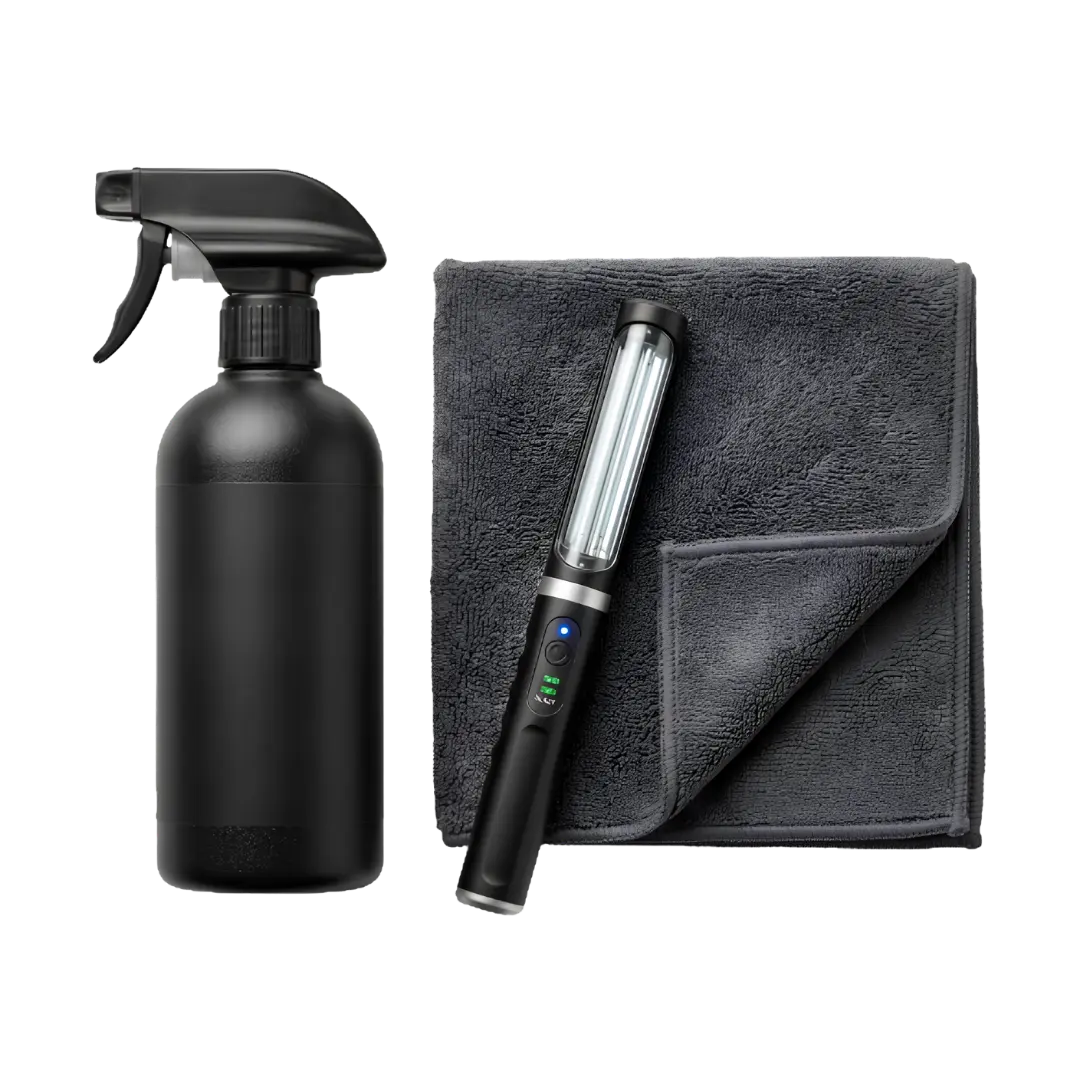 Sanitisation11
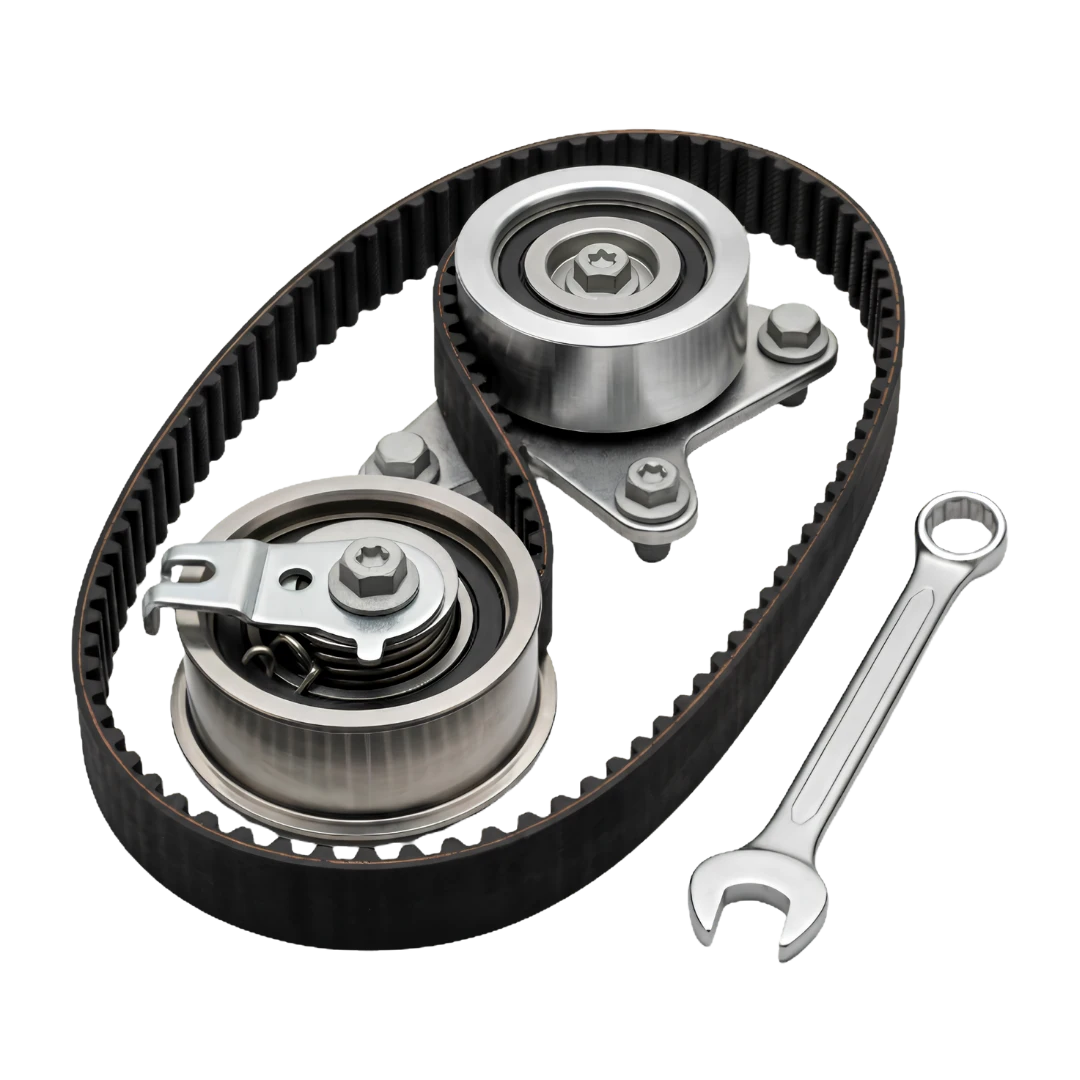 Timing Belt Replacement12
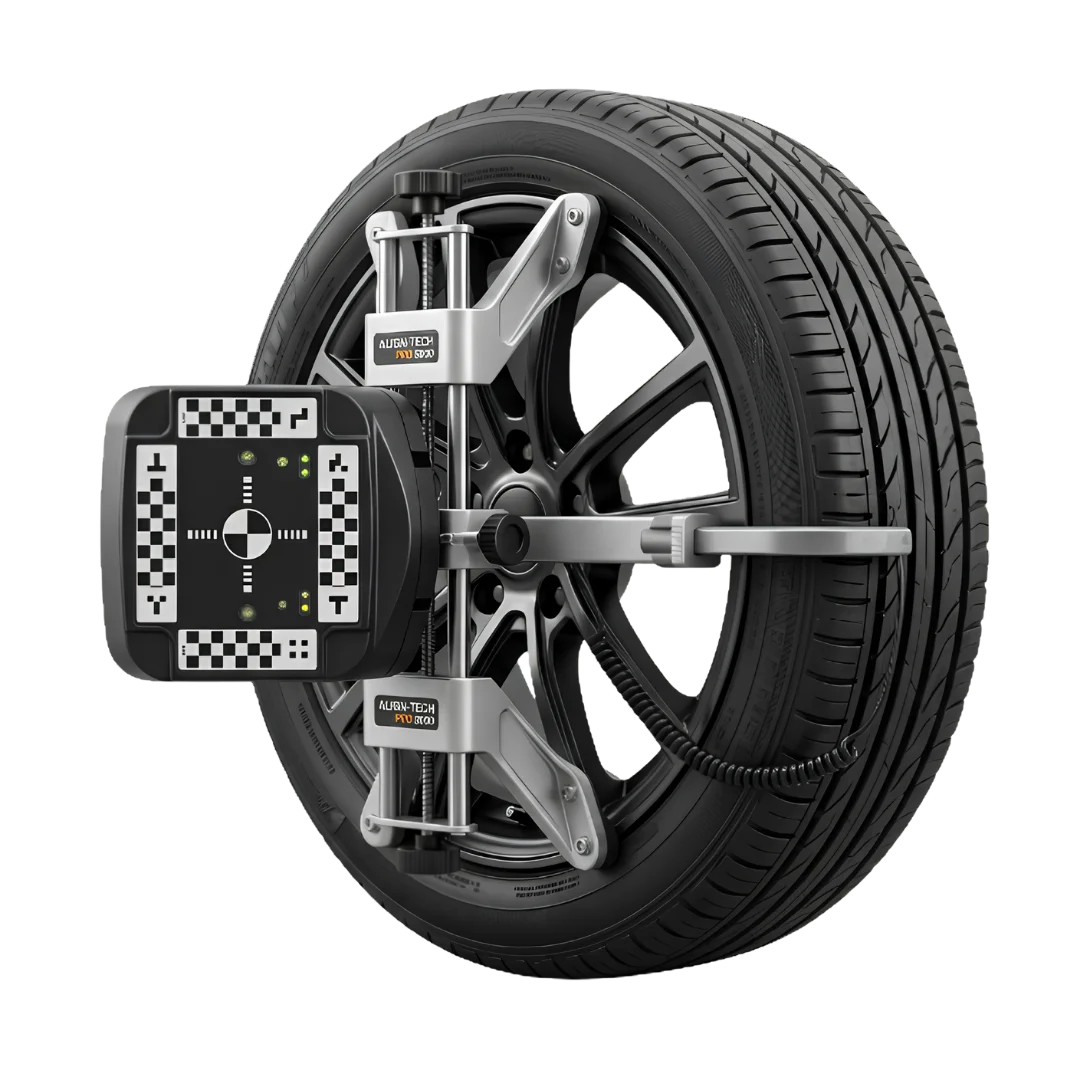 Wheel Alignment13
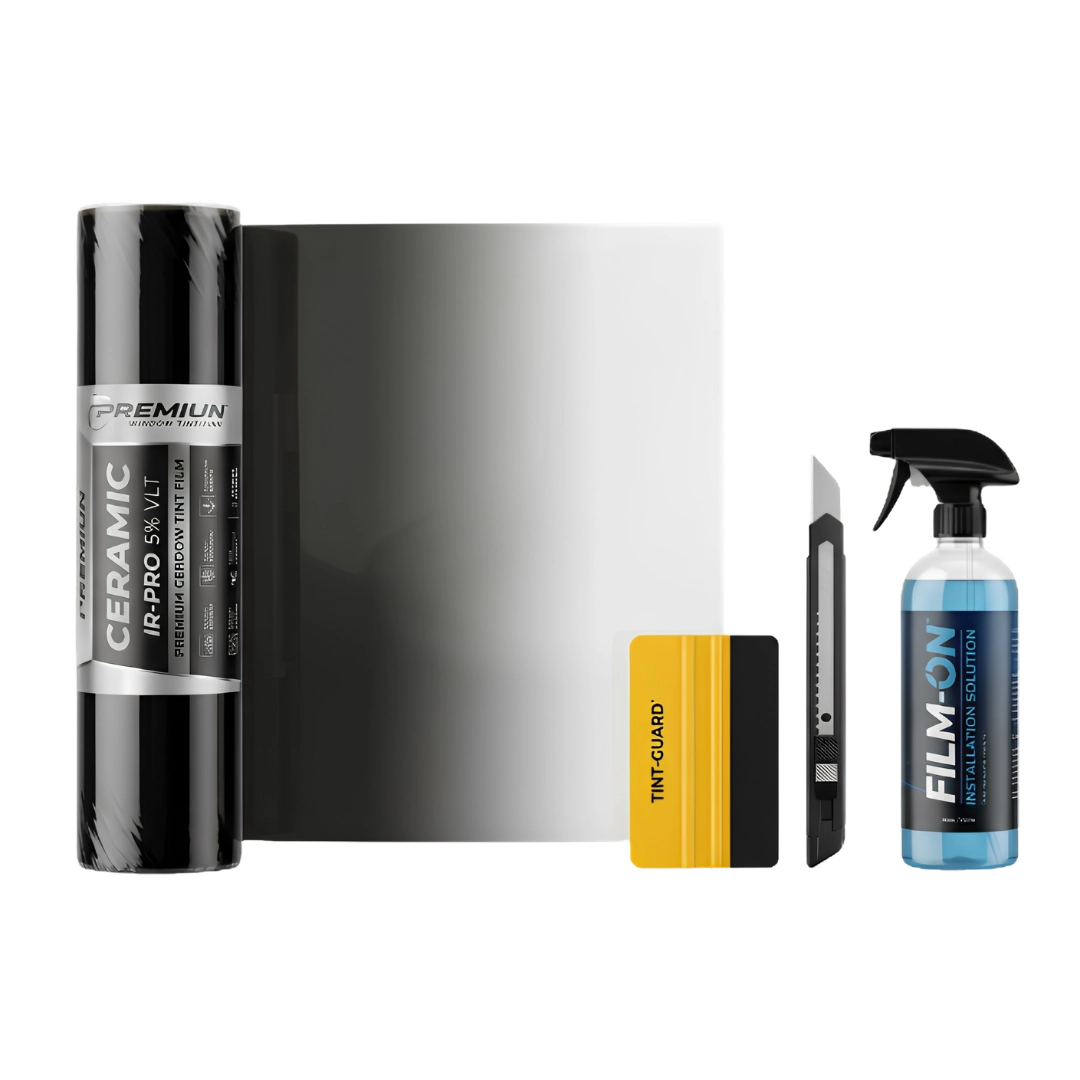 Window Tinting14
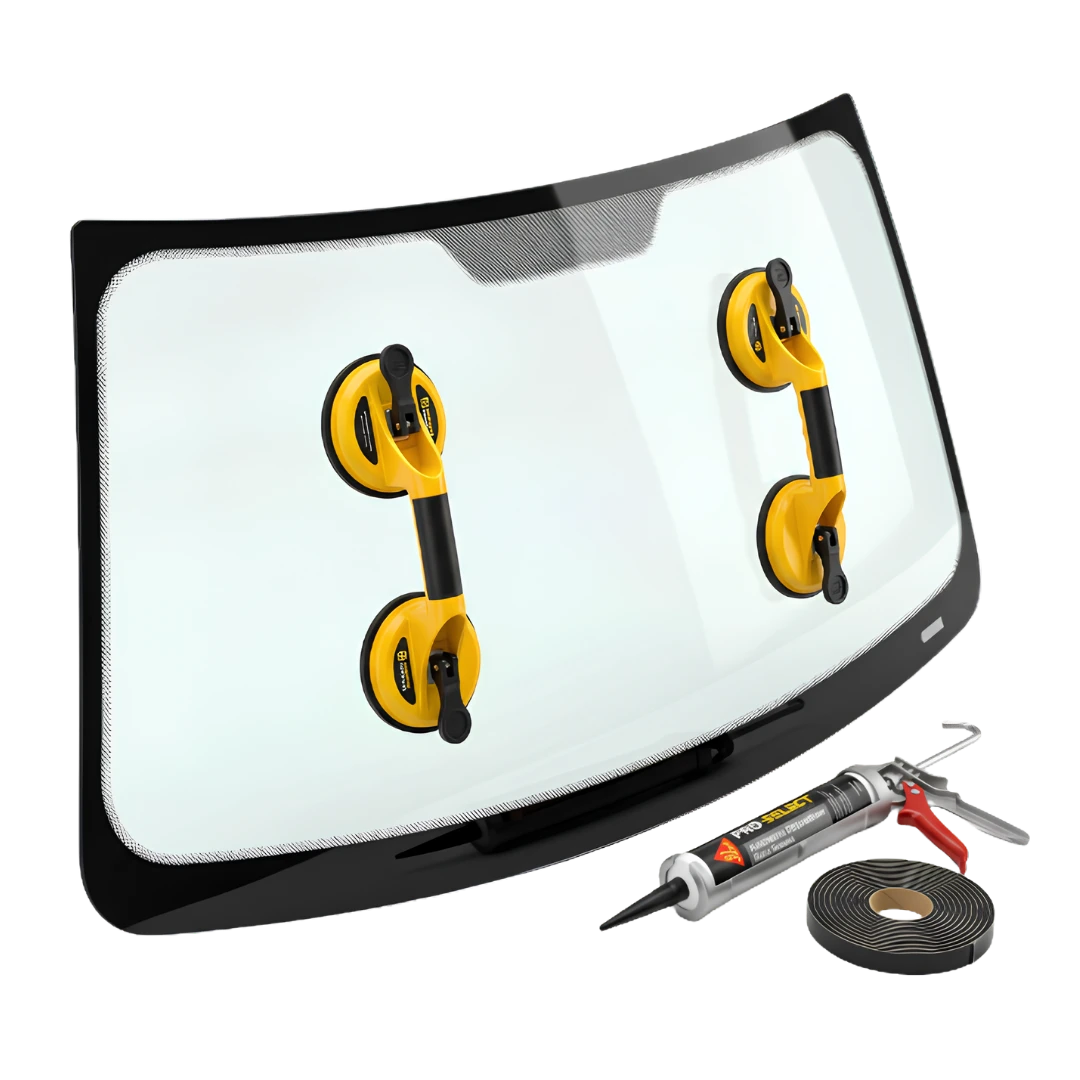 Windshield Replacement15
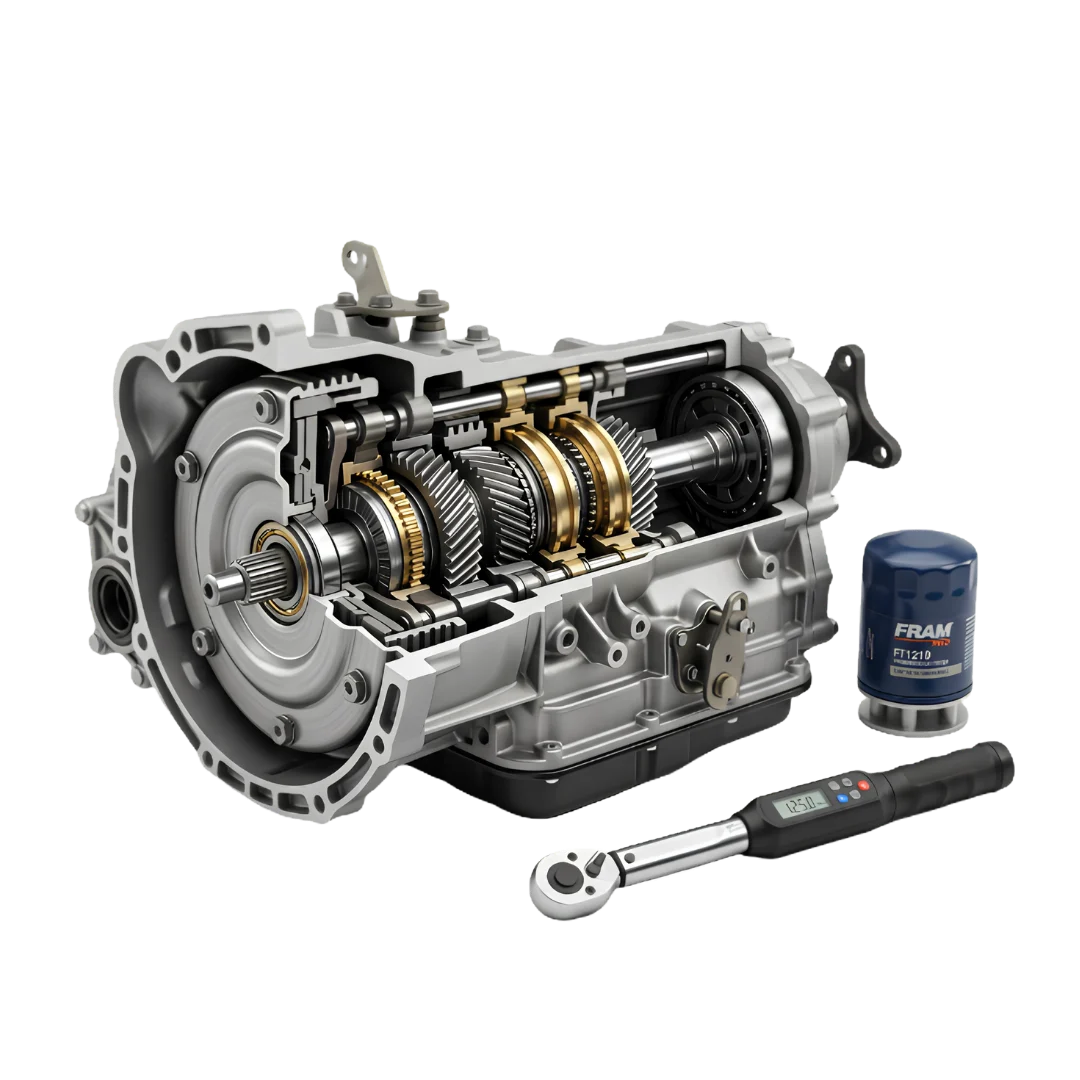 Gear Repair16
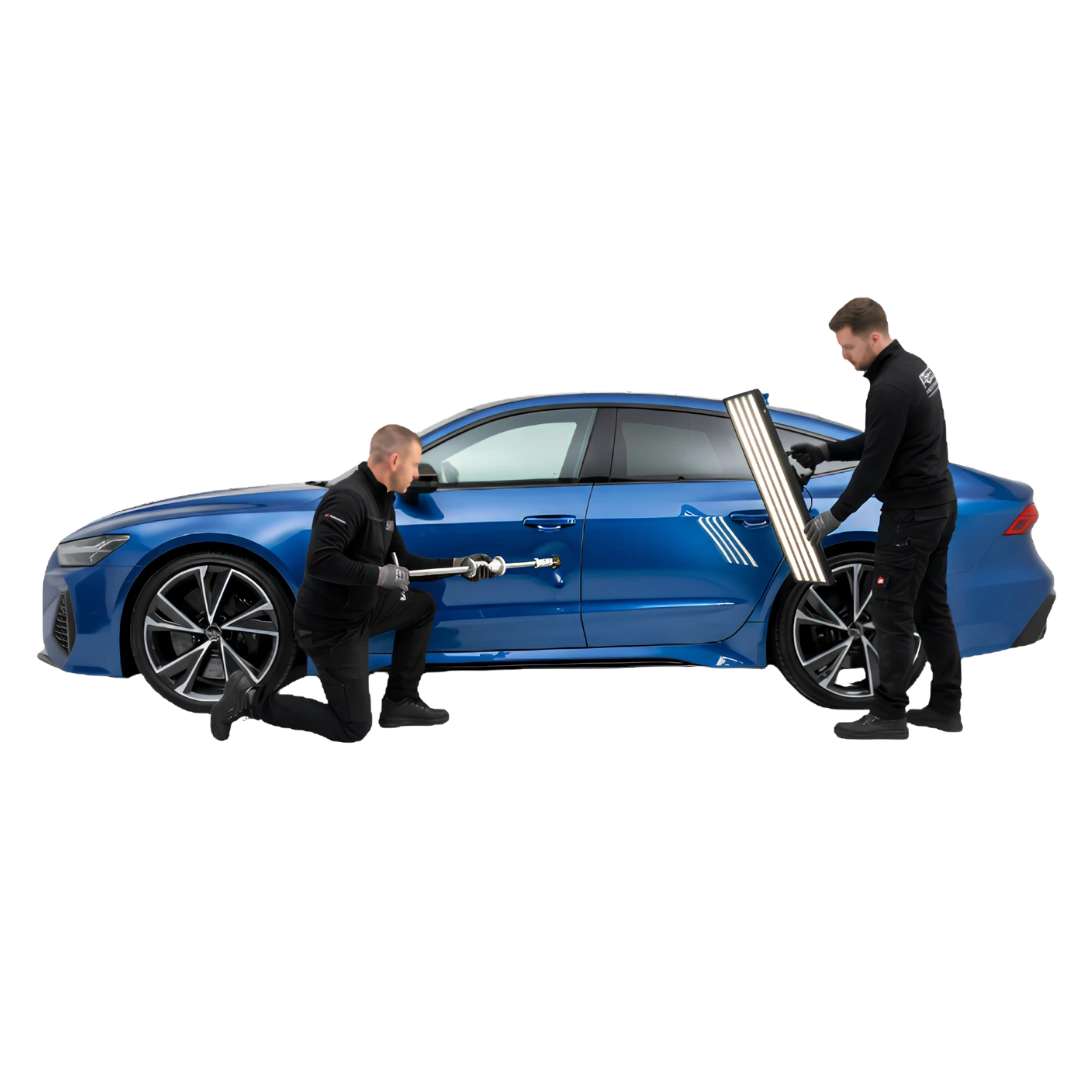 Body Shop17
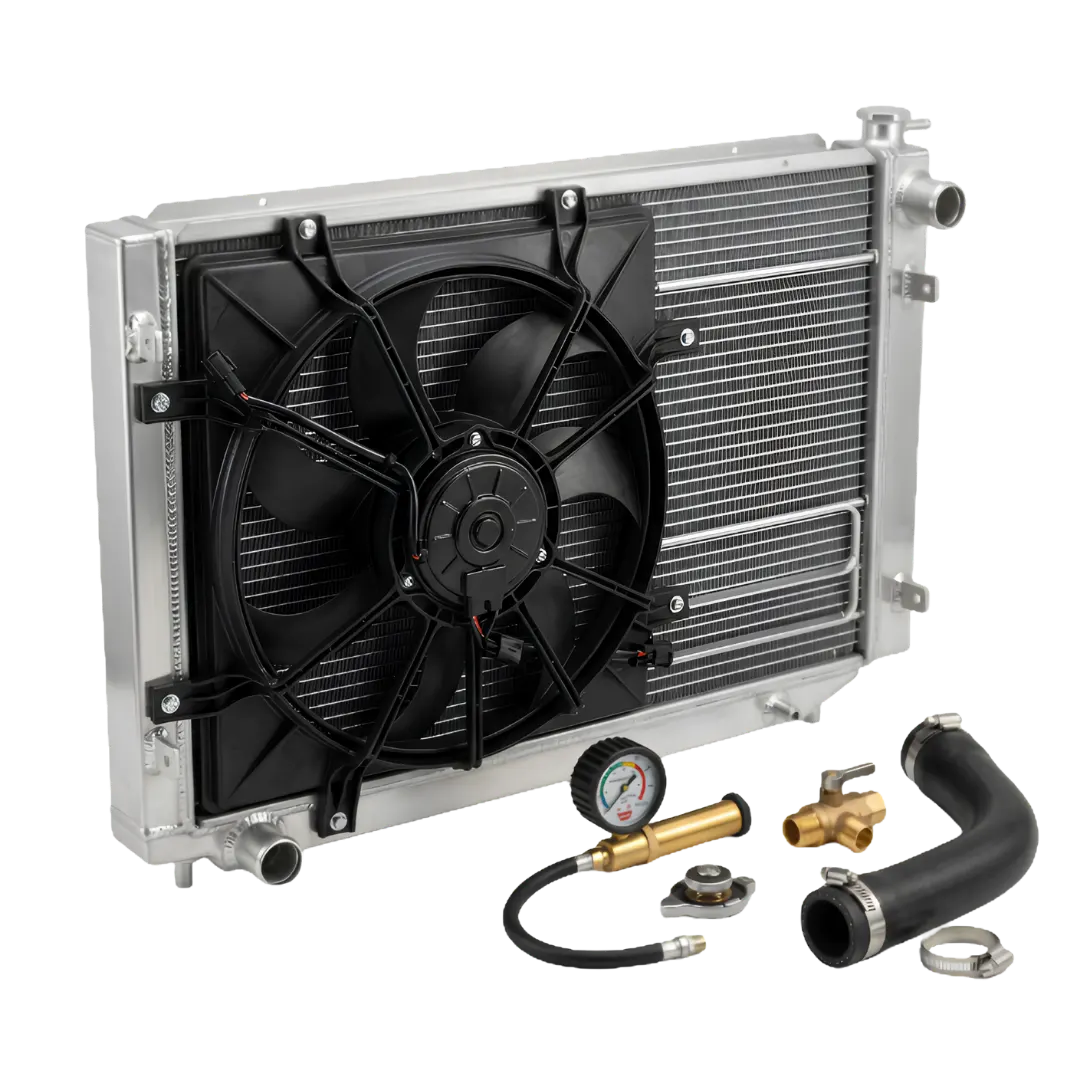 Radiator Repair18
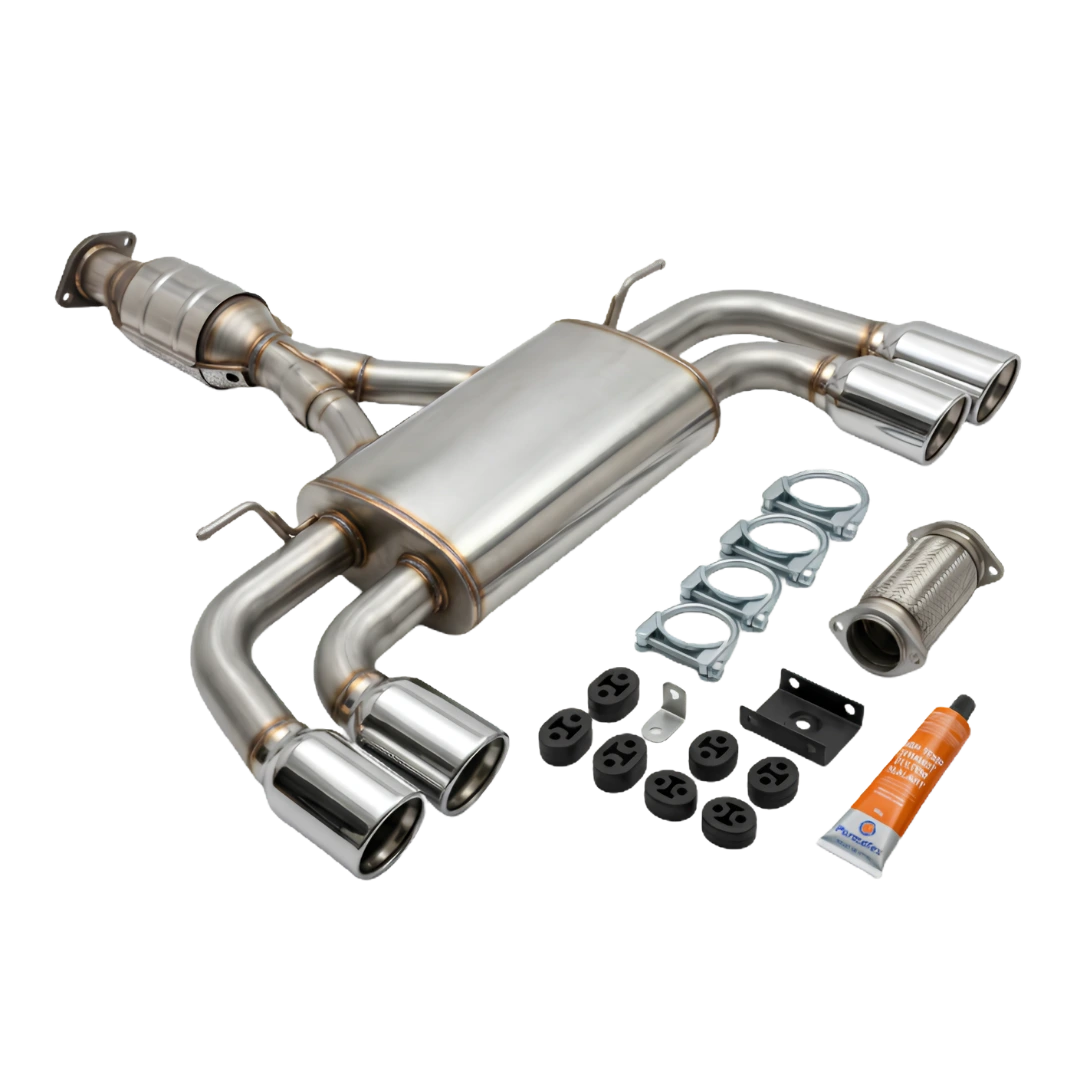 Exhaust Repair19
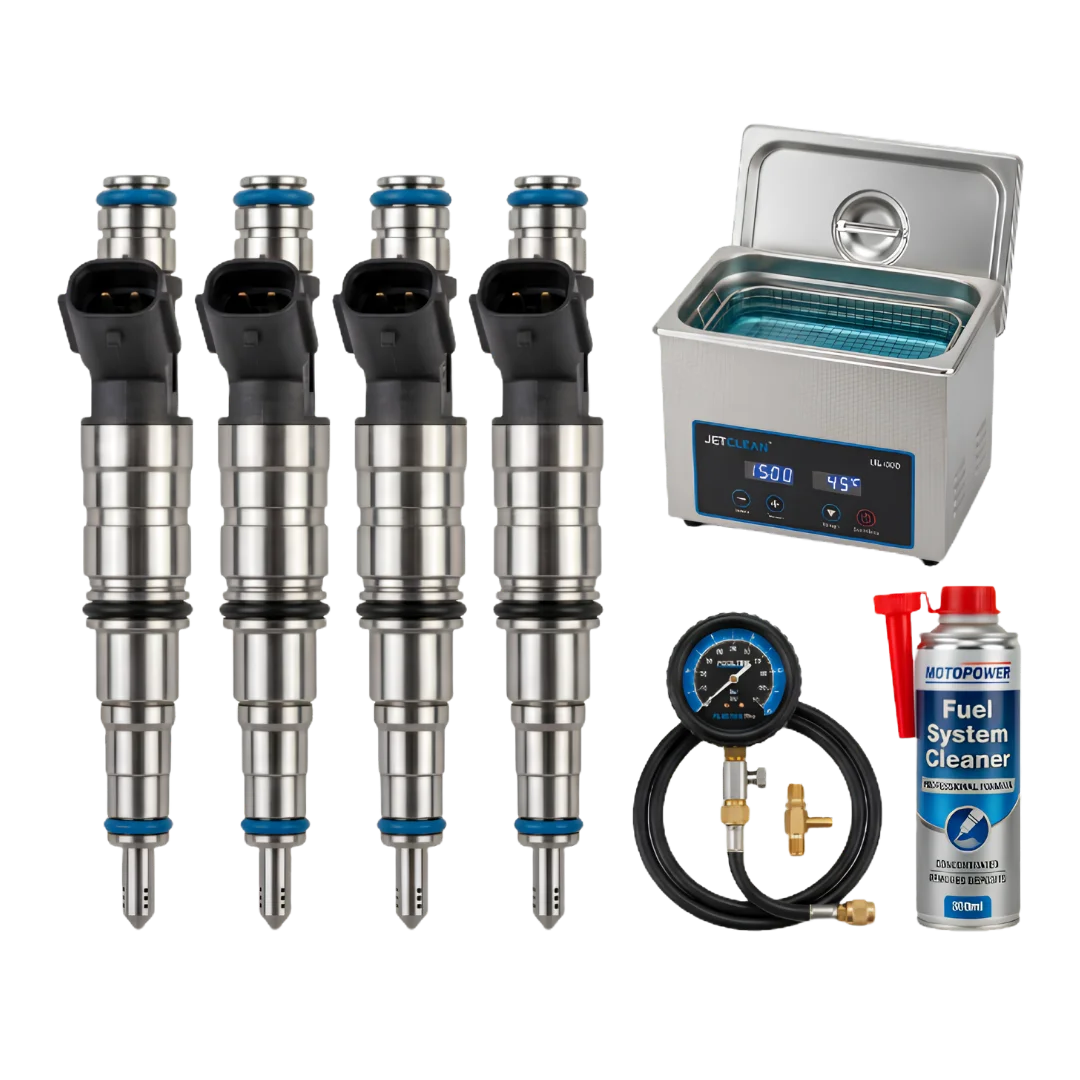 Injector Cleaning20
 Car Wash21
 Ceramic Coating Service22
 Upholstery Service23
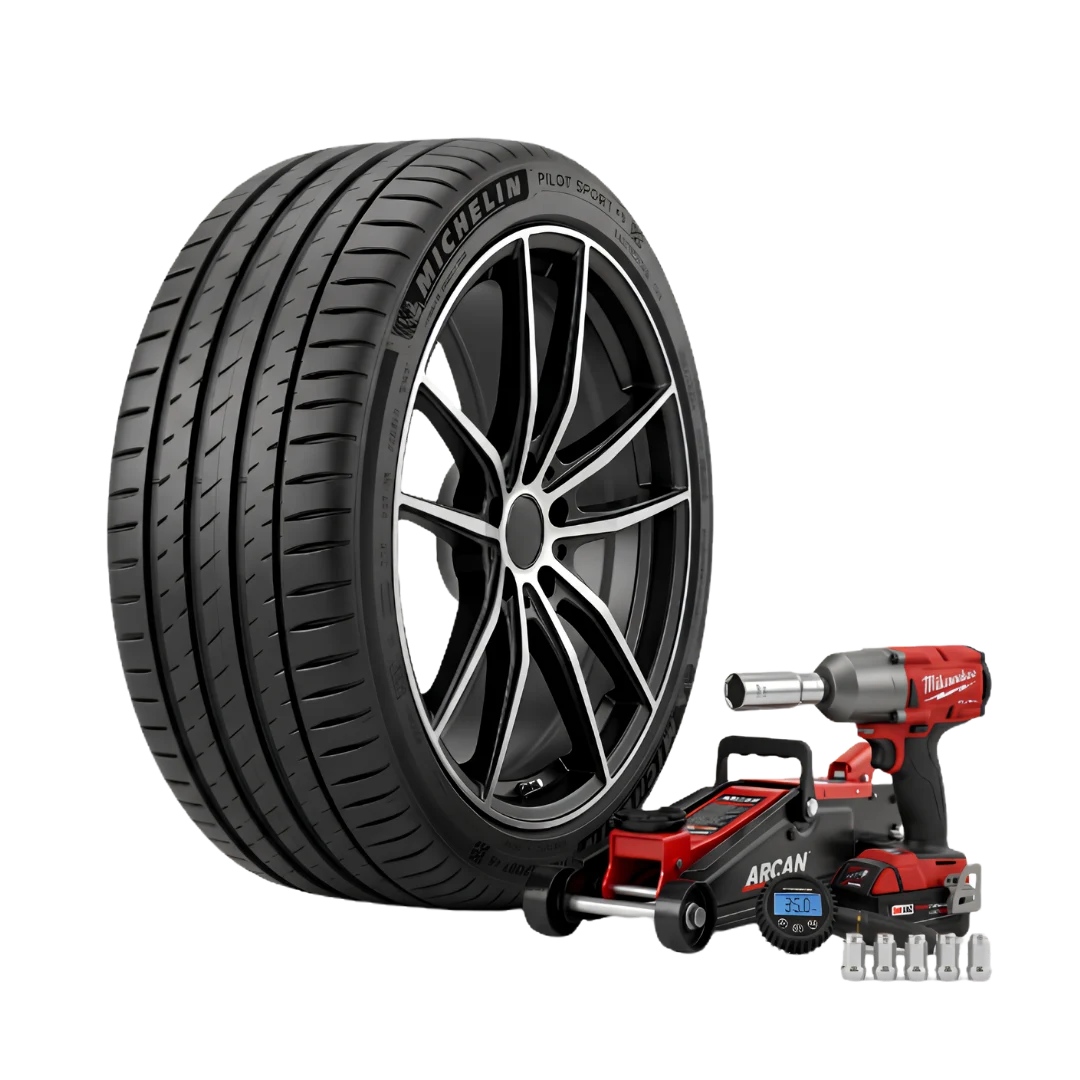 Car Tyre Change24
 Car Steering Repair
 Audi specialist service
Zenfo Auto Services repairs Audi exhaust systems in Abu Dhabi, from a cracked manifold to a blocked particulate filter, as part of our full range of Audi repairs in Abu Dhabi. We read live oxygen sensors and back pressure data before replacing a single part. Most exhaust faults on modern Audi models start as an emissions control problem, not a rusted pipe.
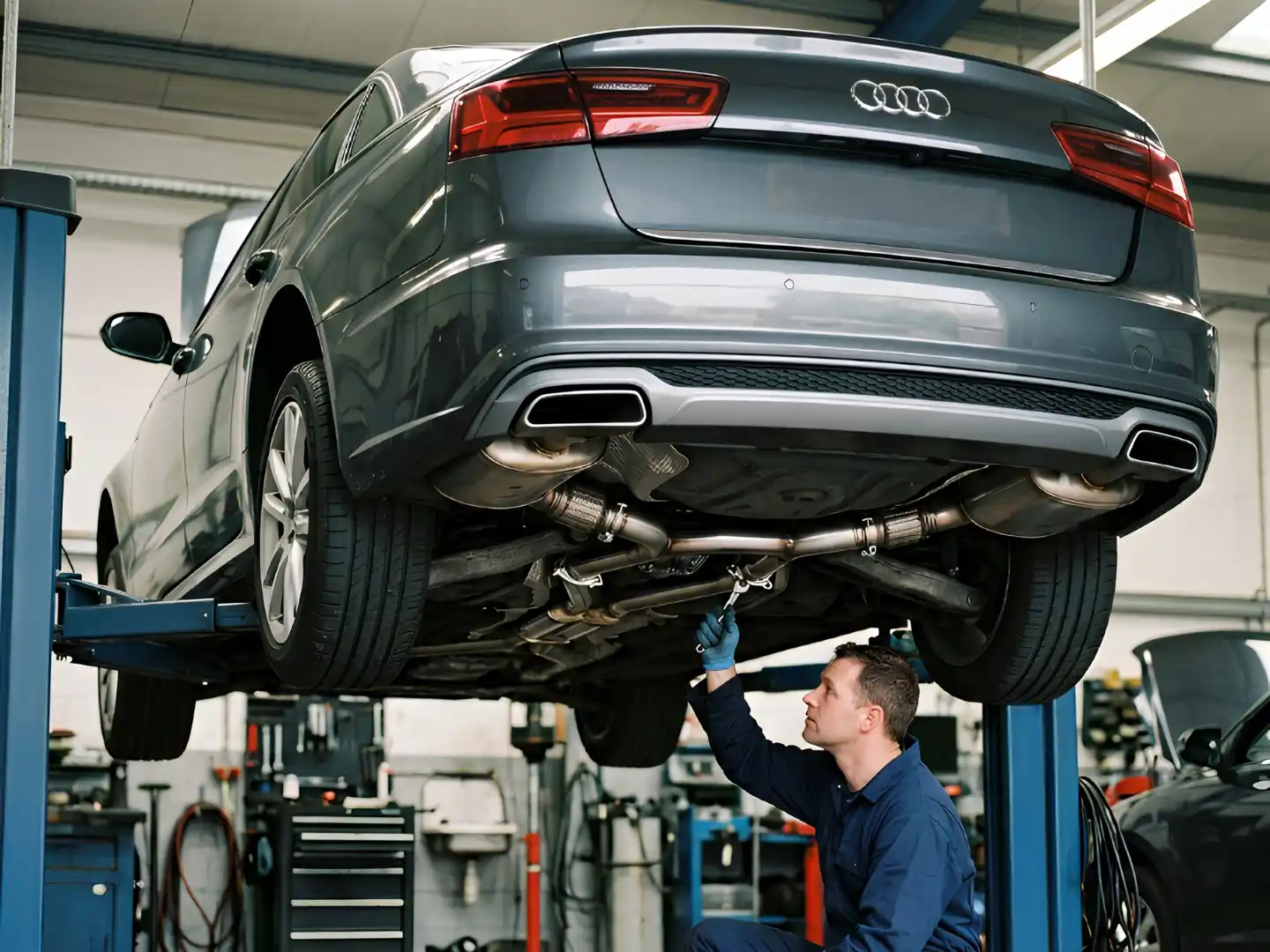
A modern Audi exhaust is an emissions control system first. Noise control comes second. Petrol models from around 2017 onward carry a gasoline particulate filter. It is a ceramic honeycomb that traps soot from direct injection engines. This filter clears itself through passive regeneration. That happens once exhaust heat passes roughly 600°C. Short trips let soot build up. Highway driving lets the filter clean itself.
Both petrol and diesel filters sit behind catalytic converters. These rely on exact oxygen sensor data to keep the fuel mix correct. A fault anywhere in this chain throws that balance off. This could be a lazy sensor, a leaking gasket, or a cracked flex joint. It can trigger a fault code long before any noise changes.
A metallic rattle that rises and falls with revs usually means a loose heat shield. It can also mean a broken catalytic converter substrate inside.
A sudden jump in noise, especially under load, points to a cracked manifold. It can also mean a leaking joint or a hole ahead of the muffler.
A blocked particulate filter raises back pressure. The engine loses power as it works harder to push gases through.
This smell means the catalytic converter is not converting hydrogen sulphide correctly. It often comes from a rich fuel mix or a failing converter.
Oxygen sensor faults, catalyst codes, and filter codes all trigger the same light. Each one points to a different part.
Black soot suggests a rich fuel mix hitting the catalyst. Oily residue means oil is entering the exhaust from elsewhere in the engine.
We check live oxygen sensor data, fuel trims, and back pressure together. Exhaust faults on modern Audi models rarely show up as one clear symptom.
A converter failing its efficiency test, damaged, or blocked gets replaced with a unit matched to your engine's emissions spec. The wrong converter fails the same test again right away.
Where soot has built up past what passive regeneration clears, a forced regeneration cycle or filter swap brings back normal back pressure and power.
DPF-equipped diesel models get the same check. Where needed, we run a forced regeneration or fit a new filter, fixing the root cause, not just the light.
Cracked manifolds, common after years of heat cycling, get replaced along with gaskets and studs. A leaking manifold joint throws off oxygen readings before any noise shows up.
The flexible section that absorbs engine movement wears and cracks over time. A failed flex joint causes both a leak and a rattle under acceleration.
Upstream and downstream sensors are tested one at a time. A lazy or failed sensor anywhere in the chain throws off fuel trim and catalyst readings.
Corroded or damaged mufflers and resonators get replaced. This brings back the original exhaust note and back pressure the engine was tuned around.
Sections showing rust-through or damage are repaired or replaced on their own. We do not disturb sound parts further along the system.
The downpipe carries exhaust from the turbo to the catalytic converter. It sees the highest heat in the system and gets replaced when cracked or leaking.
Perished rubber mounts let the system sag and touch the underbody. This causes rattles, and over time, cracks at the pipe joints.
After any exhaust repair, we check readiness monitors and drive them to completion where needed. An incomplete monitor can affect a registration inspection.
Oxygen sensor and back pressure data are read before any part is condemned. This avoids the common mistake of replacing a converter that was never actually the fault.
Replacement converters and filters are matched to your engine's exact emissions spec. An incorrect part fails the same monitor it was meant to fix.
Particulate filter issues are checked to see whether regeneration or replacement is the right fix, rather than defaulting to a new filter every time.
Gaskets, studs, and flex joint hardware are replaced rather than reused on every repair, preventing the repeat leaks that come from worn fasteners.
Emissions monitors are checked and completed after every exhaust repair, so the system reports correctly instead of leaving an incomplete monitor behind.
Parts and labour on exhaust repairs carry a written guarantee, so a fault traced to the repair itself comes back to us, not to you.
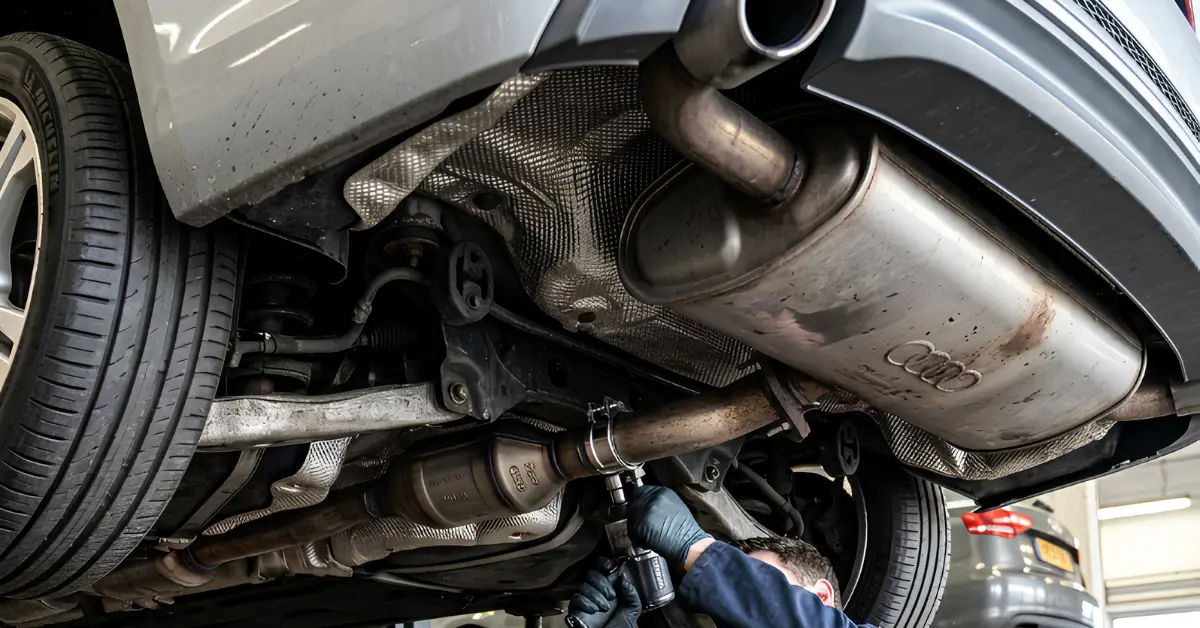
High air temperature stacks on top of already high exhaust heat. This speeds up fatigue at welds, flex joints, and manifold gaskets.
Stop-start driving rarely holds the heat needed for passive regeneration. Soot builds up faster than in steady highway use.
Airborne salt near the coast speeds up corrosion on pipe sections and mounting hardware, compared with inland driving.
Loose stone from unpaved shoulders and building sites can physically damage pipe sections and heat shields over time.
Long idling in traffic adds heat cycles, without the airflow that would normally help cool parts down between them.
Exhaust faults announce themselves through sound long before a warning light appears. Matching the noise to its pattern narrows the cause before the car is even inspected.
| Sound and pattern | Likely cause |
|---|---|
| Rattle that rises and falls with revs | Loose heat shield, or a broken catalytic converter substrate |
| Deep drone that grows at steady cruising speed | Failing resonator or a developing hole in the mid-pipe |
| Loud, raspy note that appeared suddenly | Crack or leak in the manifold, downpipe, or a joint ahead of the muffler |
| Hissing sound near a joint or flange | Leaking gasket at a manifold or flex joint connection |
| Clunk on acceleration or gear changes | Worn or perished exhaust mount letting the system shift and contact the underbody |
| Popping or backfiring on deceleration | Unburned fuel igniting in the exhaust, often linked to a misfire elsewhere |
A sound that only shows up once the engine is warm often points to a joint that expands and opens a gap under heat. This is why some leaks are easier to hear on a longer drive than in a cold workshop.
Reported symptoms, noise, and any stored fault codes are reviewed together. The combination narrows the likely component before the car goes on the lift.
Oxygen sensor voltage, fuel trims, and back pressure are logged with the engine running. This reveals faults that a static inspection alone would miss entirely.
The full exhaust system is checked from manifold to tailpipe for cracks, corrosion, loose mounts, and damaged heat shields while the car sits on the lift.
Where a sensor or converter is suspected, it is tested individually against its expected values. This confirms the fault before any part is ordered.
The confirmed fault is fixed, whether that means a sensor, a gasket, a section of pipe, or a full converter, using parts matched to your engine's spec.
Exhaust gaskets, studs, and flex joint hardware are renewed rather than reused. A leak at a reused joint often reappears within weeks.
Emissions readiness monitors are checked after the repair and driven to completion where needed. This confirms the system reports correctly, not just that the warning light is off.
The car is driven under load to confirm the noise or symptom is gone, and live data is rechecked to confirm normal sensor readings.
Describe the noise, smell, or warning light you are seeing, and we will book a diagnostic scan to read the live data before recommending any repair. Most exhaust faults trace back to one worn component, not the whole system, so you rarely need to replace more than what has actually failed. Book online, or call Zenfo Auto Services for a slot this week.
Direct injection petrol engines produce fine soot particles that emissions regulations require filtering, similar to diesel engines. Audi has fitted gasoline particulate filters on most TFSI models from around 2017 onward.
Passive regeneration burns trapped soot once exhaust temperature passes roughly 600°C, which sustained highway driving reaches naturally. Cars used mainly for short trips may need a forced regeneration or, in advanced cases, filter replacement.
Readiness monitors need to complete a drive cycle after certain repairs before they clear. If the monitor has not run to completion, the light or a related code can persist even though the repair itself was successful.
A rattle from a loose heat shield is usually not urgent, but a rattle from an internal catalyst breakup can send debris further down the system. A diagnosis identifies which situation applies before it becomes a bigger repair.
Aftermarket components not matched to the original emissions specification can trigger catalyst efficiency or readiness monitor faults. Matching replacement parts to Audi's specification avoids this.
This smell means the catalytic converter is not fully converting hydrogen sulphide in the exhaust gases. It often points to a rich fuel mixture or a converter reaching the end of its service life.
A sensor or gasket replacement usually takes under two hours. Catalytic converter or particulate filter replacement typically takes half a day, including verification that readiness monitors run correctly afterward.
Independent exhaust repair using correctly specified parts keeps your manufacturer warranty intact under UAE consumer law. The key factor is that replacement components match the original emissions specification.