
Paint Inspection and Correction Assessment
We check paint with a coating thickness gauge. We also inspect it under raking light for swirl marks and defects. This tells us how much correction is needed.
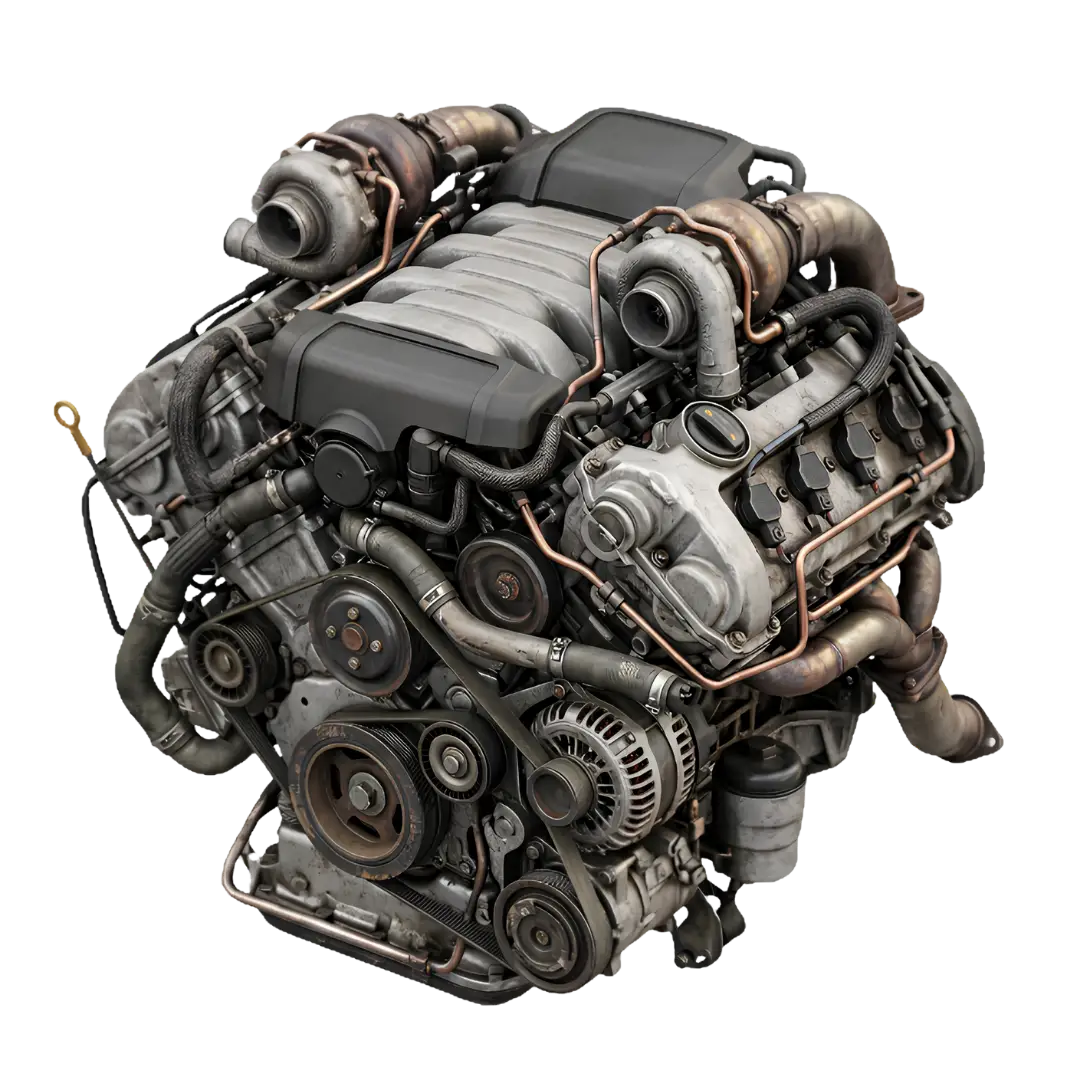 Engine Repair02
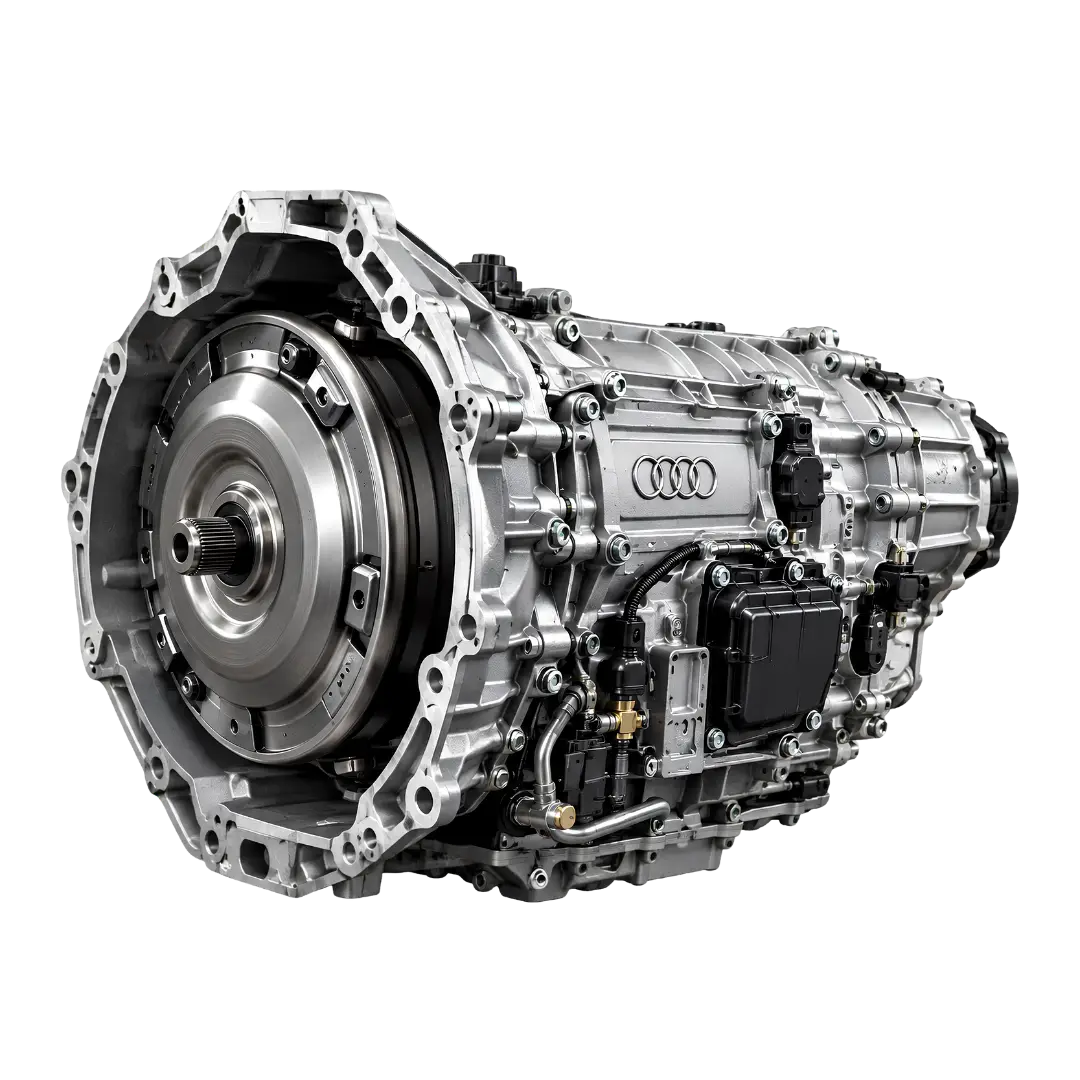 Transmission Repair03
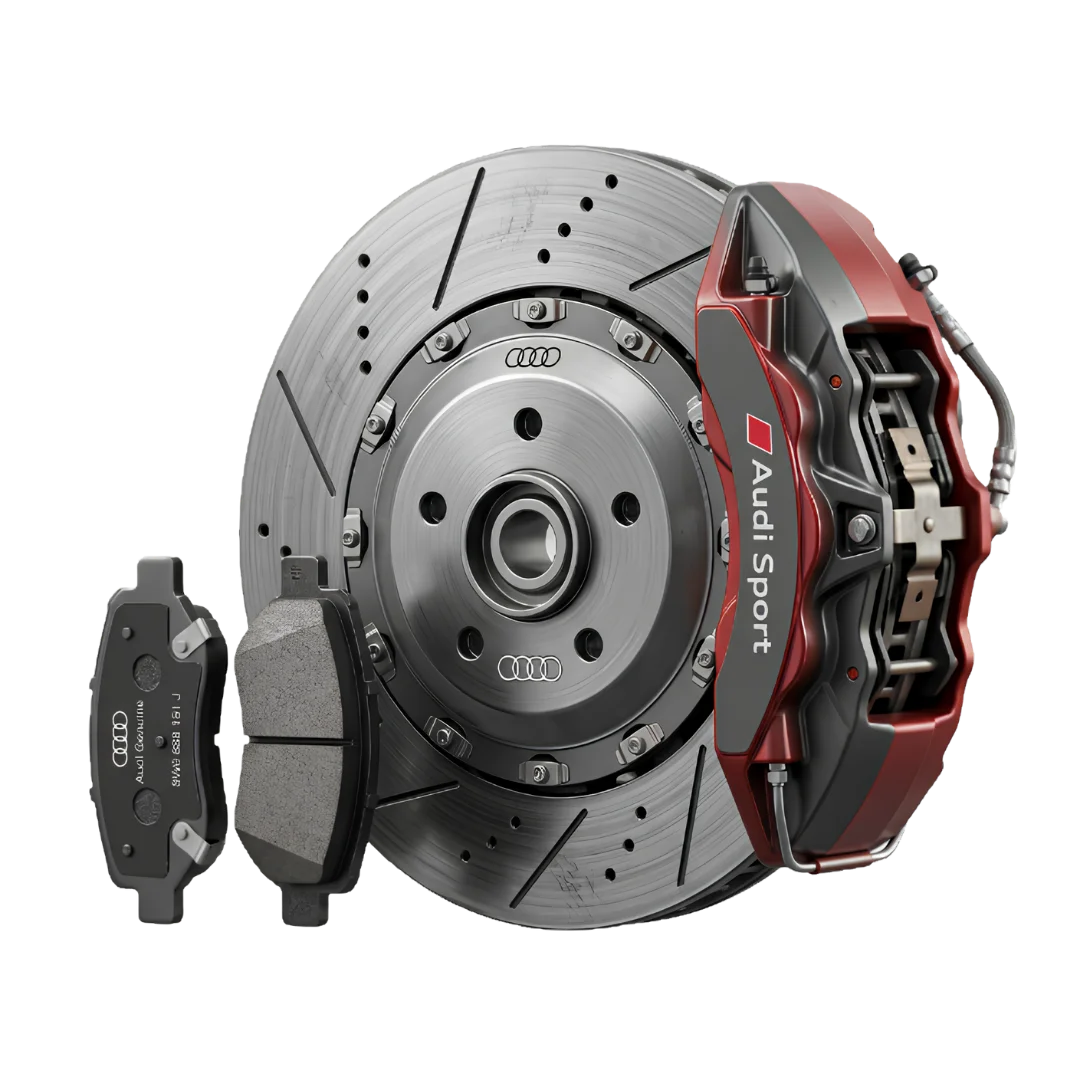 Brake Pads Replacement04
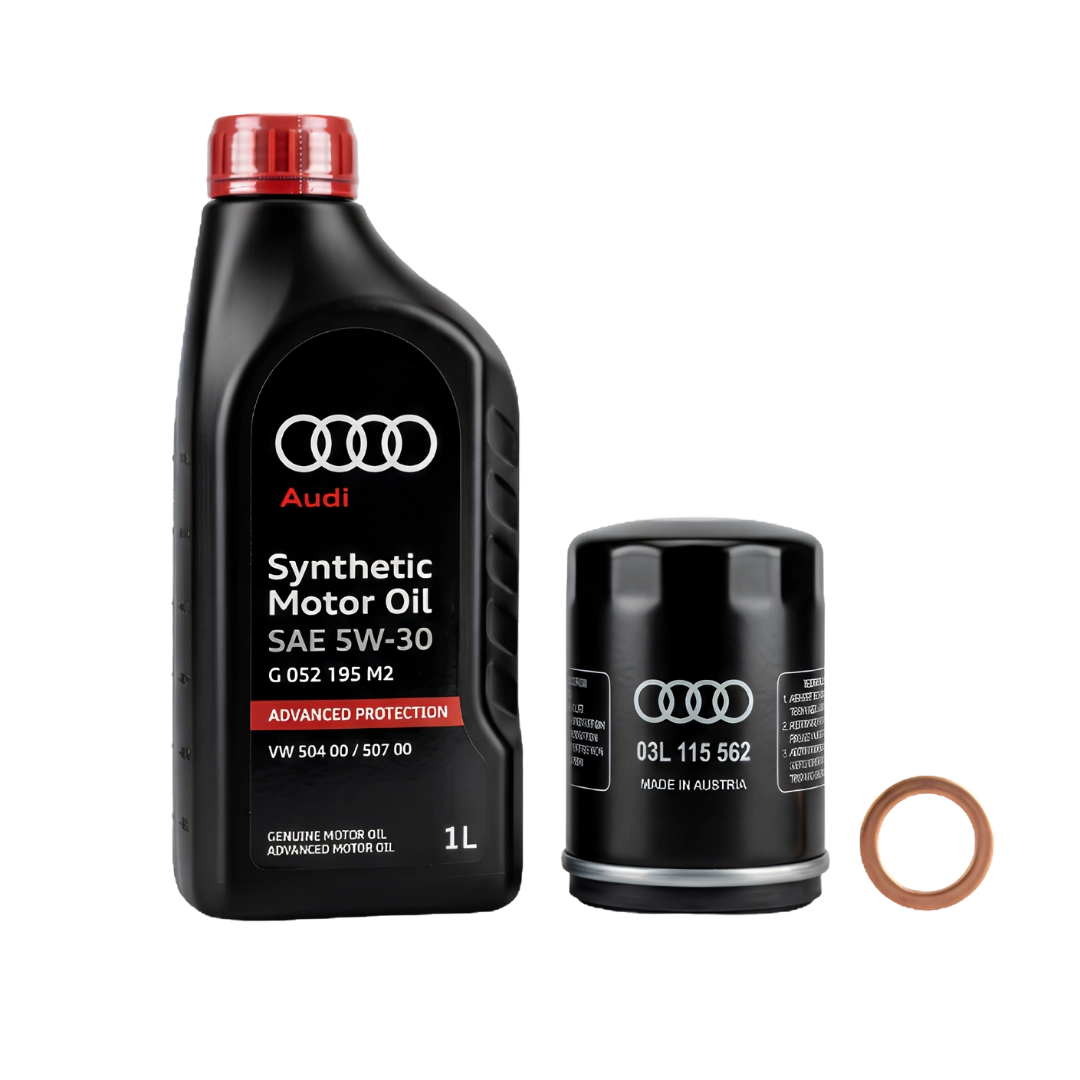 Oil Change05
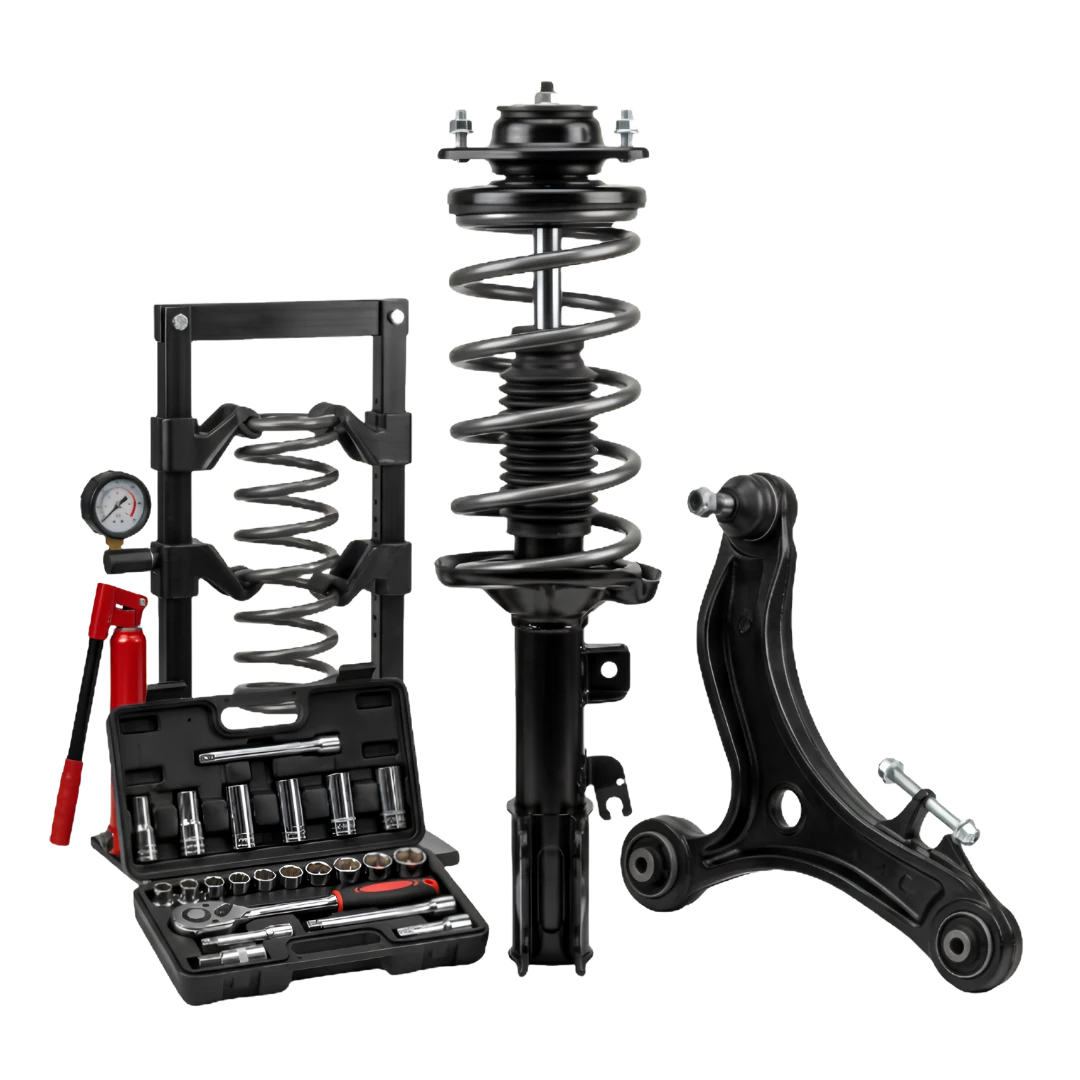 Suspension Repair06
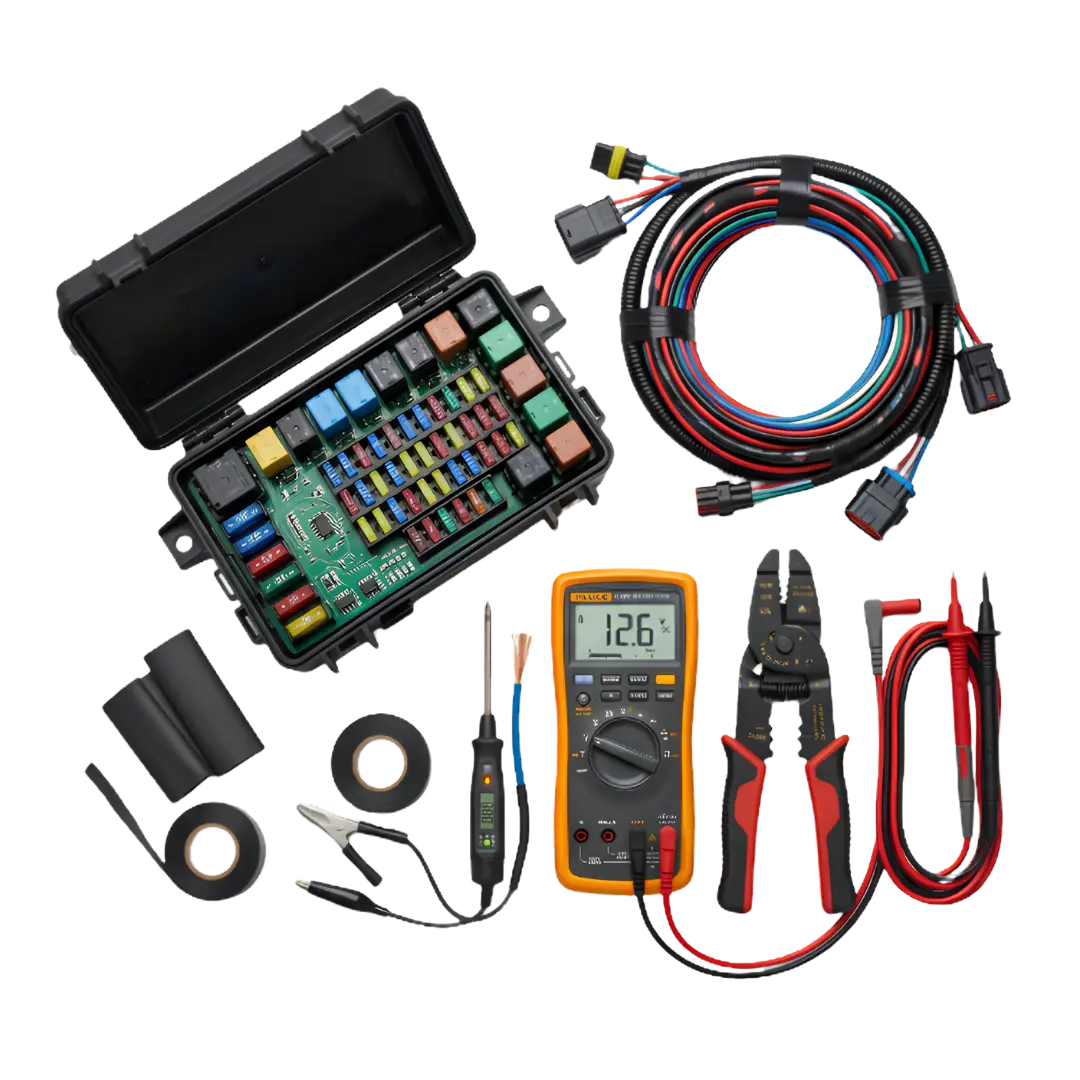 Car Electrical Repair07
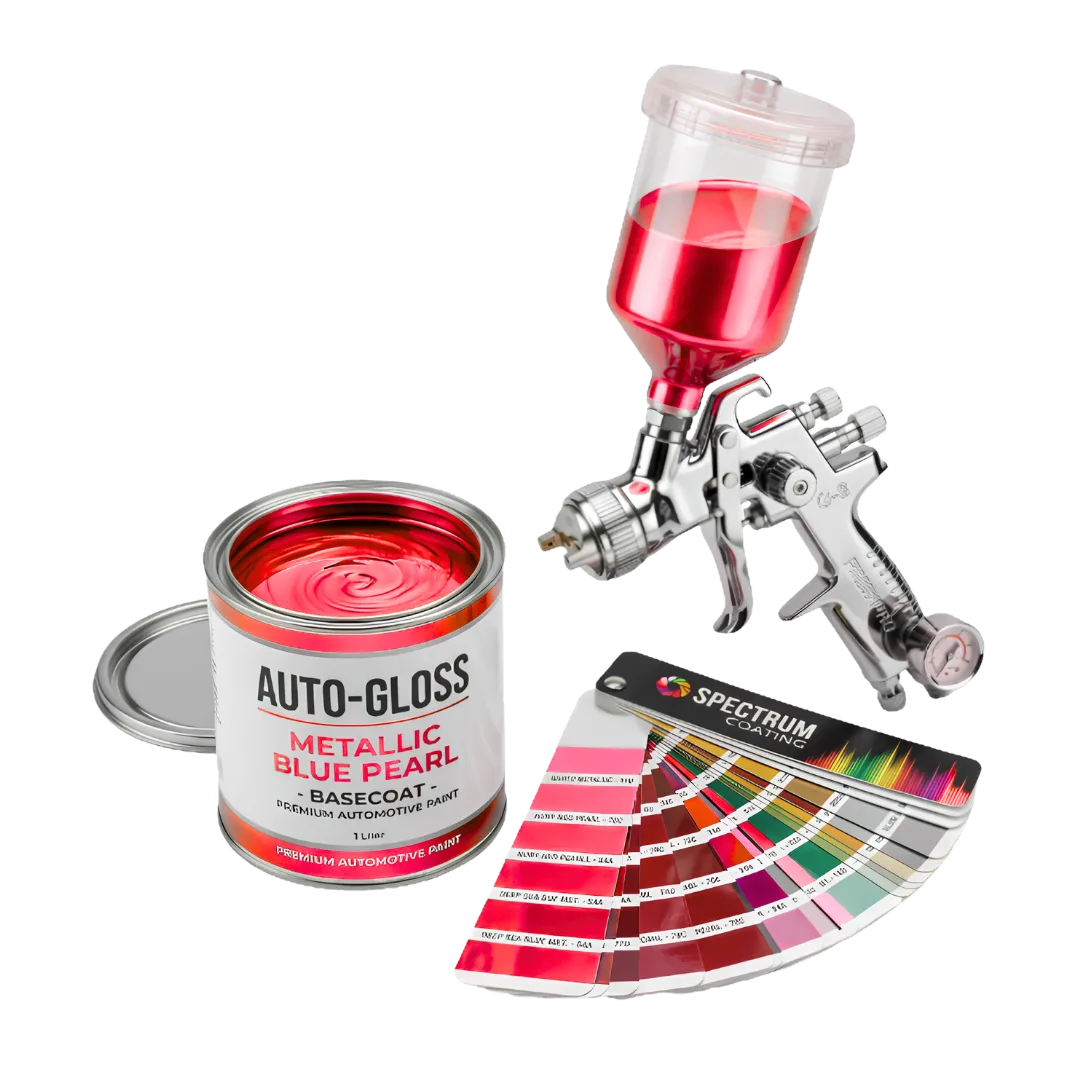 Body Paint08
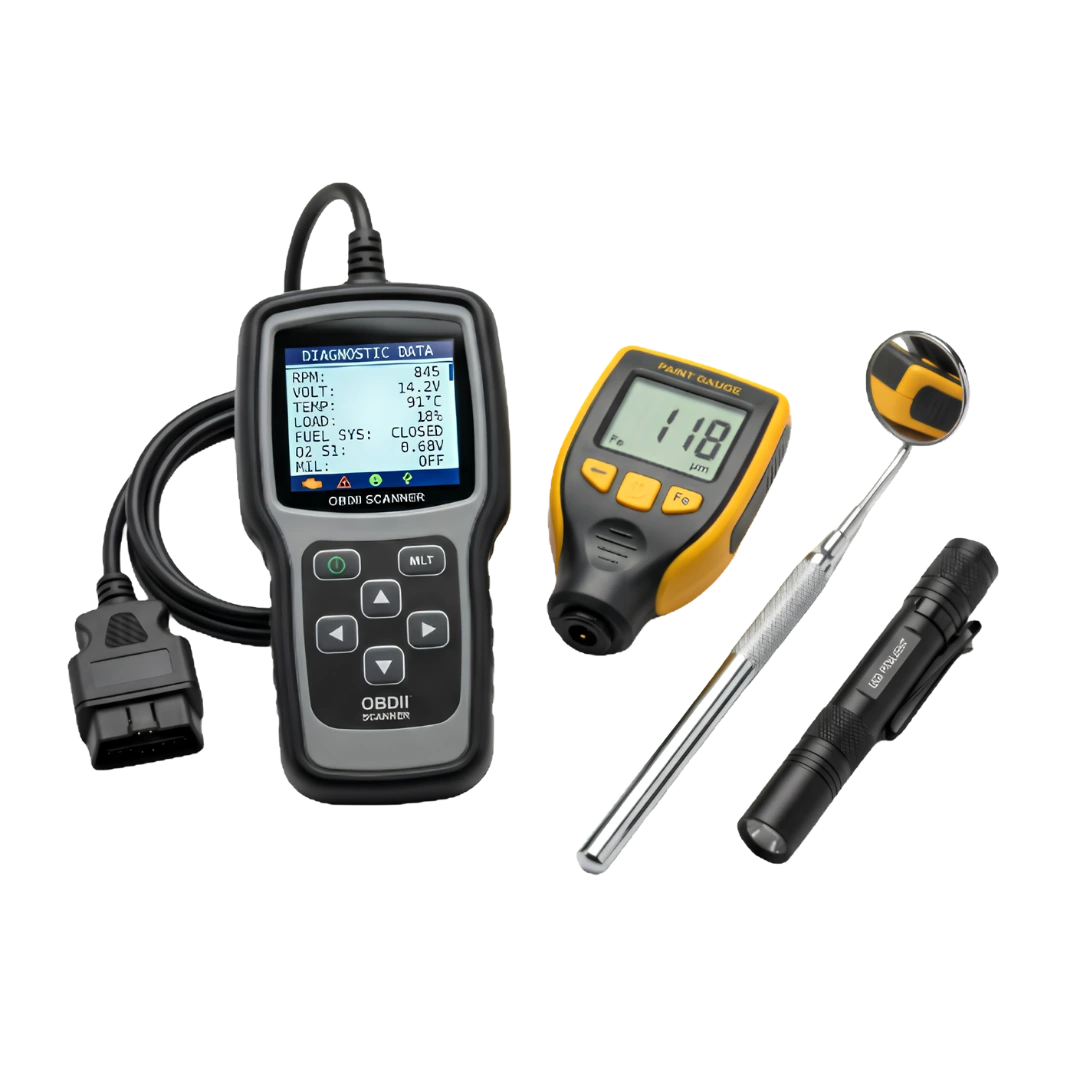 Pre Purchase Inspection09
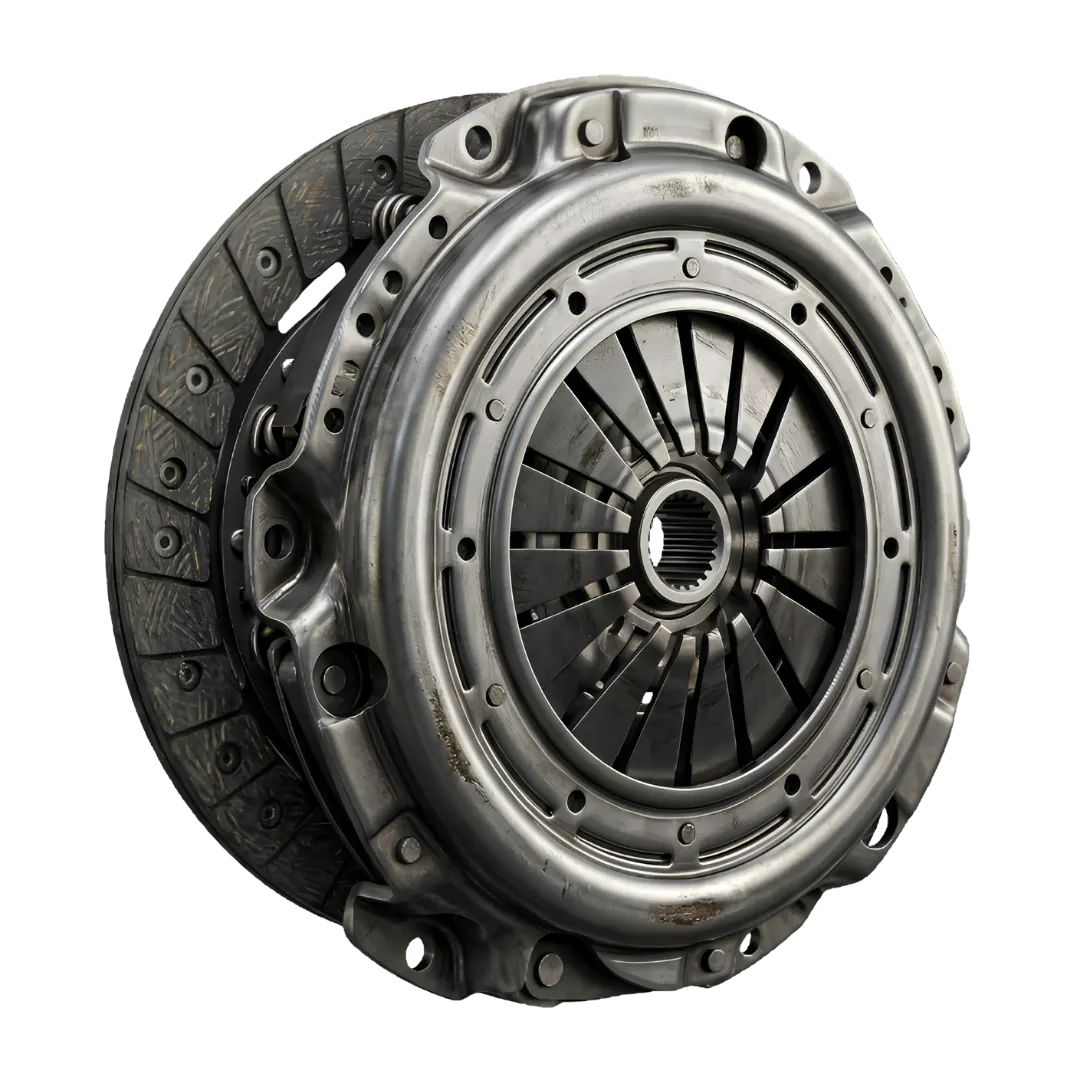 Clutch Replacement10
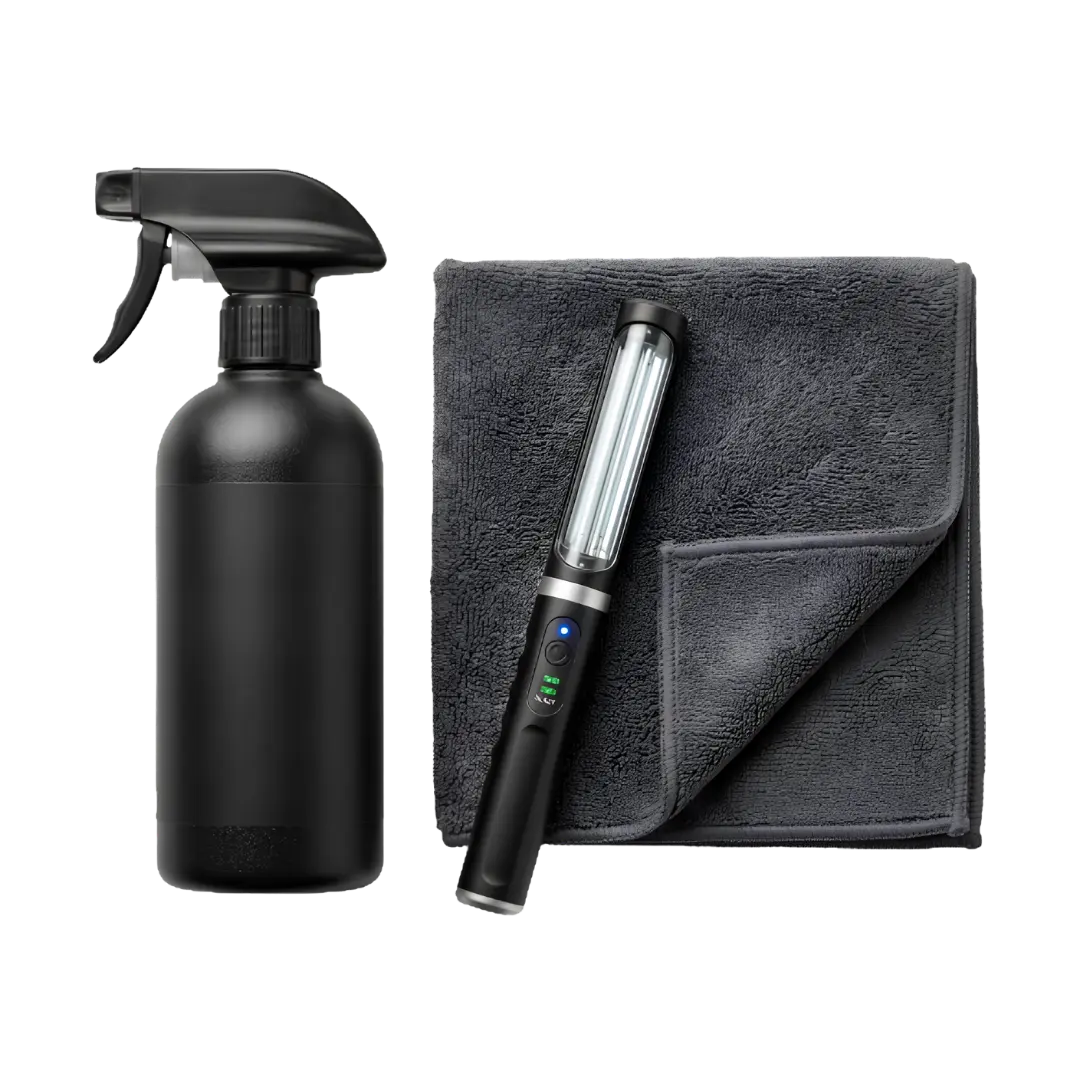 Sanitisation11
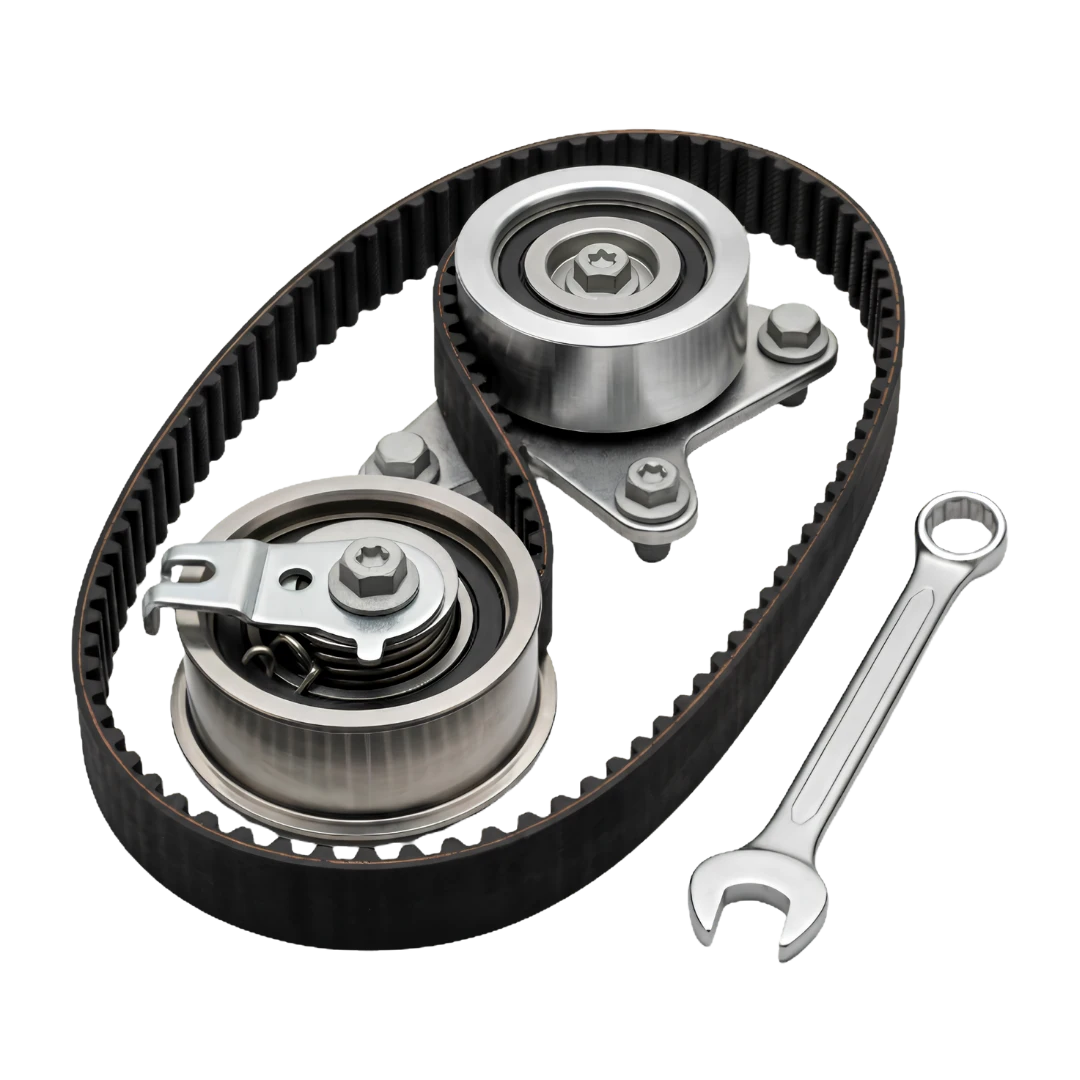 Timing Belt Replacement12
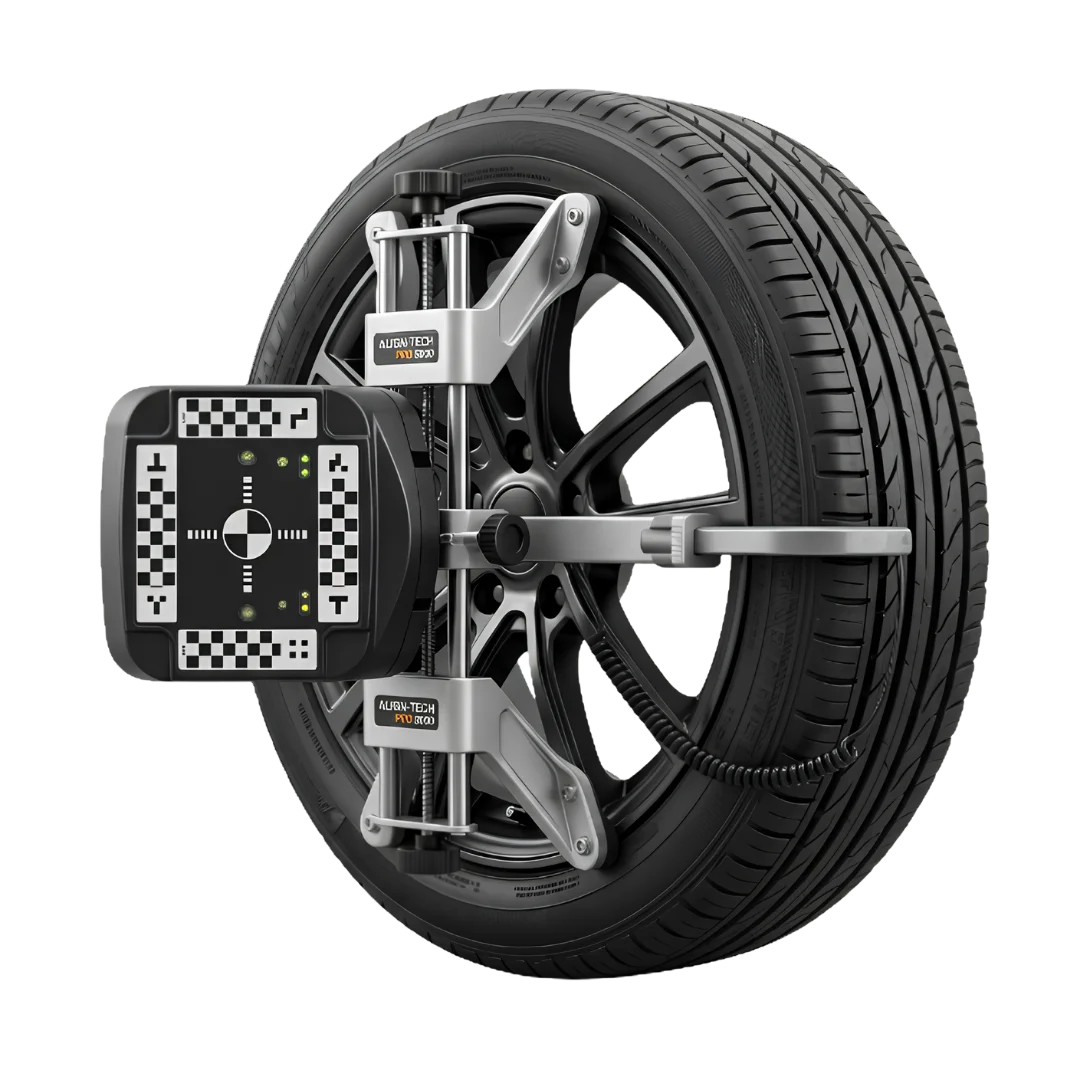 Wheel Alignment13
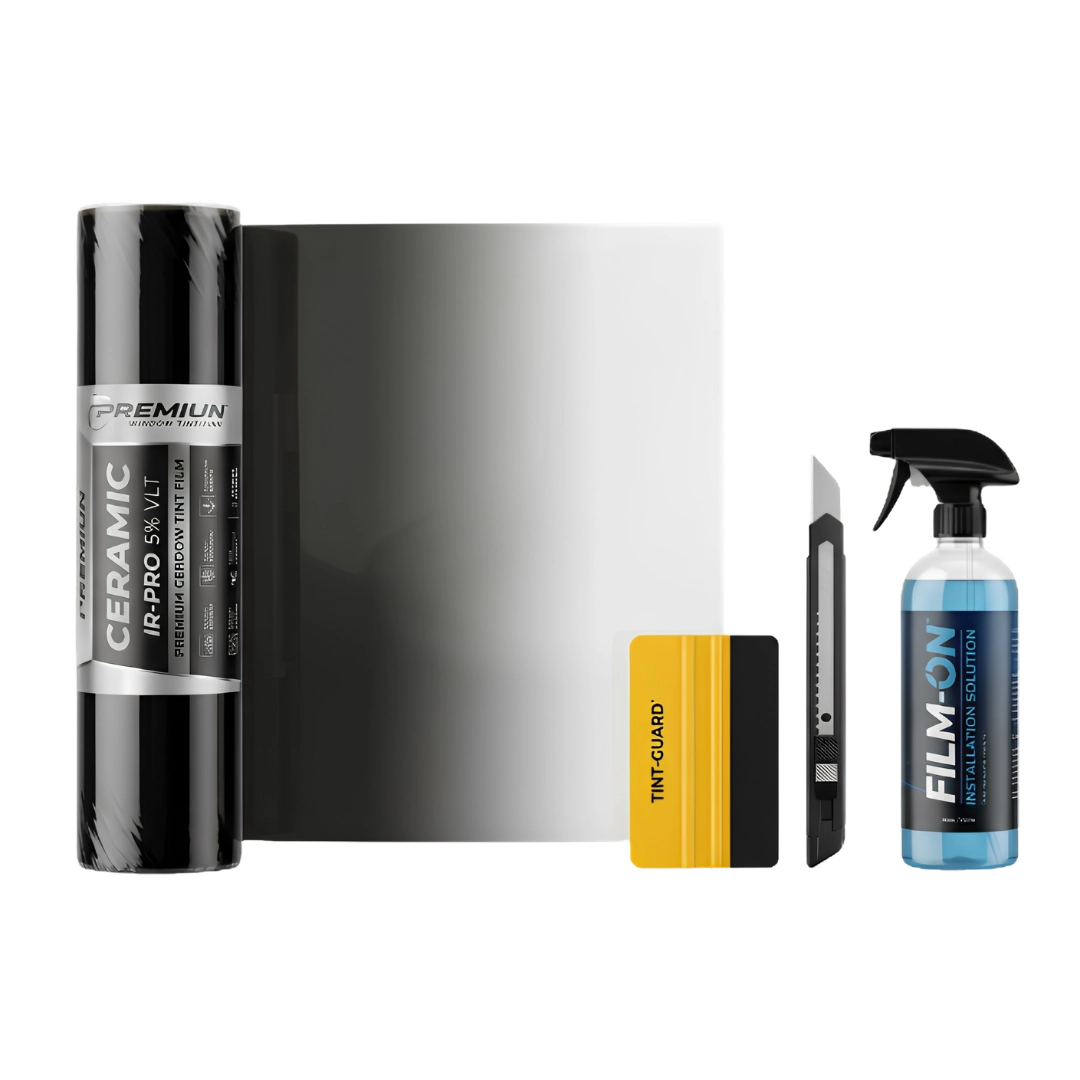 Window Tinting14
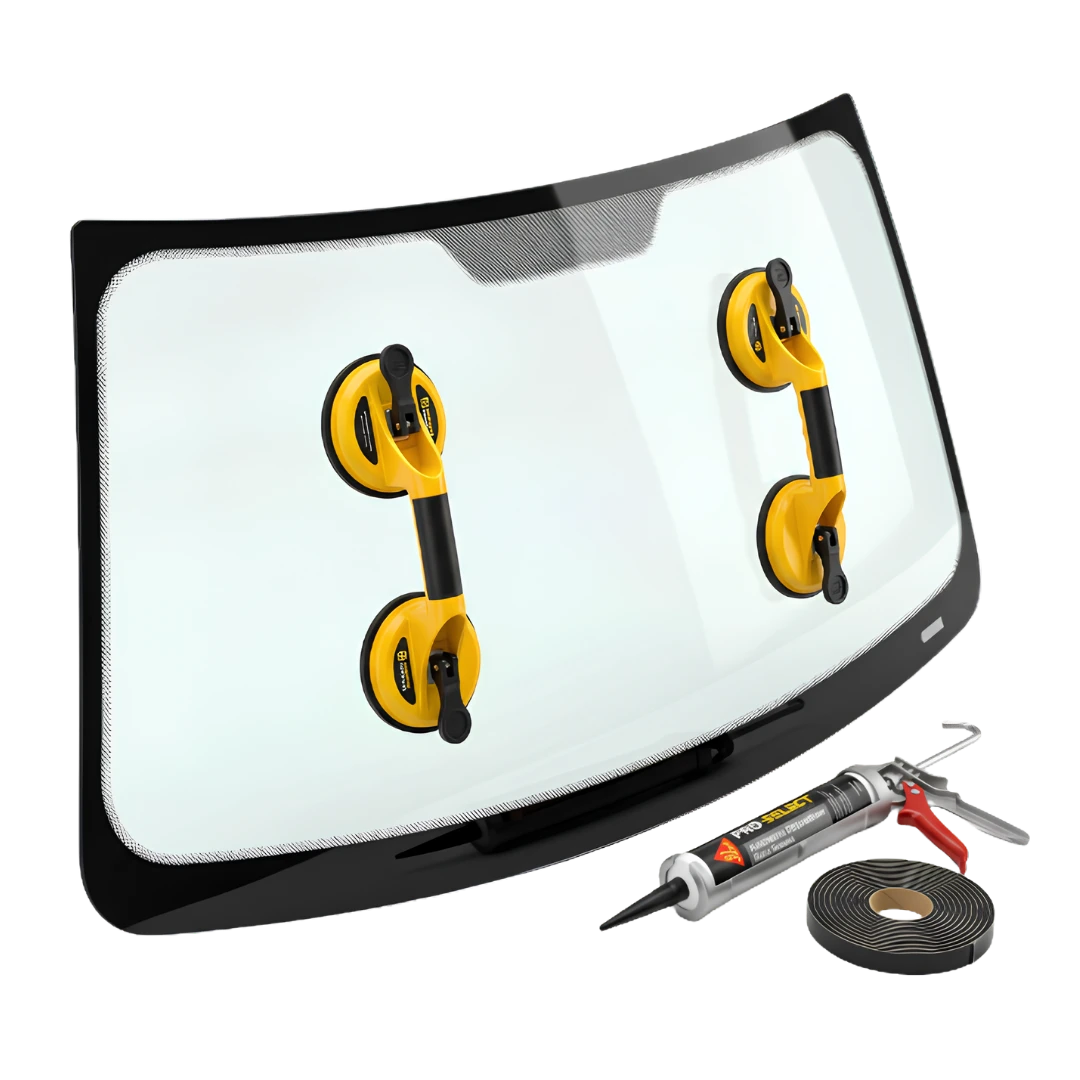 Windshield Replacement15
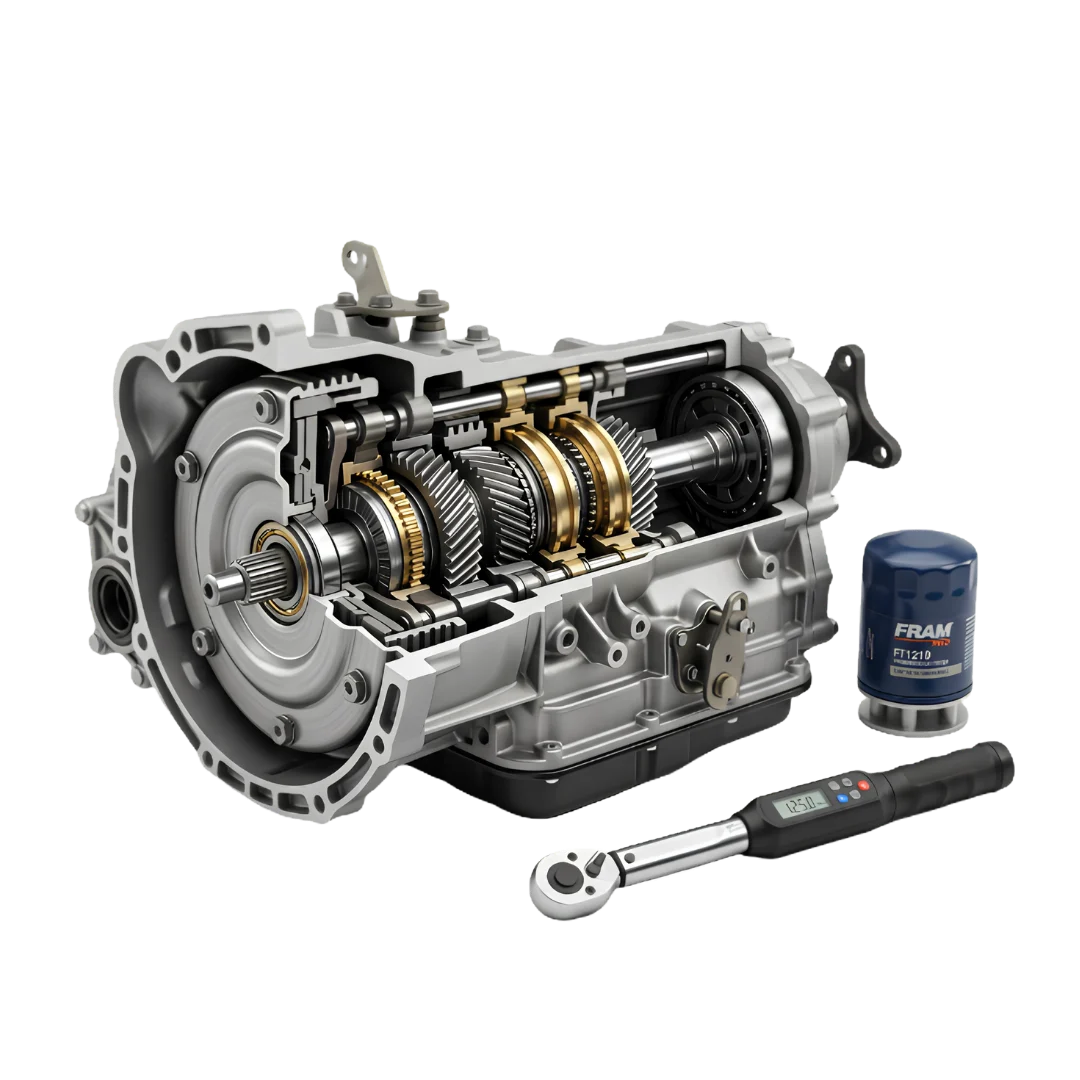 Gear Repair16
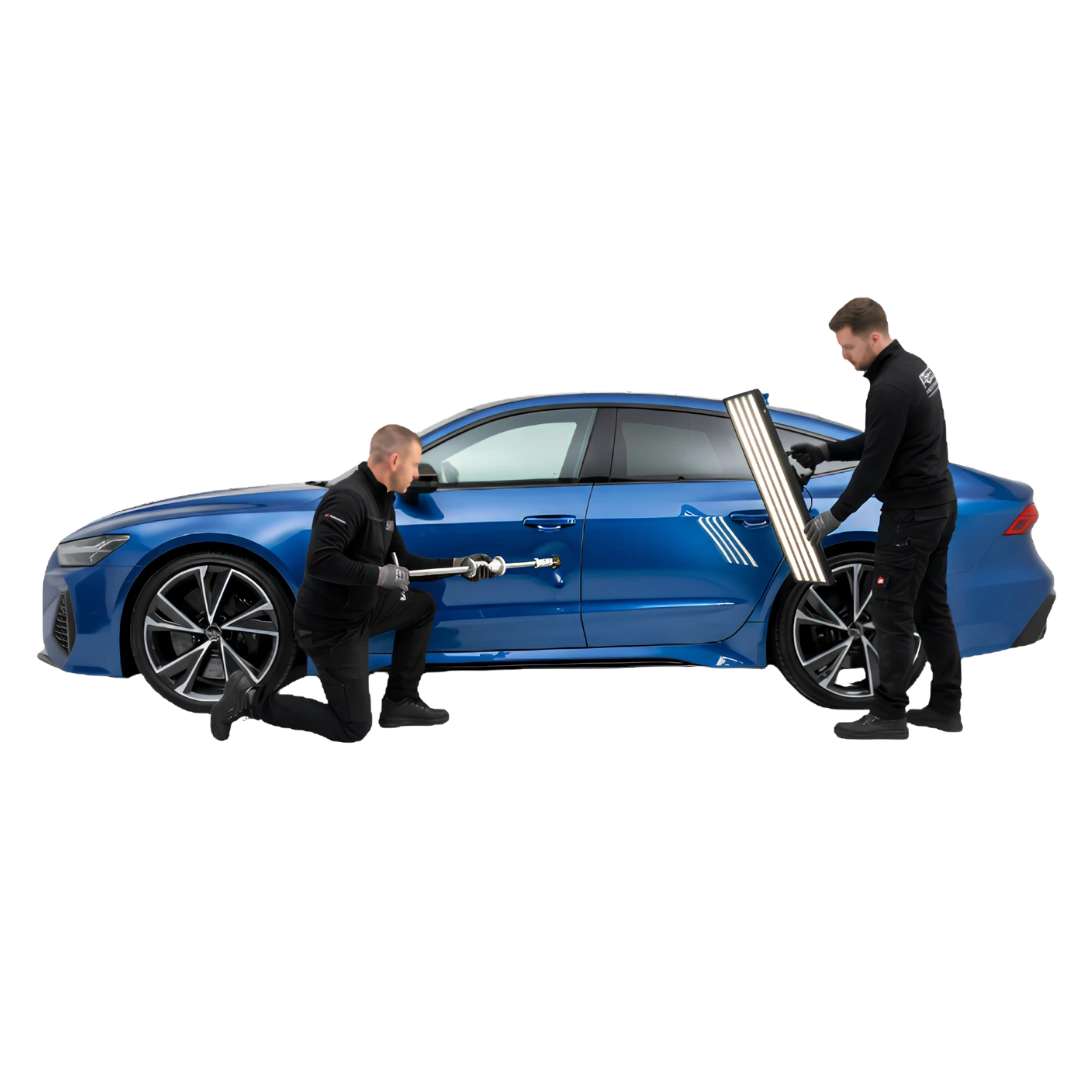 Body Shop17
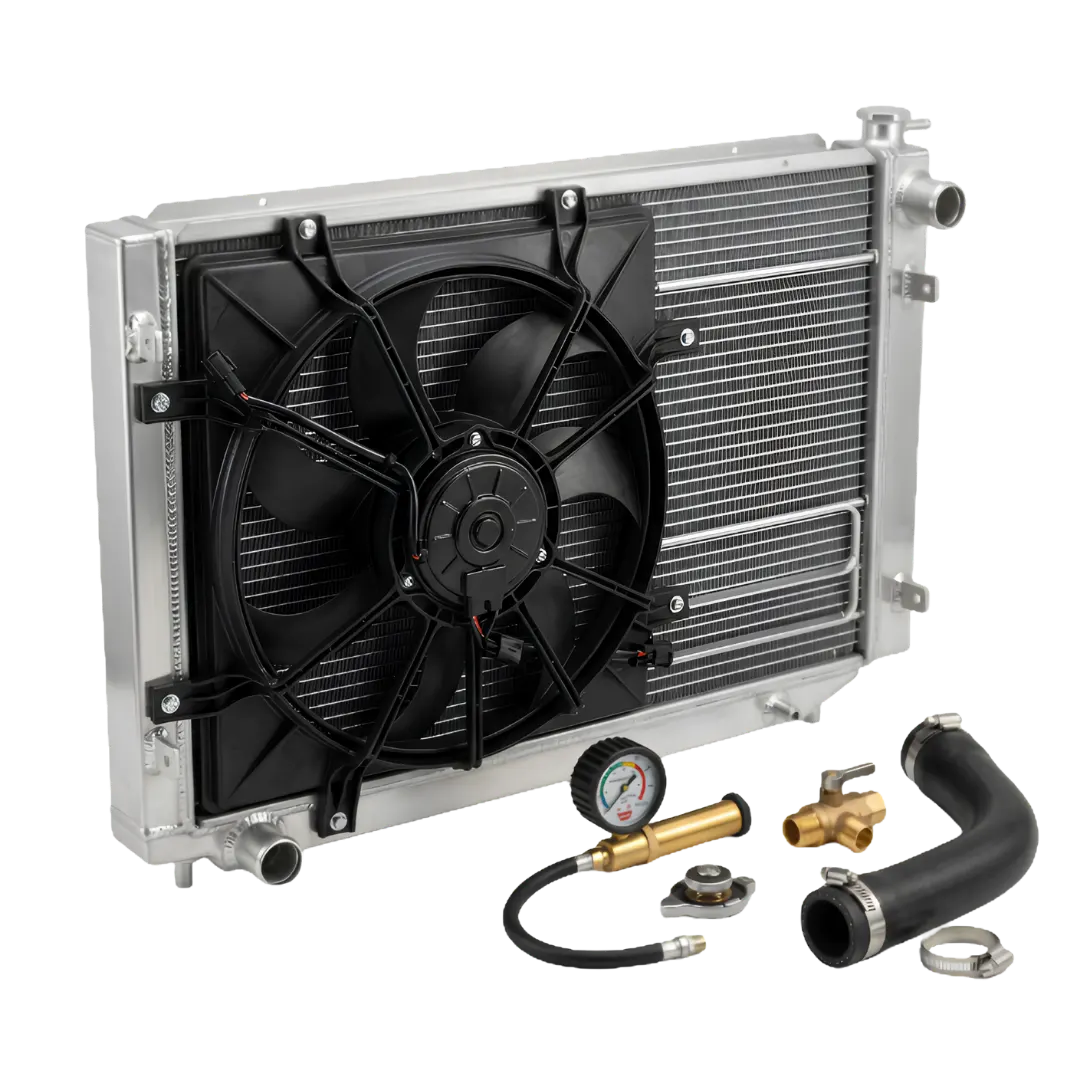 Radiator Repair18
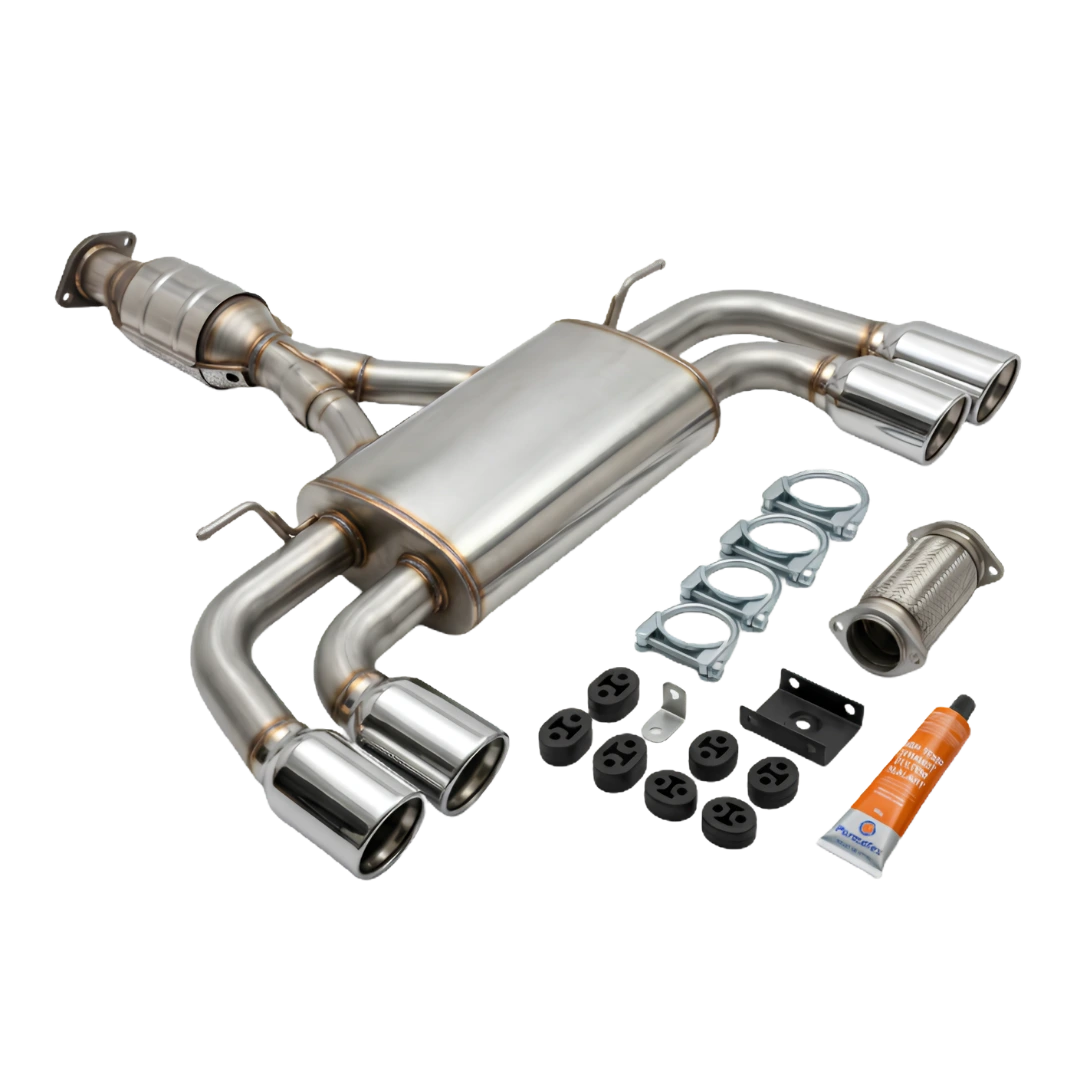 Exhaust Repair19
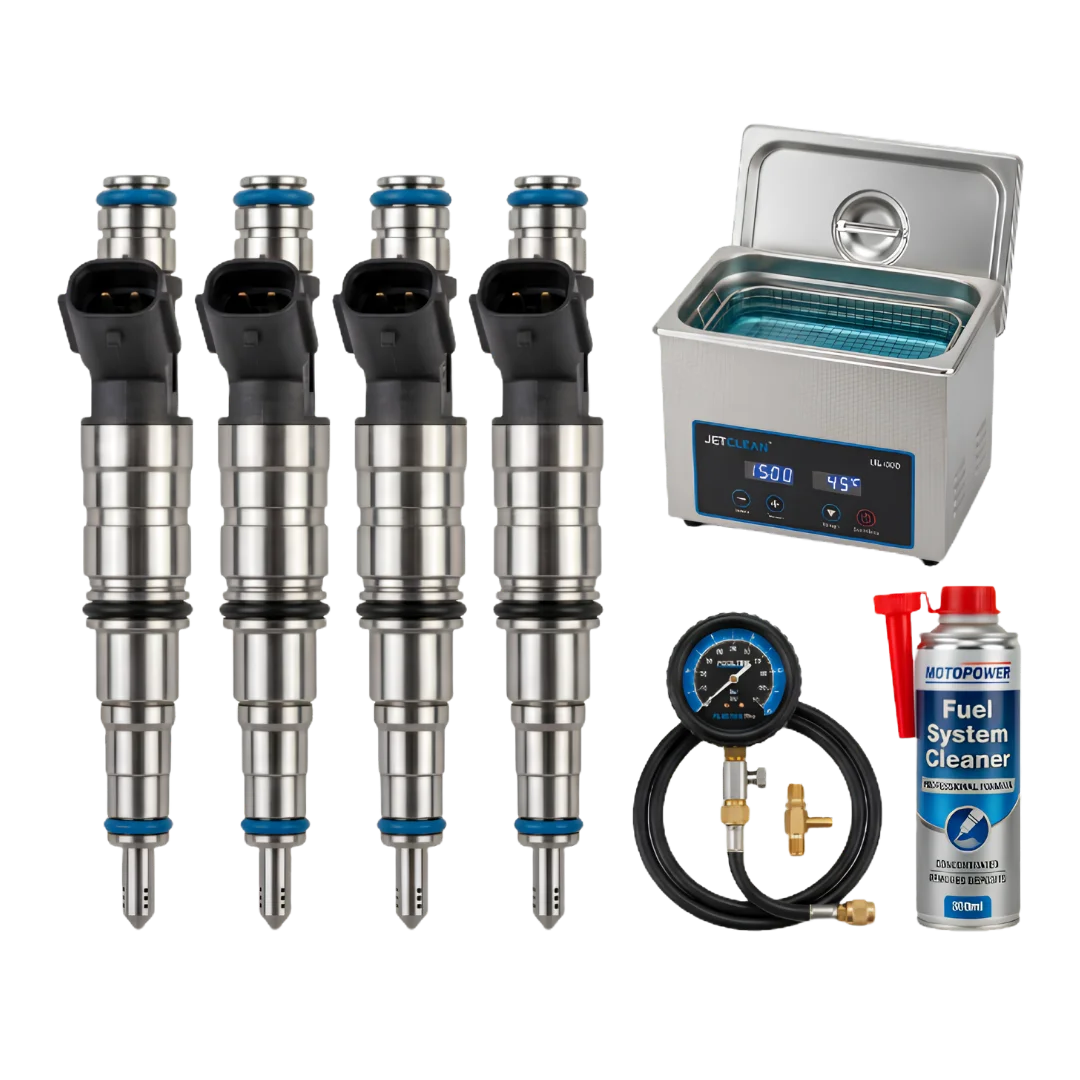 Injector Cleaning20
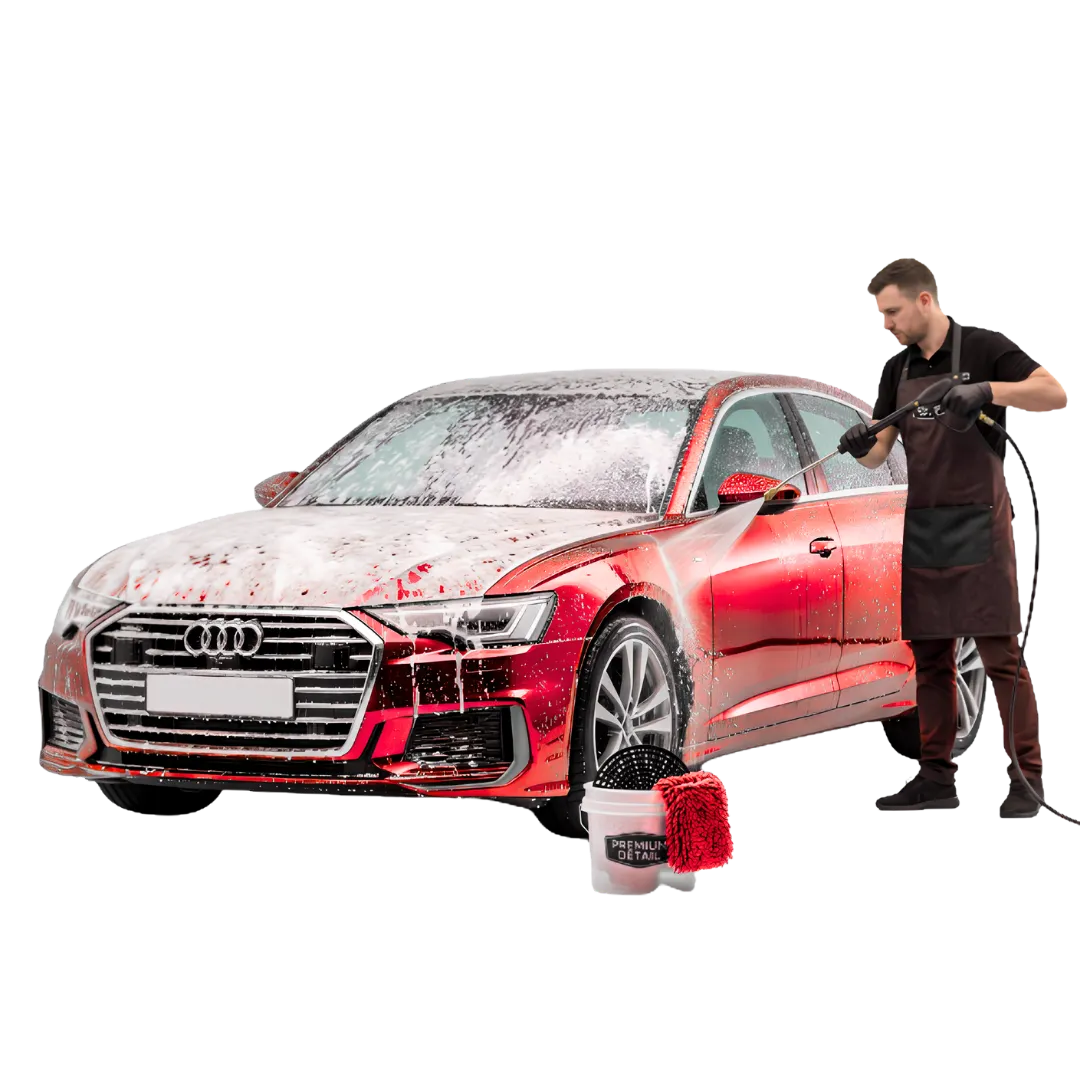 Car Wash21
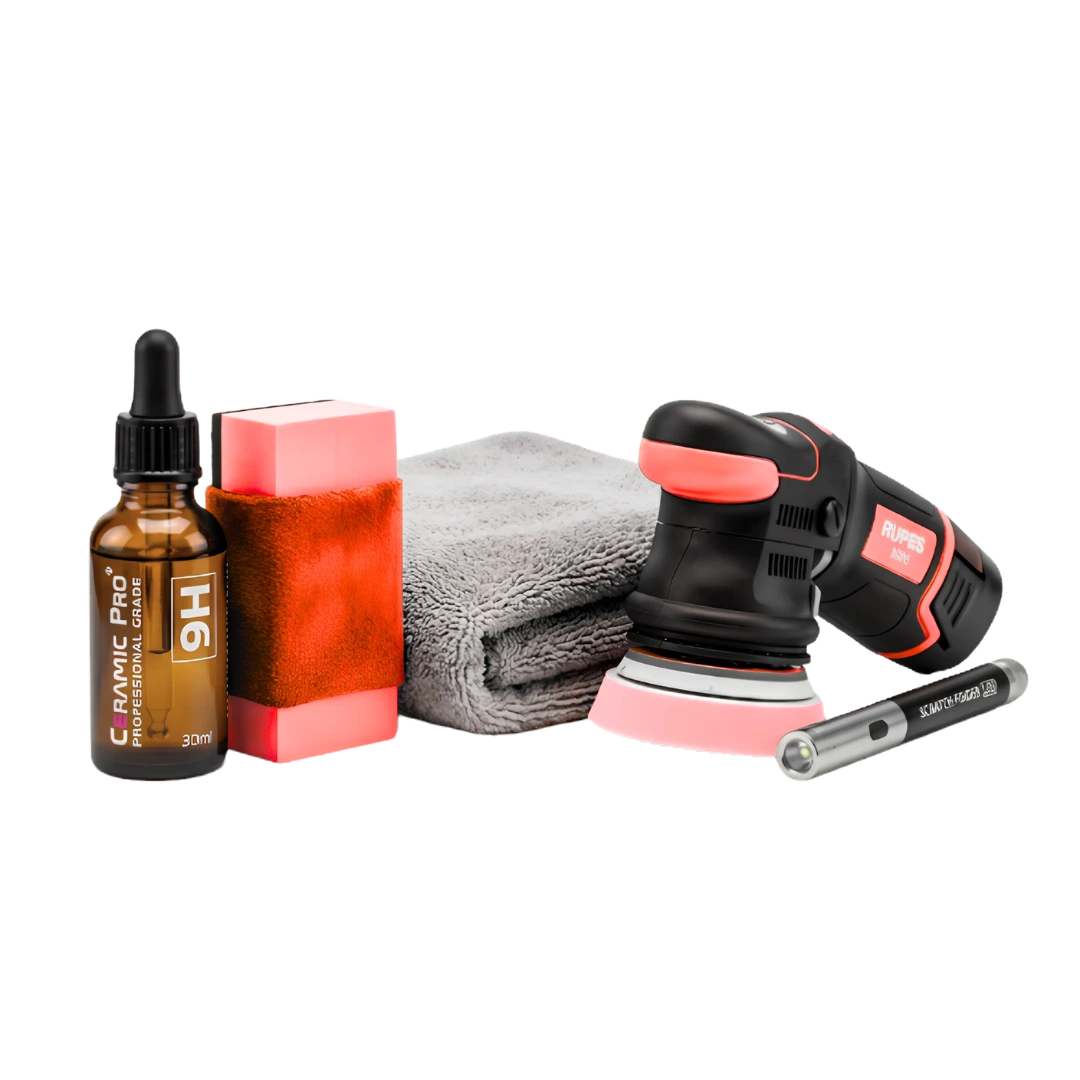 Ceramic Coating Service22
 Upholstery Service23
 Car Tyre Change24
 Car Steering Repair
 Audi specialist service
Zenfo Auto Services applies ceramic coating to Audi models in Abu Dhabi. Full paint correction always comes first. We never coat over swirl marks or dirt. We use high SiO2 coatings that cross-link into a glass-like layer. We cure them properly. Then we measure the result with a water test before handover.
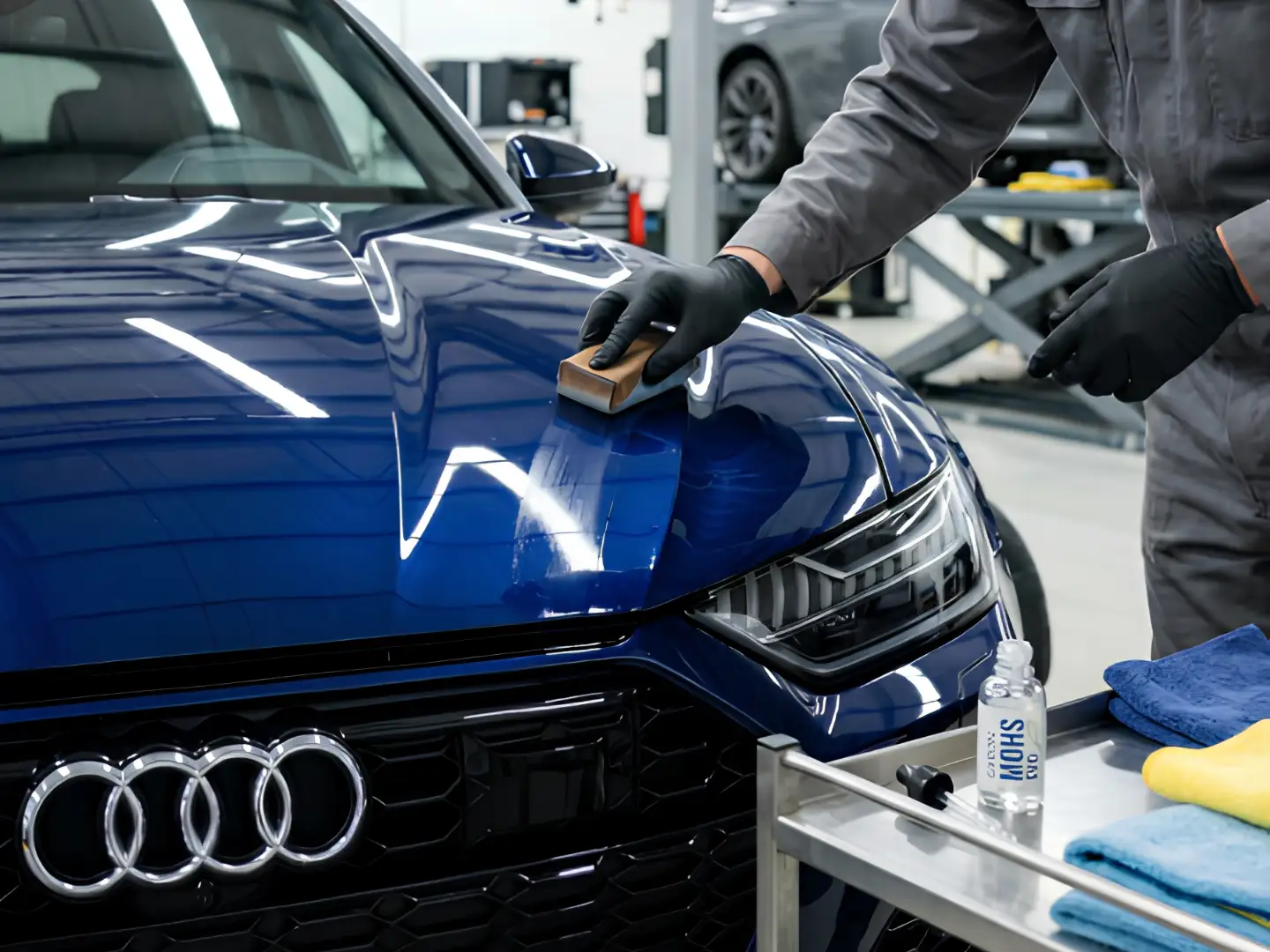
Ceramic coating hardness is measured on the pencil hardness scale. The test is called ASTM D3363. It uses graphite pencils, from soft to very hard. A coating rated 9H can resist a 9H pencil. That is the highest common rating on the scale. It became the benchmark once cross-linked SiO2 coatings began hitting it every time.
This rating guards against fine scratches, swirl marks, and light marring. Daily washing and dust cause this kind of wear over time. It does not mean the coating is impact-proof. A 9H rating says nothing about stone chips or deep gouges from a key. Ceramic coatings are only a few microns thick. They lack the flexibility that paint protection film uses to absorb impact.
The same molecular structure that creates hardness also creates the coating's water-repelling behaviour. Silicon-oxygen bonds lower the surface energy of the paint. Water then forms tight, round droplets instead of spreading out. We measure this through a water contact angle test after curing.
A freshly polished surface is the ideal base. A coating locks in whatever condition the paint is in. Deeper chips or colour mismatch sit under Audi body paint instead.
UV exposure speeds up clear coat oxidation. A coating's UV resistance slows that process a great deal, over years of parking without shade.
A hydrophobic surface sheds dust and grime with water alone. This is far easier than on bare or waxed paint, and it cuts the friction involved in every wash.
Both wear away within weeks to months. A properly cured ceramic coating stays chemically bonded for years instead, without needing frequent reapplication.
Mineral deposits bond less aggressively to a coated, low surface energy panel. That makes spot removal easier during regular washing.
A documented ceramic coating history signals consistent paint care to a future buyer. That stands apart from an undocumented wax routine.
We check paint with a coating thickness gauge. We also inspect it under raking light for swirl marks and defects. This tells us how much correction is needed.
Machine polishing removes swirl marks, light scratches, and oxidation in controlled stages. Coating over uncorrected paint permanently seals in every existing defect.
A chemical iron remover dissolves bonded ferrous particles from brake dust and airborne fallout. A clay bar treatment follows, lifting contaminants that a wash alone cannot remove.
Right before coating, we wipe panels with an isopropyl alcohol solution. This strips any polishing oils or residue that would stop the coating from bonding correctly.
We apply a high SiO2 concentration coating panel by panel, in controlled conditions. We work within the product's limited working time, before it begins to flash.
We apply a heat-resistant ceramic formula suited to brake temperatures on wheels and calipers. This cuts brake dust adhesion and makes regular wheel cleaning easier.
Windshield and window glass get a ceramic treatment that improves water shedding at speed and in rain. This is a different formula from the one used on body panels.
Coated vehicles cure in a dust-free, temperature-controlled space. Airborne particles landing on uncured coating become permanently embedded in the film.
Once cured, we take a water contact angle measurement. This confirms the hydrophobic performance meets the coating's spec before the car goes back to you.
Scheduled maintenance washes, using pH-neutral, coating-safe shampoo, extend coating life. The wrong wash chemicals gradually strip the hydrophobic surface layer.
A lighter maintenance layer, applied over an existing, still-sound coating, extends its service life. This works without needing full paint correction again.
Where a coating has reached the end of its life, or needs renewal after bodywork, we machine-remove the existing layer first. Fresh correction and coating follow.
We inspect and correct paint before any coating goes on. Coating over unaddressed swirl marks and defects seals them in for good.
We choose coatings for genuine silicon dioxide concentration and proper cross-linking chemistry, not for marketing claims printed on the bottle.
Iron remover and clay treatment address bonded contaminants that a standard wash cannot touch. This gives the coating a genuinely clean surface to bond with.
We verify hydrophobic performance with an actual water contact angle test after curing. That gives you a measured result, not just a visual impression.
Coated vehicles cure in a dust-free space. This protects the film during the critical window when it is most open to airborne contamination.
Coating performance is covered under a written guarantee. A fault traced to the application itself comes back to us, not to you.
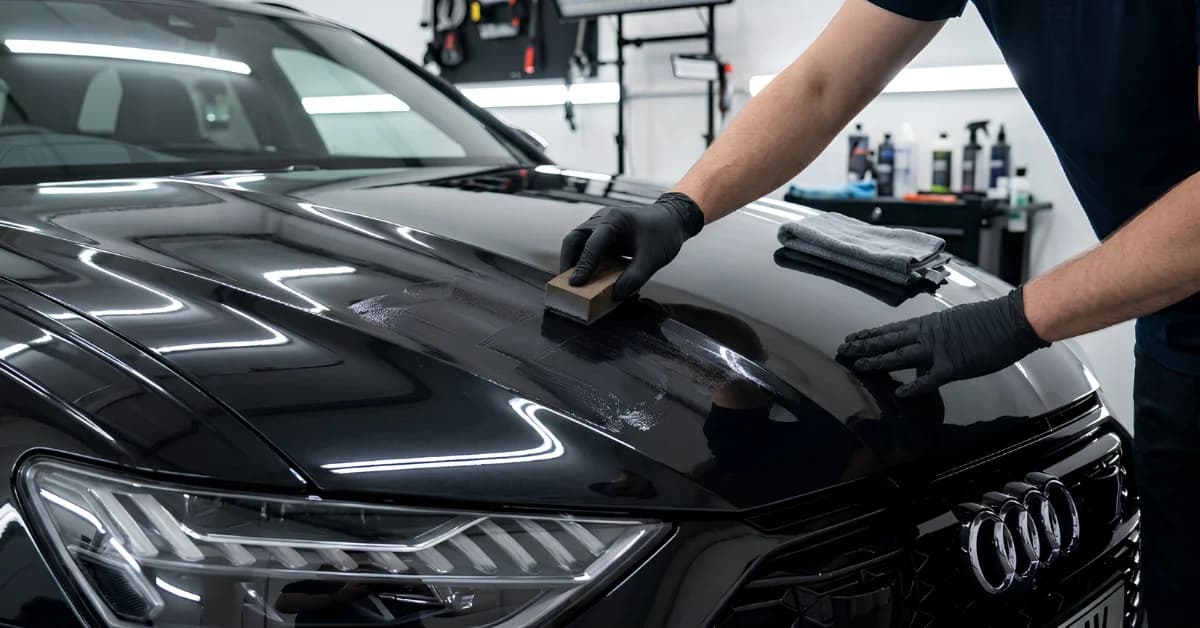
Ceramic coating's UV resistance slows clear coat oxidation a great deal here. Sun exposure is more extreme and more constant than in temperate regions.
A hydrophobic, low-friction surface cuts down how hard sand particles grind against paint, both from wind exposure and during washing.
Water spots form faster here, since droplets evaporate quickly in heat and concentrate mineral deposits. A coated surface resists bonding far better than bare paint.
Villa driveways and open-air office parking leave cars exposed for extended periods daily. Ceramic coating protects the paint from that sun exposure, and Audi window tinting protects the glass and cabin from the same source, which is why the two are often done together.
More frequent washing means more chemical and mechanical exposure over a car's life. A coated surface holds up to that repeated contact far better than unprotected paint.
We check the current paint condition with a thickness gauge. We inspected it under raking light too. This confirms how much correction the surface actually needs.
Machine polishing removes swirl marks and light defects in controlled stages. Any imperfection left in the paint gets sealed under the coating for good.
Iron remover and a clay bar lift bonded contaminants from the surface. This leaves the paint completely smooth before any coating touches it.
We wipe panels with an alcohol-based solution right before application. This removes polishing oils that would otherwise stop the coating from bonding correctly.
We apply the coating panel by panel, within its working time. A controlled amount of product avoids high spots or streaking.
The car sits in a dust-free, controlled space while cross-linking begins. Particles landing on uncured coating become permanently trapped in the film.
Send photos of your Audi's current paint condition, and we will confirm how much correction is needed before coating, along with an honest timeline. A coating only performs as well as the paint underneath it, so we never skip straight to application. Book online, or call Zenfo Auto Services for your Audi repair services this week.
Ceramic coating resists fine scratches and swirl marks through its hardness rating, but it does not prevent stone chips or deep scratches. The coating measures only a few microns thick and lacks the impact-absorbing flexibility that paint protection film provides.
A properly applied, high SiO2 concentration coating typically lasts 2 to 5 years, depending on the specific product, application quality, and how the car is washed and maintained afterward.
Applying coating over unaddressed defects seals them in permanently. Paint correction through machine polishing needs to happen first, removing swirl marks and light scratches before any coating goes on.
No. Ceramic spray references similar SiO2 chemistry but does not cure into the same cross-linked film. True ceramic coating requires higher concentration and a proper cure period to reach genuine 9H hardness performance.
Most coatings can tolerate water after roughly 24 hours, but should be dried immediately to prevent water spots during the early cure period. Full cross-linking and maximum hardness typically take 2 to 3 weeks to complete.
No. Ceramic coating makes washing easier and less frequent, since dirt releases more readily from the hydrophobic surface, but regular maintenance washing is still required. Using the wrong wash chemicals can gradually strip the coating's surface layer.
The 9H rating means the coating resists scratching from a 9H graphite pencil under the ASTM D3363 test. It protects against fine scratches and light marring, not deep gouges or impact damage.
Yes, using formulations suited to each surface. Wheels and calipers need a heat-resistant formula given brake temperatures, while glass coating is formulated separately from the paint version applied to body panels.