
Leather Crack Repair
Filler compound matched to the hide's flex properties is applied into the crack, then the surface is refinished and colour-matched so the repair does not show under direct light.
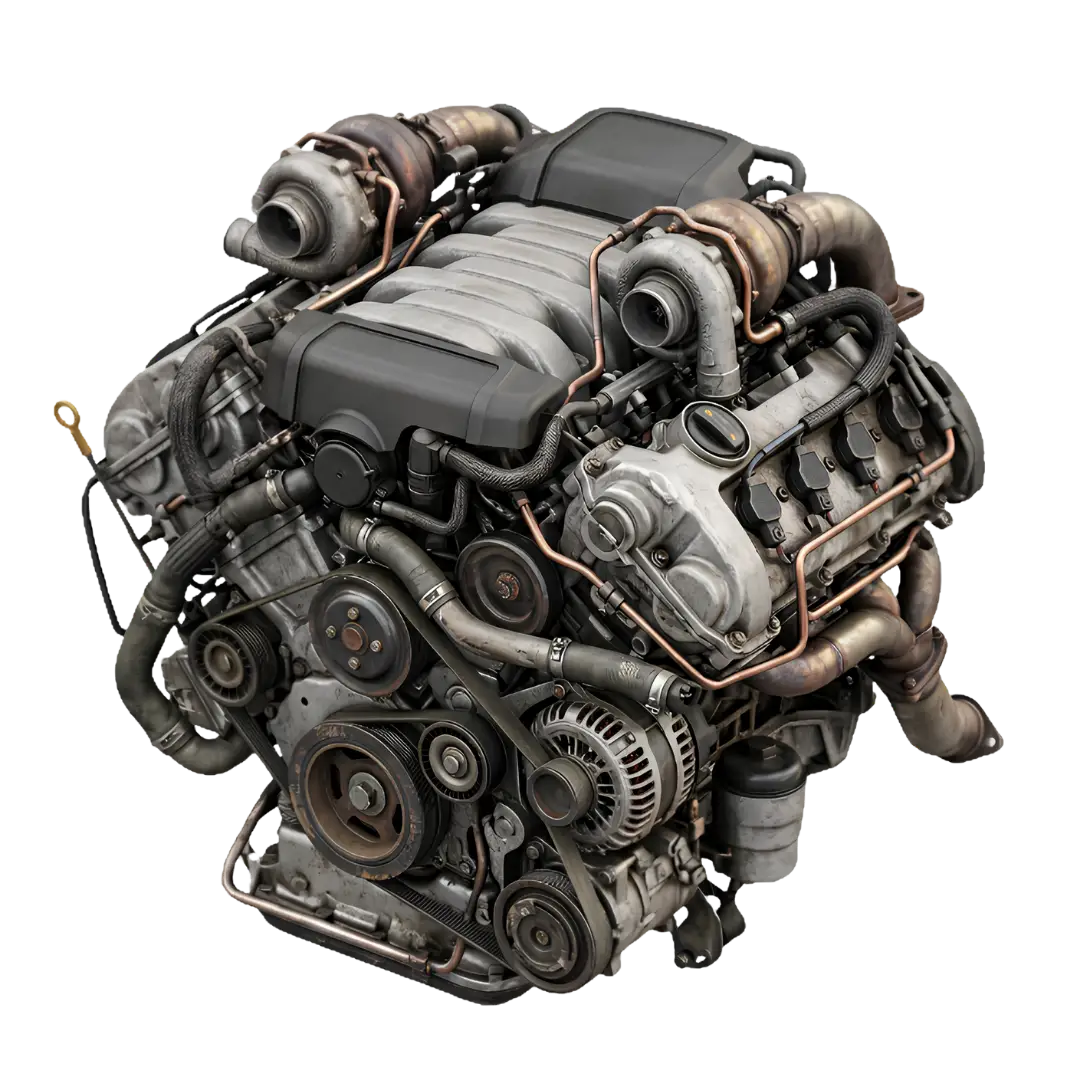 Engine Repair02
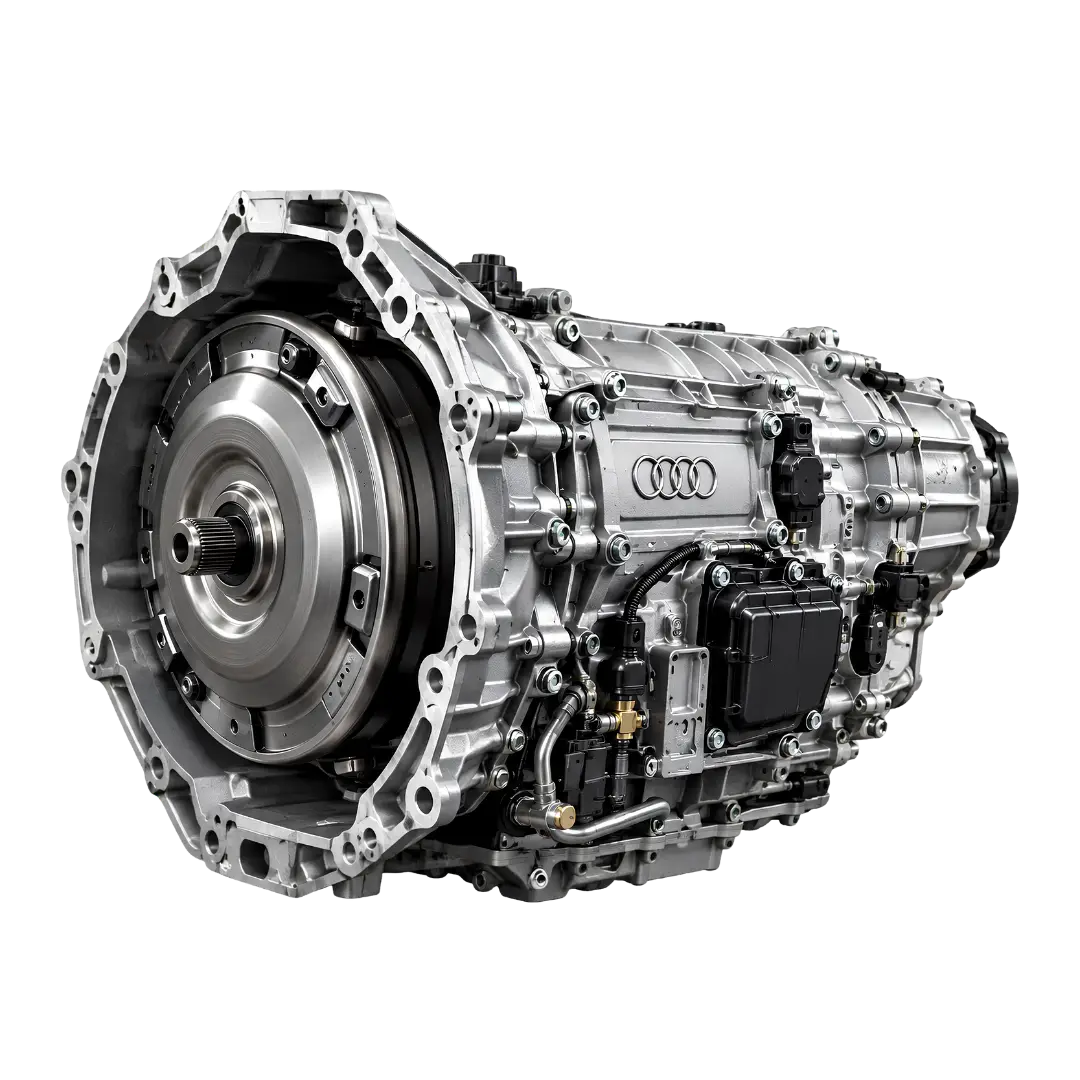 Transmission Repair03
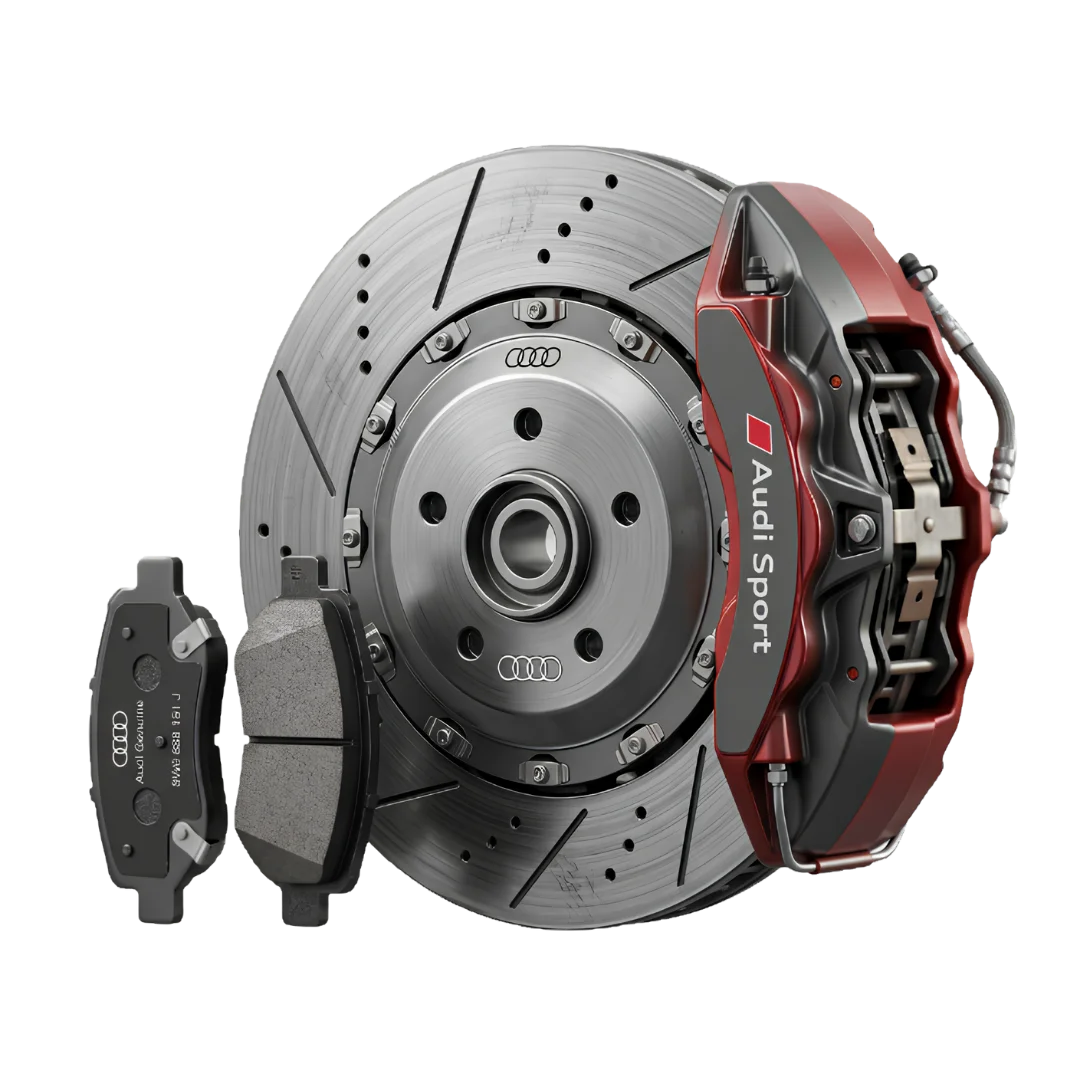 Brake Pads Replacement04
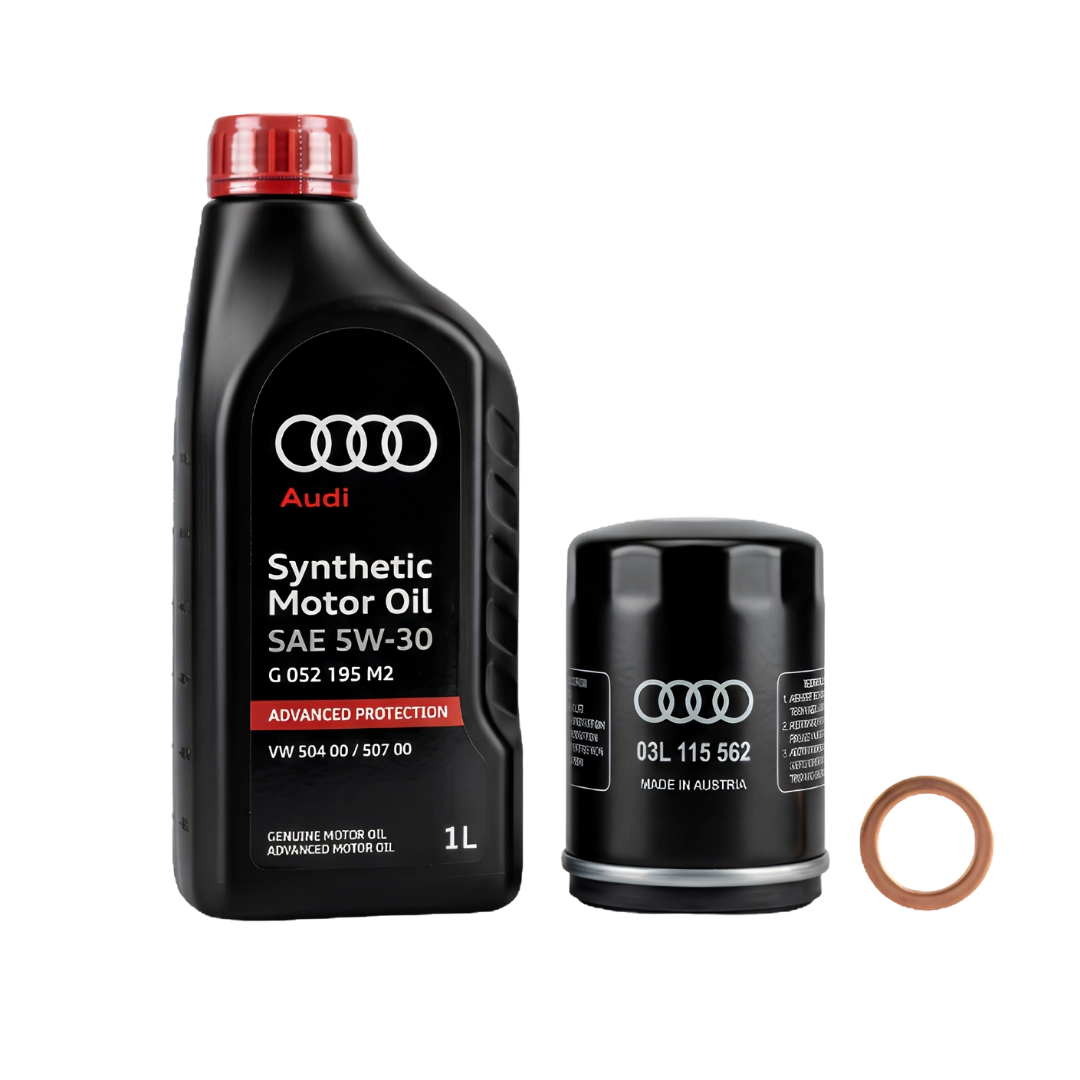 Oil Change05
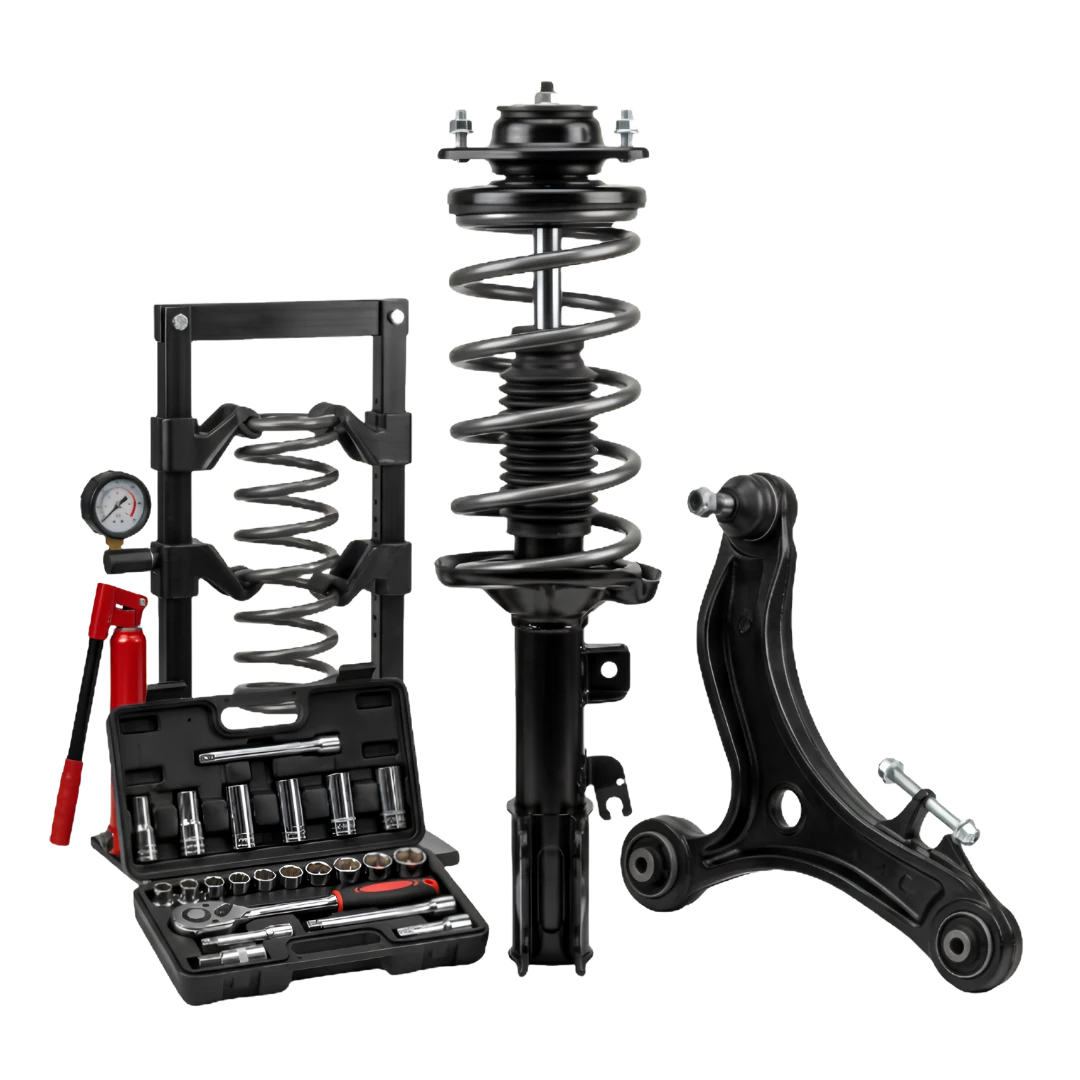 Suspension Repair06
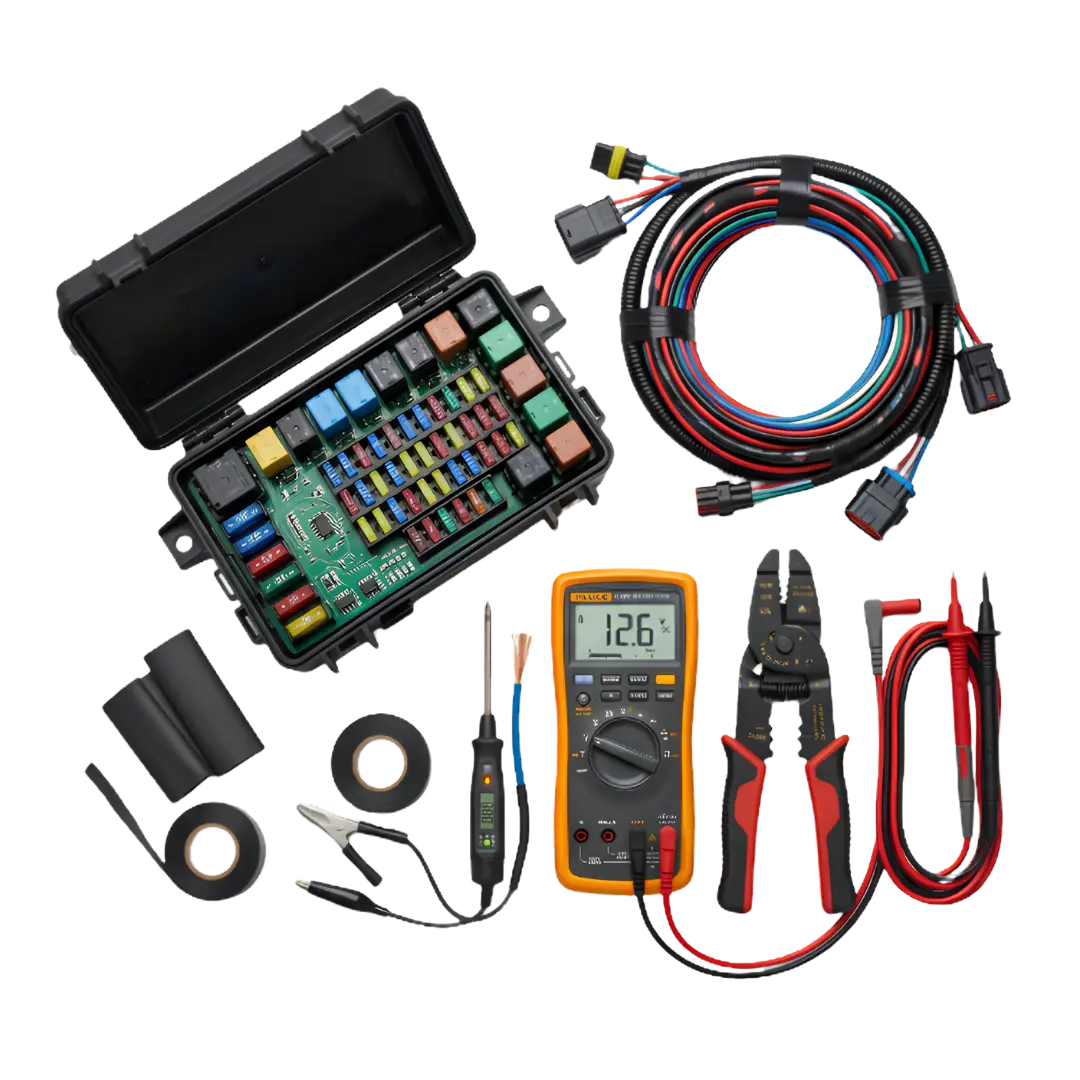 Car Electrical Repair07
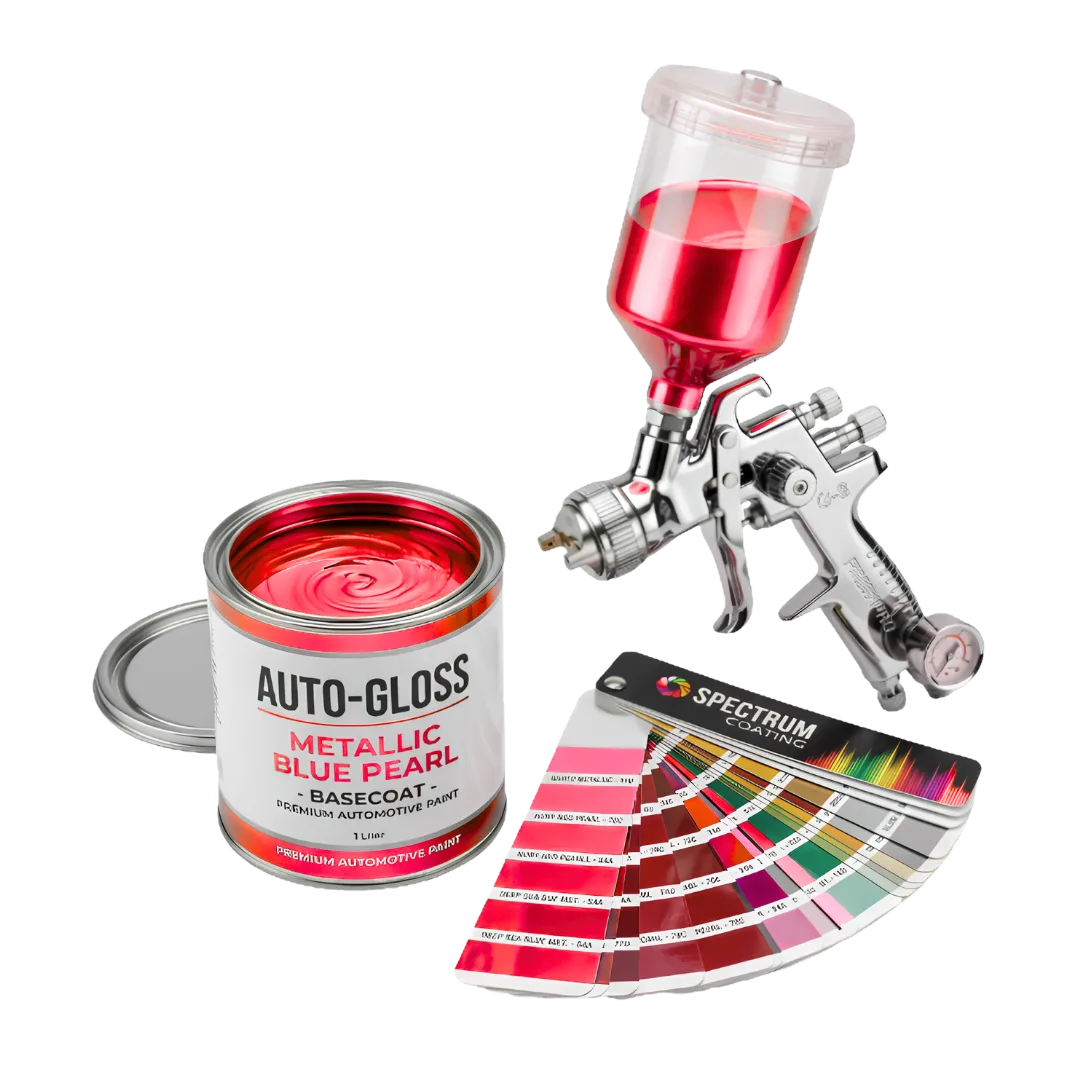 Body Paint08
 Pre Purchase Inspection09
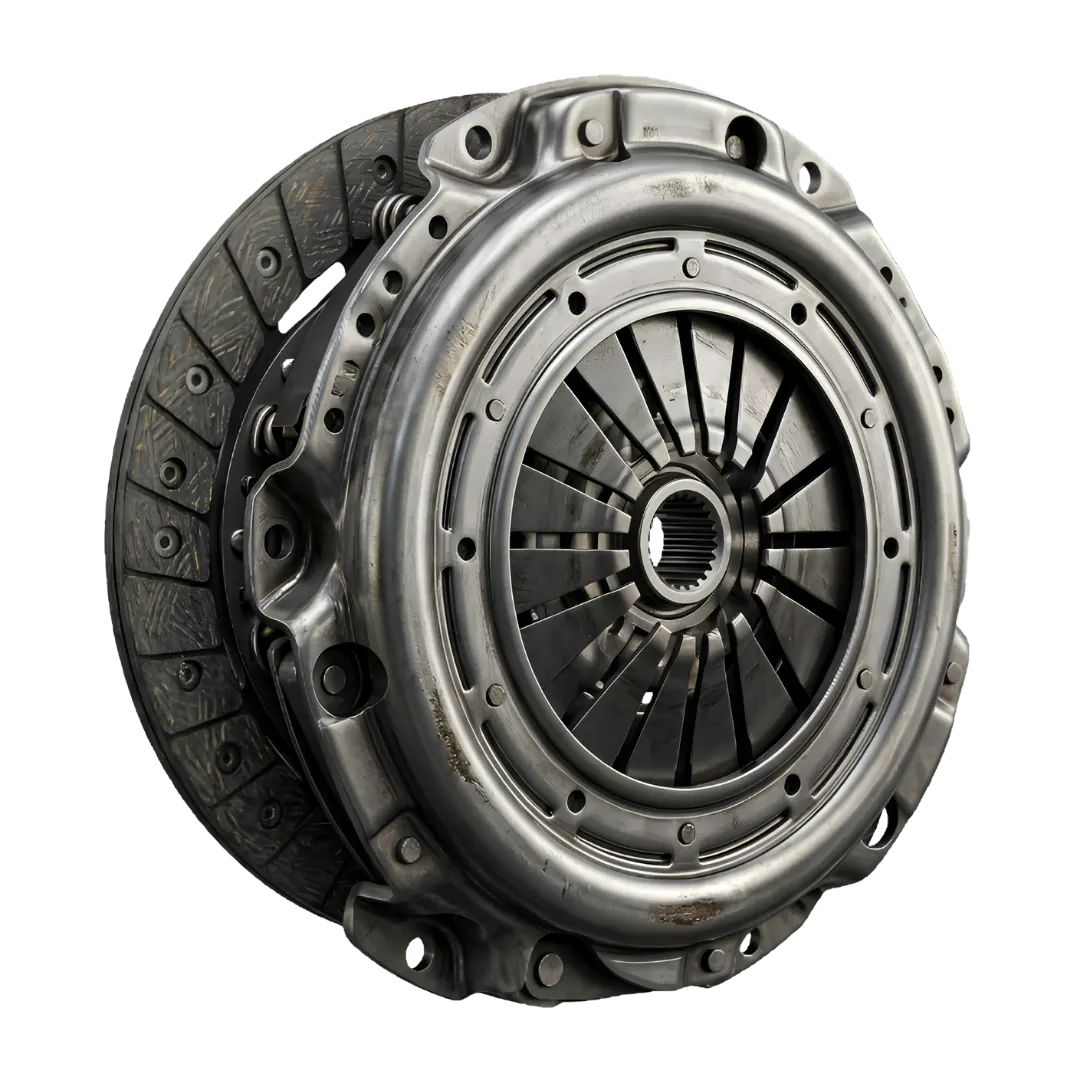 Clutch Replacement10
 Sanitisation11
 Timing Belt Replacement12
 Wheel Alignment13
 Window Tinting14
 Windshield Replacement15
 Gear Repair16
 Body Shop17
 Radiator Repair18
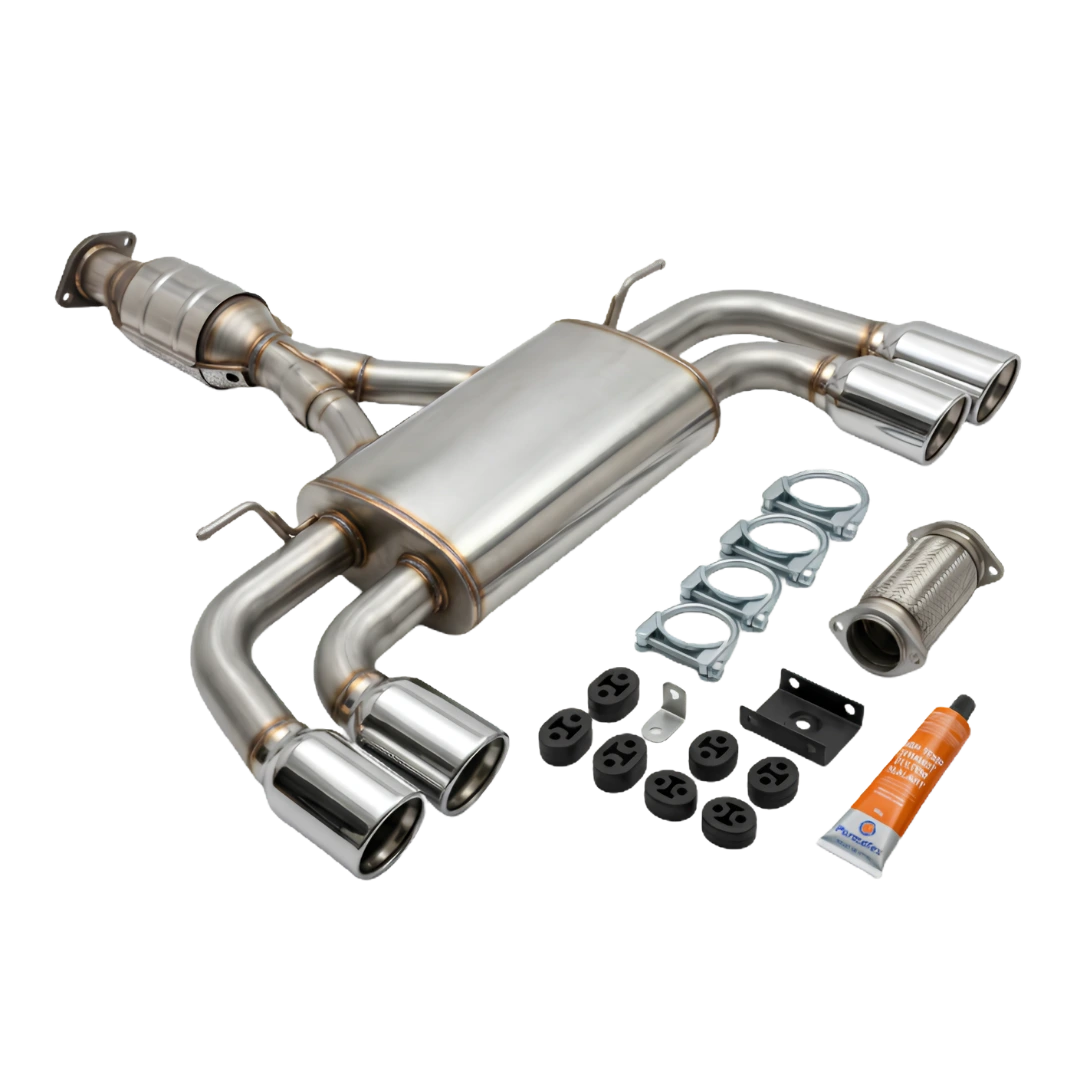 Exhaust Repair19
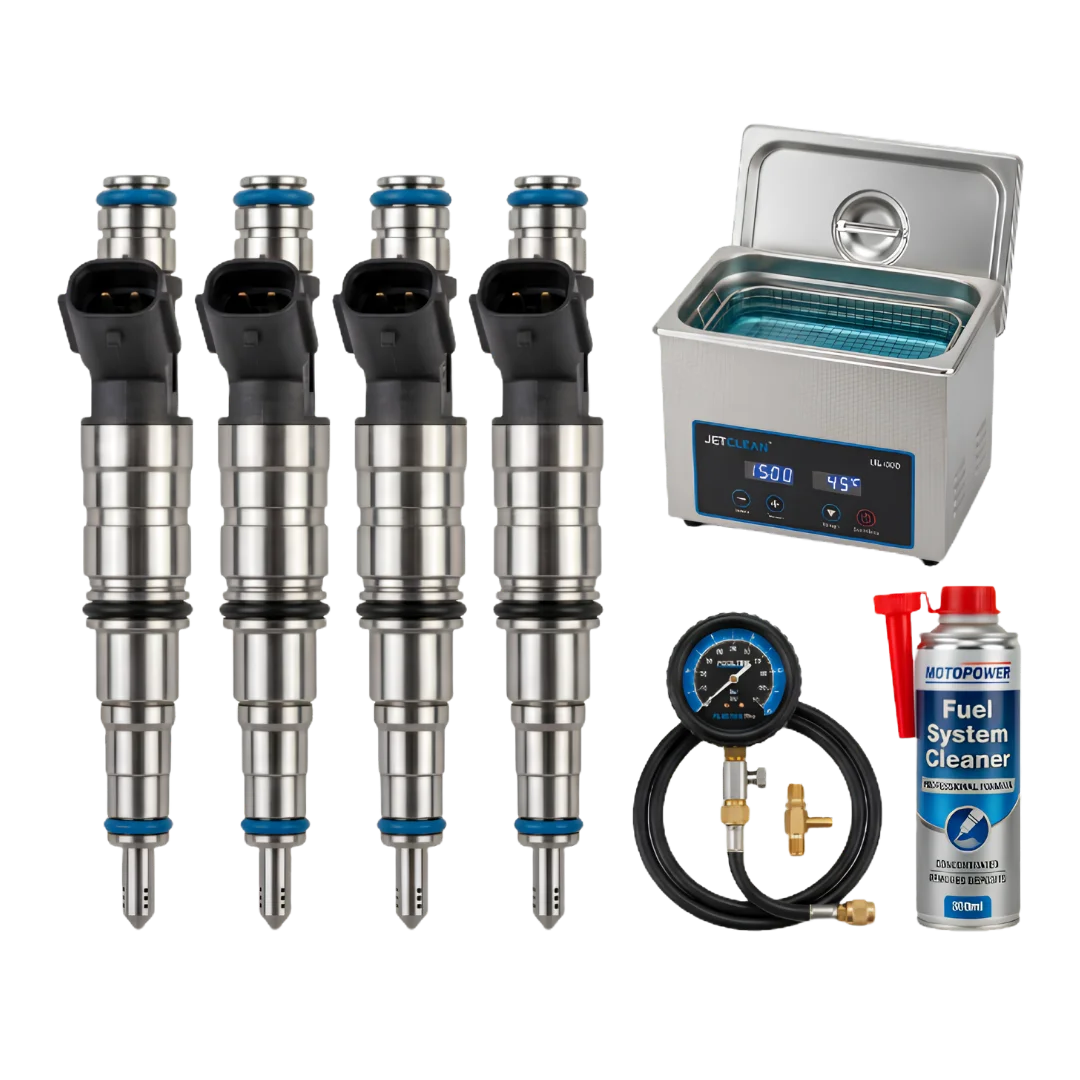 Injector Cleaning20
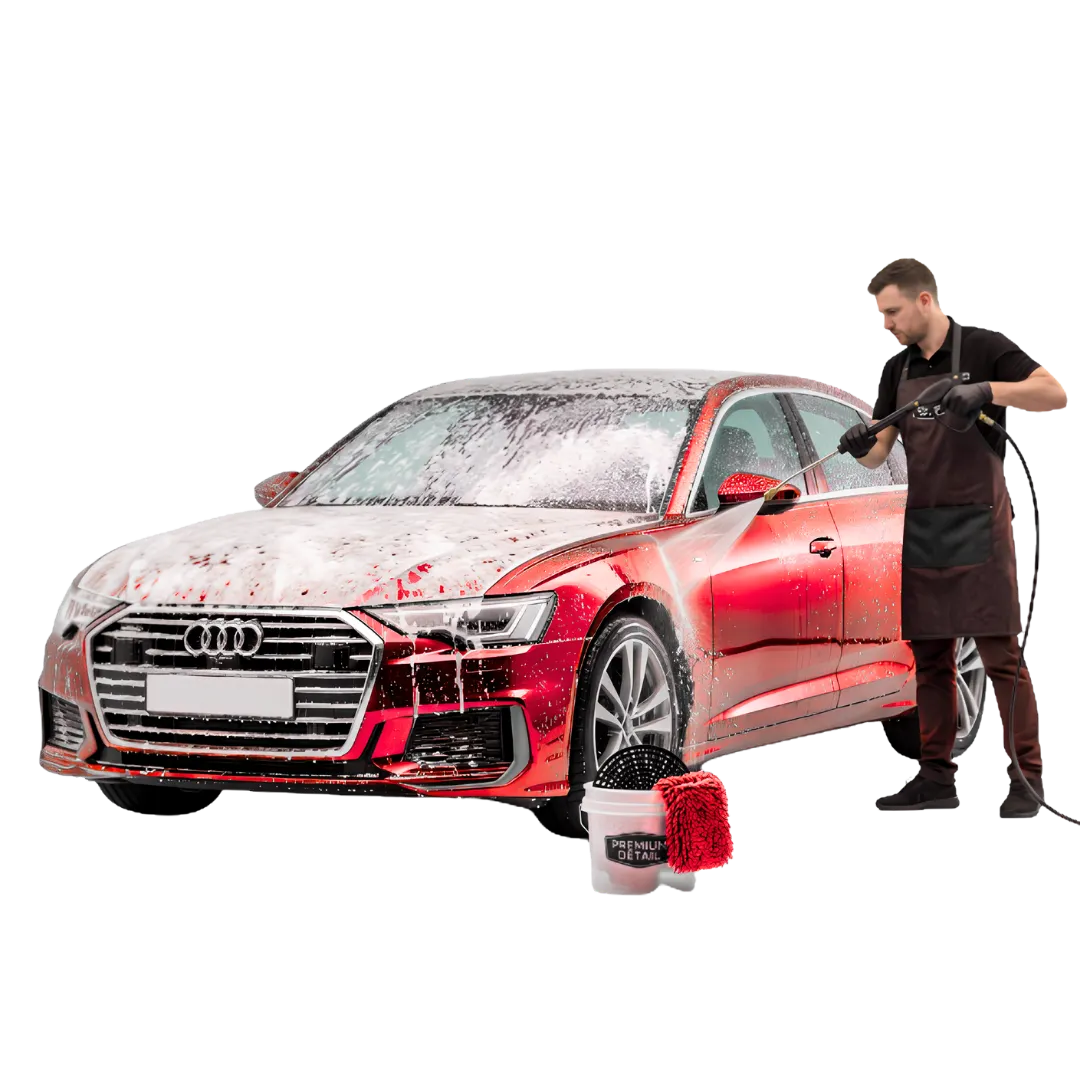 Car Wash21
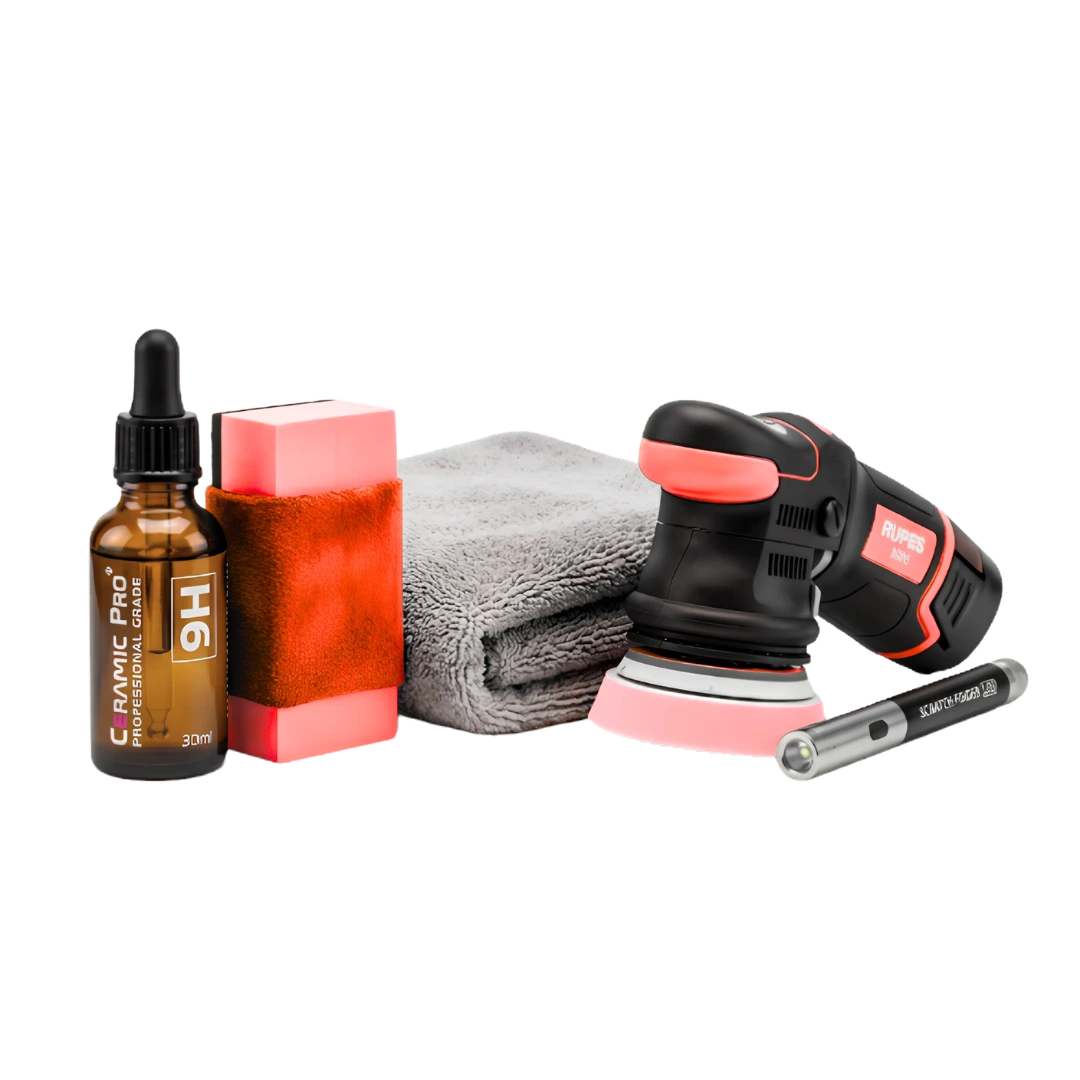 Ceramic Coating Service22
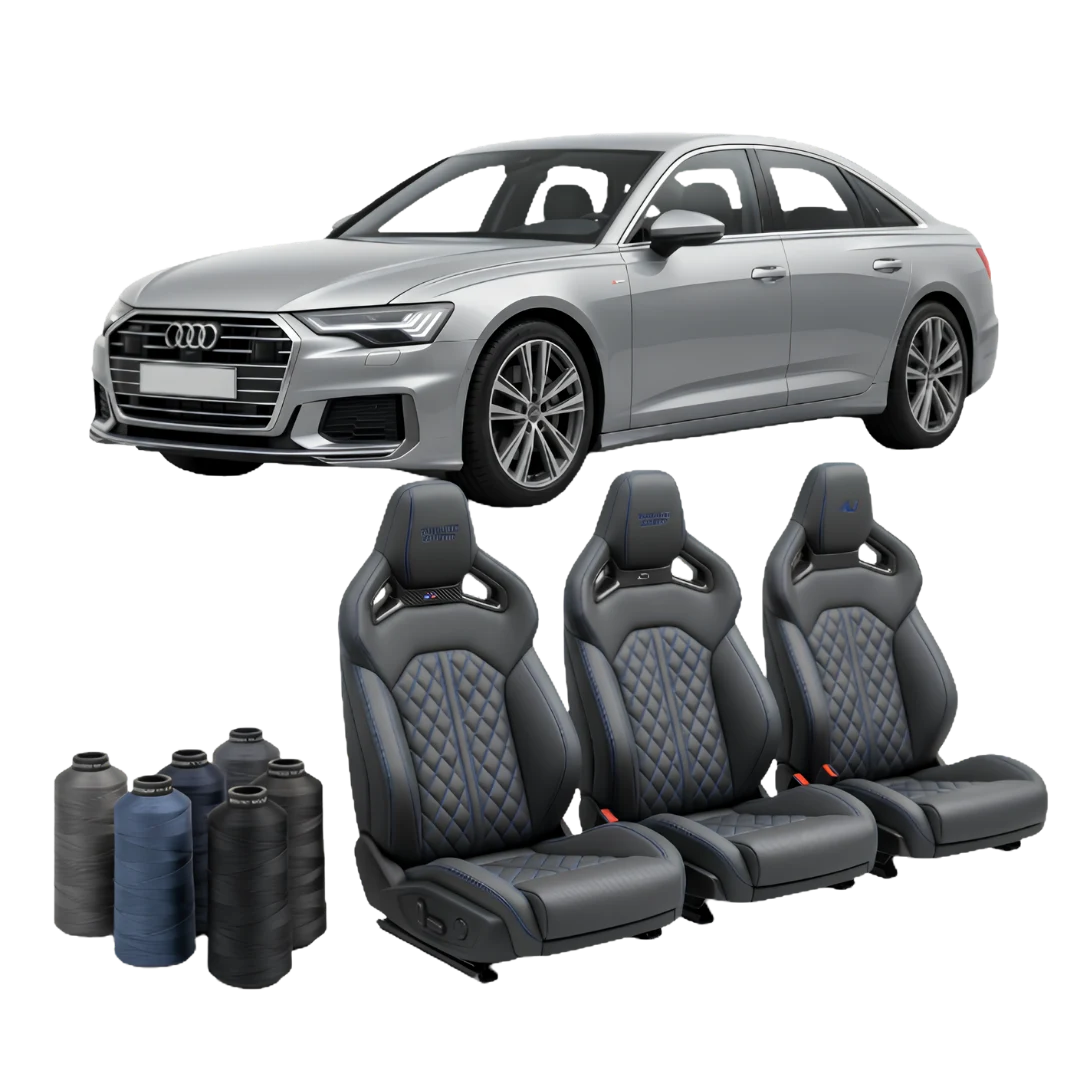 Upholstery Service23
 Car Tyre Change24
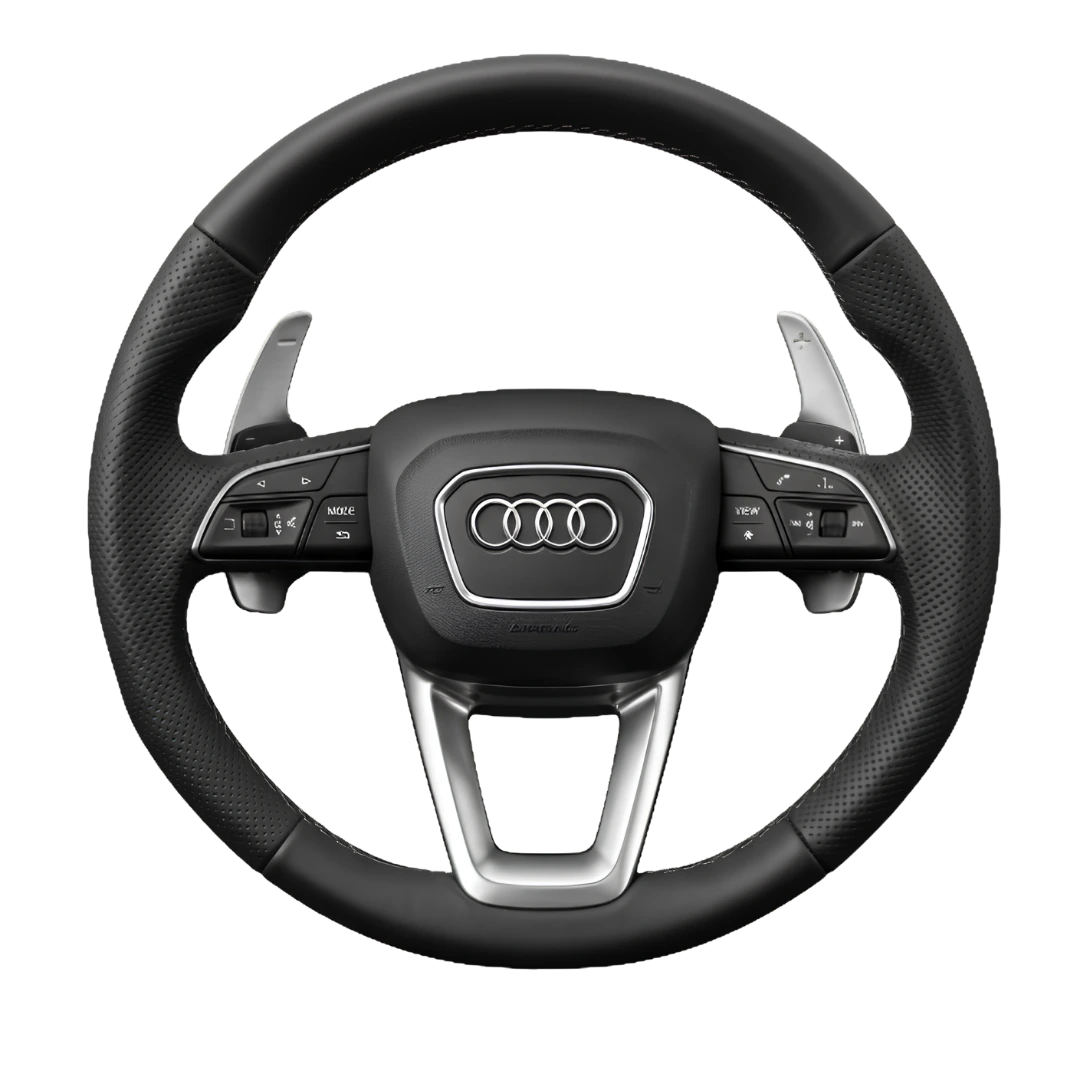 Car Steering Repair
 Audi specialist service
Zenfo Auto Services repairs and restores Audi upholstery in Abu Dhabi, covering Nappa leather, Milano leather, Alcantara, and factory cloth trim. Every panel is colour-matched to the original hide code, since Abu Dhabi sun ages leather faster than most owners expect.
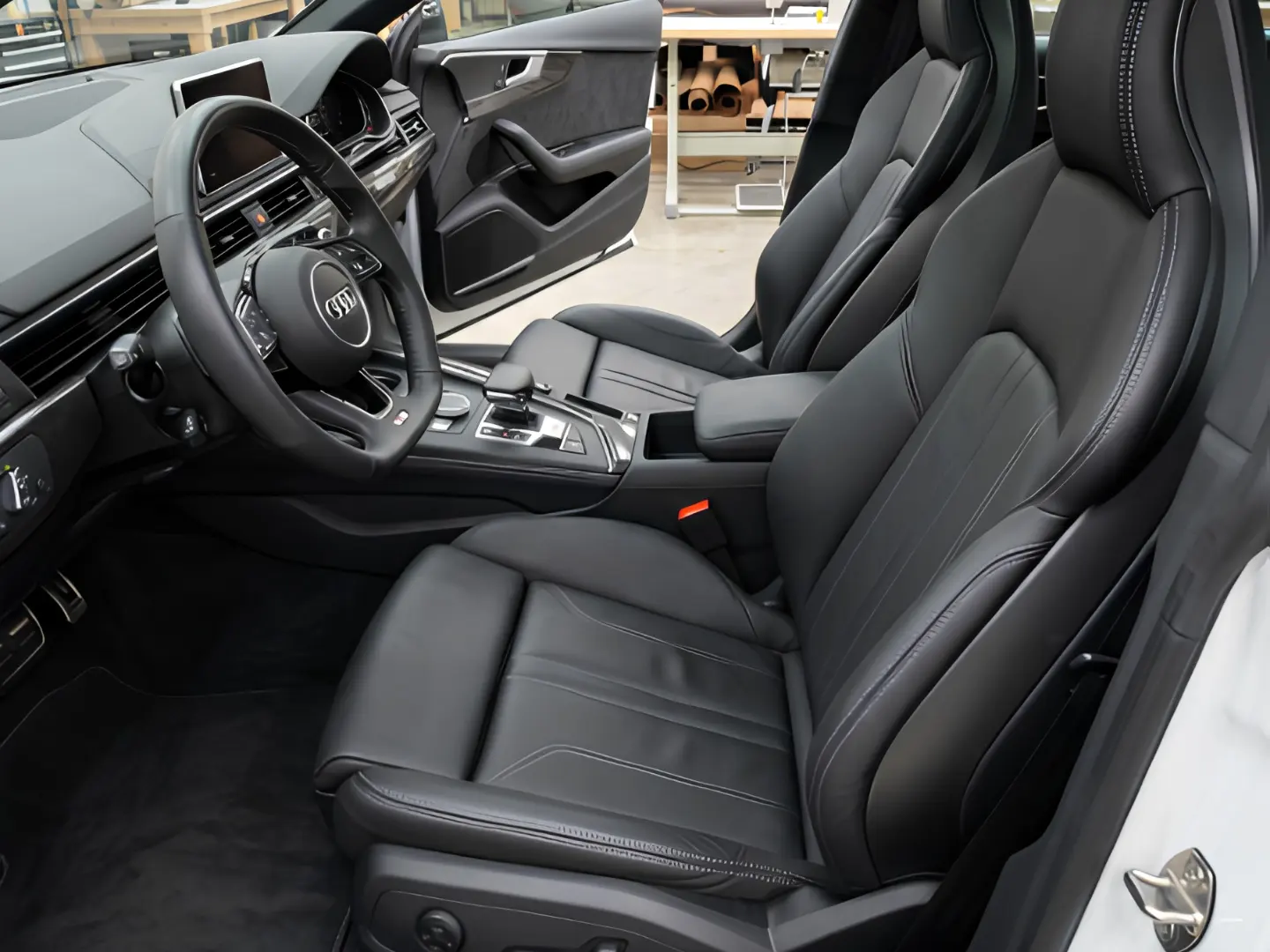
Interior trim fails slowly. Eight warning signs show up before the damage gets worse.
UV rays dry out the leather's finish coat, and the bolster cracks first because it flexes every time the driver gets in.
A driver's seat that fades lighter than the passenger seat usually means sun hits it through the side glass, rather than plain, even ageing.
Thread wears out faster than leather under UV and heat, so seams often fail before the leather itself does.
Moisture gets trapped inside foam padding. A failed headliner adhesive can also cause this. A quick cabin sanitisation only hides the smell. It does not fix the cause.
Foam compresses over time and loses density from years of heat, so the seat stops holding its factory shape.
The footwell sits in direct sun for hours every day, which fades the carpet pile faster than most owners expect.
Heat breaks the bond between the vinyl skin and its foam backing, so the surface lifts into small blisters before it visibly cracks.
Some stains survive a standard shampoo because the dye has already bonded into the fibre, and this needs panel-level treatment, not just cleaning.
Upholstery work covers 12 distinct services, since a cracked bolster and a torn headliner call for entirely different tools and materials.
Filler compound matched to the hide's flex properties is applied into the crack, then the surface is refinished and colour-matched so the repair does not show under direct light.
Full panels are recoloured using a spray-applied pigment matched to the factory hide code, restoring uniform colour across sun-faded and unfaded sections alike.
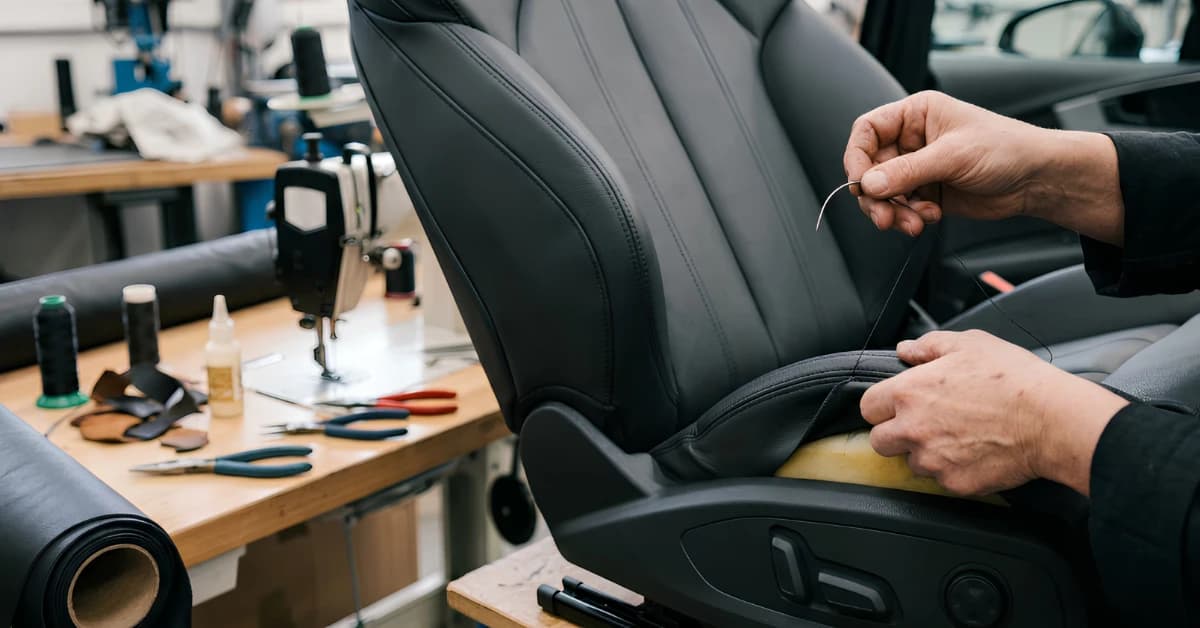
Failed thread is removed and replaced using the original stitch pattern and thread gauge, keeping the repair visually consistent with the untouched sections of the seat.
Compressed or split foam is replaced with density-matched padding, restoring the seat's original shape and support rather than just the surface appearance.
Worn or stained Alcantara on steering wheels and seat inserts is either deep-cleaned or replaced as a full panel, since Alcantara does not recolour the way leather does.
Sagging headliner fabric, usually caused by adhesive breakdown under heat, is replaced with OEM-pattern material bonded correctly to prevent the same failure recurring.
Leather or vinyl door card panels are recoloured or re-covered, addressing the wear pattern that builds up at the armrest and handles contact points.
Cracked or faded dash-top surfaces are repaired using a flexible compound designed for the dashboard's constant thermal expansion and contraction.
Worn leather or Alcantara on the steering wheel rim is replaced with hand-stitched material matched to the original grip pattern and stitch count.
Sun-bleached or torn factory carpet is replaced with OEM-pattern carpet cut to the exact footwell shape, including the correct pile height and backing.
Cabin air is tested for the source of persistent odour, and affected foam or fabric layers are treated or replaced rather than masked with a temporary fragrance.
A UV-resistant protective coating is applied after any repair, slowing the next cycle of cracking and fading under sustained Abu Dhabi sun exposure.
Every recolouring job starts with your Audi's factory hide code, pulled from the door jamb plate, so the repaired panel matches the untouched leather under both daylight and interior lighting.
Seam repairs follow the original stitch count, thread gauge, and pattern rather than a generic straight stitch, keeping the repair invisible against factory panels.
Replacement foam is selected by density rating to match the original seat, since foam that is too soft or too firm changes how the seat feels within weeks.
Recoloured leather is finished with a coating formulated for high UV exposure, extending the interval before the same panel fades or cracks again.
Damage is repaired at the panel level wherever the hide allows it, avoiding the cost and colour-matching risk of replacing an entire seat cover unnecessarily.
Recolouring, stitching, and panel replacement work carries a written guarantee covering both material failure and colour consistency.
A parked car in direct summer sun can pass 60°C inside. This is well past the point where leather finish coats start to soften and crack.
UV breaks down leather pigment, Alcantara fibre, and stitching thread fast. This happens even through glass with legal window tinting.
Sand particles work their way into stitching and seam gaps. They act like an abrasive every time the seat flexes.
Overnight condensation followed by fast daytime heat puts stress on foam-backed panels. It also speeds up headliner adhesive failure.
Villa driveways and open-air office parking leave dashboards and seat tops in direct sun for hours. Damage builds up fastest on the upper-facing surfaces.
Chrome window surrounds and glass bounce extra radiant heat back onto nearby leather. This adds to the damage beyond direct sun alone.
The cabin swings between hot and cold air on every drive. This expands and contracts leather and adhesive layers again and again.
Ongoing building work across the city adds fine dust to the air. It lodges in seams and door card creases faster than routine cleaning can remove it.
Audi fits different upholstery materials across model lines and trim grades, and each one needs a different repair approach.
| Material | Common on | Repair method | UV sensitivity |
|---|---|---|---|
| Nappa leather | A6, A8, Q7, Q8 upper trims | Colour-matched recolouring, panel replacement | High |
| Milano leather | A3, A4, Q3, Q5 standard trims | Crack filling, recolouring | High |
| Alcantara | S line and RS steering wheels, seat inserts | Fibre cleaning, panel replacement | Moderate |
| Leatherette (vinyl-backed) | Door cards, lower trim panels | Recolouring, seam re-bonding | Moderate |
| Cloth | Base-spec seats, some SQ models | Deep cleaning, panel replacement | Low |
Alcantara and leather are frequently combined on the same seat, and recoloured panels are matched to the same shade code system used for body paint touch-ups, so a repair job often needs two techniques and two reference codes on one panel rather than one.
Six stages, typically completed within one to three working days depending on the scope of the damage.
Every affected panel is inspected under natural light to identify cracking, fading, seam failure, and foam condition, and the hide code is confirmed against the door jamb plate.
Pigment or replacement material is matched against the factory code, then tested on a hidden section of the panel to confirm the match before full application.
Damaged leather is cleaned, degreased, and lightly abraded where recolouring is planned, since pigment applied over residue or old finish coat fails to bond properly.
Cracks are filled, seams are restitched, or panels are replaced, using the technique appropriate to the specific material and damage type identified during assessment.
Recoloured surfaces are sprayed in controlled layers and cured under heat, building an even finish that matches the surrounding leather's texture and sheen.
The completed panel is inspected under daylight and interior lighting, then finished with a UV-resistant protective coating before the car is released.
Owners often assume every material repairs the same way. That assumption leads to a mismatched result.
Leather can be recoloured. Pigment bonds well to its finish coat. This lets a faded or cracked panel return close to its original colour and texture.
Alcantara cannot be recoloured the same way. Its surface is a woven microfibre, not a coated hide. A stained or worn panel is cleaned first. If cleaning cannot fix it, we replace the panel.
Cloth trim sits between the two. Deep cleaning fixes most staining. But tears and burns need a like-for-like fabric panel, not a colour-matched repair.
A cracked seat bolster or a faded dash panel rarely means the whole interior needs replacing. Send us photos of the affected panels, and we confirm the repair method, material match, and price before you commit. We run a complete Audi workshop in Abu Dhabi, covering everything from engine repair to body shop work. Book Audi repair in Abu Dhabi online, or call Zenfo Auto Services for an upholstery slot this week.
Most cracking can be repaired through filling and recolouring. This works as long as the leather has not torn through. A full panel replacement is only needed if the hide has split, not just cracked at the surface.
Yes. Recolouring is matched against your specific hide code. We test it on a hidden section before full application. This keeps the repaired panel consistent with the rest of the leather, in daylight and under interior lights.
A single panel repair, like a bolster crack, usually takes one working day. Full recolouring across multiple seats, or a headliner replacement, typically takes two to three days.
No. Alcantara is a woven microfibre, not a pigment-coated hide. It does not accept recolouring the same way. A worn or stained panel is deep-cleaned first, then replaced if cleaning cannot restore it.
The dashboard top sits in direct, unshaded sun for longer than the seats. It reaches higher surface temperatures. This speeds up the same UV-driven cracking seen on the seat bolsters.
No. Independent trim repair using colour-matched and OEM-pattern materials keeps your manufacturer warranty intact under UAE consumer law. This applies as long as the repair does not involve structural seat components.
A persistent odour usually comes from moisture trapped in seat foam, or from a failing headliner adhesive, so we treat the source directly rather than masking it with fragrance.
Yes. A UV-resistant protective coating applied after repair slows the next round of cracking and fading. It extends the time before the same panel needs attention again under Abu Dhabi's sun.