
Pre-Wash Foam Decontamination
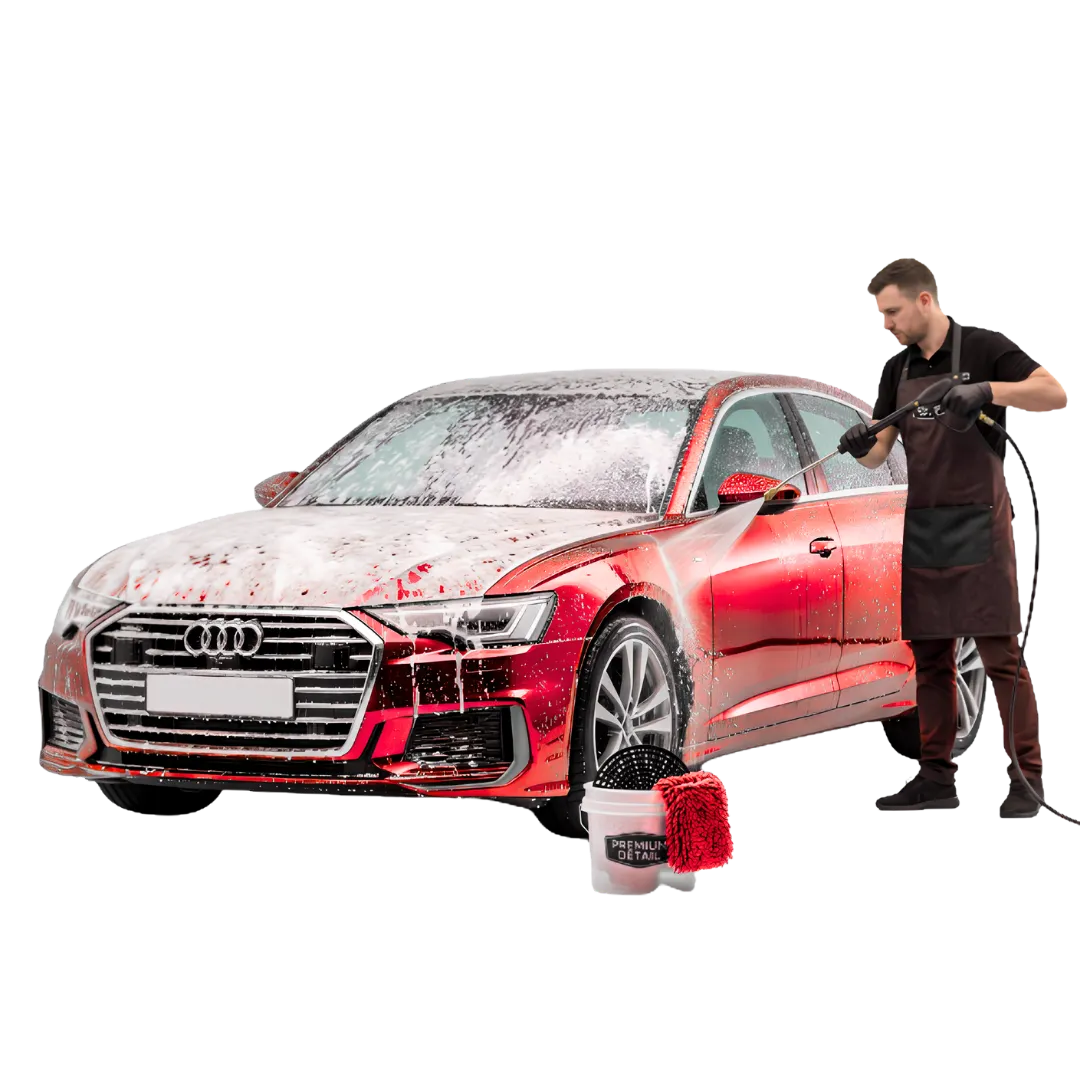
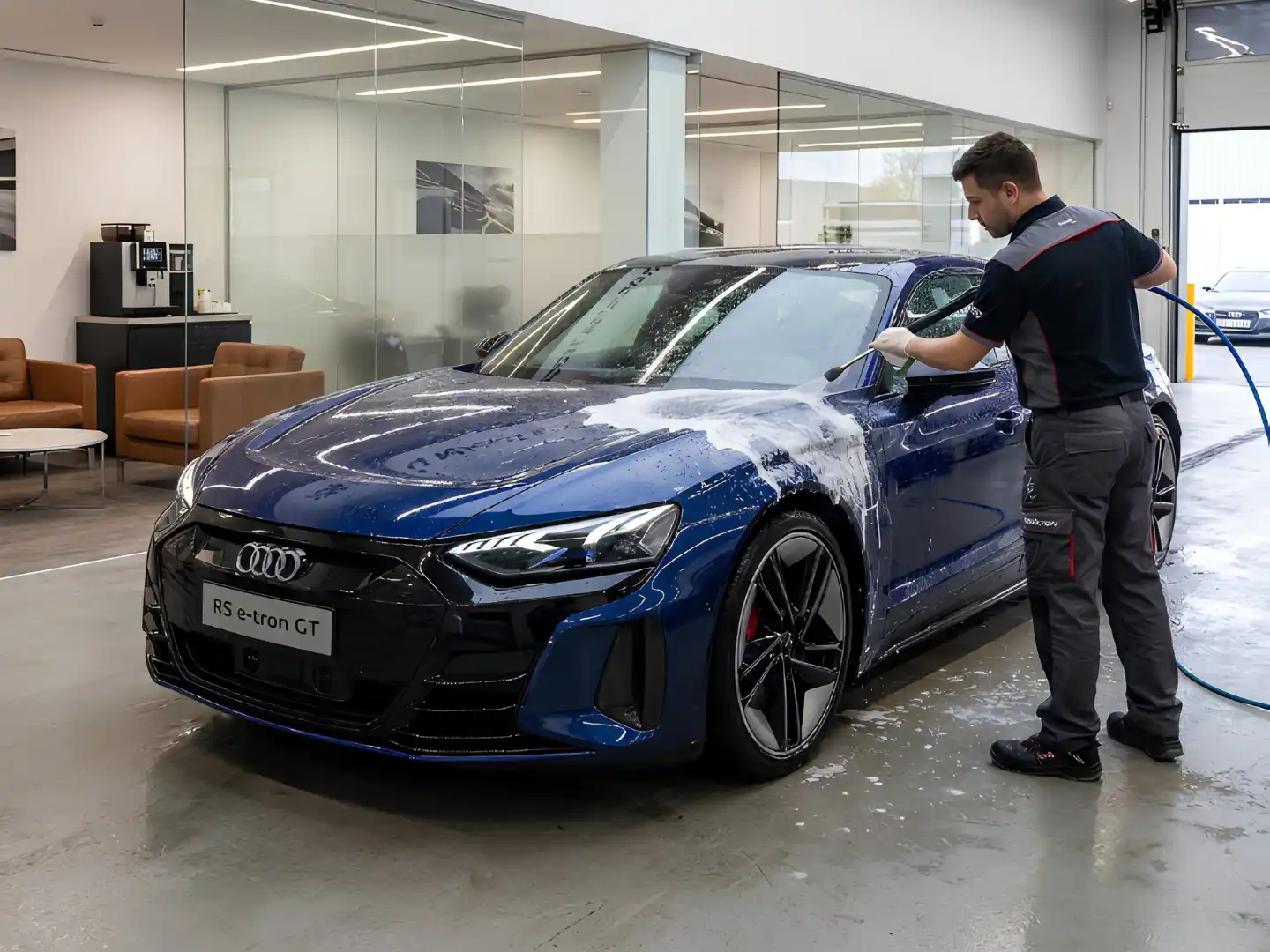
A pH-neutral foam sits on the paint for several minutes, loosening dirt before any contact wash begins. This step lifts the bulk of surface grime off before a mitt ever touches the panel.
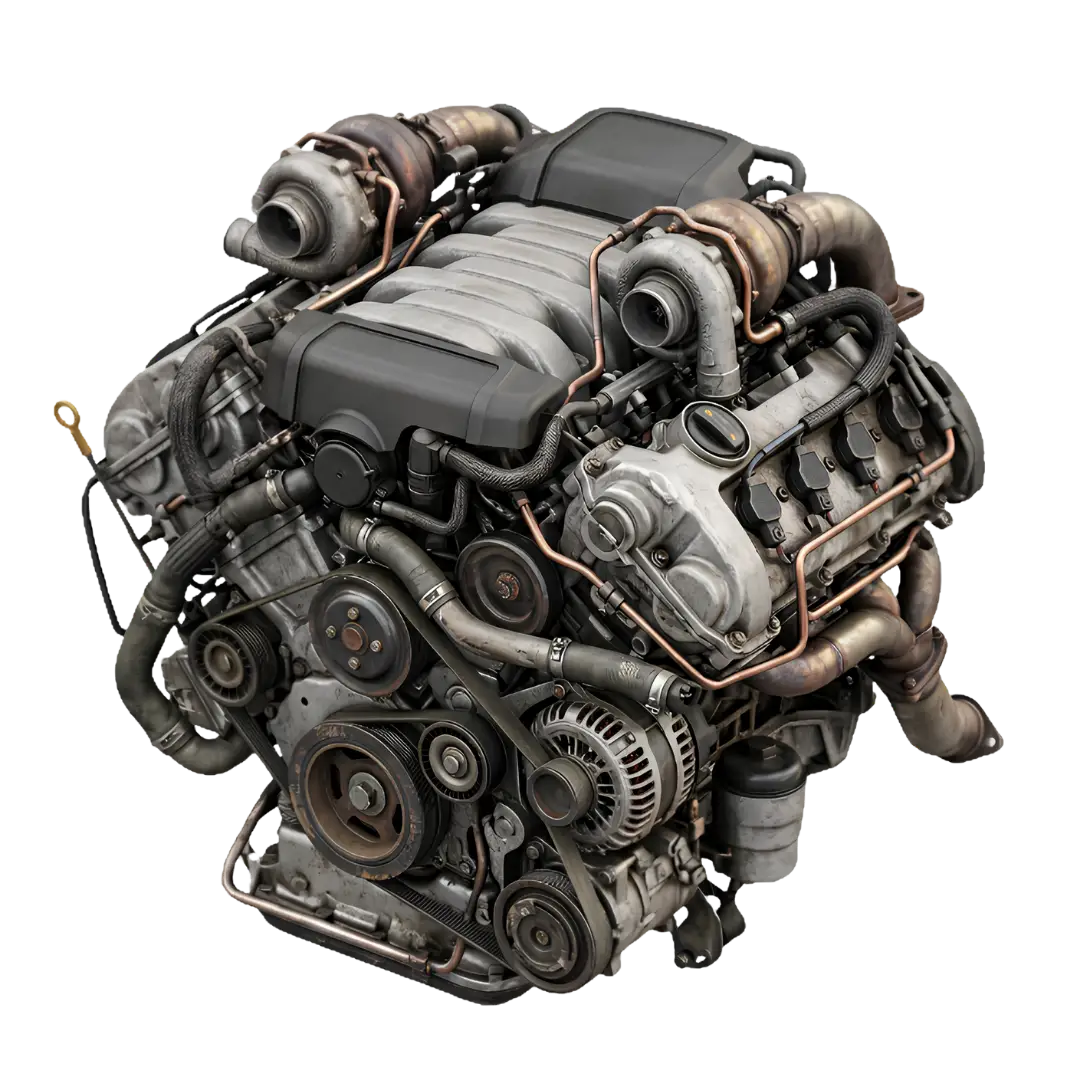 Engine Repair02
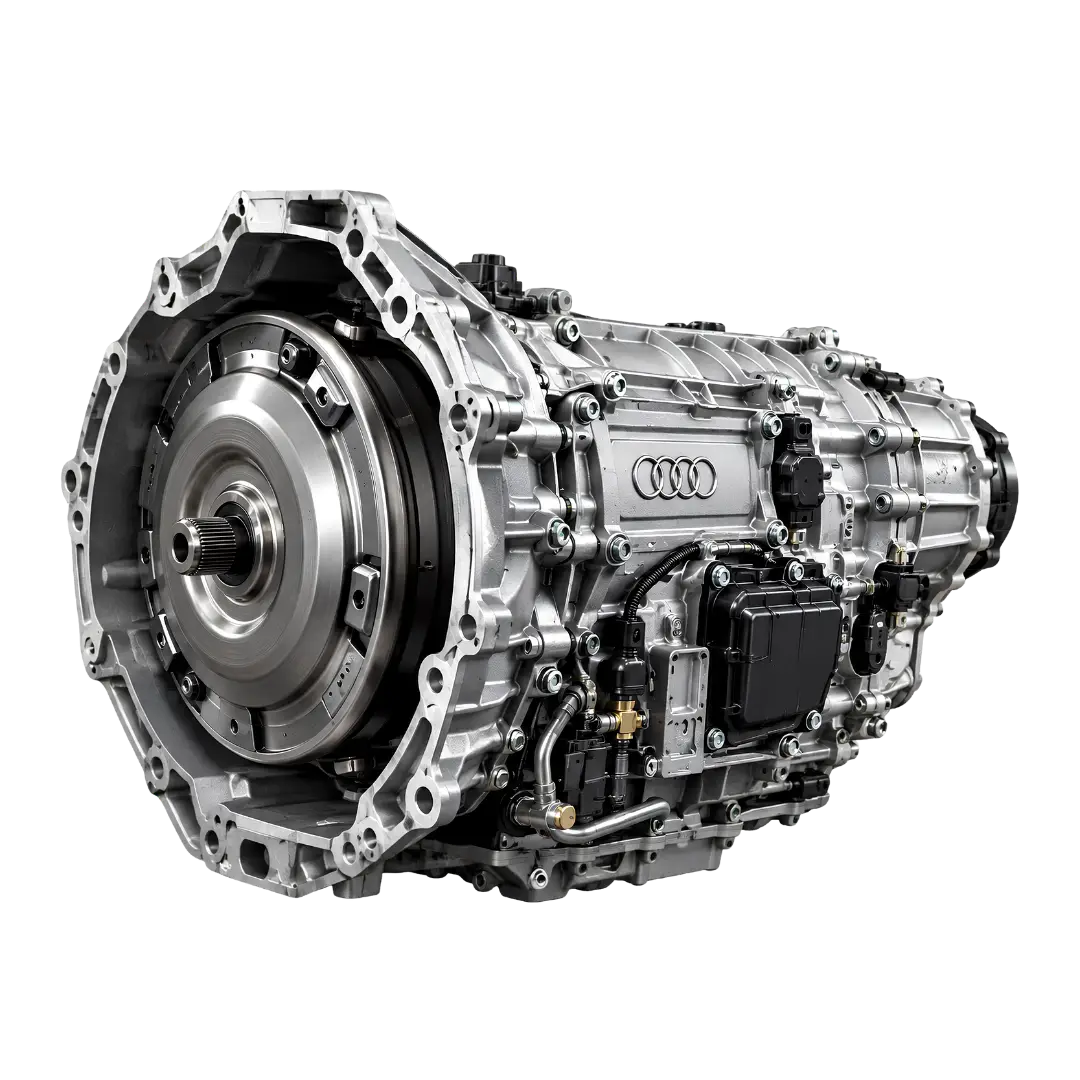 Transmission Repair03
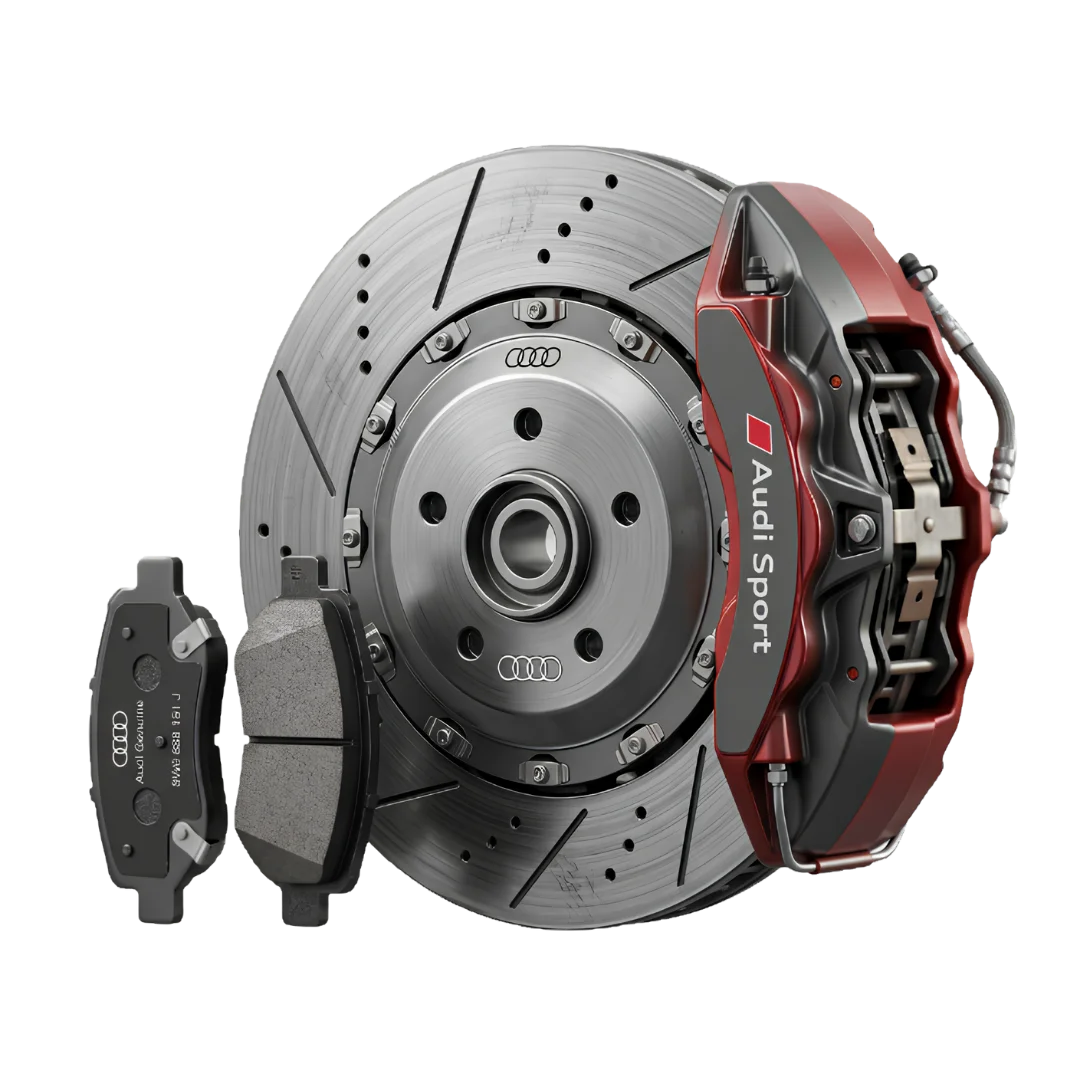 Brake Pads Replacement04
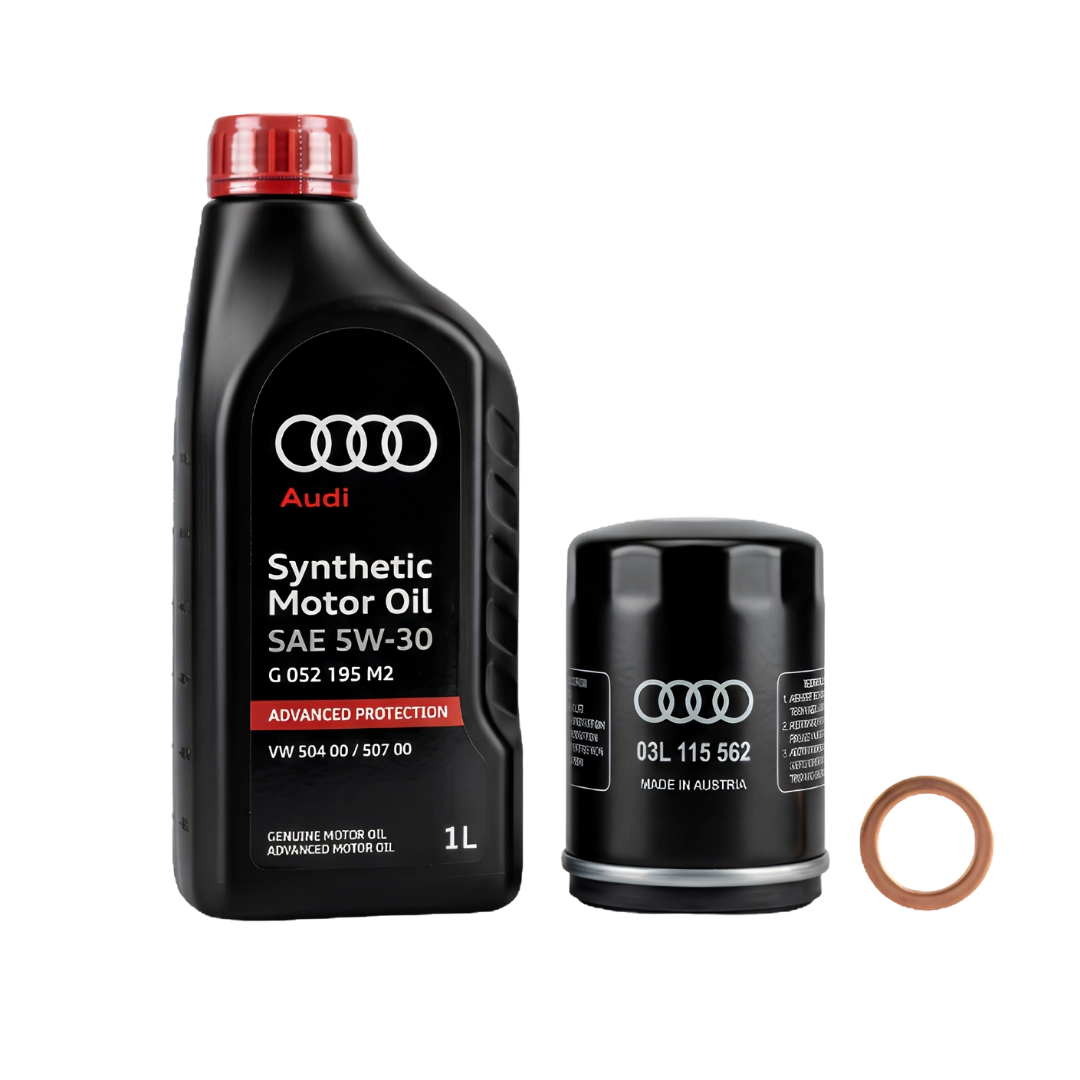 Oil Change05
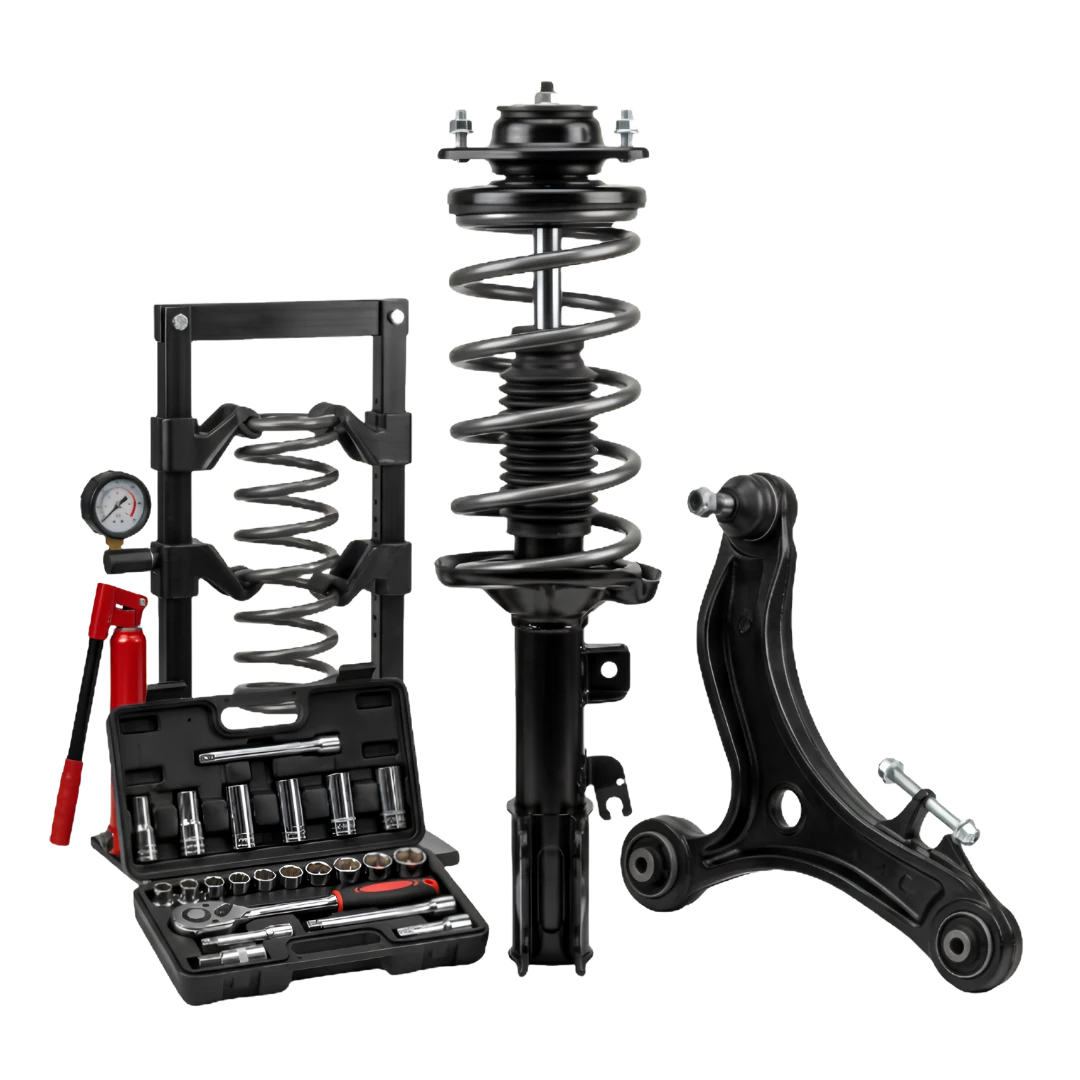 Suspension Repair06
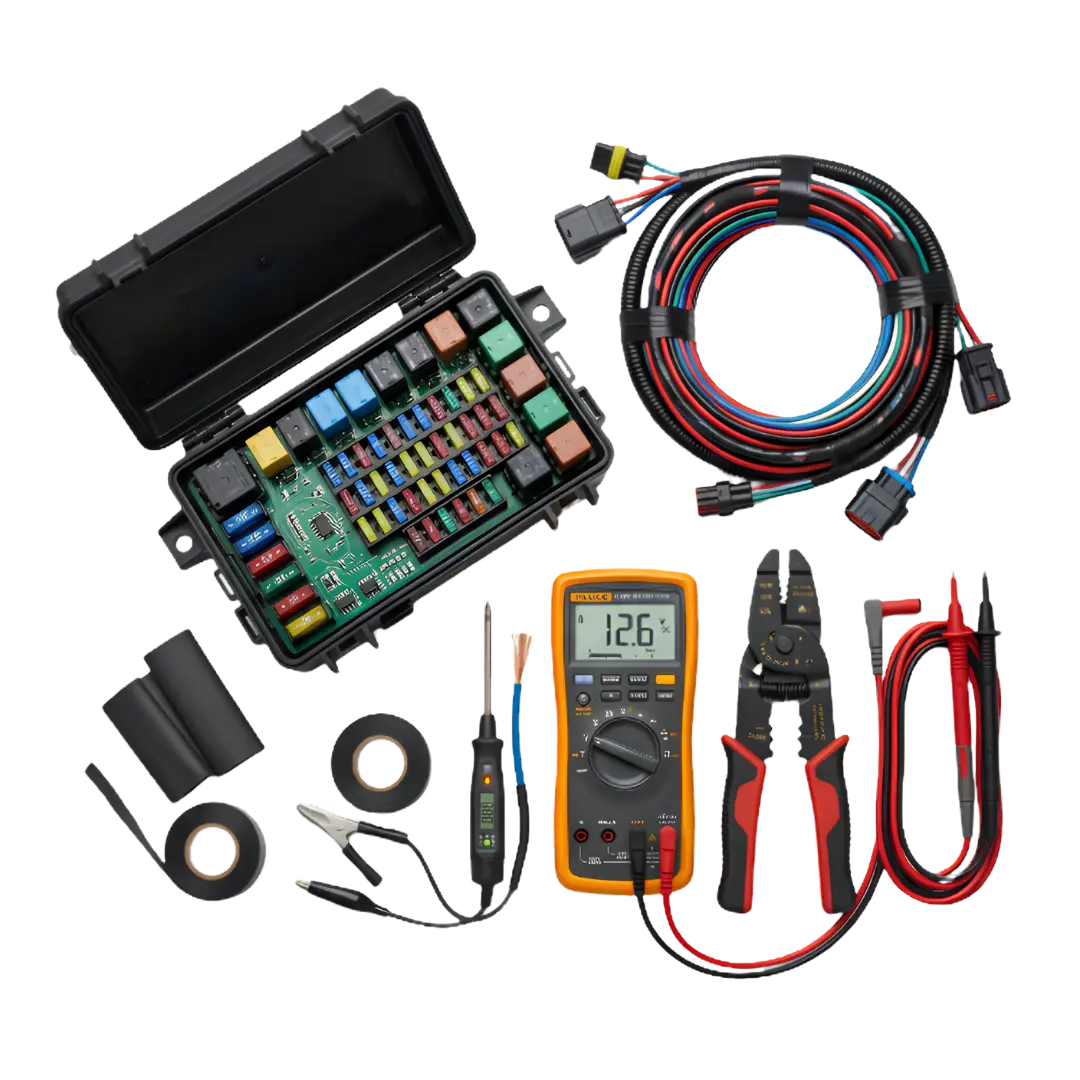 Car Electrical Repair07
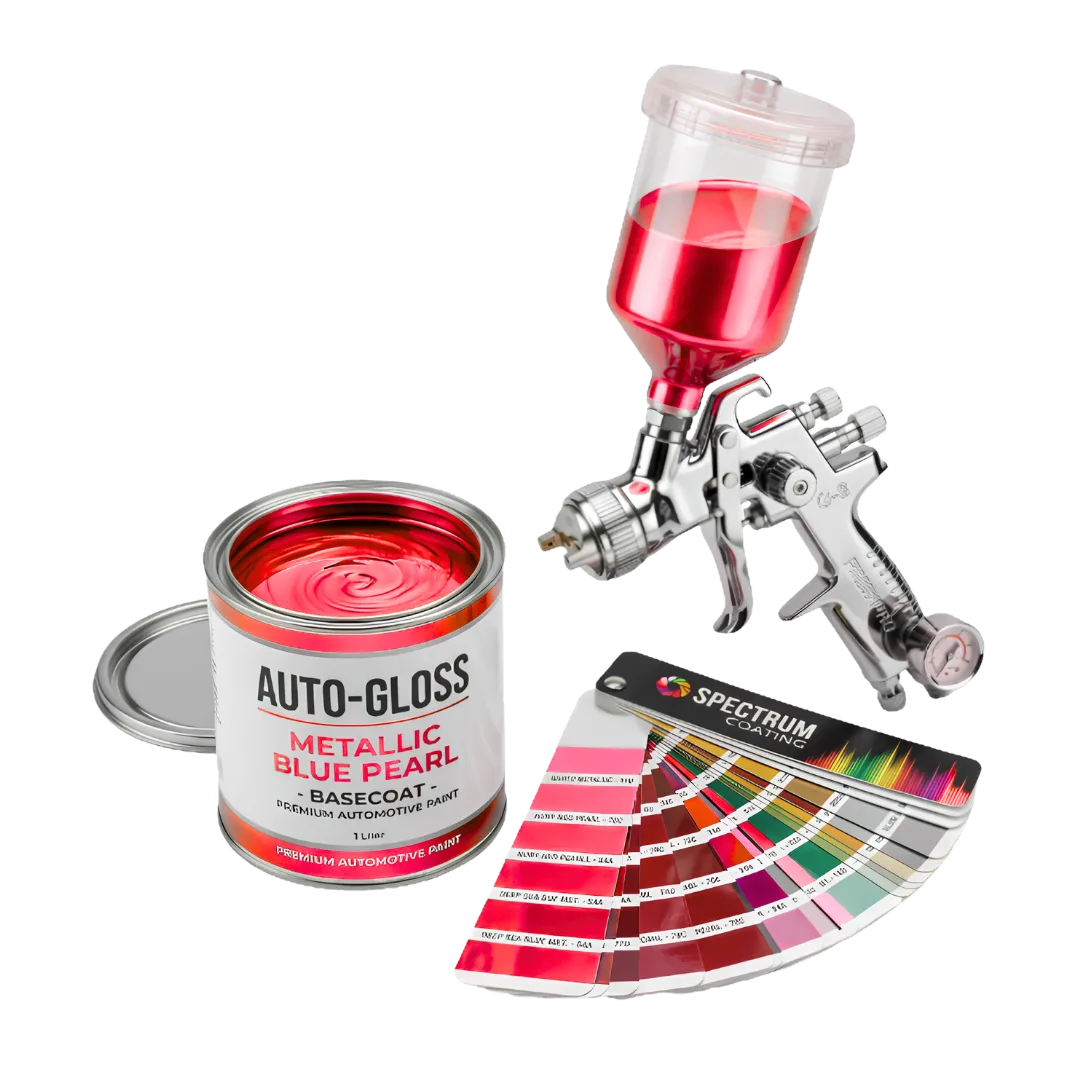 Body Paint08
 Pre Purchase Inspection09
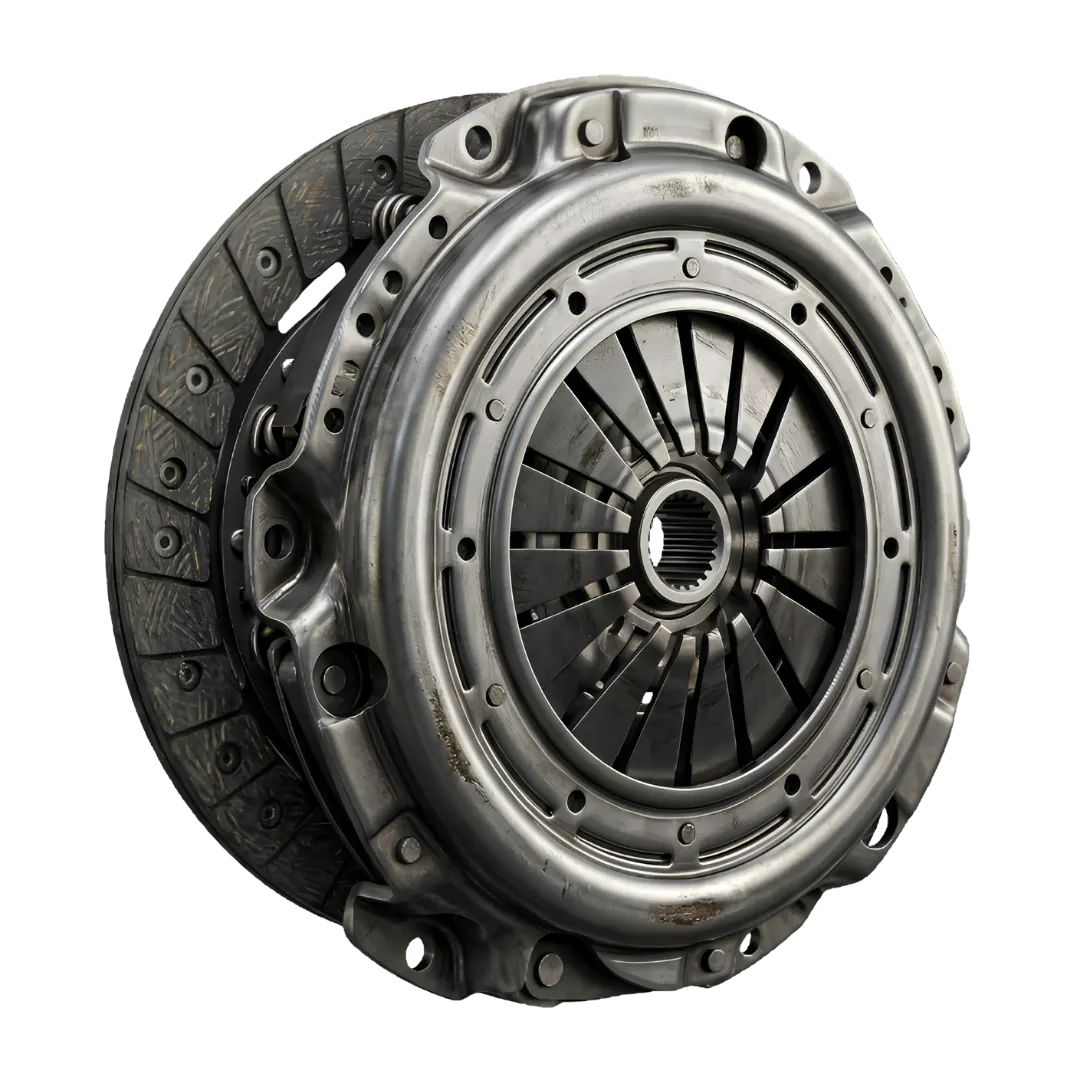 Clutch Replacement10
 Sanitisation11
 Timing Belt Replacement12
 Wheel Alignment13
 Window Tinting14
 Windshield Replacement15
 Gear Repair16
 Body Shop17
 Radiator Repair18
 Exhaust Repair19
 Injector Cleaning20
 Car Wash21
 Ceramic Coating Service22
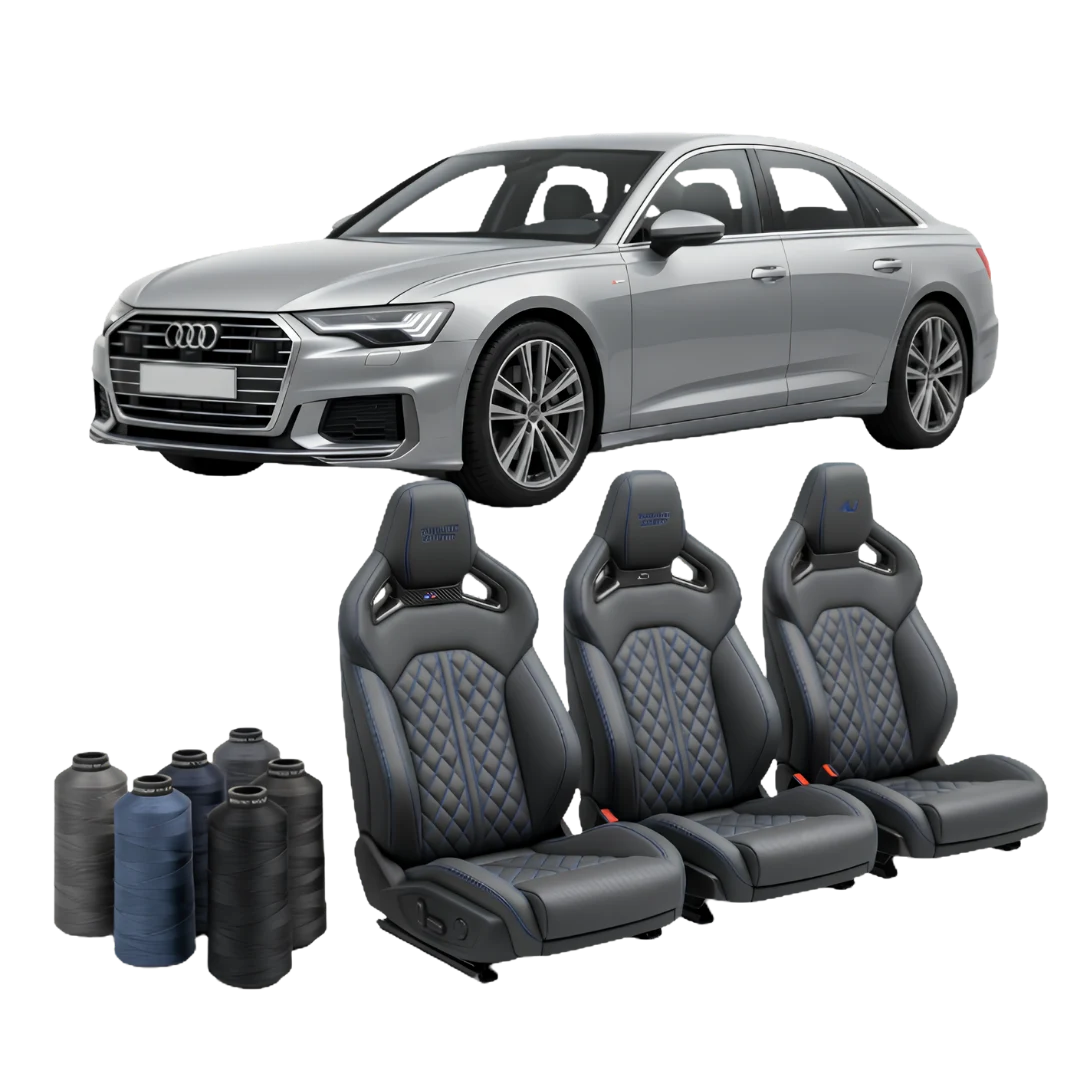 Upholstery Service23
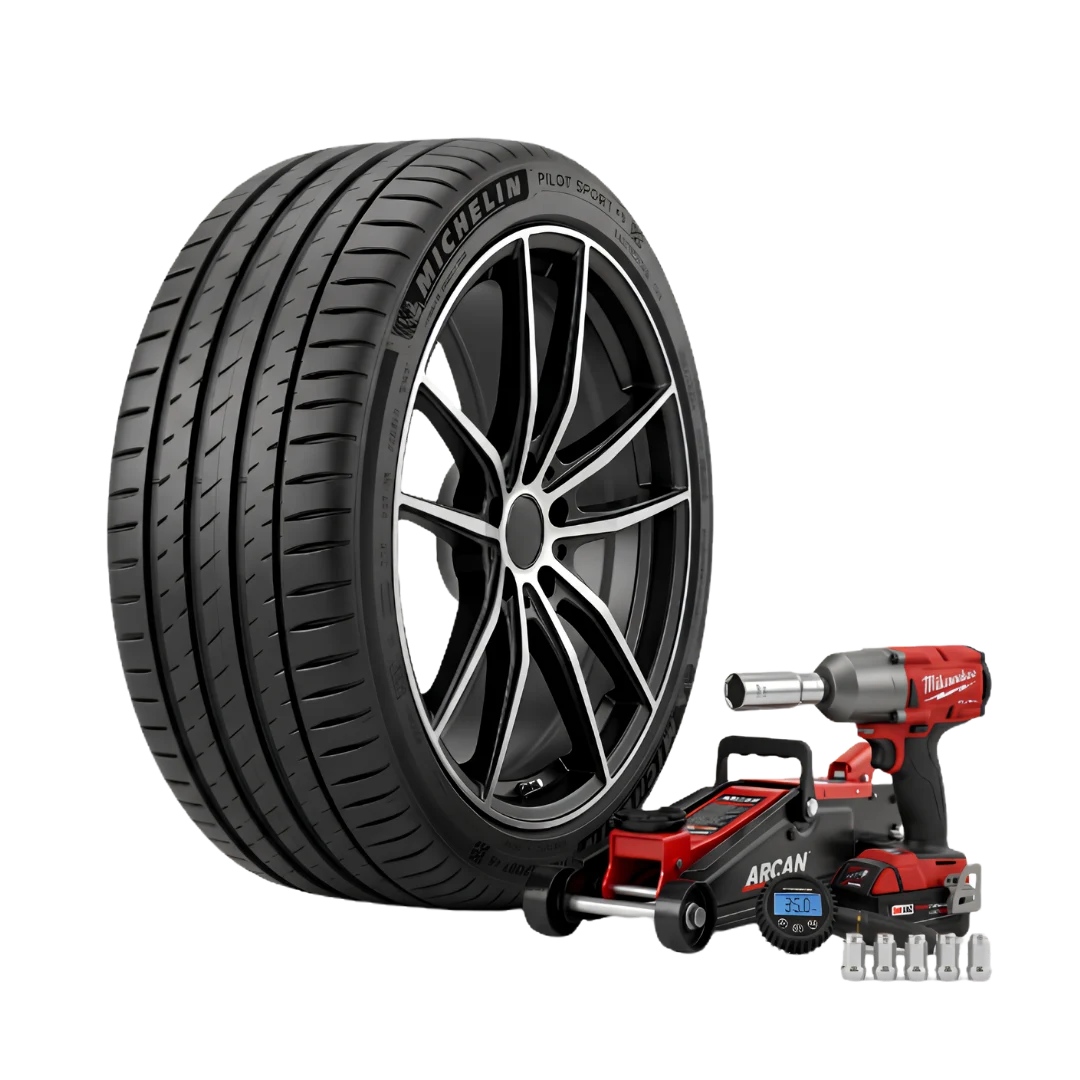 Car Tyre Change24
 Car Steering Repair
 Audi specialist service
Zenfo Auto Services washes Audi models in Abu Dhabi with a fixed sequence: decontaminate first, correct the surface next, protect it last. Every product used is pH-neutral, since harsh chemistry strips wax and sealant off the paint within one wash.
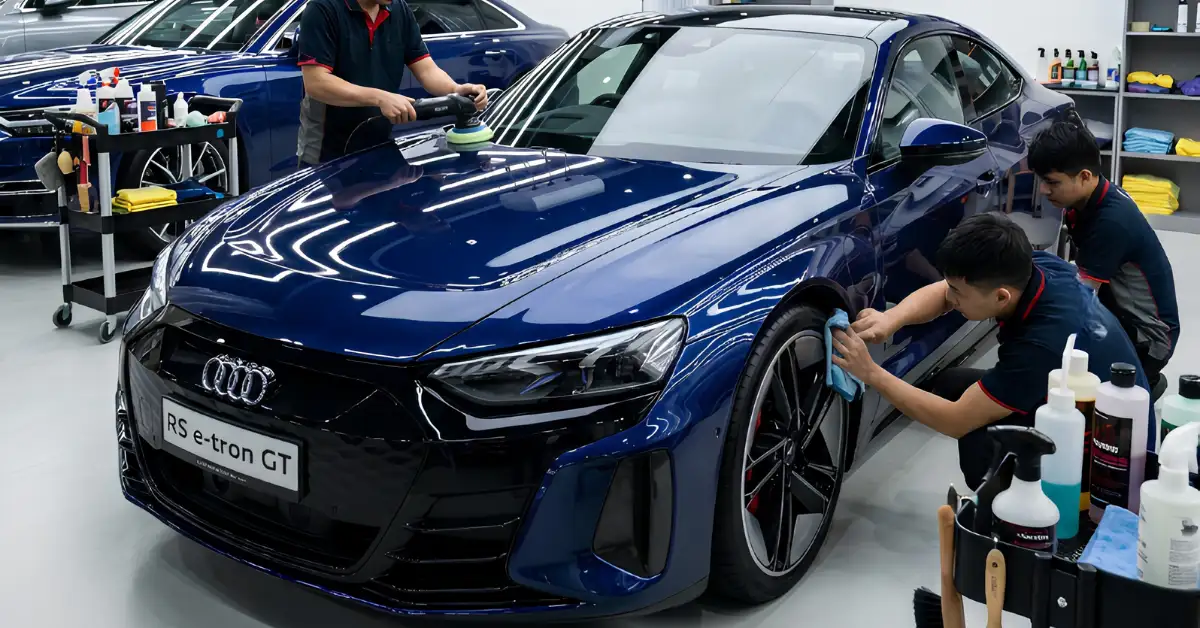
Audi's clear coat is thin, and a poor wash technique cuts through it faster than the paint ages on its own. A single pass with a dirty sponge drags trapped grit across the surface and leaves fine scratches called swirl marks. These marks show up under direct sunlight as a hazy web across the paint, even on a car washed every week.
Abu Dhabi adds three contaminants that most wash routines miss. Airborne sand sits on the clear coat as microscopic grit. Hard water leaves mineral deposits that etch into the paint if left to dry in the sun. Iron particles from brake dust and industrial fallout bond to the clear coat and rust from the inside out. A wash that only removes loose dirt leaves all three behind.
A rough, gritty feel when you run a hand over the paint points to bonded contamination sitting on top of the clear coat, not underneath it. This grit stays after a normal wash and needs a dedicated decontamination step to remove.
Spots that stay on the paint after it dries mean dissolved minerals in the wash or rinse water evaporated on the panel and left a deposit behind. Left long enough, these spots etch permanently into the clear coat.
A web of fine scratches visible under direct sun or headlights shows up from repeated washing with the wrong tools or technique. Marks confined to the clear coat polish out; deeper ones reaching the base colour need Audi body paint work instead.
Water beading less than it used to signal the wax or sealant layer has worn away. The paint is now unprotected and picking up UV and contaminant damage directly.
A musty smell from the air conditioning vents points to mould or bacteria growing in the evaporator or cabin filter, the exact issue our Audi sanitisation service targets, not something the exterior wash fixes.
Faded, chalky, or dull paint on a car under three years old suggests UV damage to the clear coat has already started. This wears the coating from the outside in, well ahead of the paint's expected service life.
Detailing work sits on a fixed sequence: decontaminate first, correct the surface second, protect it last. Skipping a step locks contamination under the next layer instead of removing it.
A pH-neutral foam sits on the paint for several minutes, loosening dirt before any contact wash begins. This step lifts the bulk of surface grime off before a mitt ever touches the panel.
The wash follows a two-bucket method, one for clean shampoo and one for rinsing the mitt, stopping picked-up grit from transferring back onto the paint on the next pass.
A chemical iron remover dissolves embedded brake dust and metal particles bonded to the clear coat. The reaction turns visibly purple as it breaks the iron down, confirming the contaminant has lifted.
A clay bar lifts tar, tree sap, and bonded grit that chemical cleaning alone leaves behind, restoring a glass-smooth surface ahead of any polishing step.
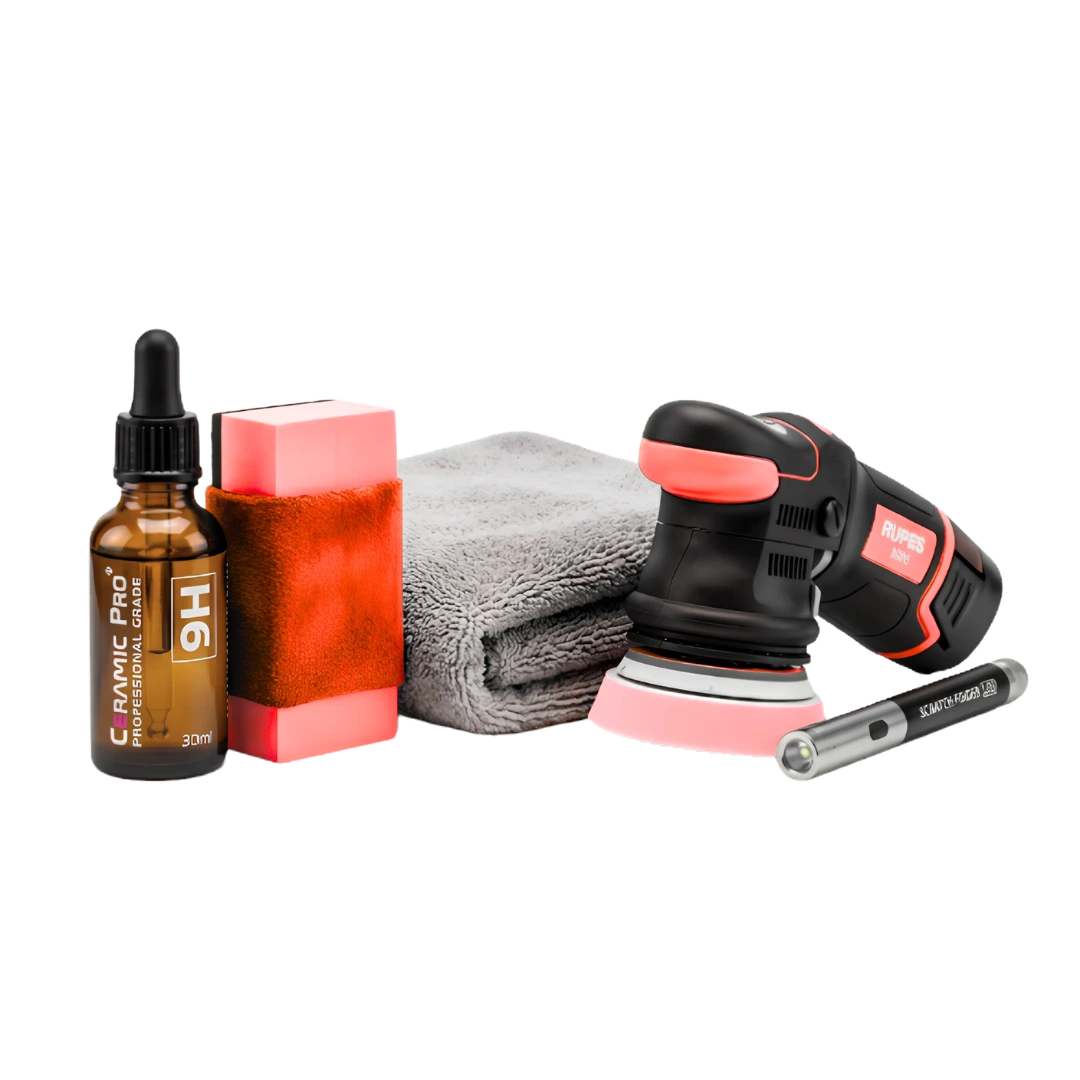
A dual-action polisher removes fine swirl marks and light scratches from the clear coat, restoring gloss and depth without cutting through the coating's thickness.
A ceramic coating bonds to the clear coat and cures into a hard, glass-like layer. This gives 2 to 5 years of protection against UV fade, water spots, and light chemical staining, well beyond what wax alone provides.
A self-healing polyurethane film is applied to high-impact areas, bonnet, mirrors, door edges, absorbing stone chips and light scratches that would otherwise reach the panel underneath.
High-temperature steam lifts embedded dirt from carpets, seat seams, and air vents, killing bacteria on contact without soaking the upholstery the way a shampoo wash does.
Leather seats are cleaned with a dedicated leather cleaner, then conditioned to replace the natural oils that heat and UV exposure strip out. Untreated leather cracks within 2 to 3 summers in this climate.
The engine bay is degreased and rinsed with sensitive components covered, removing built-up oil, dust, and sand without introducing water into electrical connectors.
Oxidised, yellowed headlight lenses are wet-sanded through a graded set of abrasives, then polished and sealed, restoring both clarity and the light output the original lens gave.
Wheels are cleaned with a dedicated non-acidic wheel cleaner to protect factory coatings, then tires are dressed to a satin, non-greasy finish rather than the high-gloss look that attracts dust.
Windshields and windows are polished to remove embedded water spots, then treated with a hydrophobic coating that beads rainwater off the glass at speed.
An ozone generator breaks down odour-causing bacteria in the cabin air system, addressing smoke, mould, or musty smells at the source rather than masking them with fragrance.
Iron fallout and bonded grit are removed before any polishing step, since polishing over contamination drags it across the paint instead of lifting it clear.
Every wash and interior product is pH-neutral, since acidic or high-alkaline formulas strip existing wax, sealant, and ceramic coatings on contact.
The two-bucket wash method runs on every visit, cutting the swirl marks that a single-bucket wash grinds into the paint over repeated visits.
Ceramic coating is applied by technicians trained on the specific product's cure time and layering process, since a rushed application fails to bond correctly.
Trim, badges, and panel gaps are worked around by hand rather than blasted with high pressure, avoiding the water ingress that damages seals and electronics.
Ceramic coating and paint protection film work carry a written guarantee, so a coating failure traced to the application itself comes back to us, not to you.
Strong, near-constant sun exposure breaks down clear coat and wax protection fast. Colour fades, and gloss dulls well ahead of schedule compared to temperate climates.
Airborne sand lands on the paint within hours of a wash. It acts as an abrasive under the next wipe-down if the correct pre-wash step is skipped.
Local tap water carries a higher mineral content. Water left to air-dry on the paint leaves spots. These spots etch into the clear coat within days.
Interior temperatures well above 60°C build up in a parked car. This dries out leather and stiffens plastic trim far faster than moderate climates allow.
Salt-laden air near the coast keeps contaminants damp against the paint surface for longer. Iron fallout gets more time to bond and corrode.
Paint tells its own story once it is properly cleaned. Reading the surface correctly decides which service actually fixes the problem, rather than guessing from a distance.
| Paint appearance | Likely cause |
|---|---|
| Rough, gritty texture under a clean hand | Bonded contamination: iron fallout, tar, or industrial fallout sitting on the clear coat |
| White ring or spot marks that don't wipe off | Hard water mineral deposits etched into the surface |
| Web of fine scratches visible under direct light | Swirl marks from repeated washing with the wrong tools |
| Orange or brown speckling, often near wheel arches | Iron fallout from brake dust bonding to the paint |
| Dull, chalky finish with reduced gloss | UV oxidation of the clear coat |
| Water sheeting instead of beading | Worn or absent wax, sealant, or ceramic protection |
| Sticky black specks resistant to washing | Tar and asphalt residue from road contact |
A panel can look clean from a distance and still be covered in bonded contamination that only shows up once a hand runs across it. This is why decontamination comes before any inspection judges the paint as finished.
Paint thickness and surface condition get checked closely before any product touches the car, confirming how much clear coat remains and where correction is needed.
Wheels, arches, and the underbody get a dedicated rinse first, keeping heavy road grit away from the main paint surfaces during the wash.
A pH-neutral foam pre-soak loosens surface dirt across every panel first, cutting down the contact needed during the hand wash.
Iron remover and clay bar treatment lift bonded contamination the wash cannot reach, leaving the clear coat smooth to the touch.
Depending on the booked service, the paint gets machine polished to remove swirl marks and sealed with wax or ceramic coating.
Carpets, seats, and vents get steam cleaned and vacuumed, leather is conditioned, and glass gets polished from the inside out.
Let us know the paint's current condition, dull, spotted, or just due for a refresh, and we will recommend the right level of service, from a maintenance wash to full paint correction and ceramic coating. Protecting the paint now costs less than correcting UV and water damage later. Book Audi repair service online, or call Zenfo Auto Services for a slot this week.
A weekly wash keeps sand and dust from building into an abrasive layer on the paint. Cars parked outdoors need this more than cars kept in covered parking, where dust settles more slowly.
Ceramic coating holds up well against Abu Dhabi's UV exposure. It gives 2 to 5 years of protection against fading, water spots, and light chemical staining, reducing how often paint correction is needed later.
Machine polishing removes light swirl marks and shallow scratches that sit within the clear coat. A scratch reaching the base colour needs touch-up paint or a respray, not polishing alone.
Film applied to a new car protects the original factory paint before it ever takes a stone chip or a swirl mark. It is far easier to protect fresh paint than to correct damage later.
A clay bar glides over lubricated paint and lifts bonded contamination without cutting the surface. Using it dry, or without lubricant, is what causes marring, not the clay itself.
A ceramic coated Audi still needs regular washing with a pH-neutral shampoo and the two-bucket method. The coating resists dirt and water spots; it does not remove the need to wash.
Water spots form when mineral-rich water dries on the paint in direct sun before it gets wiped off. Drying the car fully with a microfiber towel immediately after rinsing prevents this.
A full exterior detail with ceramic coating application typically takes 1 to 2 days, including cure time between decontamination, correction, and coating steps.