
Brake Measurement Report
Each pad and disc is measured with a gauge and written down. You receive the actual numbers, not a verbal opinion about wear.
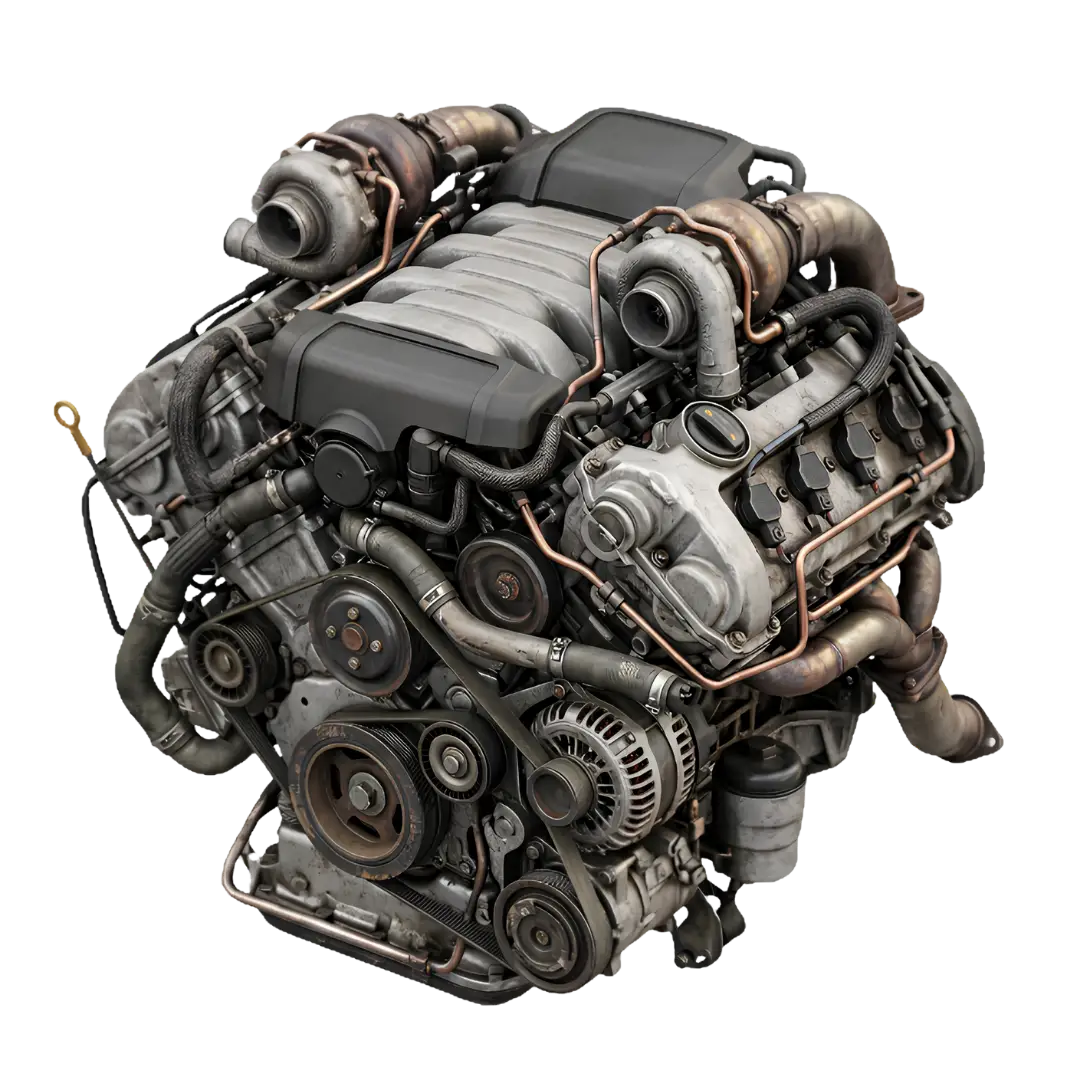 Engine Repair02
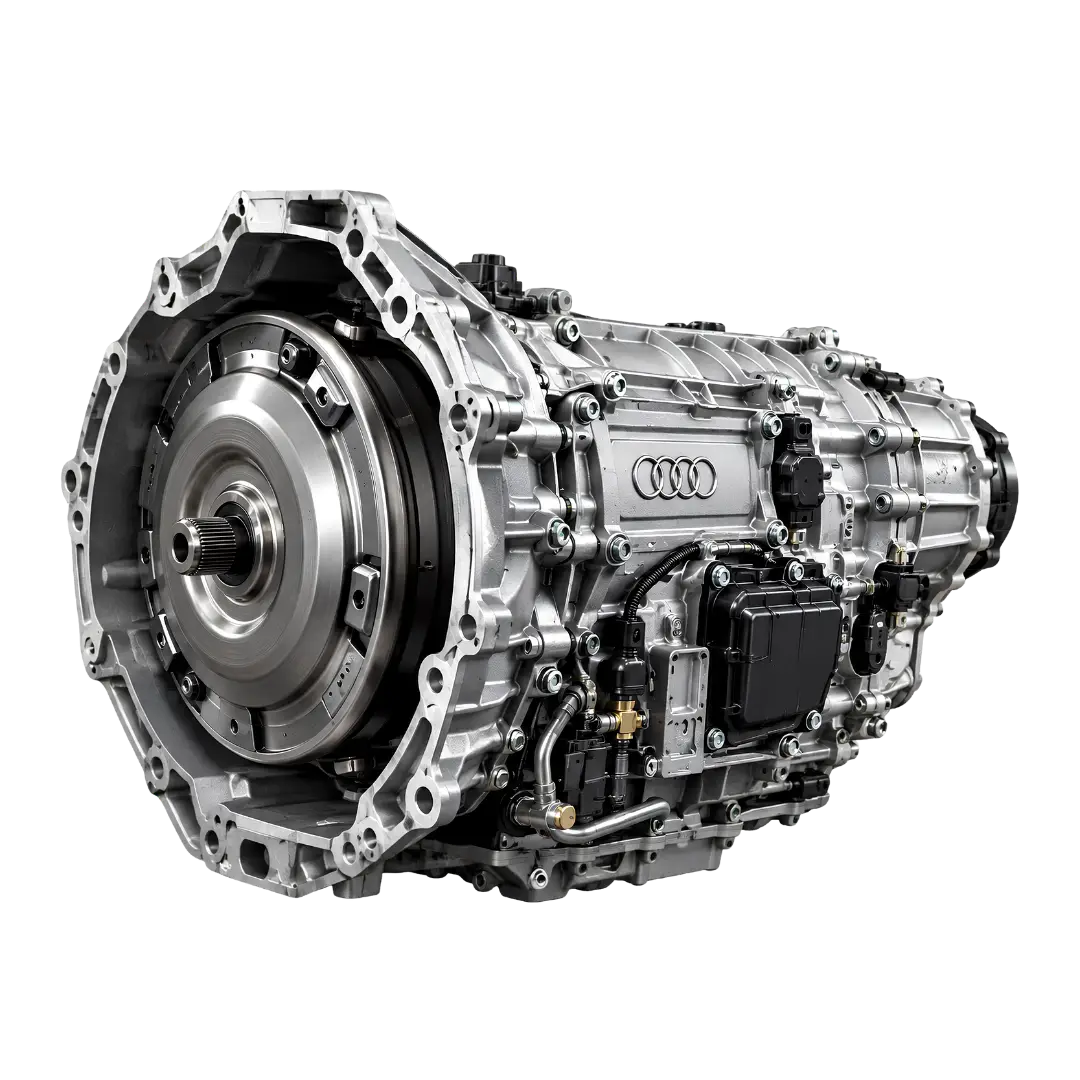 Transmission Repair03
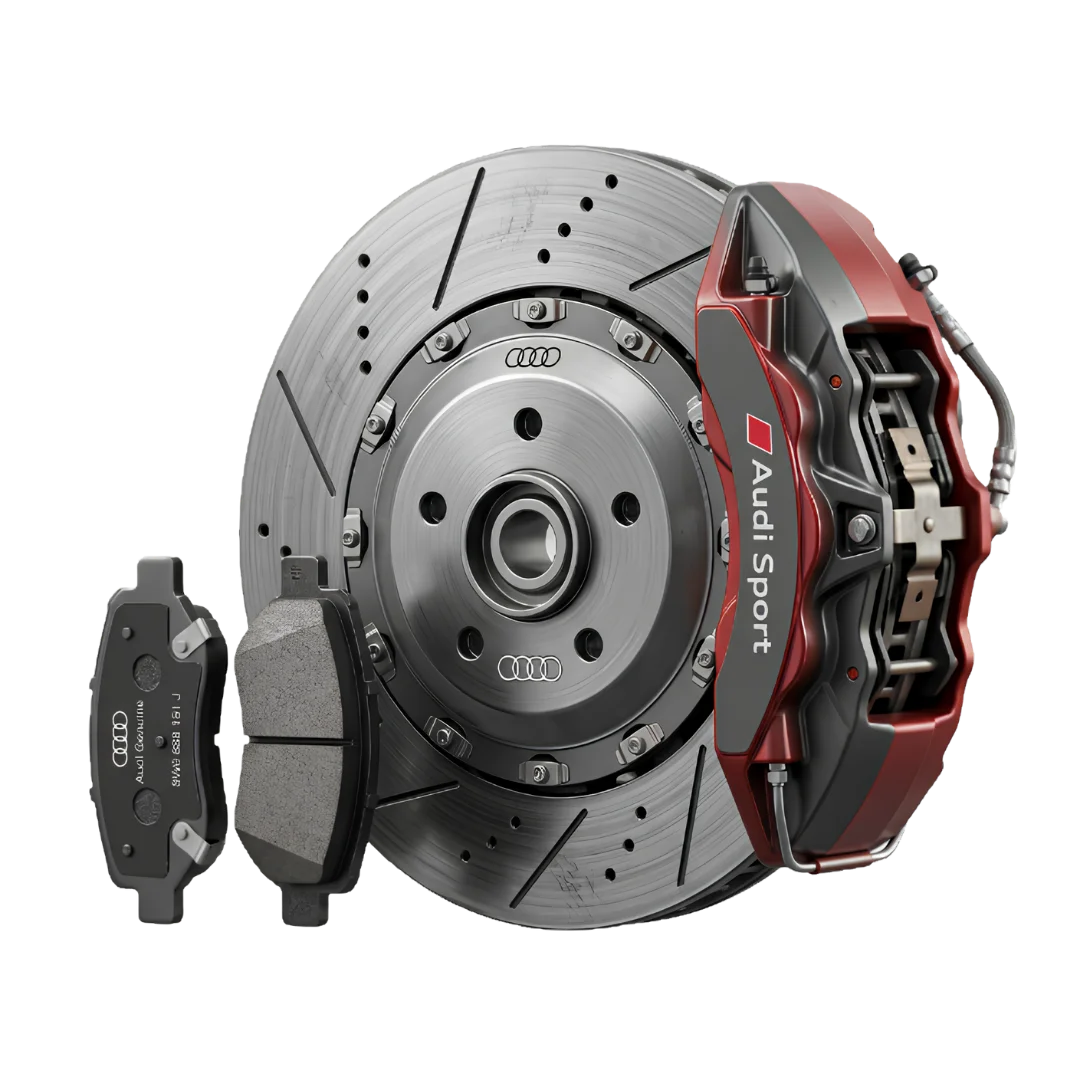 Brake Pads Replacement04
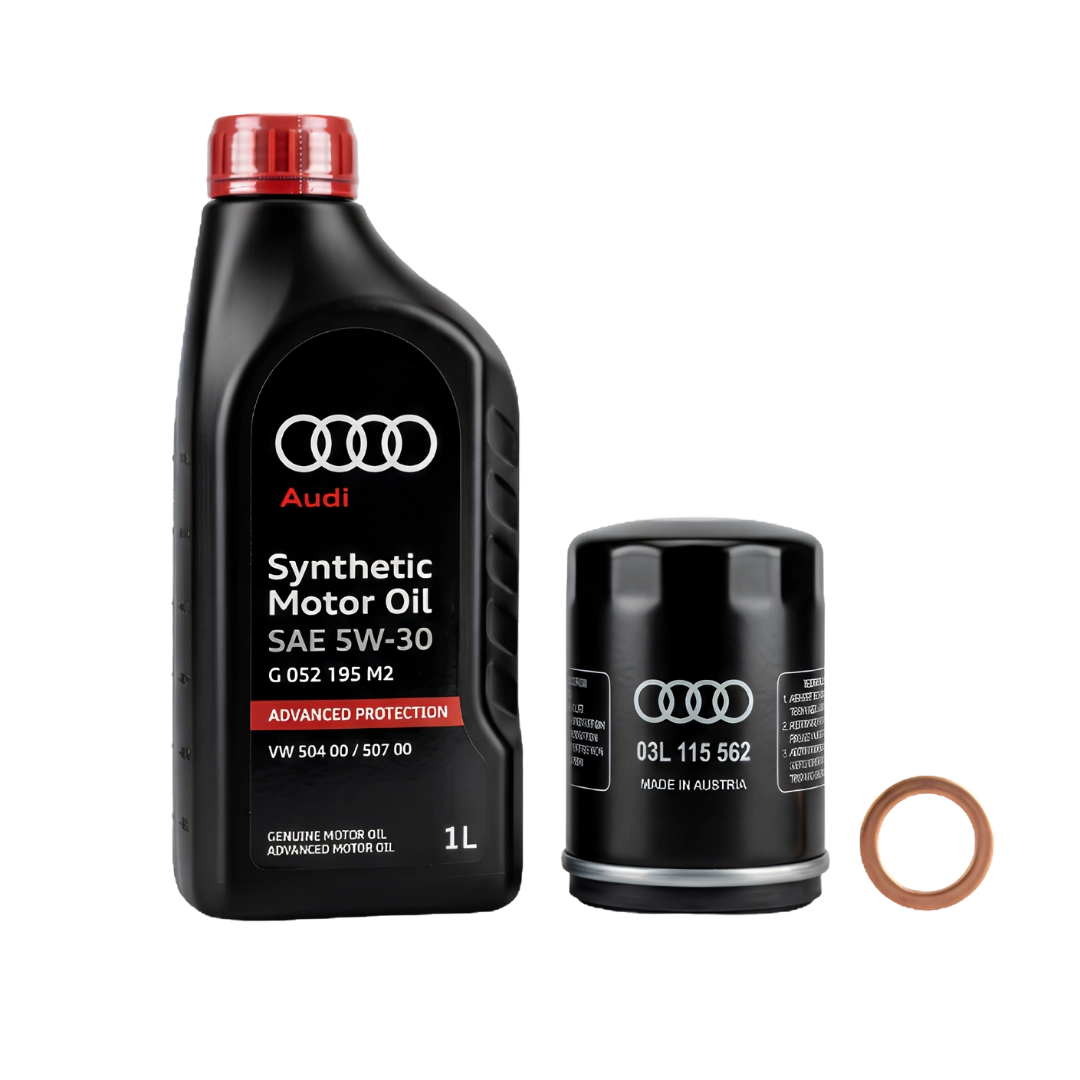 Oil Change05
 Suspension Repair06
 Car Electrical Repair07
 Body Paint08
 Pre Purchase Inspection09
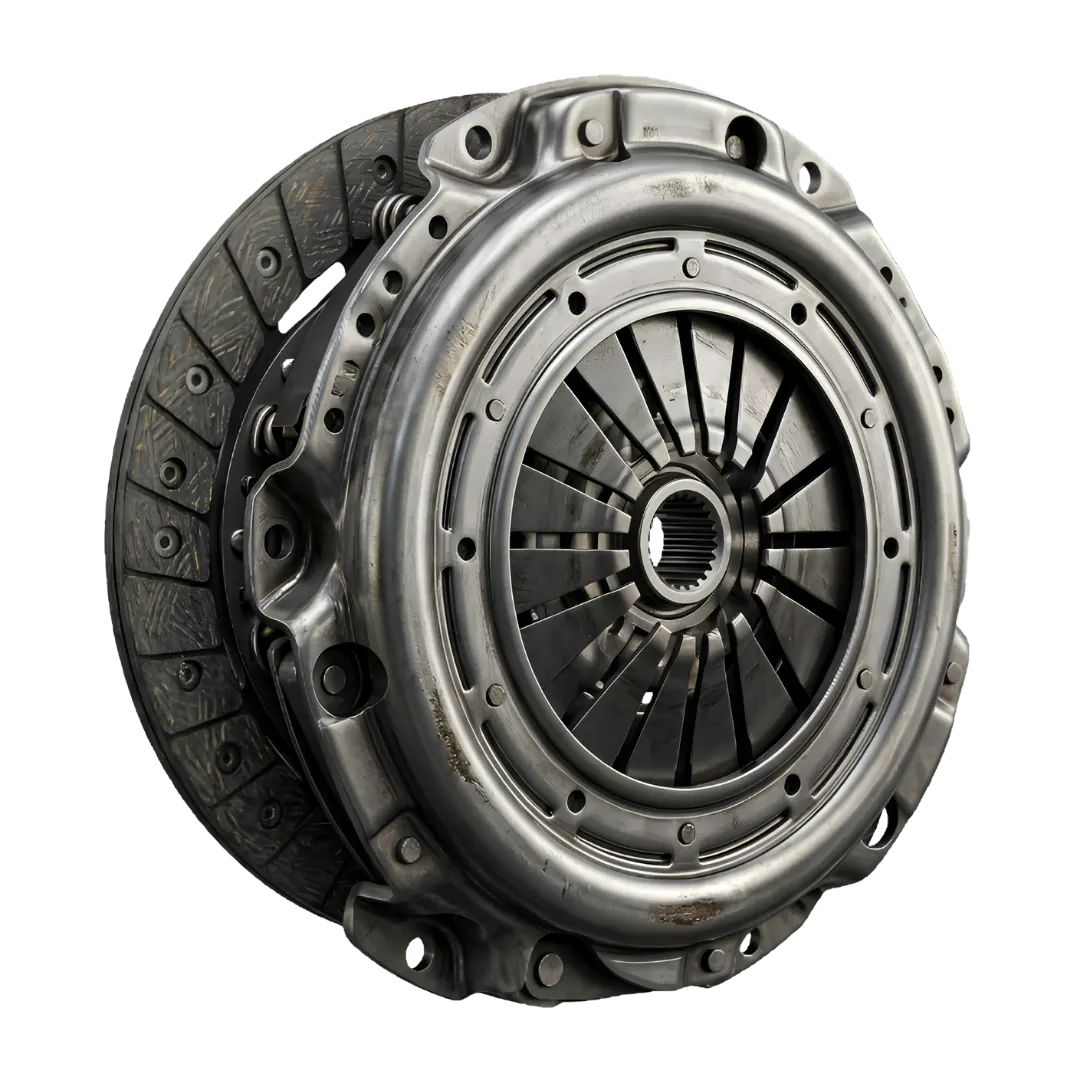 Clutch Replacement10
 Sanitisation11
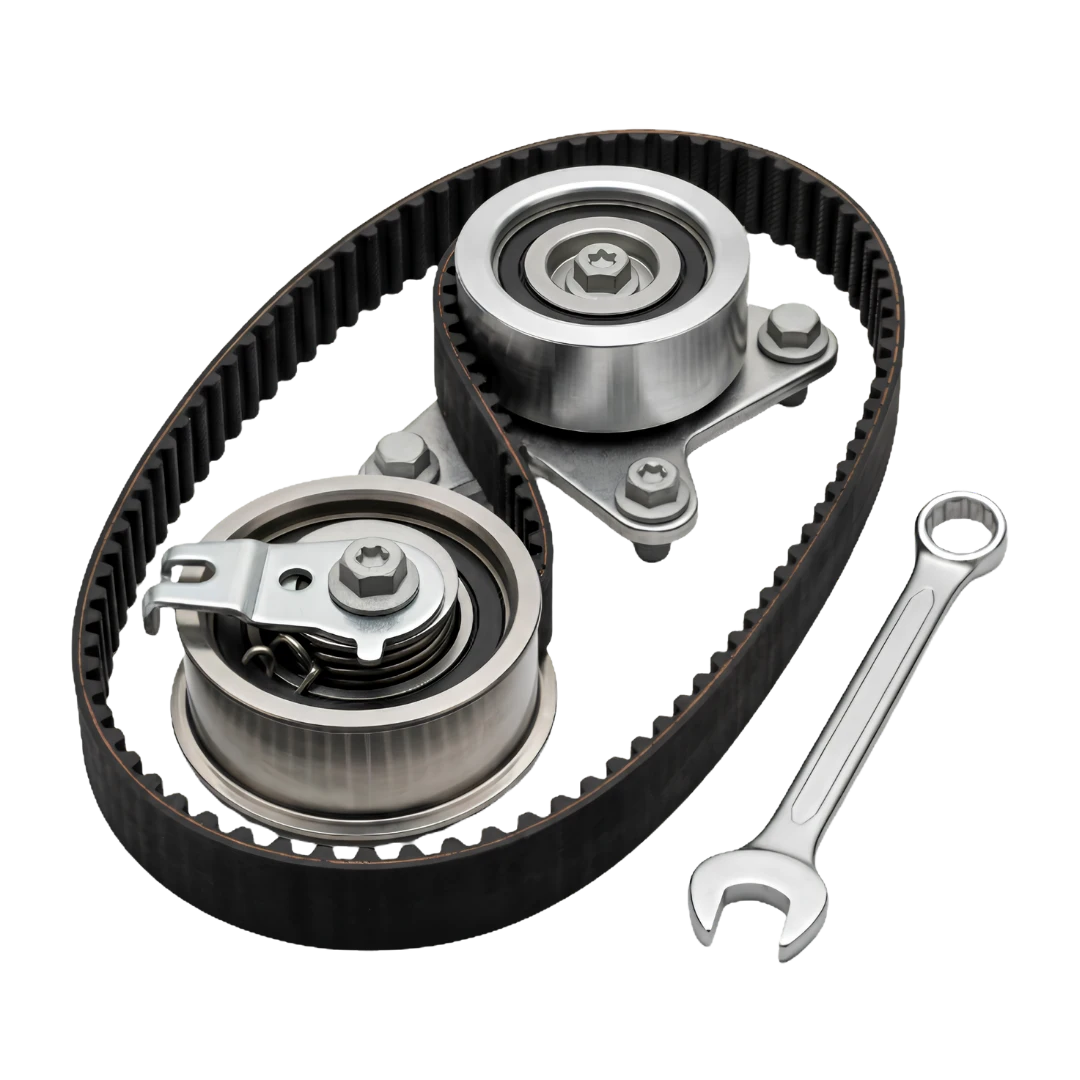 Timing Belt Replacement12
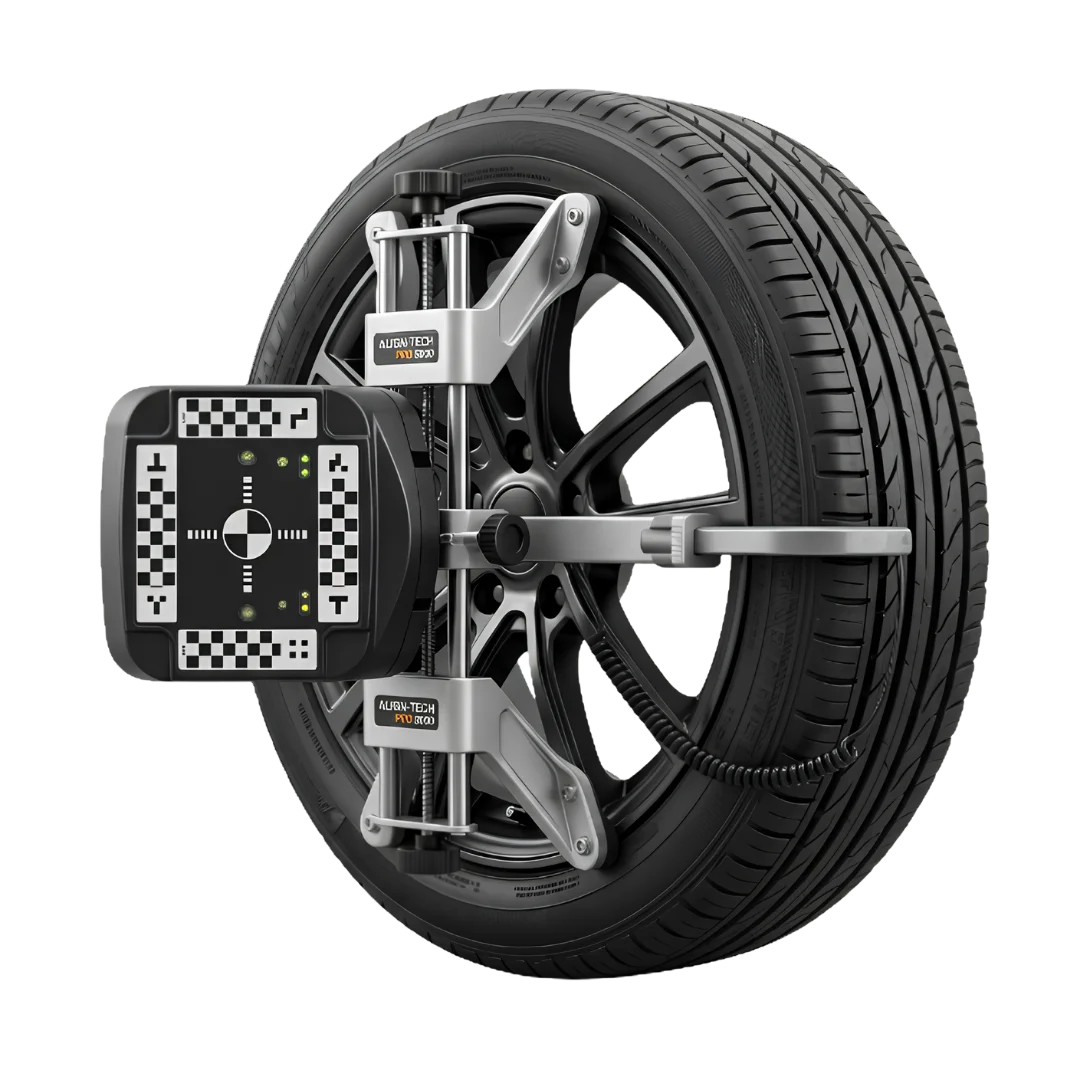 Wheel Alignment13
 Window Tinting14
 Windshield Replacement15
 Gear Repair16
 Body Shop17
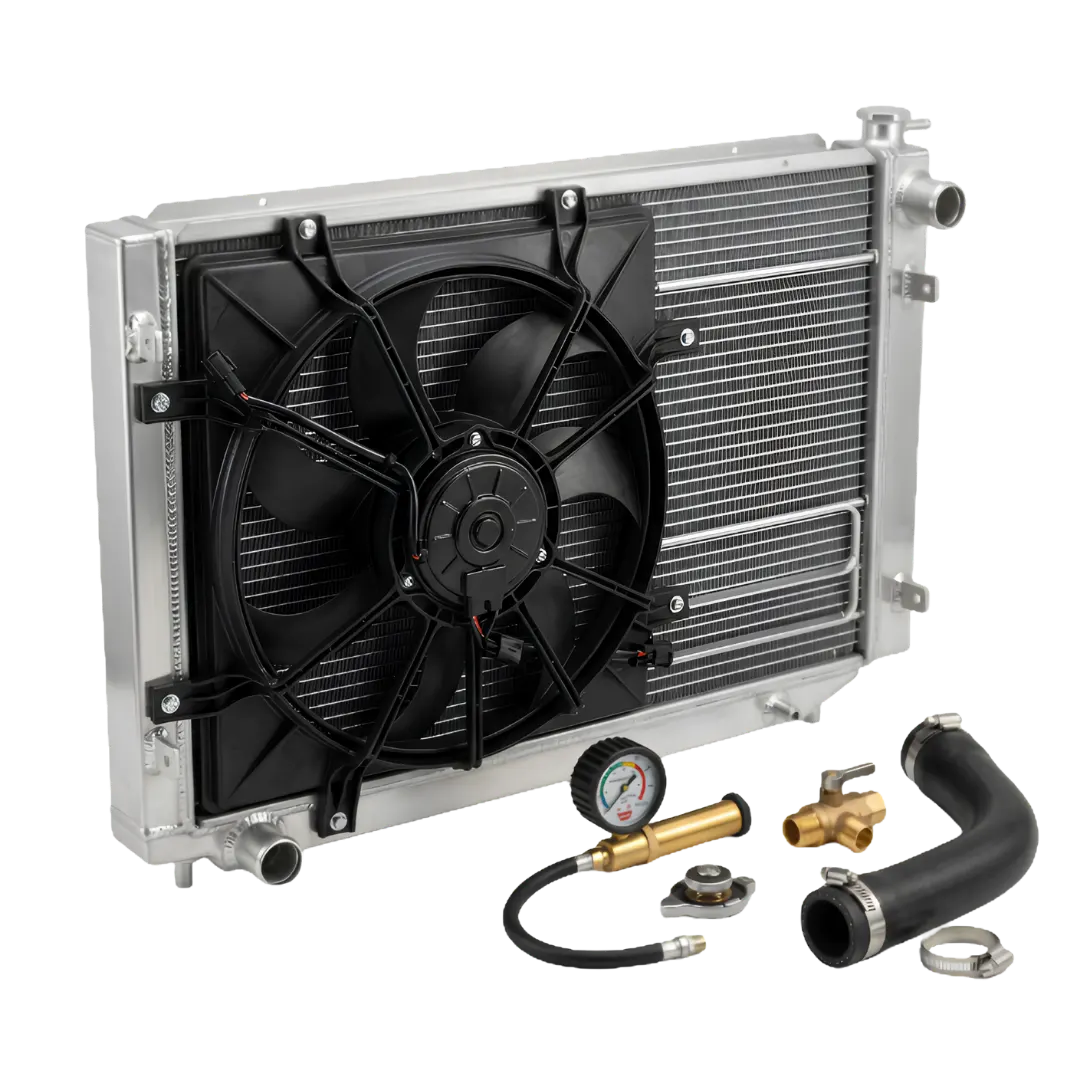 Radiator Repair18
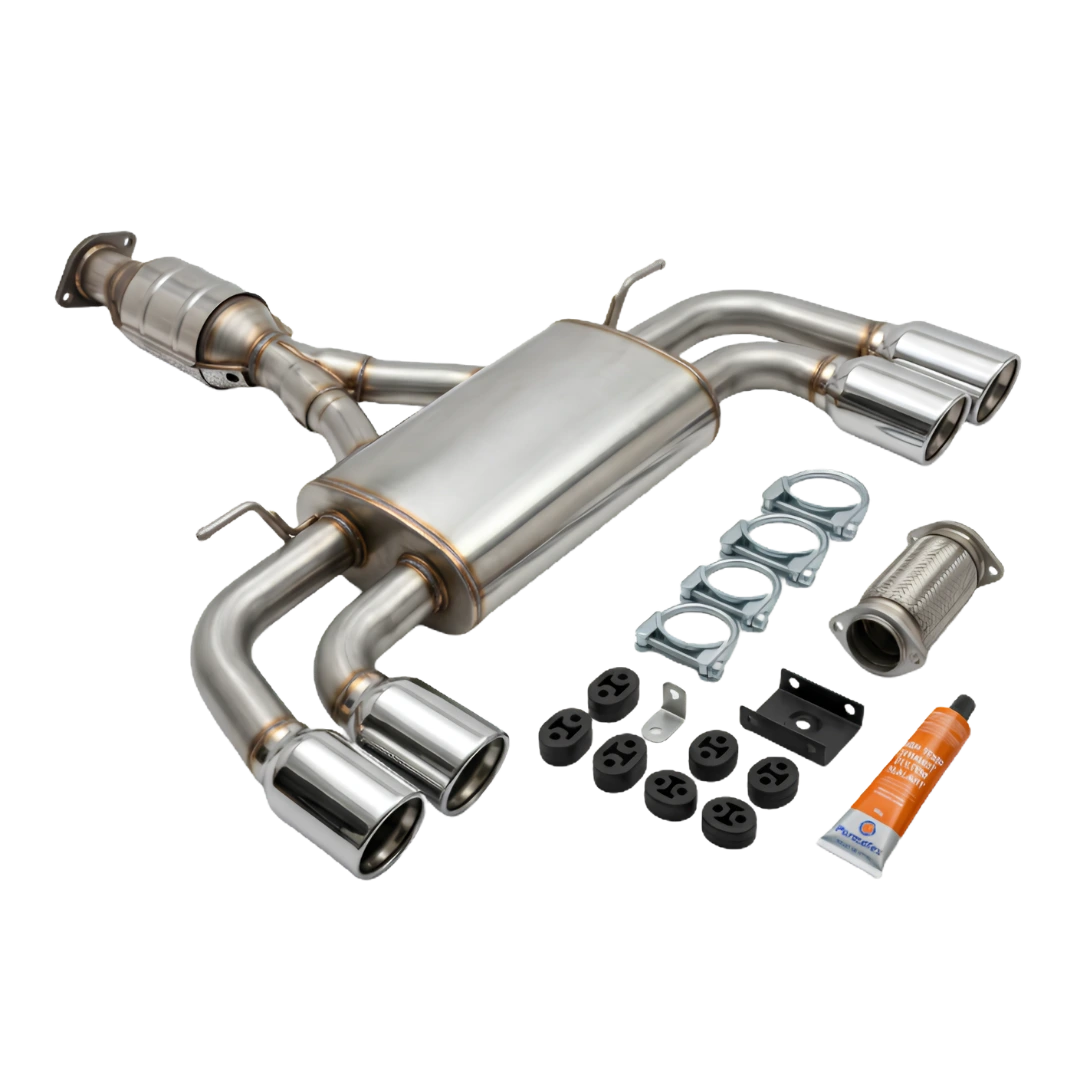 Exhaust Repair19
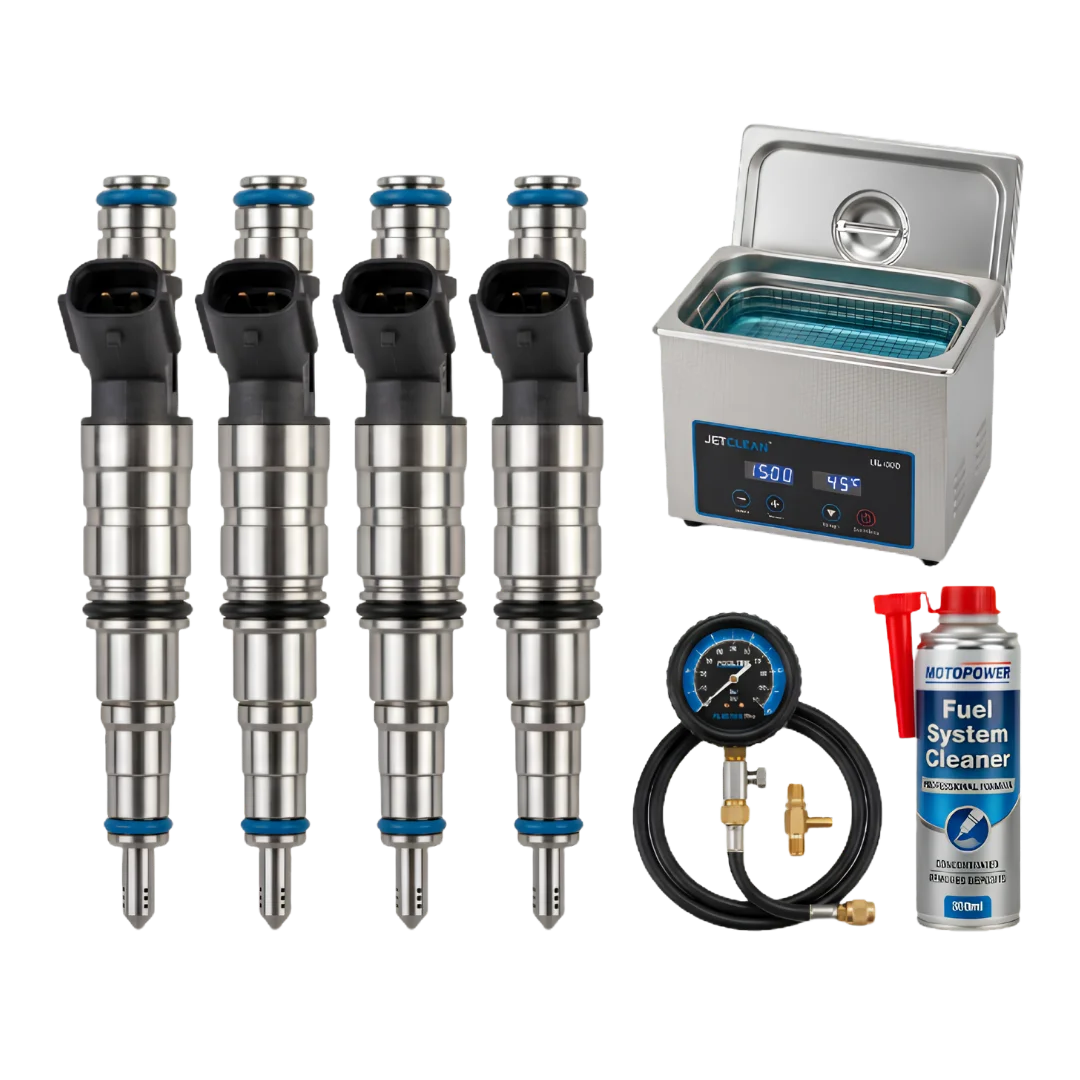 Injector Cleaning20
 Car Wash21
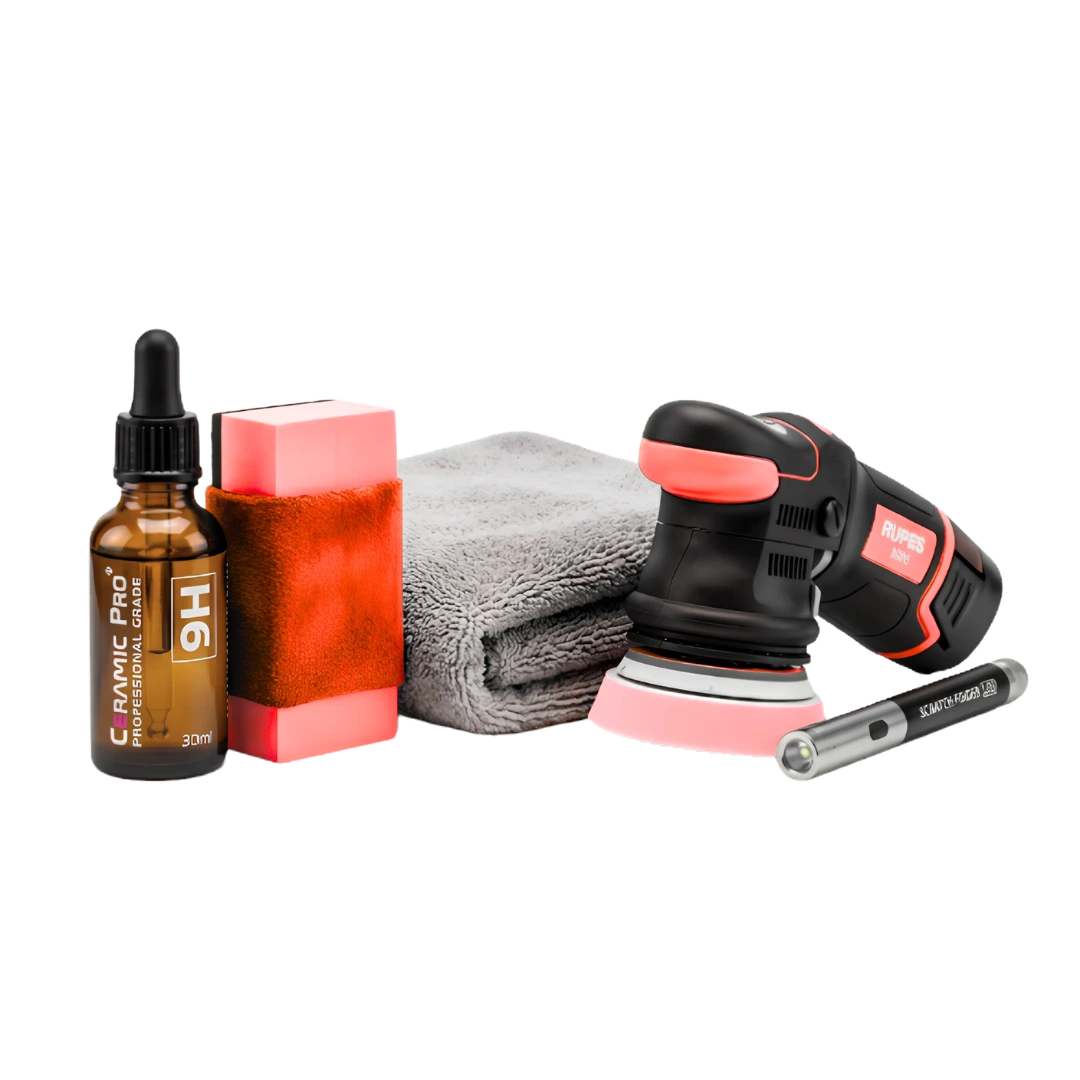 Ceramic Coating Service22
 Upholstery Service23
 Car Tyre Change24
 Car Steering Repair
 Audi specialist service
Audi brake pads replacement in Abu Dhabi takes one visit to our Mussafah workshop. Zenfo Auto Services measures pads and discs, fits new parts, resets the wear sensor and electronic parking brake, then beds everything in before same-day handover.
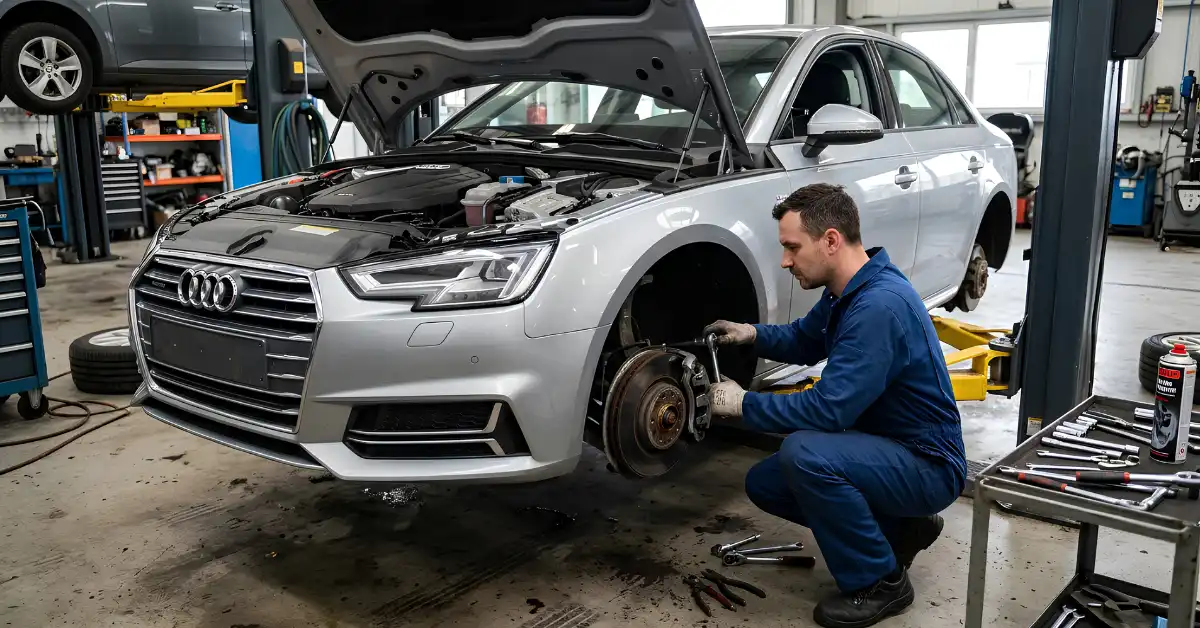
Braking converts movement into heat, and this city gives that heat nowhere to go.
Every set of lights on Airport Road adds another heat cycle that a highway drive would never create.
Pads and discs start hot and stay hot, which accelerates friction material breakdown.
Grit acts like a grinding paste between pad and disc, and it seizes caliper slide pins over time.
A Q7 or Q8 carries far more mass into every stop than an A3, and the pads absorb that difference.
Overnight moisture leaves surface rust on discs, which the first few stops of the morning scrape away.
Coming off a high-speed road quickly loads the front axle hard and glazes pad surfaces.
Twenty to thirty thousand kilometres is a realistic front pad life here. European figures assume cooler air and steadier driving.
Replacing pads properly involves more than sliding new friction material into the caliper. Fourteen checks and tasks form one complete brake job here.
Each pad and disc is measured with a gauge and written down. You receive the actual numbers, not a verbal opinion about wear.
Front axles handle most braking effort, so these pads wear first. New pads go in with cleaned carriers, fresh anti-rattle shims, and correct torque on every bolt.
Rear pads last longer but hide more problems. Seized handbrake mechanisms and sticking pistons show up during removal and get corrected before new pads are fitted.
Discs below minimum thickness cannot be reused safely. New discs restore flat contact, which removes vibration and returns the firm pedal Audi engineered into the car.
Discs with light scoring and adequate thickness go onto the lathe instead of the bin. Skimming saves money while still giving the new pads a true surface.
Pistons, seals, and slide pins are cleaned and greased with high-temperature compound. Seized pins cause one pad to wear twice as fast as its partner.
Leaking or jammed calipers pull the car sideways under braking. Rebuild kits fix most units, and replacement handles those with corroded bores.
Rear calipers on modern Audi models wind back electronically. Diagnostic equipment retracts and re-engages the motors, which no amount of manual force can safely replicate.
The sensor is a single-use item once it has contacted the disc. A new sensor clears the dashboard message properly instead of masking it.
Fluid absorbs moisture and boils under heavy use. A moisture test decides whether a flush is needed, and fresh fluid restores a firm pedal in traffic.
Rubber hoses swell internally with age, which softens the pedal without leaking a drop. Cracked or bulging hoses are replaced during the same visit.
Warning lights on the dashboard come from sensors, rings, or the control module. A scan identifies which one before parts are ordered.
Cable-operated models lose tension over the years. Adjustment restores holding power on ramps and inclines around Abu Dhabi car parks.
New pads need controlled heat cycles to transfer material evenly onto the disc. We complete this on the road so your brakes work properly from the first drive home.
Brake work looks simple, which is exactly why it gets done badly so often.
Every pad and disc arrives on your quote with a measured thickness beside it, so you can see the reasoning rather than trust a sales line.
Rear calipers are retracted with diagnostic equipment on every applicable model, protecting motors that cost far more than the pads themselves.
A disc within specification gets skimmed or left alone. We do not sell discs simply because pads are being changed.
Every job finishes with a proper bedding sequence on the road, which is the step most workshops skip and most noise complaints come from.
Pads, discs, and labour carry a written guarantee, so squeal or vibration after fitting comes back to us rather than becoming your problem.
Brakes that grind should not be driven. Our recovery vehicle reaches you at home, at work, or on the roadside at no extra charge.
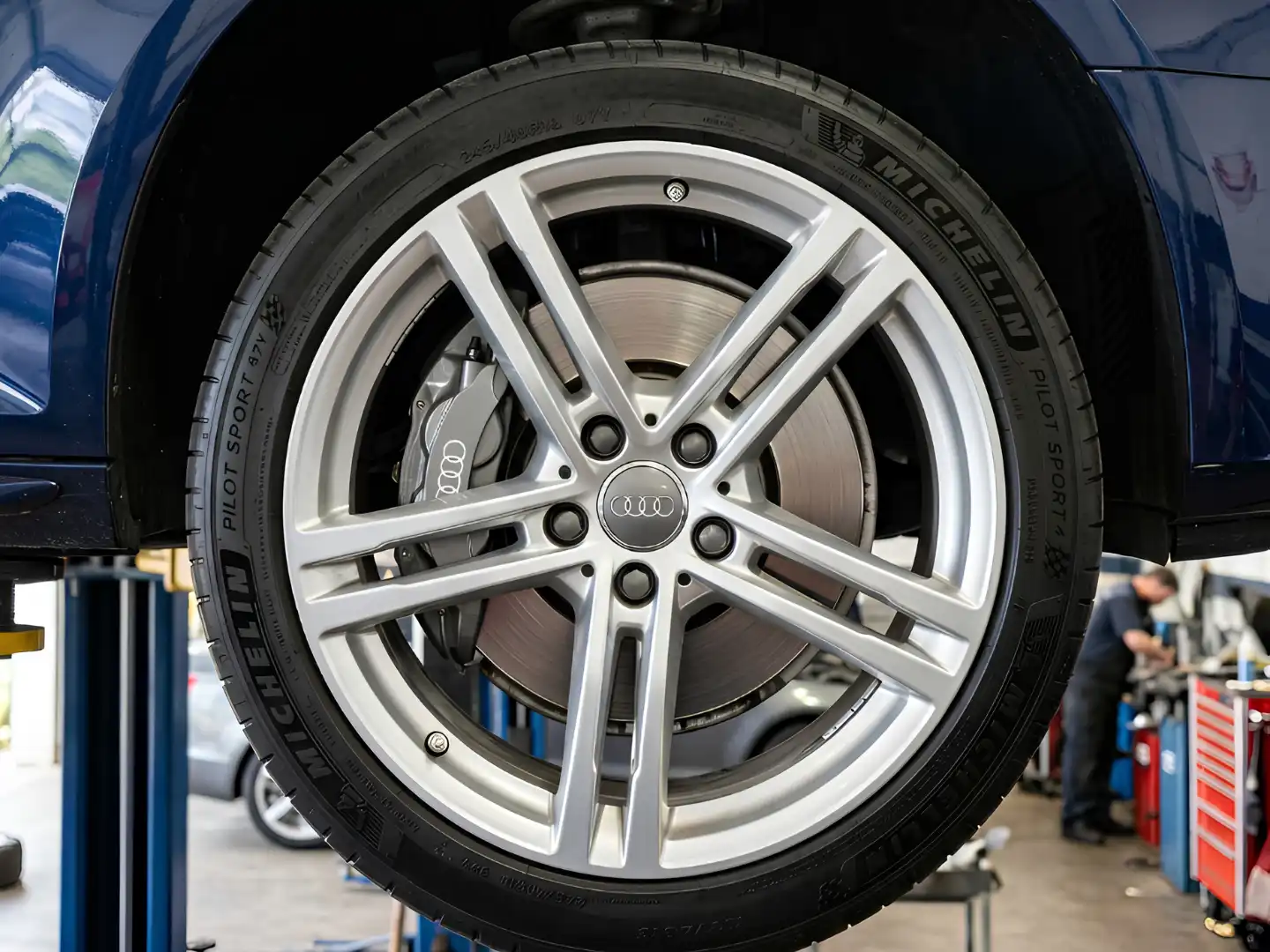
Weight transfers forward every time you brake, so front pads carry roughly seventy percent of the work. That imbalance creates three practical consequences.
Front pads typically need replacing twice for every rear set. Front discs also warp more often, which is why steering wheel vibration nearly always traces to the front axle rather than the back.
Rear brakes on most modern Audi models carry the electronic parking brake motor inside the caliper. Winding those pistons back by hand damages the mechanism, so rear pad replacement genuinely requires diagnostic equipment.
Because drive goes to all four wheels, worn rear pads often go unnoticed for far longer than they should, and the first sign is usually a seized caliper rather than a squeal.
A new Audi brake pad starts around 12 mm of friction material and reaches its limit at 3 mm. Between those two numbers sits the honest answer to whether your car needs pads today or in four months.
| Remaining thickness | Condition | What we advise |
|---|---|---|
| 12 – 8 mm | Healthy | Drive on, recheck at the next service |
| 7 – 5 mm | Half worn | Plan replacement within a few months |
| 4 mm | Approaching limit | Book a slot now, before the sensor triggers |
| 3 mm or less | At the legal and safety limit | Replace immediately |
| Below 2 mm | Backing plate close to contact | Stop driving, disc damage begins |
Mileage alone tells you very little. A Q7 towing on the Dubai road and an A3 doing school runs through Khalifa City wear their pads at completely different rates, which is why we measure rather than guess.
Not every Audi needs the same friction material, and the difference shows in dust, noise, and stopping power.
| Pad type | Best suited to | What you notice |
|---|---|---|
| Genuine Audi | Owners keeping the car standard | Factory pedal feel, quiet, moderate dust |
| OEM equivalent | Daily drivers wanting value | Same supplier, same performance, lower price |
| Low dust ceramic | Owners tired of black alloy wheels | Cleaner wheels, quieter braking, gentler bite |
| Performance compound | S and RS models, spirited driving | Stronger bite when hot, more dust, some noise |
Our advisor recommends a type based on how you actually drive, then prices both a standard and an upgraded option so the choice stays yours.
Brake work runs through 6 stages here, and most cars leave within three hours of arriving.
All four wheels come off so pads, discs, calipers, and hoses can be examined directly instead of glanced at through a gap in the alloy.
A gauge records the friction material left on every pad and the thickness of each disc. Those numbers go onto your report in writing.
You receive three prices: pads alone, pads with discs, and the complete job including fluid. Tools stay down until you choose one.
Carriers are cleaned, slide pins greased, shims renewed, and every bolt torqued to Audi specification. New wear sensors replace the contacted ones.
Diagnostic equipment retracts and re-engages the electronic parking brake motors on rear calipers, protecting a mechanism that hand tools quietly destroy.
A technician completes the bedding sequence on the road, then checks pedal travel, straight-line braking, and a clear dashboard before handover.
Driving style influences pad life more than the brand of pad fitted.
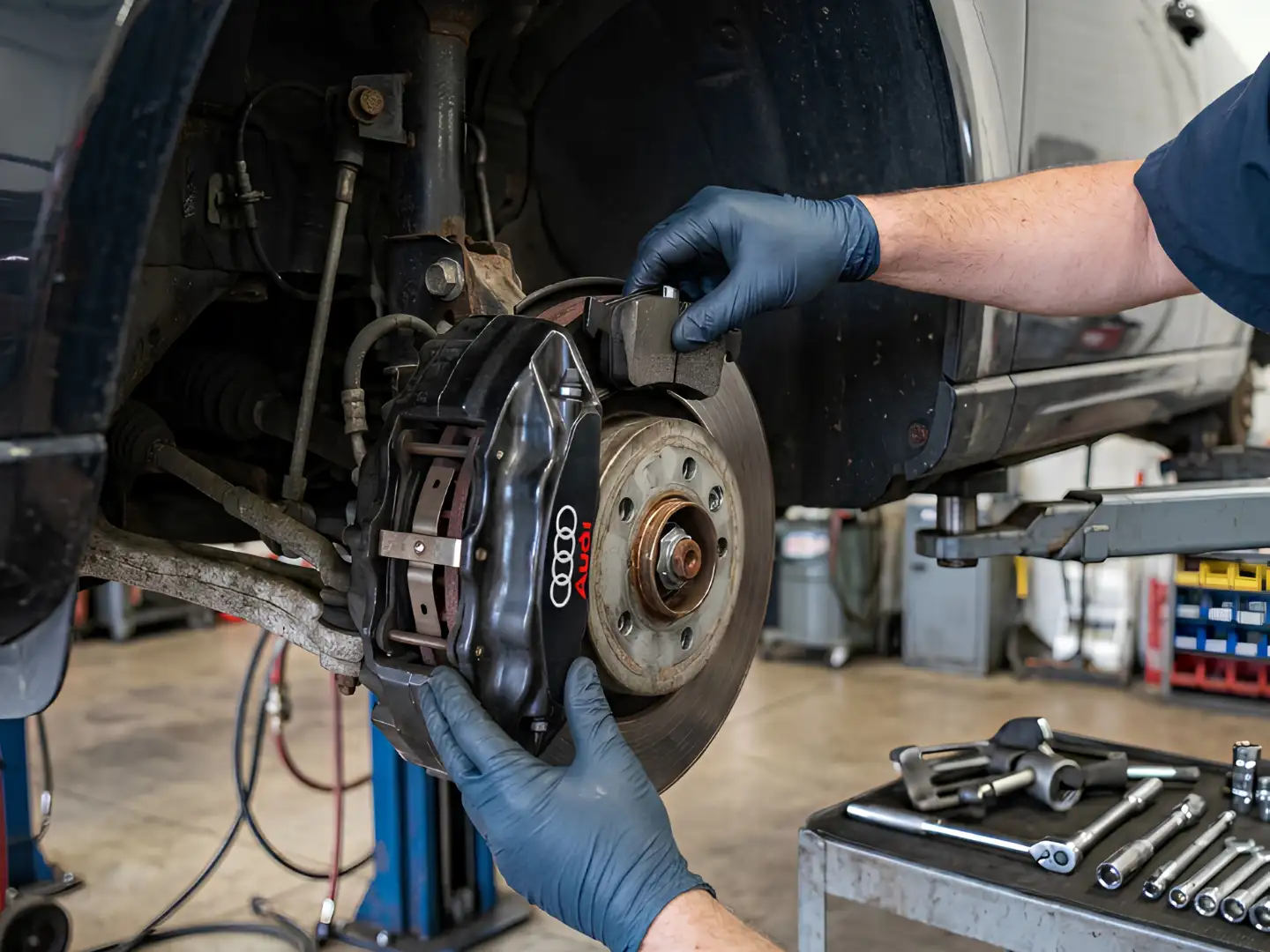
Coasting toward a red light removes heat cycles that pads never recover from.
Following distance turns constant braking into gentle deceleration.
Light constant contact glazes the pad surface and cooks the fluid.
Brake dust holds moisture and salt against the alloy and the caliper.
New pads on worn discs never bed in evenly.
A steady highway run dries the system and clears surface rust properly.
Bring the squeal, the vibration, or the dashboard message to us and leave with measured numbers and a clear price. Book Audi repair in Abu Dhabi with free collection across the emirate, or call Zenfo Auto Services today for a same-day brake slot.
One axle takes around ninety minutes, and both axles fit comfortably inside three hours. Adding discs or caliper work extends that, and your advisor confirms timing before starting.
Front pads generally cover 20,000 to 30,000 km locally, and rear pads roughly double that. City driving, SUV weight, and summer heat pull those figures downward.
Discs get replaced only when measurement shows them below minimum thickness or badly scored. Many discs survive two sets of pads, and skimming saves others.
Squeal after fitting usually points to missing shims, dry slide pins, or a skipped bedding procedure. Correct assembly and a proper heat cycle resolve nearly all cases.
Rear calipers with an electronic parking brake must be retracted electronically. Forcing the piston back damages the motor and gearbox inside the caliper, turning a small job into an expensive one.
That message means the wear sensor has made contact with the disc. Some driving distance remains, but the pads have reached their designed replacement point and should be measured immediately.
Replacing one axle at a time is normal and safe, because front and rear pads wear at different rates. Both sides of the same axle always get done together.
Heat is the deciding factor, not distance. Repeated hard stops from high speed can wear a set of pads in a fraction of the mileage that gentle city driving would take.