
Engine Oil Drain and Refill
Oil is drained at operating temperature so suspended contaminants leave with it. Refilling happens by measured capacity, then the level is verified on a level surface.
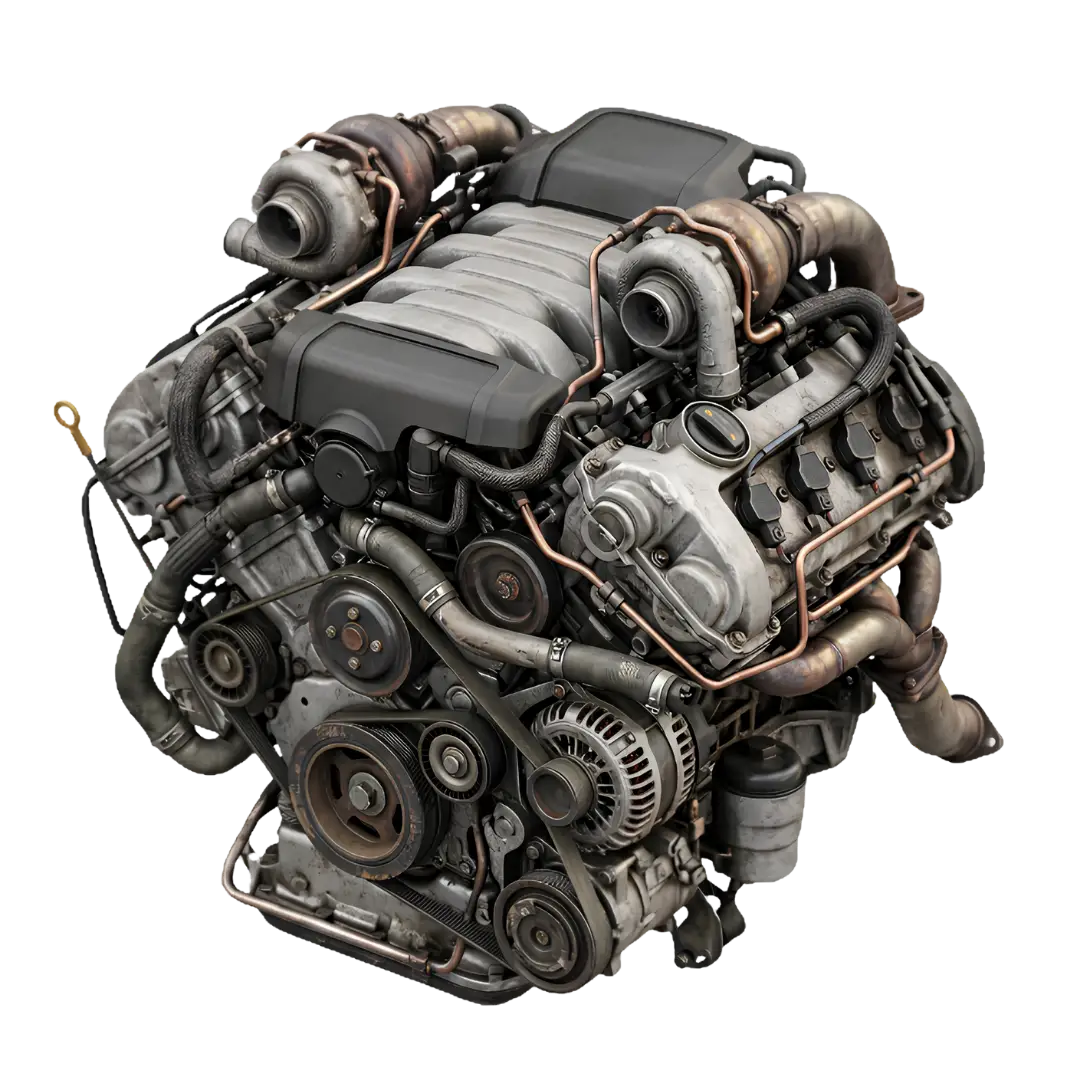 Engine Repair02
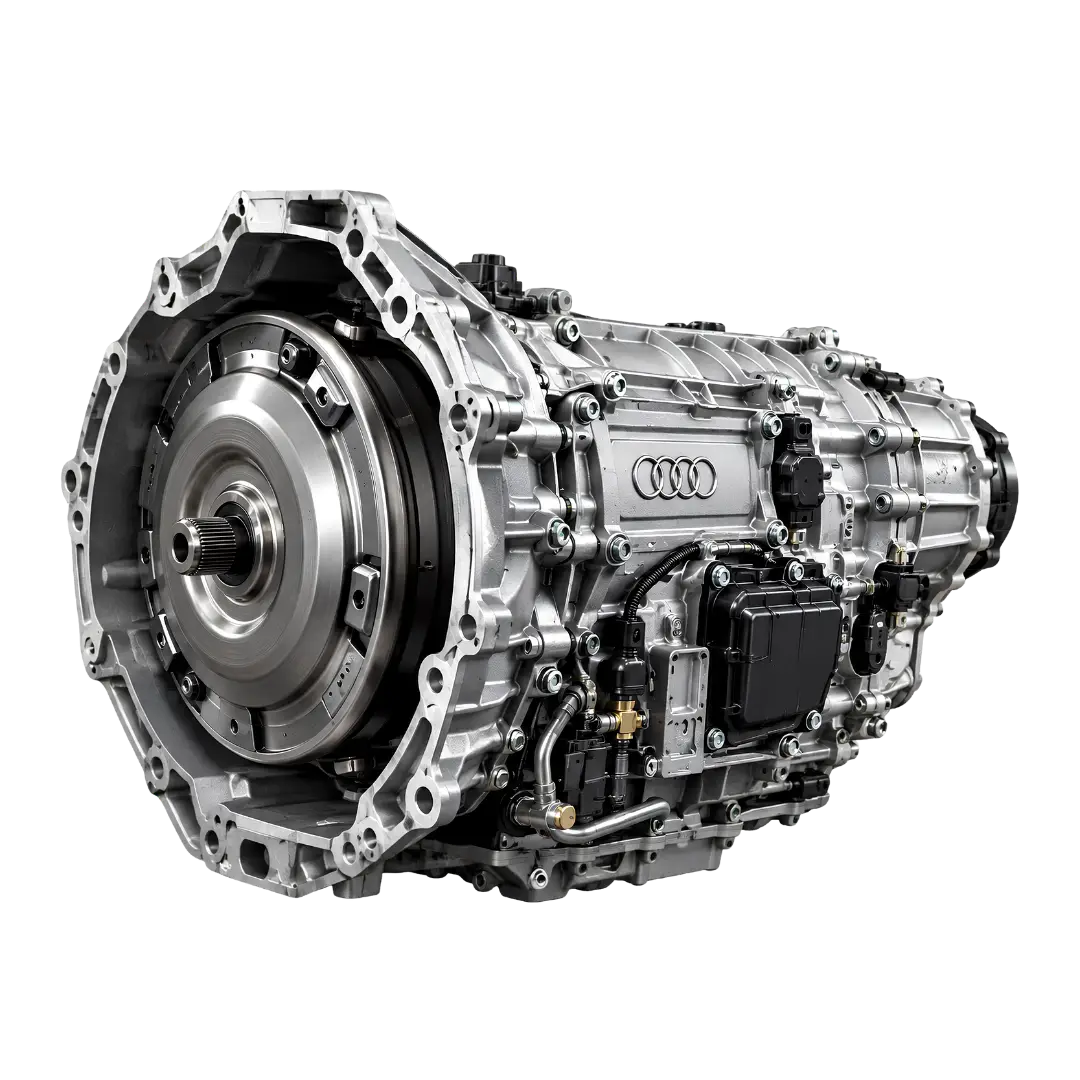 Transmission Repair03
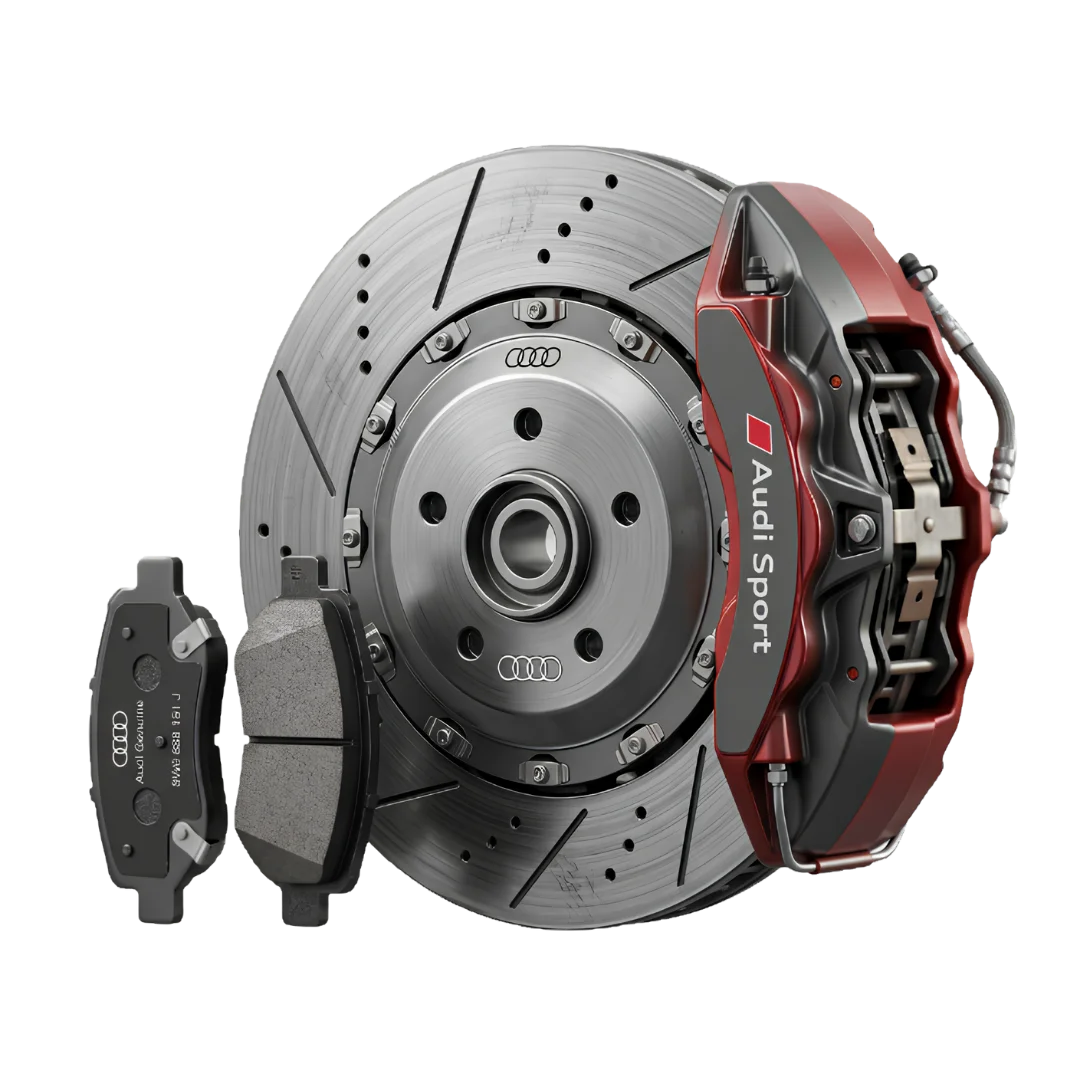 Brake Pads Replacement04
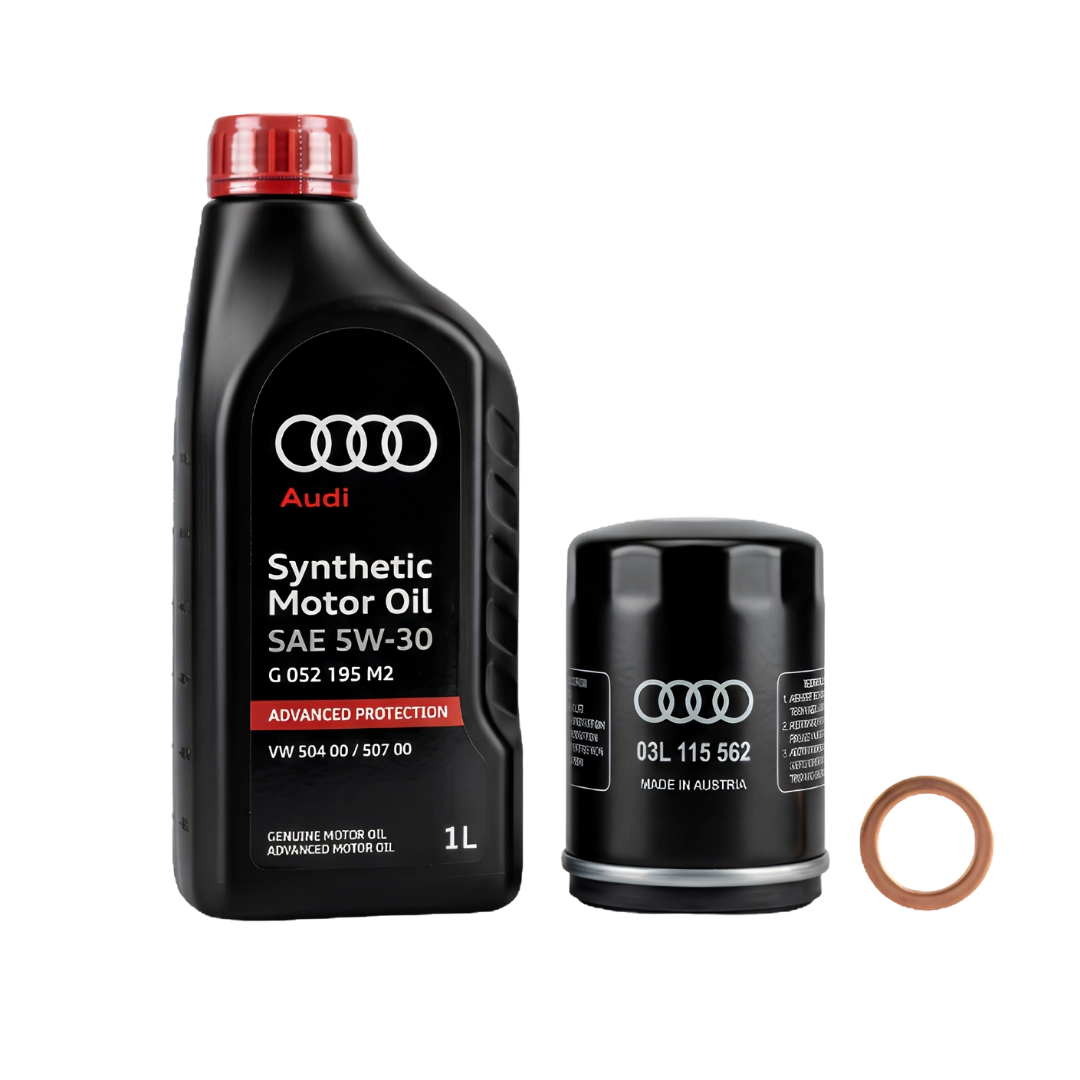 Oil Change05
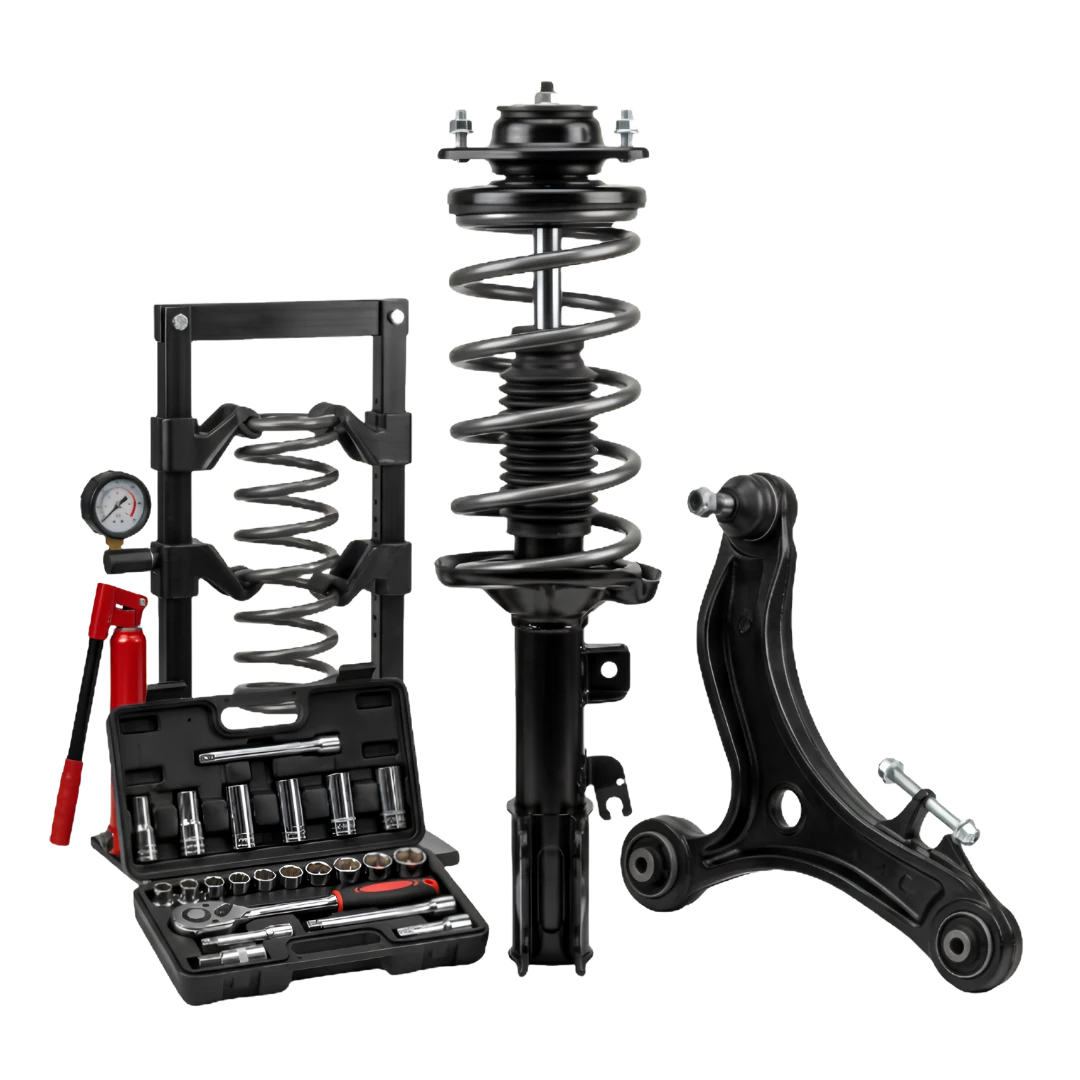 Suspension Repair06
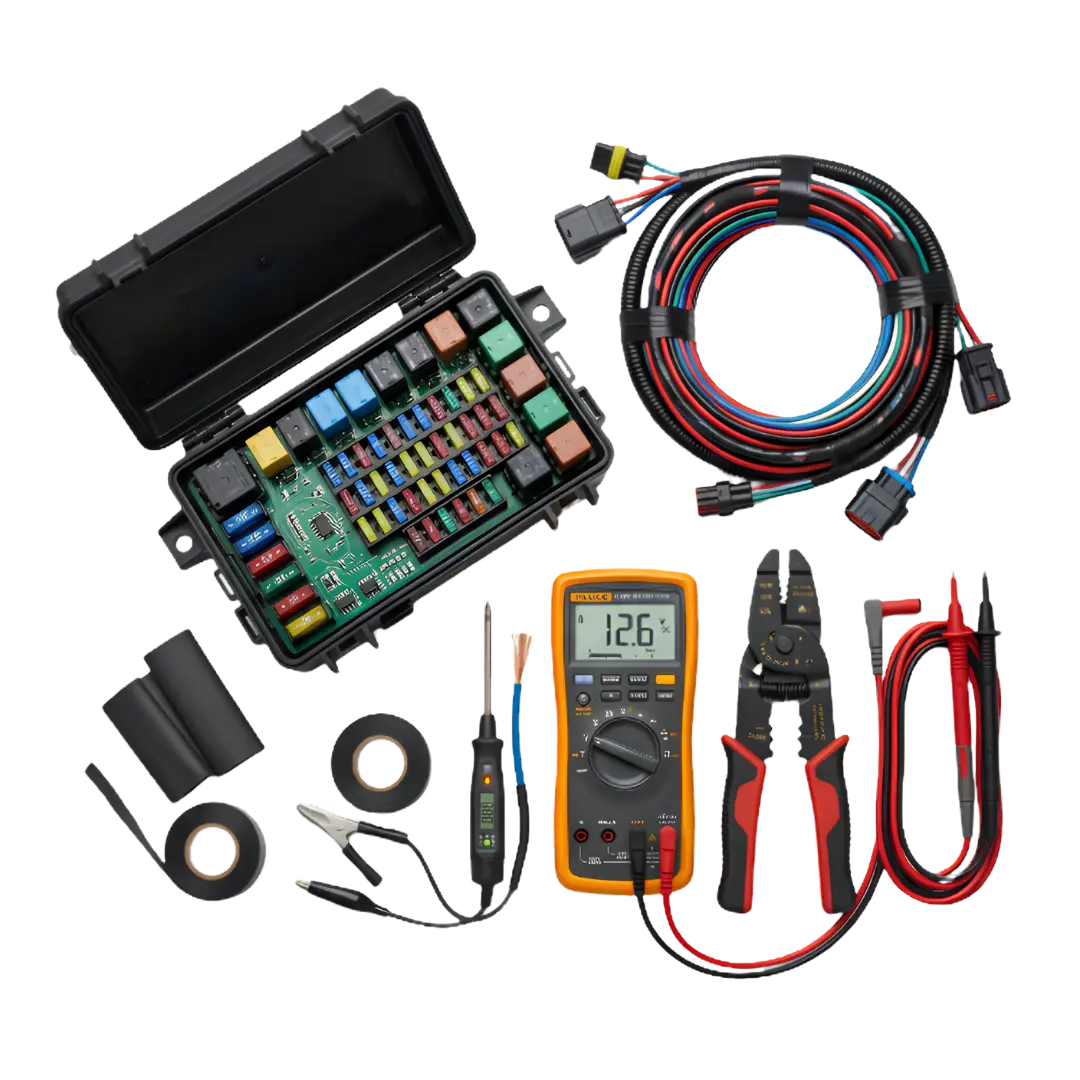 Car Electrical Repair07
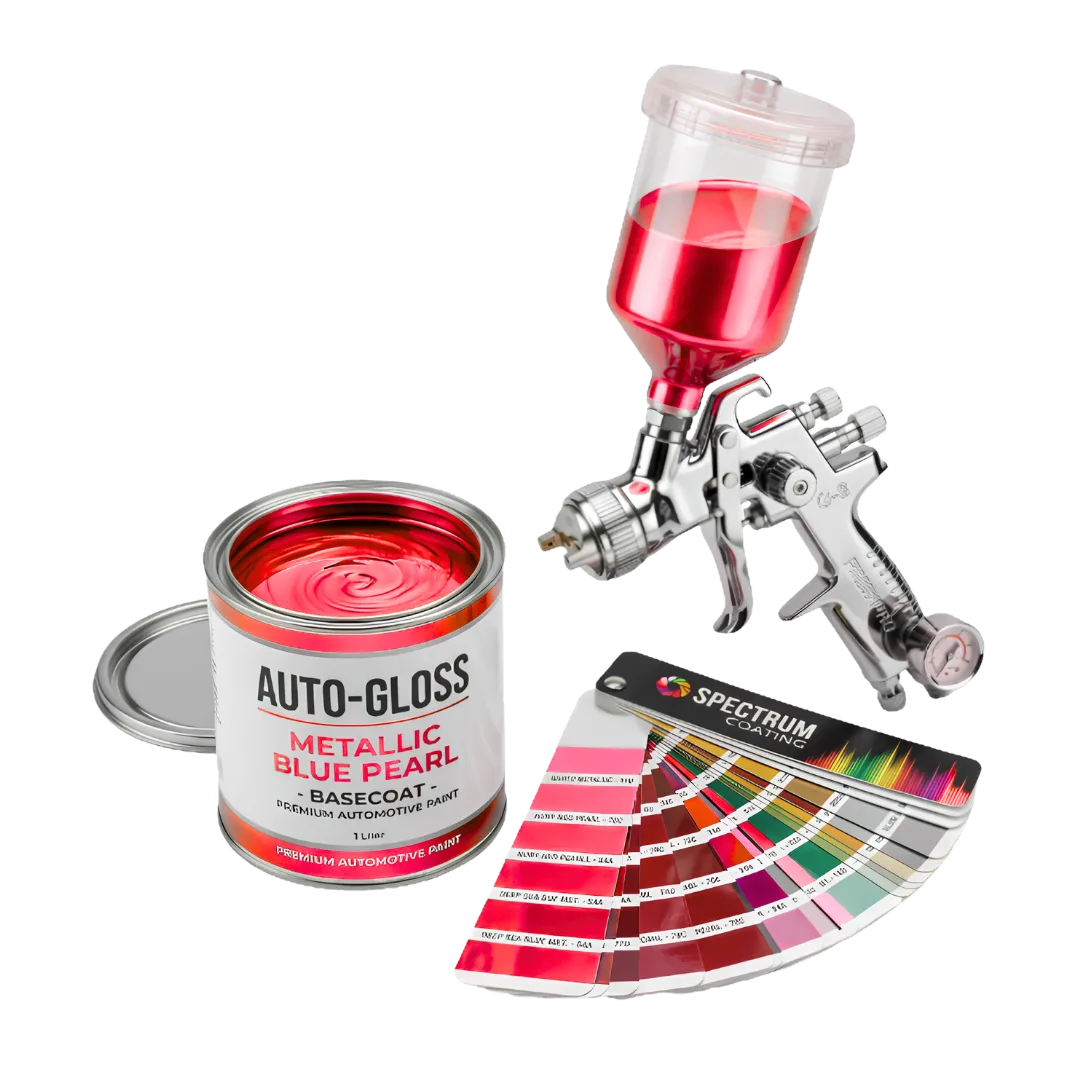 Body Paint08
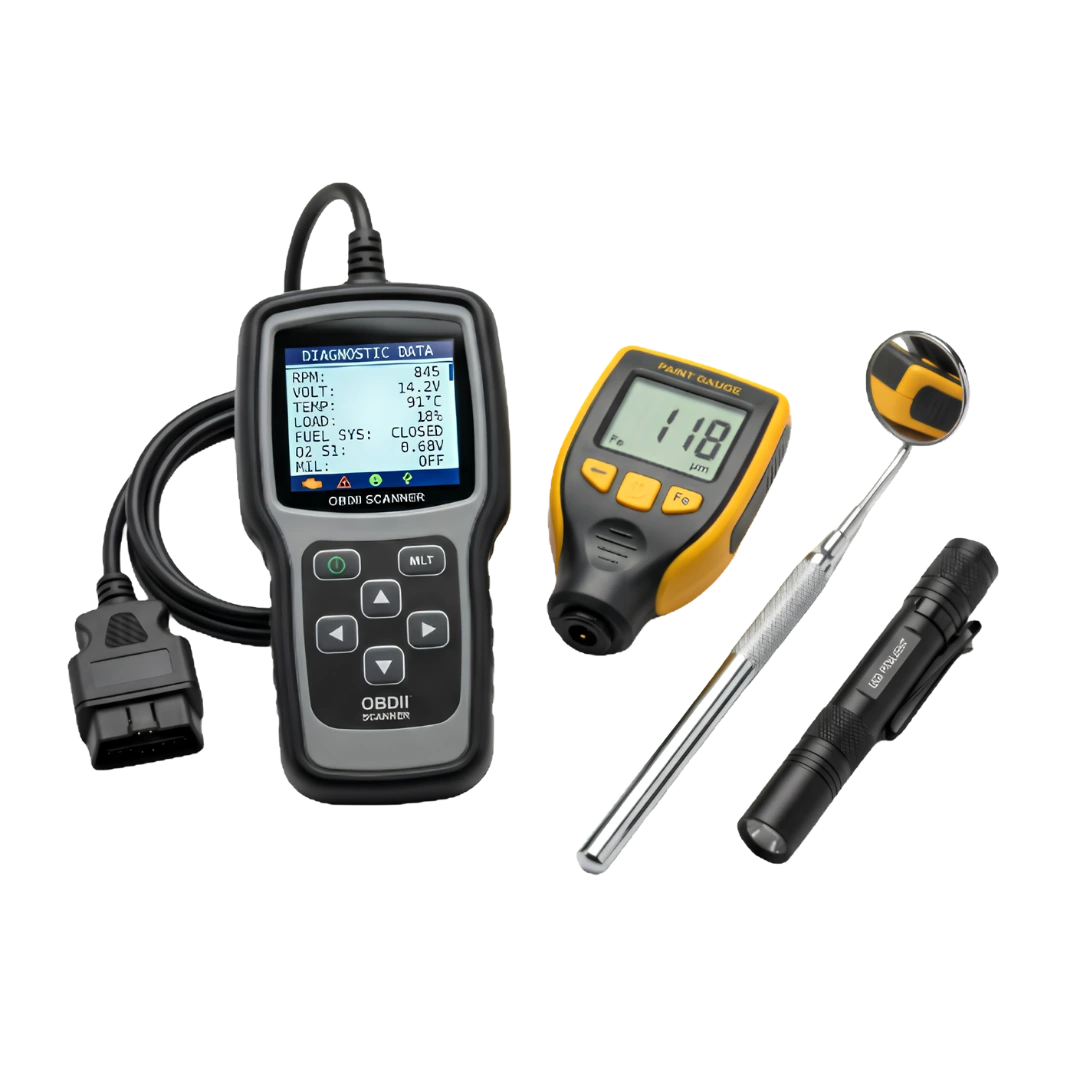 Pre Purchase Inspection09
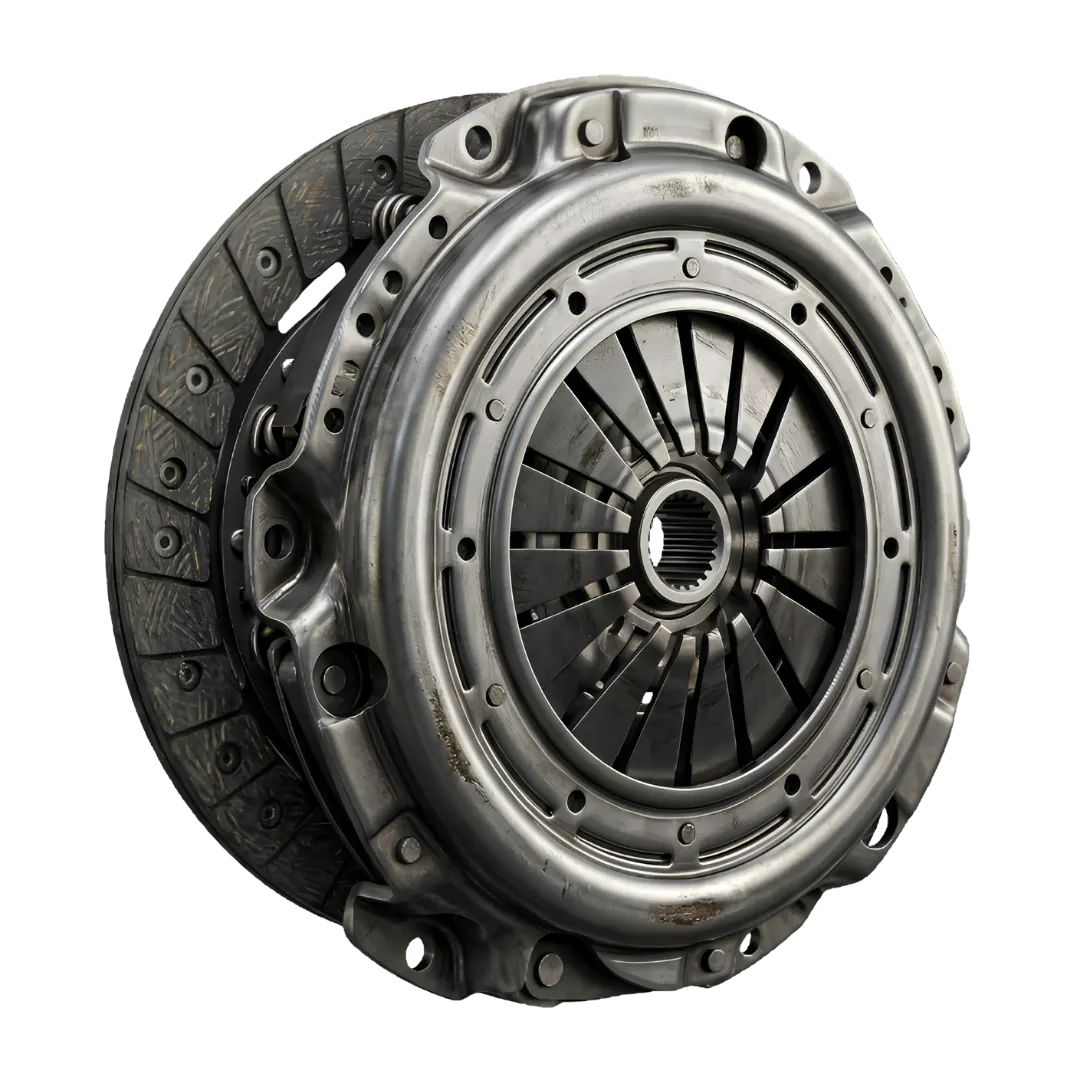 Clutch Replacement10
 Sanitisation11
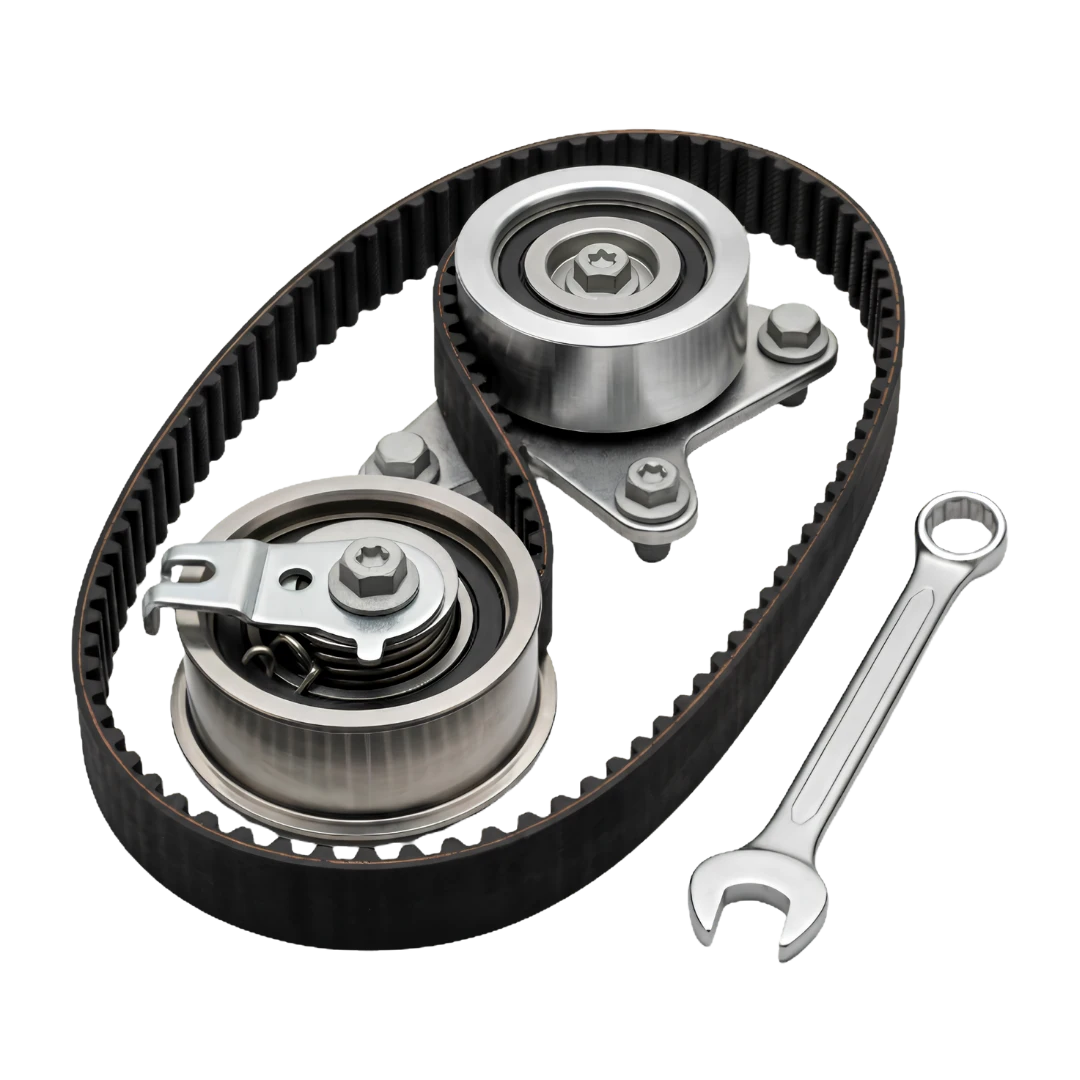 Timing Belt Replacement12
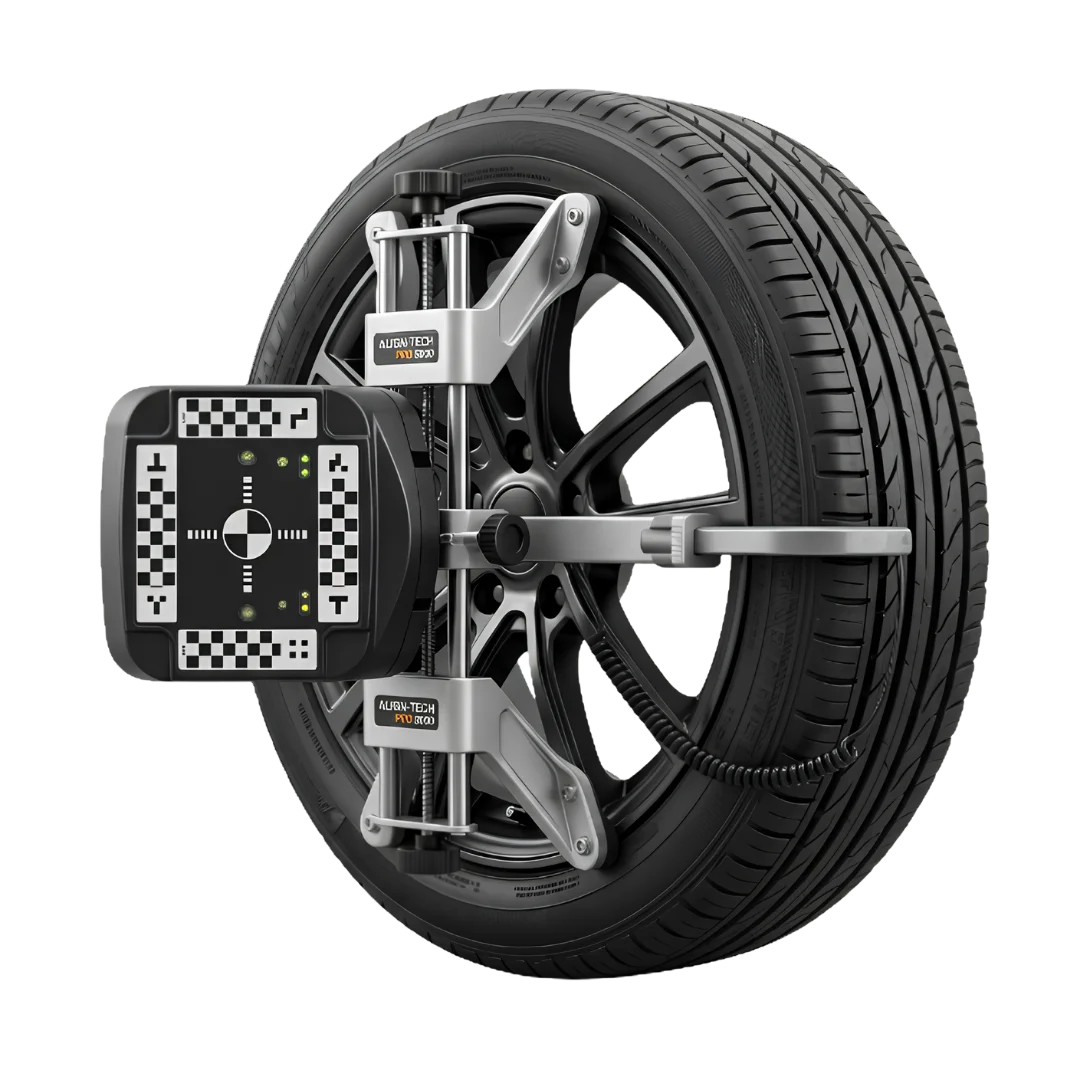 Wheel Alignment13
 Window Tinting14
 Windshield Replacement15
 Gear Repair16
 Body Shop17
 Radiator Repair18
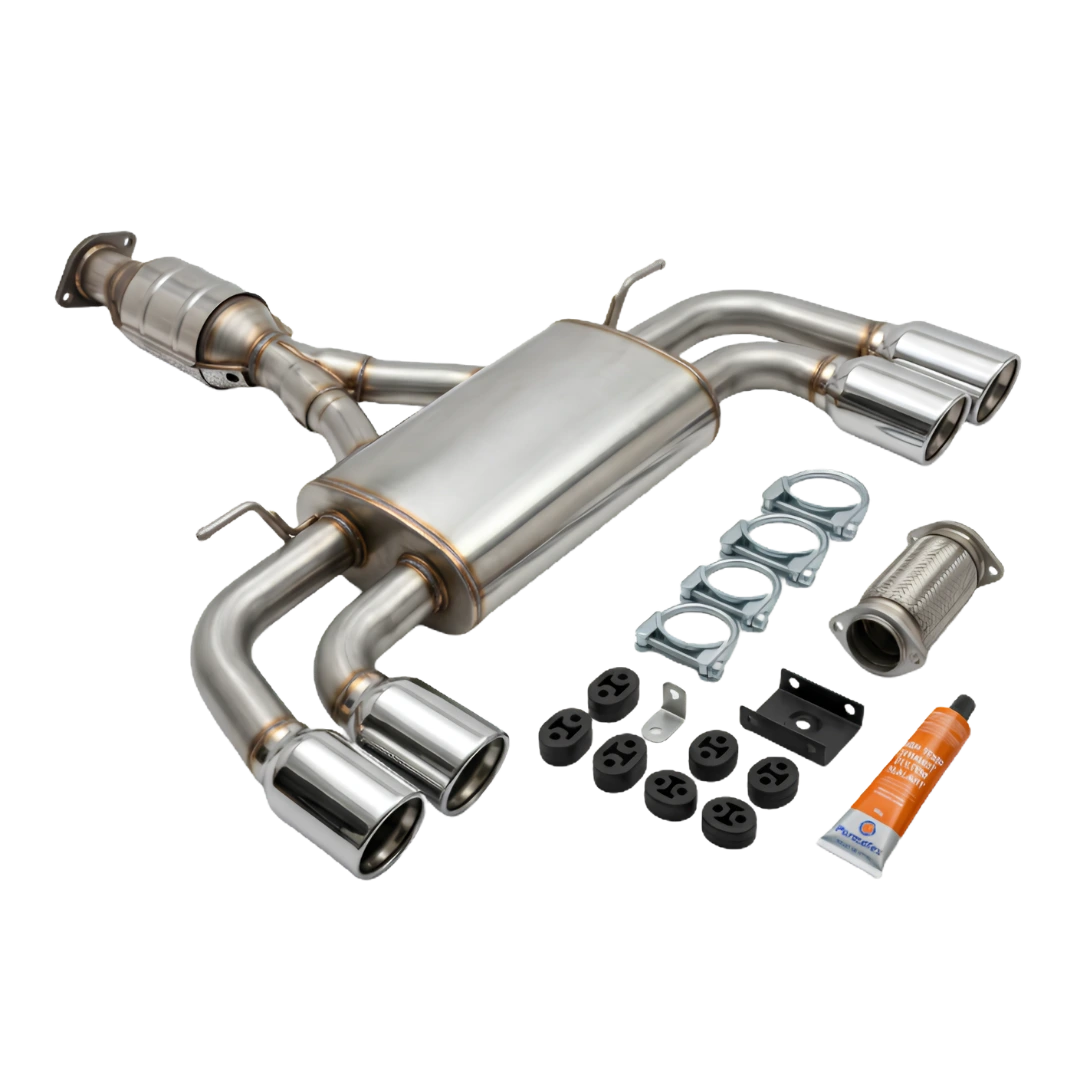 Exhaust Repair19
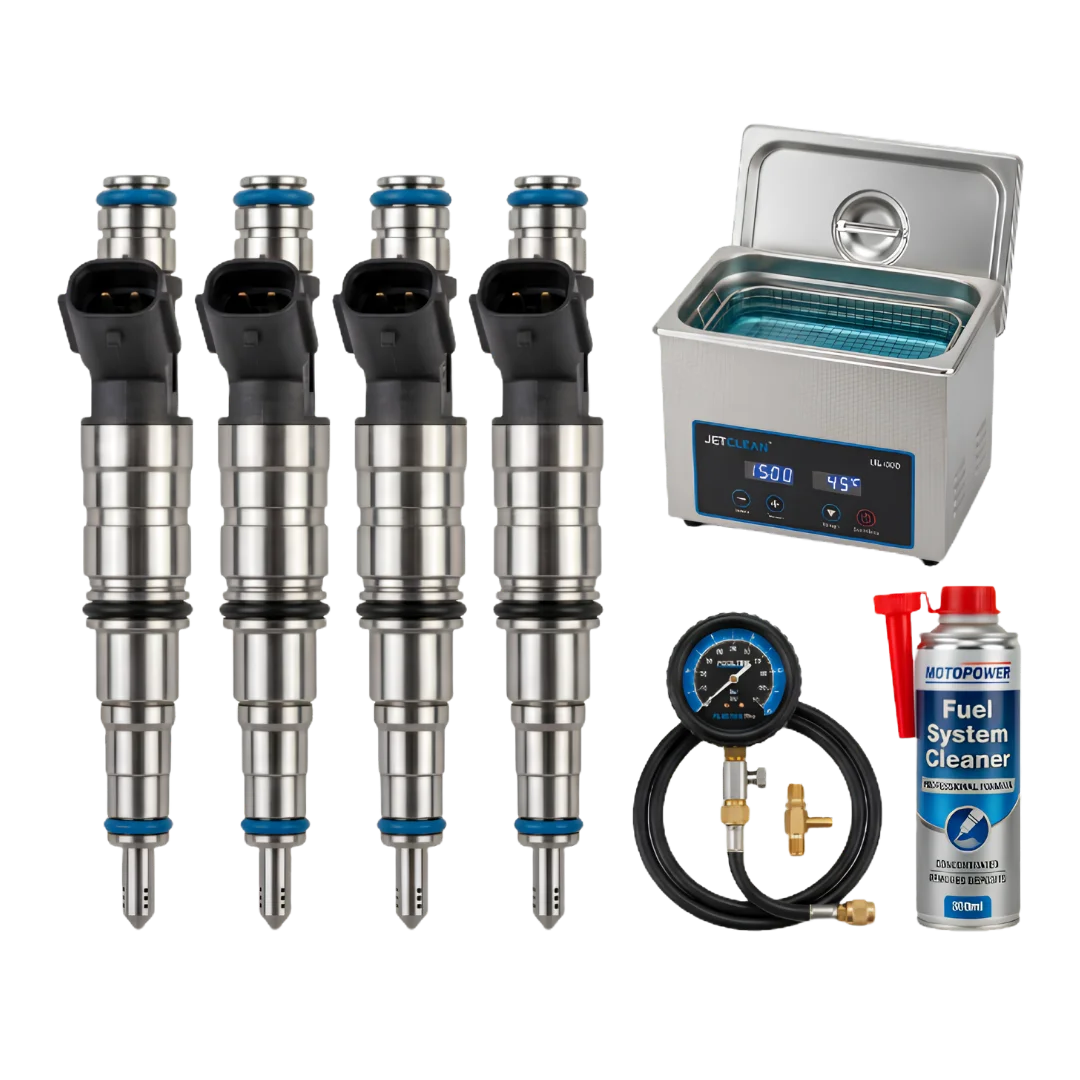 Injector Cleaning20
 Car Wash21
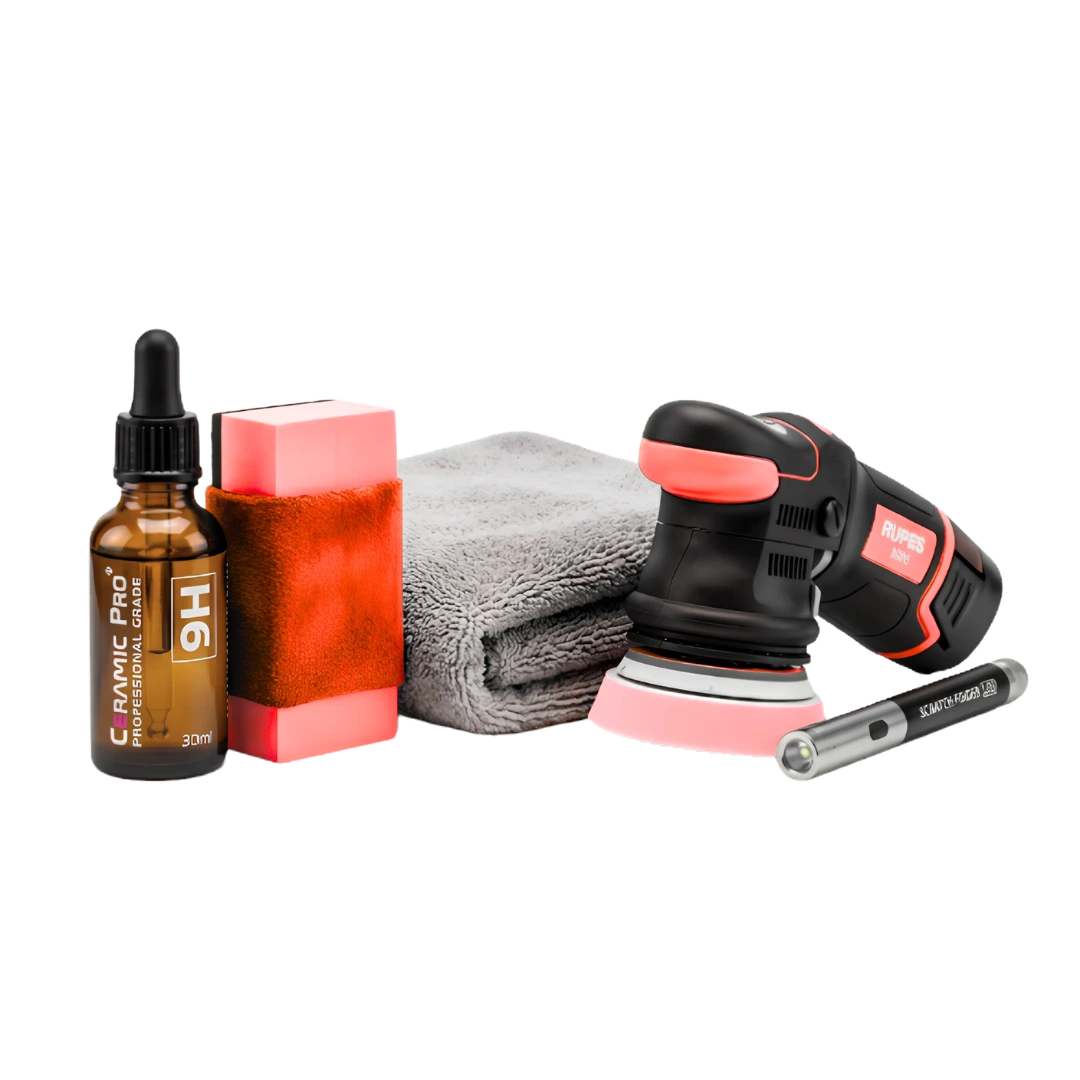 Ceramic Coating Service22
 Upholstery Service23
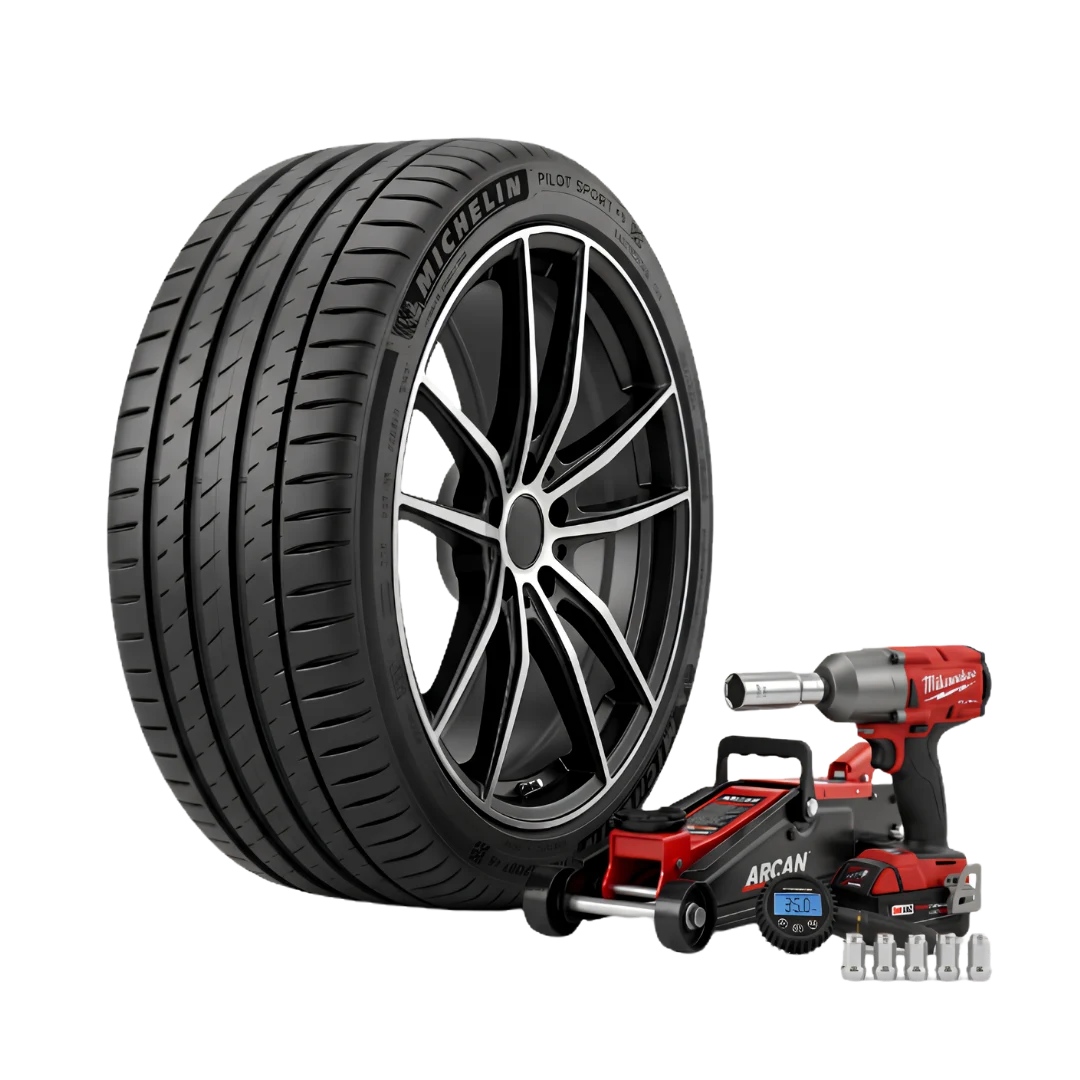 Car Tyre Change24
 Car Steering Repair
 Audi specialist service
Zenfo Auto Services matches every Audi oil change in Abu Dhabi to the VW approval number stored against your VIN. Oil pressure drives hydraulic cam adjusters, chain tensioners, and turbo bearings, so grade and capacity decide how long those components last.
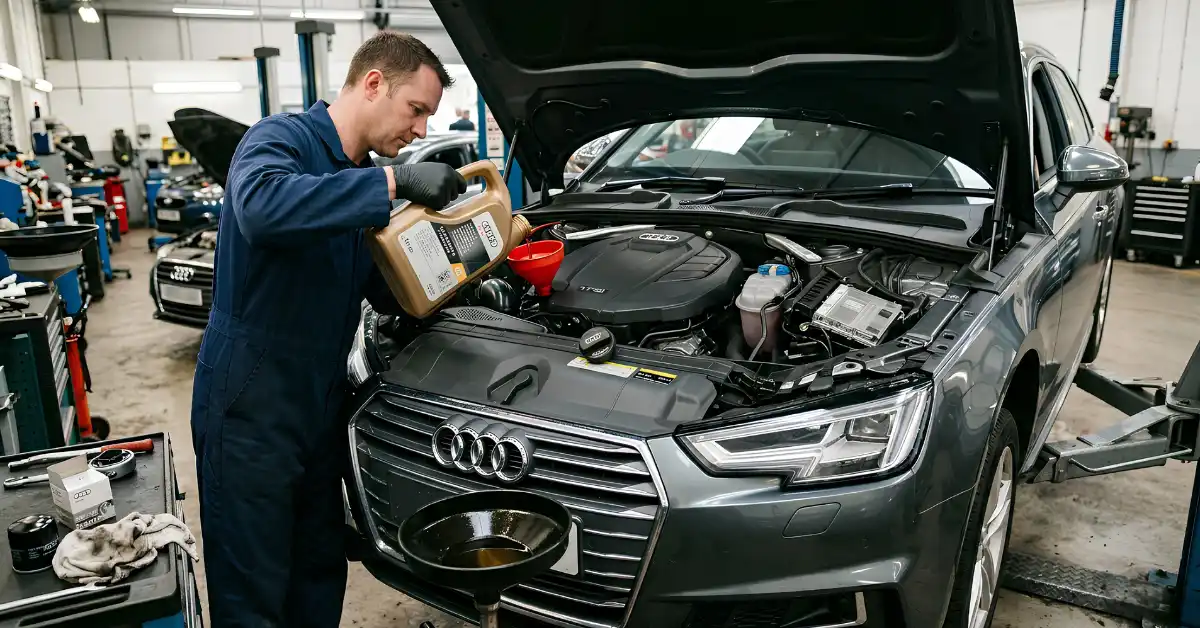
Modern Audi models calculate service intervals from sensor data, but the engine still gives physical warnings between reminders.
The interval display counts down using oil level, temperature, and driving style rather than distance alone.
Consumption between services is normal on direct injection engines, and the sensor reports it before damage begins.
Fresh 5W-30 flows amber. Oil that has sheared down and darkened has lost its viscosity index.
Thickened or depleted oil delays pressure reaching the hydraulic lifters and camshaft bearings.
Contaminated oil affects the cam adjuster solenoids that control valve timing on TFSI engines.
Oil weeping onto a hot exhaust manifold usually starts at the cam cover gasket or oil cooler seal.
This symbol demands an immediate stop, since bearing damage begins within seconds of pressure loss.
An oil service covers 14 tasks and checks here, because draining and refilling alone tells you nothing about the engine it came from.
Oil is drained at operating temperature so suspended contaminants leave with it. Refilling happens by measured capacity, then the level is verified on a level surface.
Audi uses cartridge filters housed in the engine, not spin-on canisters. New filter media arrives with fresh O-rings, since reused seals are the leading cause of post-service leaks.
Aluminium sumps damage easily. A new crush washer and the correct torque setting prevent both weeping threads and stripped drain holes.
The correct VW approval number is confirmed against your VIN before a single bottle is opened, because 504 00 and 507 00 oils are not interchangeable with older grades.
The counter is reset through diagnostic software rather than a dashboard button sequence, which writes the correct service type and date into the control module.
Audi models from recent years store service history electronically. Your visit is written into that record so main dealer history stays continuous.
Sand loads air filters far faster here than in Europe. A restricted filter forces the turbocharger to work against reduced flow and richens the mixture.
Pollen and dust filters block quickly in this climate, weakening air conditioning output and leaving a stale smell through the vents.
Coolant, brake fluid, power steering fluid, and washer fluid are checked and topped, with brake fluid moisture content measured rather than assumed.
Cam cover gaskets, oil cooler seals, filter housings, and crankshaft seals are examined while the engine is warm and the underside is accessible.
Engines using measurable oil between services are checked for PCV faults, worn valve stem seals, and piston ring wear before consumption becomes damaged.
Sending a sample for laboratory testing reports viscosity, total base number, fuel dilution, and wear metals, which reveals internal conditions no visual check can.
Belts, hoses, mountings, and the battery terminal condition are inspected while the bonnet is open, since a service visit is the natural moment to catch them.
Tread depth, pressures, and remaining pad material are recorded on your report, giving you warning before either becomes urgent.
Oil services look identical on an invoice. The difference sits in the specification, the capacity, and the data written back into the car.
Oil arrives at your car sealed, with the VW approval and ACEA C3 classification printed on the label, so the specification is verified in front of you rather than claimed afterwards.
An EA888 2.0 TFSI takes roughly 5.7 litres with its filter. Overfilling past the maximum mark pushes oil through the PCV system into the intake, which is why we fill by figure and confirm by sensor.
Cartridge filters carry a bypass valve that opens when media blocks or oil is too cold. Budget elements collapse early and let unfiltered oil circulate, so we fit Audi-approved filters with new O-rings every time.
Counters are reset through software with the correct service type stored, fixed or LongLife, along with date and mileage. A dashboard button sequence clears the display while leaving incorrect data behind.
A laboratory sample reports viscosity at 100°C, total base number, fuel dilution percentage, coolant traces, and wear metals in parts per million, which exposes bearing or ring wear long before a warning light does.
Our driver collects and returns your Audi anywhere in Abu Dhabi at no charge, so a service visit costs you a phone call rather than half a working day.
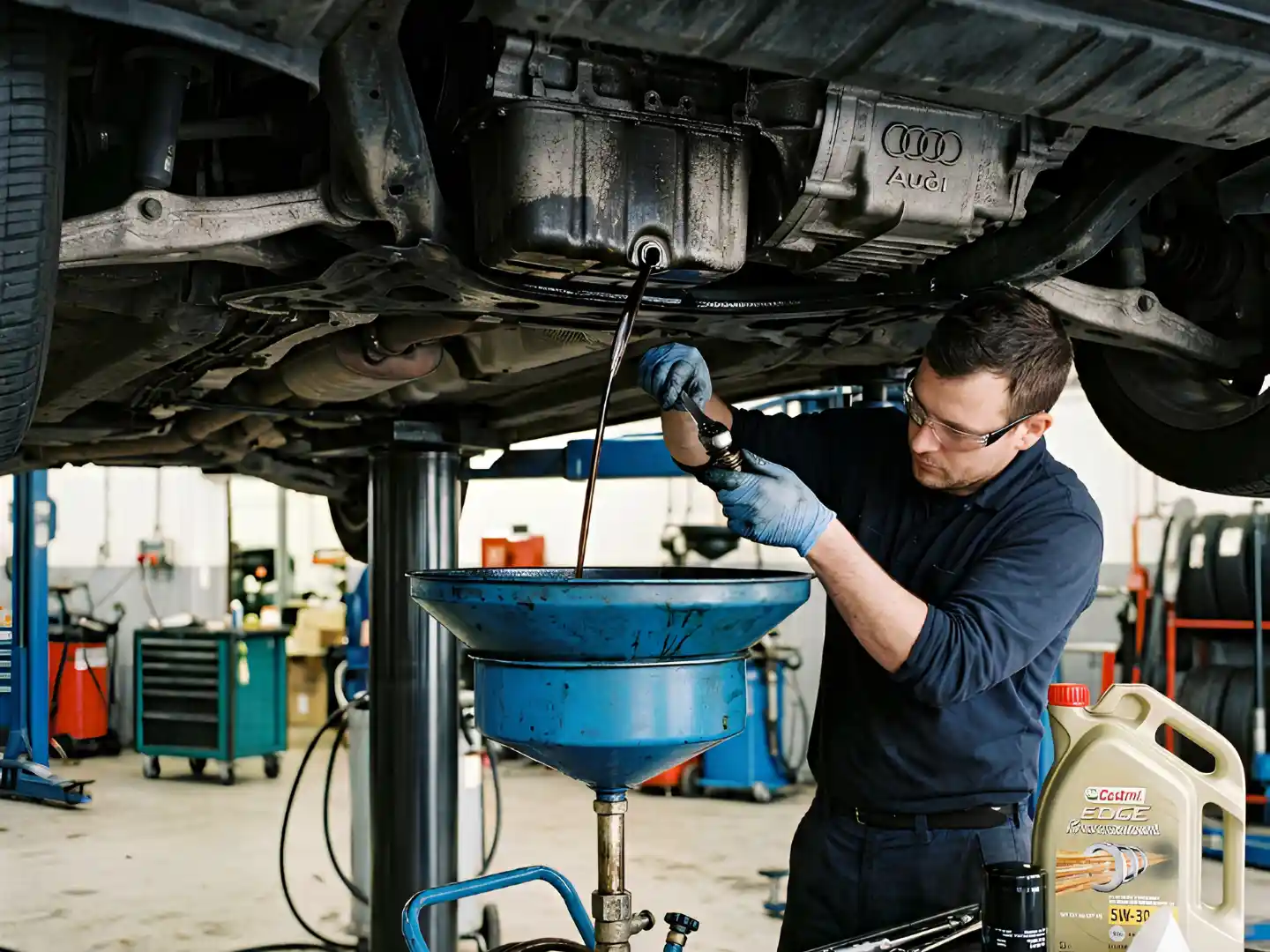
Oil ages chemically, and temperature drives that chemistry.
As a working rule, oxidation rate roughly doubles for every 10°C rise in sustained oil temperature.
Detergents and anti-wear additives are consumed as they work, and heat consumes them sooner.
Polymer viscosity improvers break under thermal and mechanical stress, so a 5W-30 gradually behaves thinner than its grade.
Fine particles that pass a loaded air filter reach the oil and act as an abrasive.
Oil that never reaches full temperature cannot evaporate condensation or fuel dilution out of the sump.
Long waits with the air conditioning running keep oil hot while the oil cooler receives almost no air.
Audi does not specify oil by brand. It is specified by approval number, and using the wrong one damages emissions equipment long before it damages the engine.
| VW approval | Typical viscosity | Applies to |
|---|---|---|
| VW 502 00 | 5W-30 or 5W-40 | Older petrol engines on fixed intervals, no particulate filter |
| VW 504 00 | 5W-30 or 0W-30 | LongLife III petrol, TSI and TFSI engines from 2005 onward |
| VW 505 01 | 5W-40 | Older pump-injector TDI engines |
| VW 507 00 | 5W-30 or 0W-30 | LongLife III diesel, mandatory for TDI models with a DPF |
| VW 508 00 / 509 00 | 0W-20 | Newest low-viscosity petrol and diesel applications |
The 504 00 and 507 00 grades are low SAPS formulations, meaning reduced sulphated ash, phosphorus, and sulphur. That chemistry protects catalytic converters and diesel particulate filters. Filling a DPF-equipped TDI with a full SAPS oil deposits ash that regeneration cannot burn away, and the filter eventually needs replacing.
Capacity varies with engine family, filter type, and whether the sump has been fully drained. These figures cover the most common Abu Dhabi models.
| Engine | Fitted to | Approximate capacity with filter |
|---|---|---|
| 1.4 TFSI | A1, A3 | 3.8 litres |
| 2.0 TFSI (EA888) | A3, A4, A5, Q3, Q5 | 5.7 litres |
| 3.0 TFSI V6 | A6, A7, Q7, S4 | 6.8 litres |
| 4.0 TFSI V8 | S6, S7, RS6, RS7 | 8.5 litres |
| 2.0 TDI | A4, A6, Q5 diesel | 4.3 litres |
| 3.0 TDI V6 | A6, A8, Q7 diesel | 7.5 litres |
Figures are indicative. Our technicians confirm exact capacity against your VIN, then verify the final level with the electronic sensor or dipstick rather than trusting the bottle count.
Audi's LongLife programme allows variable intervals reaching 15,000 km in European conditions. The Gulf climate qualifies as severe service, and the same oil does not survive that distance here.
| Driving pattern | Recommended interval |
|---|---|
| Highway commuting, engine fully warmed | 10,000 km or 12 months |
| Mixed city and highway use | 7,500 to 10,000 km |
| Daily short trips under 15 minutes | 5,000 to 7,500 km |
| Performance models driven hard | 5,000 km or 6 months |
| Cars parked for long periods | 12 months regardless of distance |
Shortening the interval is the cheapest engine protection available. A timing chain, a turbocharger, or a set of cam adjusters costs many multiples of an oil service.
Six stages, one visit, most cars finished within ninety minutes.
Your VIN is checked against Audi data to confirm the required approval number, viscosity grade, and exact capacity before any part is opened.
The engine is brought to operating temperature so the oil carries suspended soot and metal out with it instead of leaving it in the sump.
The cartridge filter, housing O-rings, and sump plug washer are replaced together, then the housing is torqued to specification to avoid cracked plastic.
Oil goes in by capacity, the engine is run briefly to fill the filter housing, then the level is rechecked and corrected on flat ground.
The service interval is reset through diagnostic software, and the digital service record is updated so your Audi history remains continuous.
Filters, fluids, leaks, tyres, and brake wear are documented and handed to you, including anything that needs attention before your next visit.
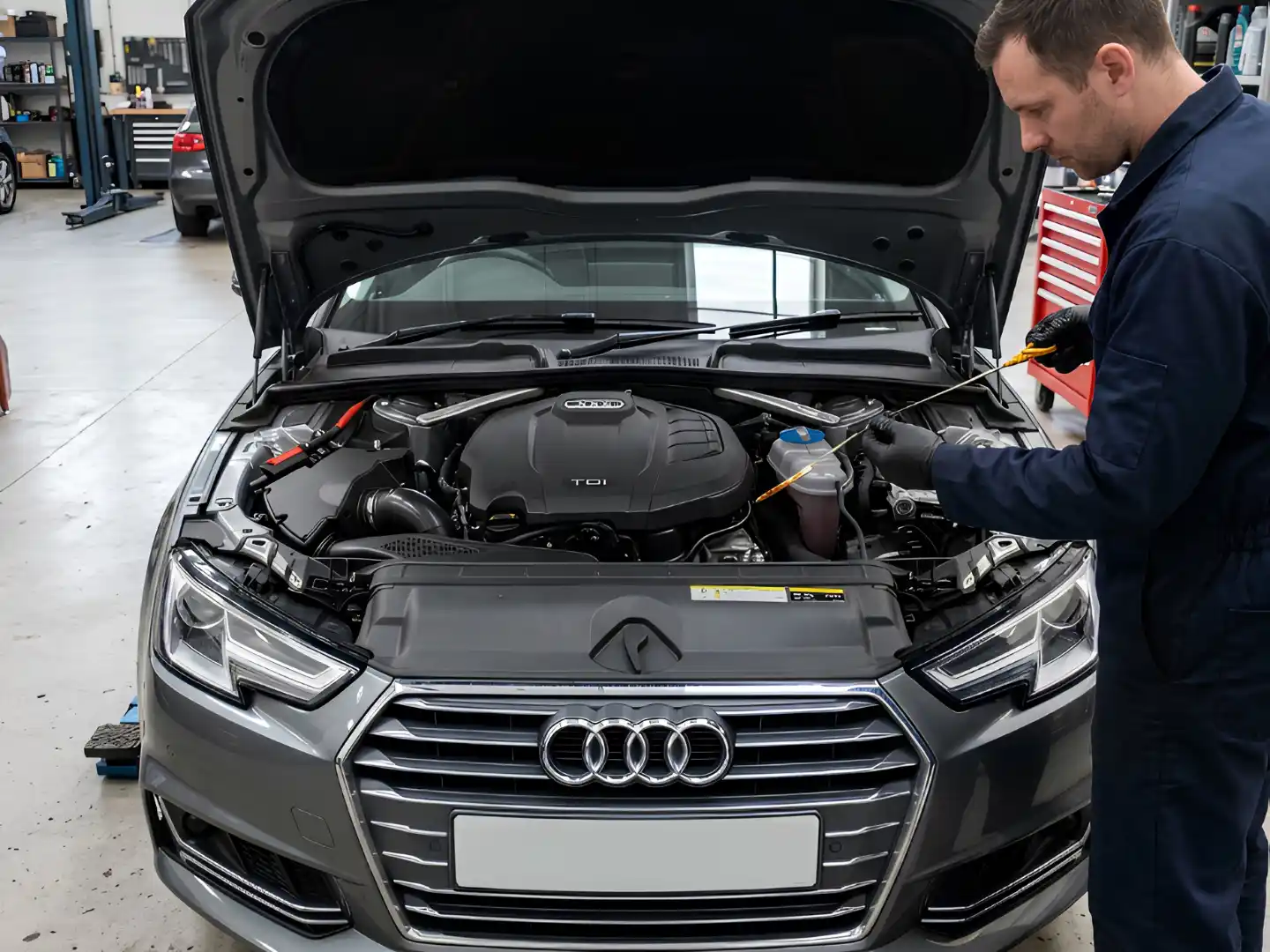
Direct injection engines consume oil, and run low stresses bearings long before a warning appears.
Cold oil is thick and reaches turbo bearings last, which is where wear begins.
Time spent stationary raises oil temperature without adding distance to the interval.
A blocked filter enriches the mixture and increases fuel dilution in the sump.
A cheaper oil meeting a different specification saves nothing once a DPF or catalyst is damaged.
Documented service history protects both your warranty position and your resale value.
Send your VIN, and we will confirm the approval number, viscosity grade, and exact capacity your engine takes before you commit to a booking. Book Audi repair in Abu Dhabi with free collection, or call Zenfo Auto Services for a slot this week.
Every 10,000 km or 12 months suits most cars here, and 5,000 to 7,500 km suits short-trip city use. European LongLife intervals assume cooler ambient temperatures than this climate provides.
Audi specifies an approval number, not a brand. Most petrol models from 2005 onward require VW 504 00, TDI models with a particulate filter require VW 507 00, and the newest engines require 508 00 or 509 00.
Only where the owner's manual lists a matching approval. Fitting a full SAPS 5W-40 to an engine specified for low SAPS 504 00 or 507 00 oil risks ash accumulation in the catalyst or DPF.
Measurable consumption is normal on many direct injection engines, particularly TFSI units. Consumption that rises sharply usually indicates PCV faults, valve stem seal wear, or piston ring wear worth investigating.
The cartridge filter and its O-rings are replaced at every oil service. Reusing either one is the most common source of leaks appearing days after a cheap oil change elsewhere.
Degraded oil thickens with soot and thins through shear at the same time, which starves timing chain tensioners and turbocharger bearings. Chain stretch and turbo failure both trace back to extended intervals.
Resets are performed through diagnostic software, so the correct service type and date are written into the control module, keeping the digital service record accurate for future owners and dealers.
Analysis reports viscosity, total base number, fuel dilution, coolant traces, and wear metals. For high mileage or performance models, it identifies internal wear months before any symptom reaches the driver.