
Suspension Diagnostic Scan
The suspension control module is interrogated for stored and sporadic fault codes, live height-sensor data, and compressor run-time history before a single bolt is touched.
 Engine Repair02
 Transmission Repair03
 Brake Pads Replacement04
 Oil Change05
 Suspension Repair06
 Car Electrical Repair07
 Body Paint08
 Pre Purchase Inspection09
 Clutch Replacement10
 Sanitisation11
 Timing Belt Replacement12
 Wheel Alignment13
 Window Tinting14
 Windshield Replacement15
 Gear Repair16
 Body Shop17
 Radiator Repair18
 Exhaust Repair19
 Injector Cleaning20
 Car Wash21
 Ceramic Coating Service22
 Upholstery Service23
 Car Tyre Change24
 Car Steering Repair
 Audi specialist service
Audi suspension repair in Abu Dhabi starts with a diagnostic scan, not a guess. Zenfo Auto Services reads the suspension control module at our Mussafah workshop, measures play at every joint and bushing, then fits new components and recalibrates ride height. Hence, the car sits, steers, and rides the way Audi engineered it.
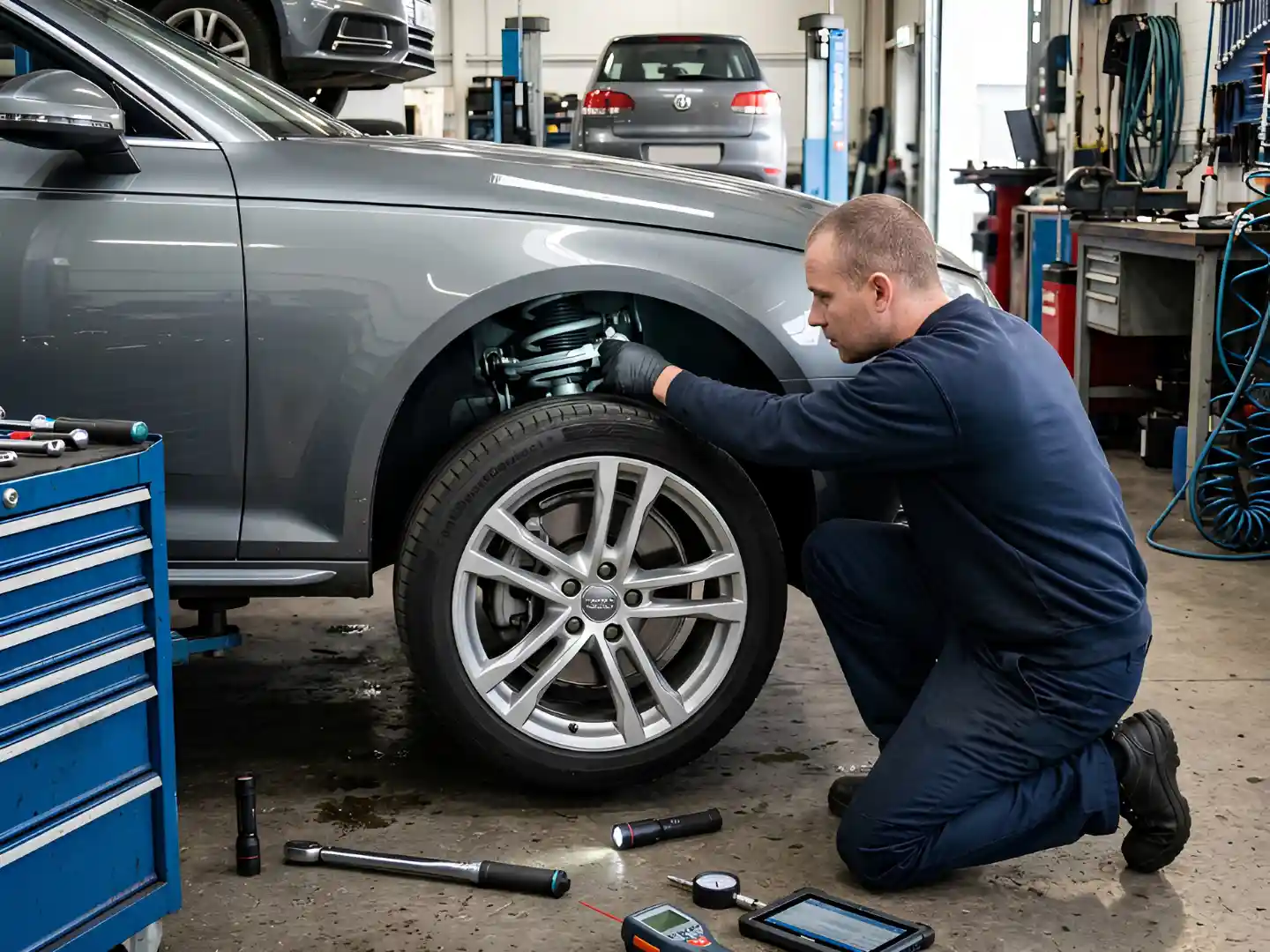
Suspension wear rarely announces itself with a single obvious fault. These 9 signs are the ones our advisors hear most often at intake.
Worn sway bar links or control arm bushings are usually the cause, and an inspection within 2 weeks is advised.
Uneven strut wear or a seized caliper slide is the likely source, so a diagnostic slot should be booked now.
Weak front struts or fatigued springs are the common reason, and replacement should be planned soon.
Worn tie rod ends or an out-of-balance wheel are the frequent cause, so alignment and balance should be checked.
An air spring leak or a broken coil spring is the typical source, and a same-day inspection is recommended.
Loose or perished strut top mounts are the usual cause, and an inspection within 1 month is advised.
A height sensor or compressor fault is indicated, so the module should be scanned immediately.
Failing dampers or a DCC valve fault are the likely reason, and a road test should be booked.
Camber or toe out of specification is the common cause, and an alignment check is advised.
A worn bushing at 40,000 km on an A4 and a leaking air spring at 90,000 km on a Q7 present almost identically from the driver's seat, which is why measurement replaces guesswork at every stage of our inspection.
Suspension work covers 14 distinct procedures here, because a shock absorber rarely fails on its own.
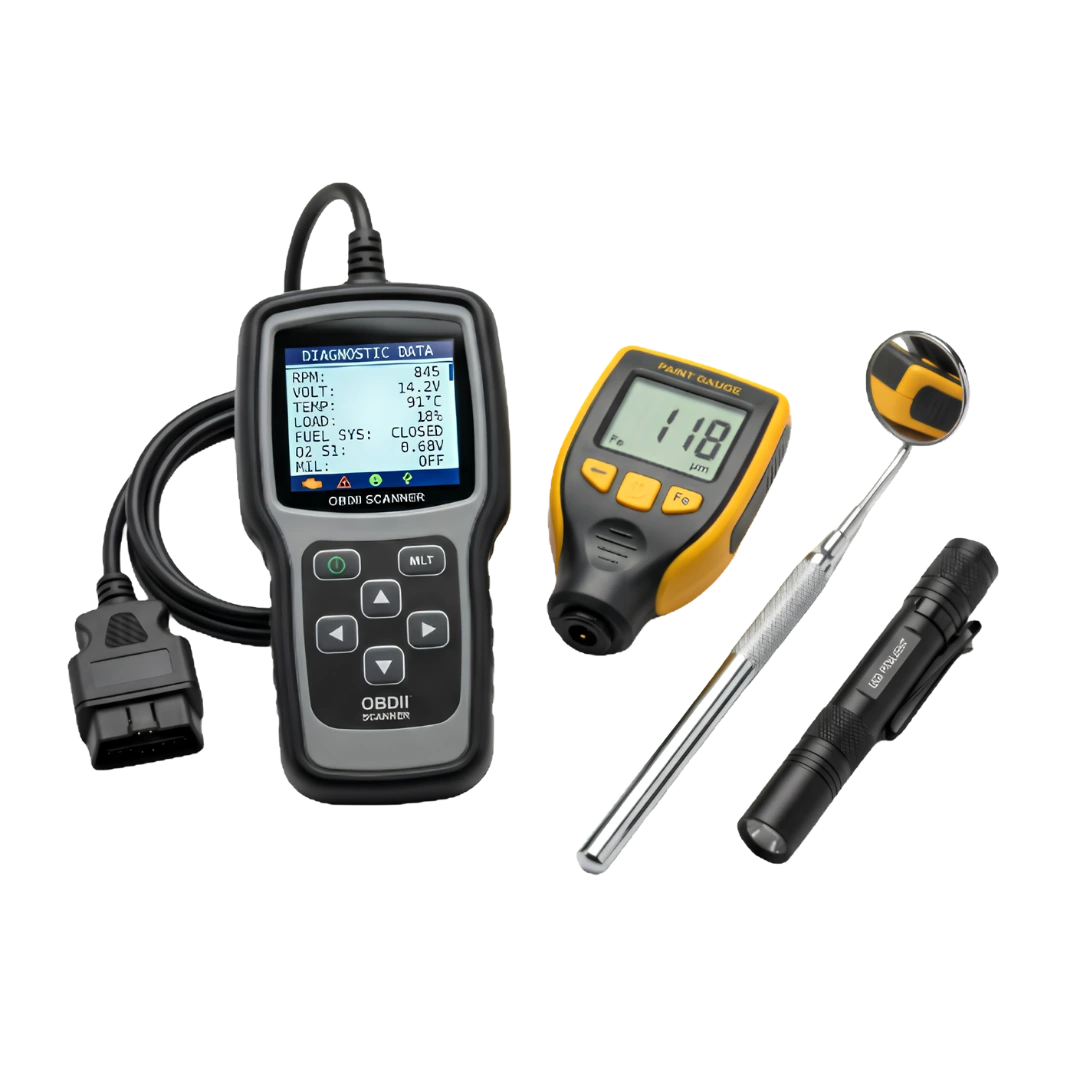
The suspension control module is interrogated for stored and sporadic fault codes, live height-sensor data, and compressor run-time history before a single bolt is touched.
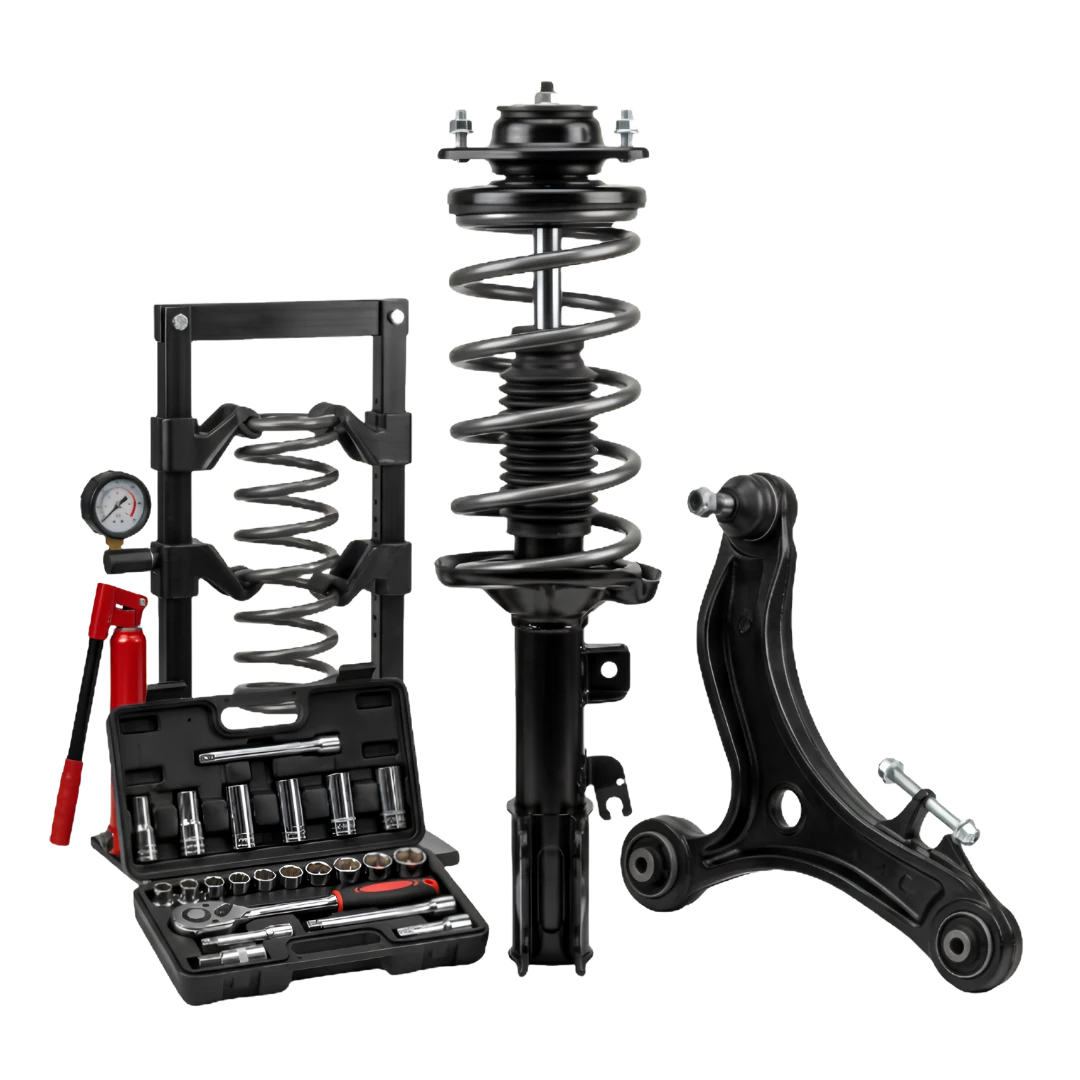
Conventional and electronically damped shocks are swapped as matched pairs across an axle, since fitting one new unit against one worn unit produces uneven damping and a car that leans under cornering.
Bearing, spring seat, and damper are renewed together on MacPherson strut models, and the assembly is torqued to Audi's specified sequence before wheel alignment is checked.
Corroded or sagging steel springs lose ride height gradually, often below the 15 mm variance Audi allows corner to corner, and mismatched springs are replaced in axle pairs to keep the car level.
The compressor that pressurises the air tank on models fitted with adaptive air suspension is replaced when run-time logging shows it working excessively to hold target pressure, a pattern that precedes total failure.
Rubber air springs, sometimes called airbags, harden and crack with UAE heat exposure. A leaking spring is replaced complete rather than patched, since a repaired bellow rarely holds pressure through a second summer.
The valve block directs compressed air to each corner individually. Sticking internal valves send the compressor into constant overrun, and cleaning or replacing the block resolves faults that a compressor swap alone will not fix.
Front and rear control arms locate the wheel and absorb road impact through their bushings. Torn bushings or a bent arm from a pothole strike are replaced with the correct OEM-spec geometry preserved.
Play exceeding roughly 1.5 mm at the ball joint under load is treated as a safety item, since a joint that separates removes steering control at that corner instantly.
Anti-roll bar links wear at their ball socket ends, producing the knocking noise most owners describe over speed bumps. Both sides are renewed together to keep roll stiffness balanced.
The bearing at the top of each strut allows the wheel to turn with the steering. A worn bearing creates a knock during low-speed steering input that is frequently misdiagnosed as a CV joint fault.
Dynamic Chassis Control and magnetic ride dampers adjust firmness electronically through solenoid or magnetorheological fluid valves. Faults here are diagnosed through live actuator testing rather than mechanical inspection alone.
Play in the outer tie rod end shows up as steering vibration and a wandering feel at highway speed. A worn end is replaced on both sides where the opposite one is close to its limit, and toe is reset immediately after.
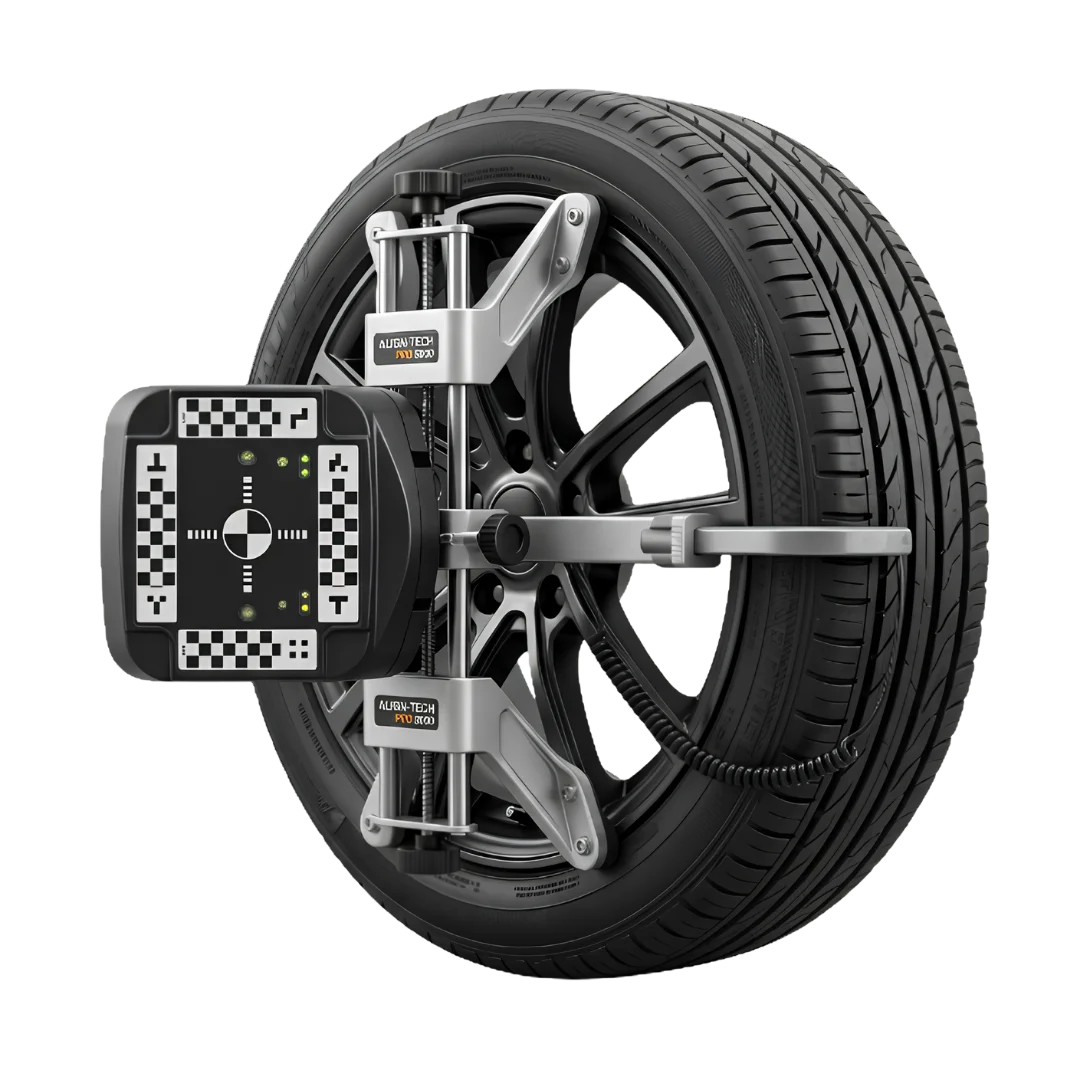
Every suspension job finishes on the alignment rig, with camber, caster, and toe set to Audi's published figures, and air suspension models recalibrated. Hence, the ECU learns the correct ride height reference points.
A suspension repair either restores the car's original geometry or quietly leaves it out of specification. Six practices separate the two outcomes.
Shocks, struts, and springs go in as matched pairs across an axle, never as single units, because mismatched damping rates create handling faults that show up weeks later on the highway.
Every joint is checked against a numeric play tolerance with the wheel loaded on the ground, not waggled by hand in the air, which is the difference between an accurate finding and a missed fault.
Ride height and alignment are calibrated on every suspension job as standard, since a new strut fitted without recalibration can still leave the car pulling or sitting uneven.
Compressor, valve block, and air spring faults on Q7, A6, A7, A8, and Q8 models are diagnosed through the suspension control module rather than parts replaced on suspicion.
Shocks, struts, springs, bushings, and alignment work carry a written guarantee, so a knock or a pull that returns after fitting comes back to us at no extra cost.
A suspension fault that drops one corner or triggers a ride-height warning shouldn't be driven far. Our recovery vehicle collects the car from home, office, or roadside anywhere in Abu Dhabi.
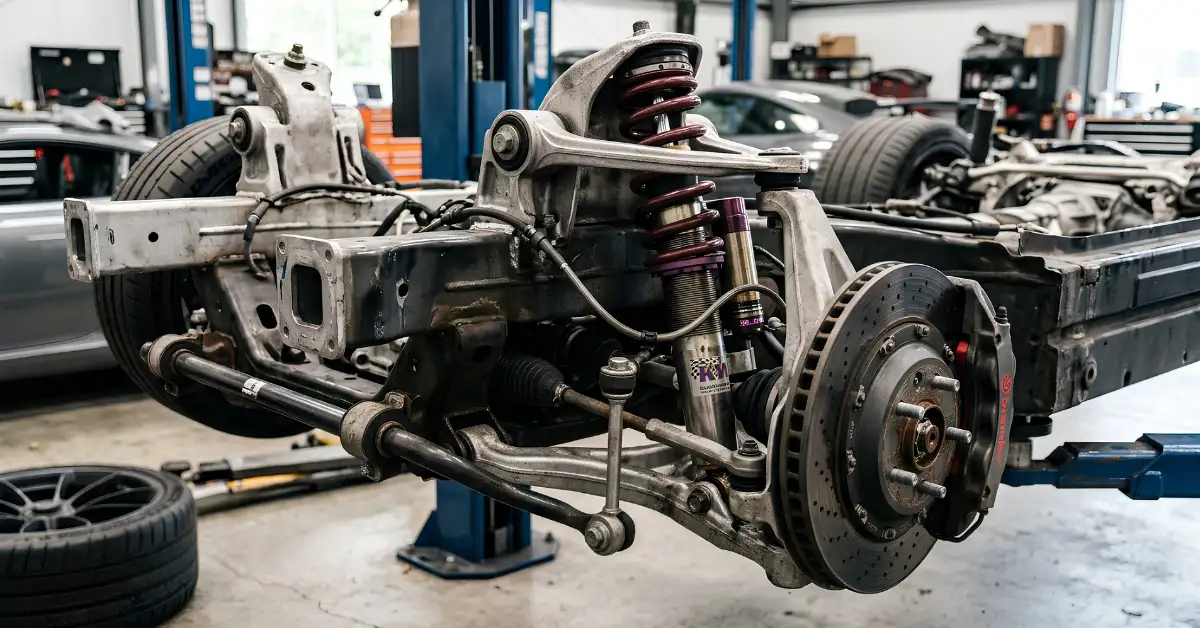
Suspension components are engineered around a moderate climate, and this region asks more of every bush and seal.
Rubber bushings and air spring bellows harden and crack years earlier when cabin-adjacent components regularly exceed 60°C under the bonnet and wheel arch.
Fine dust works into strut top bearings and ball joint boots, wearing away grease and accelerating metal-to-metal contact.
Frequent low-speed impacts at community entrances and car parks load bushings repeatedly in ways smoother roads never would.
A Q7 or Q8 carries substantially more static and dynamic load through its springs and bushings than an A3 or A4 covering the same routes.
Moisture accelerates corrosion on spring coils and control arm mounting points, particularly on cars kept near the coast.
Sudden acceleration and braking cycles on Sheikh Zayed Road load dampers harder than steady urban driving, shortening their working life.
Not every Audi rides on the same hardware, and the repair method changes with the system fitted.
| Suspension Type | Typical Models | How It Works | Common Fault |
|---|---|---|---|
| Steel spring, passive damper | A1, A3, entry A4 | Fixed-rate coil springs with conventional hydraulic shocks | Bushing wear, spring corrosion |
| Adaptive damping (DCC) | A4, A5, A6, A7, A8, Q5 (S line) | Electronically controlled valves vary damping firmness per wheel | Solenoid or actuator failure |
| Adaptive air suspension | Q7, Q8, A6 allroad, A8, some A7 | Air springs replace coil springs, height adjusts electronically | Compressor wear, air spring leaks |
| Magnetic ride (select RS models) | RS3, RS6, RS7 (select markets) | Magnetorheological fluid changes viscosity under electric current | Damper fluid or coil fault |
Confirming which system a car carries before it arrives lets our advisor quote accurately, since an air spring and a coil spring for the same corner differ in both part cost and labour time.
Suspension replacement without a correct alignment reset leaves a car pulling or wearing tyres unevenly within weeks. These are the general parameters our alignment rig targets on most Audi passenger models.
| Alignment Value | Typical Audi Range | Effect if Out of Spec |
|---|---|---|
| Front camber | -0.5° to +0.5° | Uneven inner or outer tyre wear |
| Front toe | 0.05° to 0.15° total toe-in | Steering wheel off-centre, tyre scrubbing |
| Rear camber | -1.0° to -0.3° | Rear tyre shoulder wear |
| Rear toe | 0.10° to 0.20° total toe-in | Car feels unstable at highway speed |
| Caster | 6.0° to 8.0° (model dependent) | Heavy or light steering return |
Exact figures vary by chassis and engine variant, which is why our rig is set to the specific model and trim rather than a generic passenger car default.
Suspension work runs through 6 stages, and most jobs are completed within a single working day.
A technician notes the exact noise, pull, or ride complaint under real driving conditions before the car goes onto the lift.
The suspension control module is read for fault codes, and live height-sensor and compressor data are logged where the car is air suspension equipped.
Every bushing, ball joint, and mount is checked under load with the wheel still on the ground, and play is recorded against Audi's tolerance figures.
Findings are itemised with measured figures, and pricing is presented by component so you approve specific work rather than one lump sum.
Parts are fitted in axle pairs to the correct torque sequence, using OEM or OEM-equivalent parts sourced to Audi specification.
Camber, caster, and toe are set on the alignment rig, and air suspension height sensors are recalibrated so the ECU reference points match the newly fitted hardware.
Driving habits influence suspension life as much as the parts themselves.
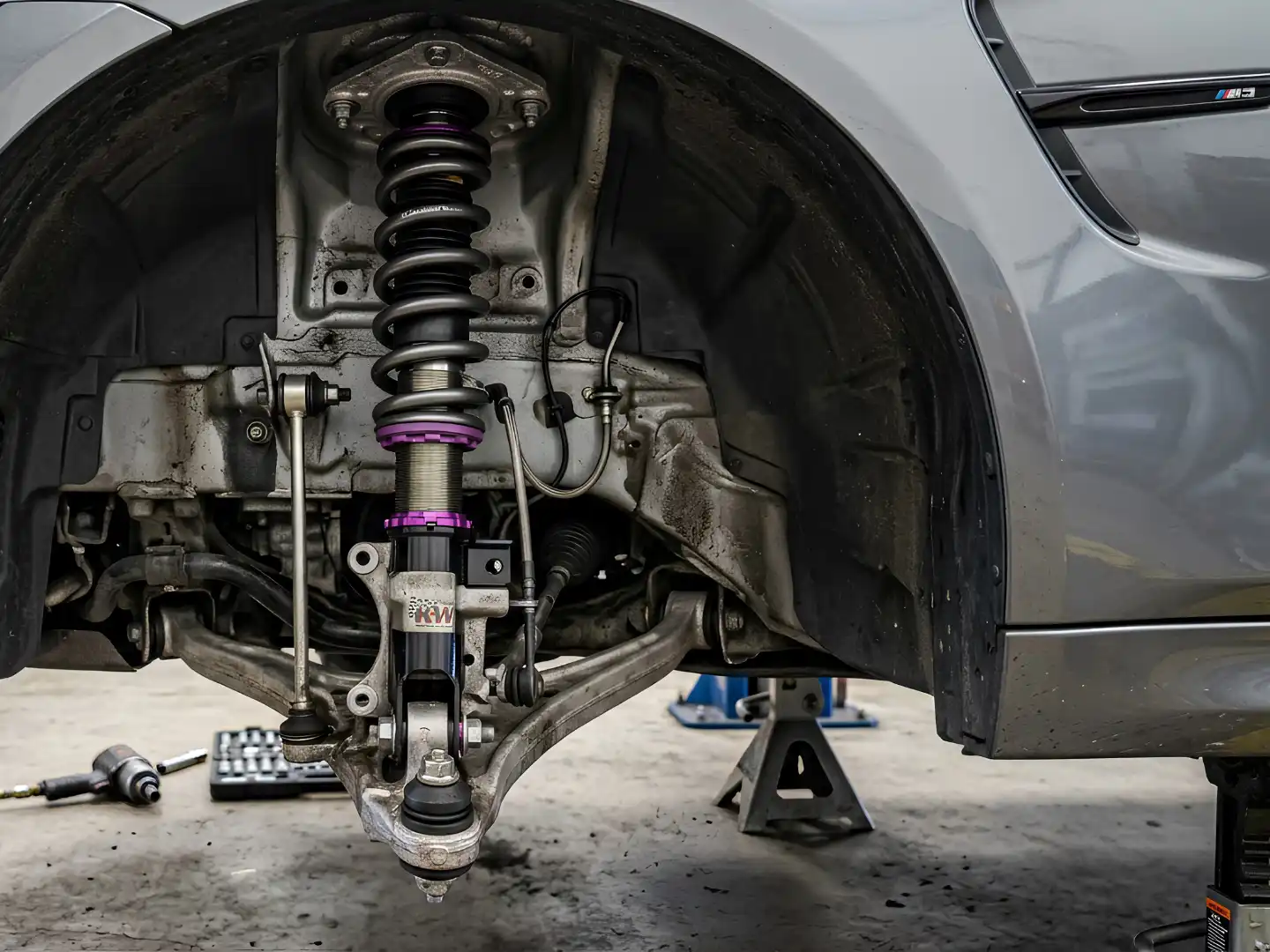
Crossing at an angle and reduced speed removes a large share of the repeated impact bushings absorb over a car's life.
Under-inflated tyres transfer more impact directly into the suspension rather than absorbing it in the tyre sidewall.
A sagging spring or a slow air leak accelerates wear on the opposite side as the car compensates, turning a one-corner fault into a full-axle job.
Air suspension systems compensate for extra weight, but sustained overloading shortens compressor and air spring life.
A single hard impact can bend a control arm or knock alignment out even when no immediate noise is present.
Rinsing accumulated sand and salt from bushings, links, and air spring bellows slows the corrosion and cracking this climate accelerates.
Holding steering lock under load for hours adds sustained stress to tie rod ends and the strut top bearing.
Catching a perished bush or an early air leak at a routine check avoids the knock-on wear a missed fault causes to neighbouring components.
Front suspension absorbs steering input as well as vertical impact, which changes what fails first and how often.
Front control arm bushings and ball joints see roughly twice the load cycles of rear components, since every steering correction loads the front geometry in addition to bumps and braking dive. This is why front-end knocks appear earlier in a car's life than rear ones.
Rear suspension on quattro models carries more static load from the drivetrain hardware mounted nearby, so rear springs and bushings on all-wheel-drive Audi models often show wear at similar intervals to the front despite doing no steering work.
Air suspension models add a rear-specific concern: rear air springs sit closer to exhaust heat on some platforms, which accelerates rubber hardening compared to the front pair.
Bring the knock, the pull, or the dashboard warning to us and leave with measured figures and a clear price. Book Audi repair service in Abu Dhabi with free collection across the emirate, or call Zenfo Auto Services today for a same-day suspension slot.
A single-axle shock or strut job typically takes 2 to 3 hours. Air suspension compressor or valve block work, along with full alignment, can extend a visit to a full working day.
Short distances at reduced speed are generally possible, but continued driving with a collapsed air spring or a failed compressor risks damage to the strut, tyre, and driveline components around it.
Yes. Ride height changes slightly with new components, and alignment brings camber, caster, and toe back within Audi's specified range so tyre wear stays even.
Continuous running almost always points to a slow air leak at a spring, line fitting, or the valve block, forcing the compressor to keep topping up pressure it cannot hold.
Both sides should be replaced together. A new shock paired with a worn one produces uneven damping side to side, which affects braking stability and cornering balance.
Worn sway bar link ends and deteriorated control arm bushings account for most speed bump clunks, and both are confirmed on the lift by physically loading the suspension by hand.
Component costs are generally higher for air suspension because of the compressor, valve block, and electronic height sensors involved. However, the ride comfort and load-levelling benefit is the trade-off.
Yes. A hard impact can bend a control arm or shift alignment without any immediate noise, which is why a post-impact check is worth booking even if the car seems to drive normally.