
Full Control Module Scan
Every module on the CAN bus is interrogated, not just the engine. Airbag, ABS, transmission, comfort, and gateway modules each hold their own fault memory and reveal repairs the seller may never mention.
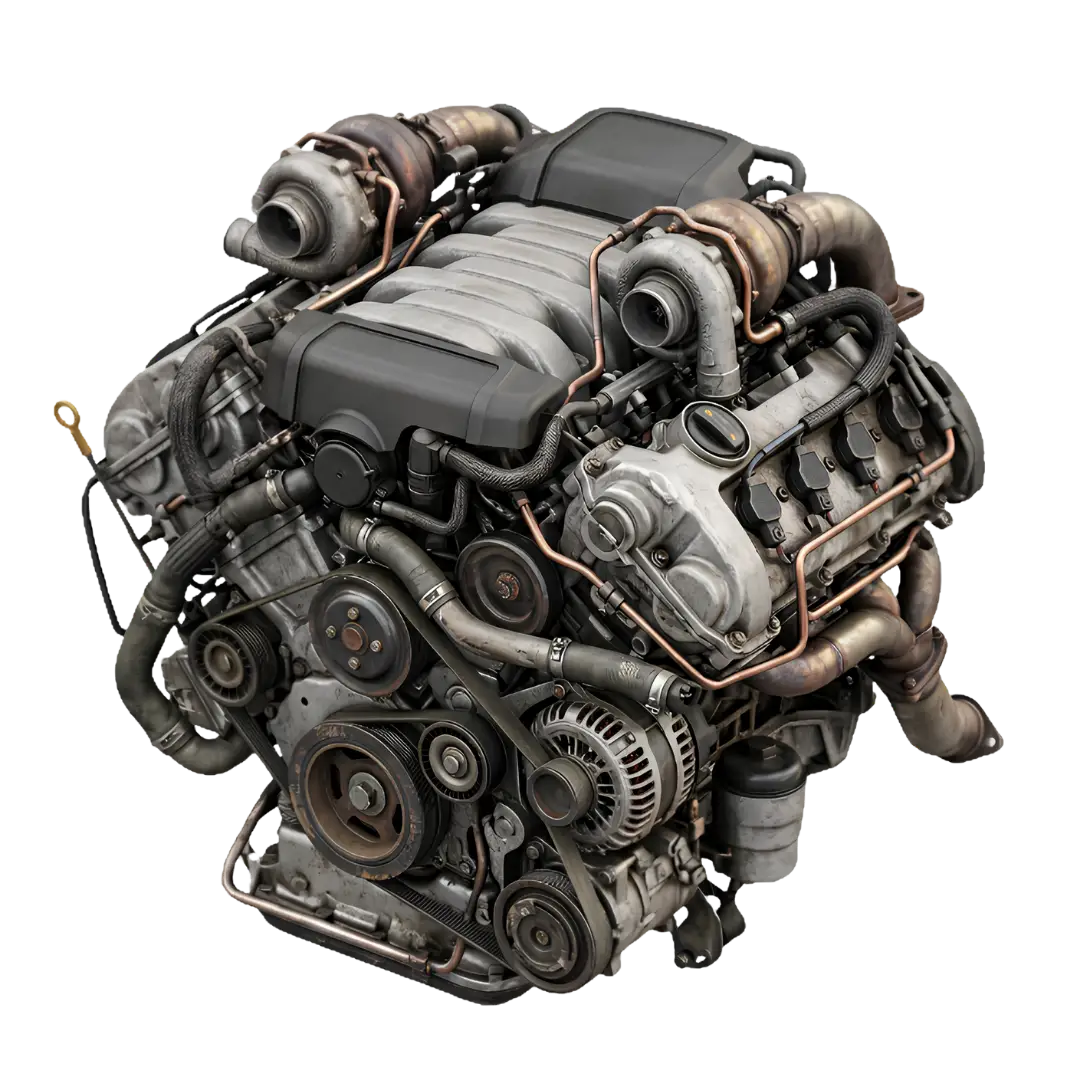 Engine Repair02
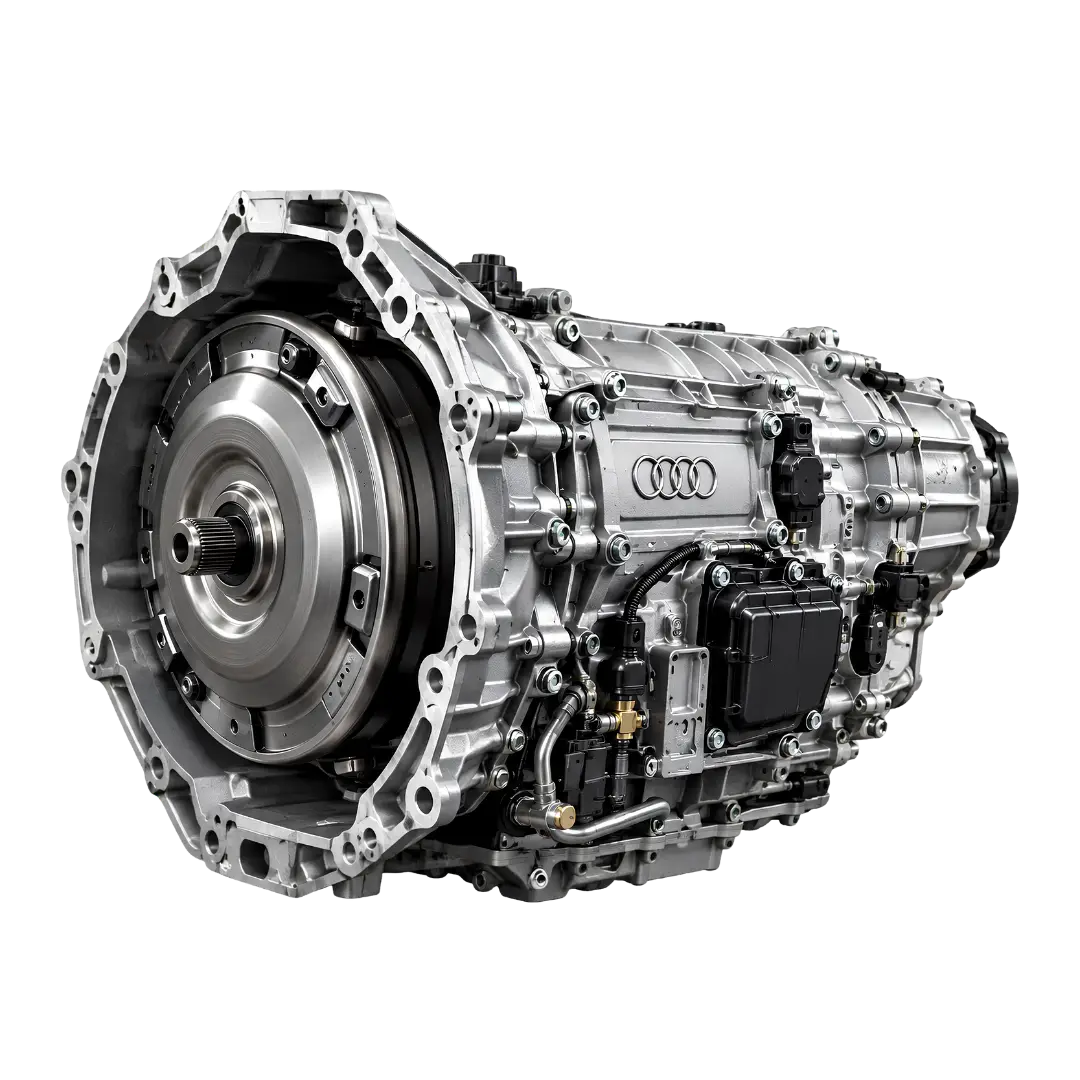 Transmission Repair03
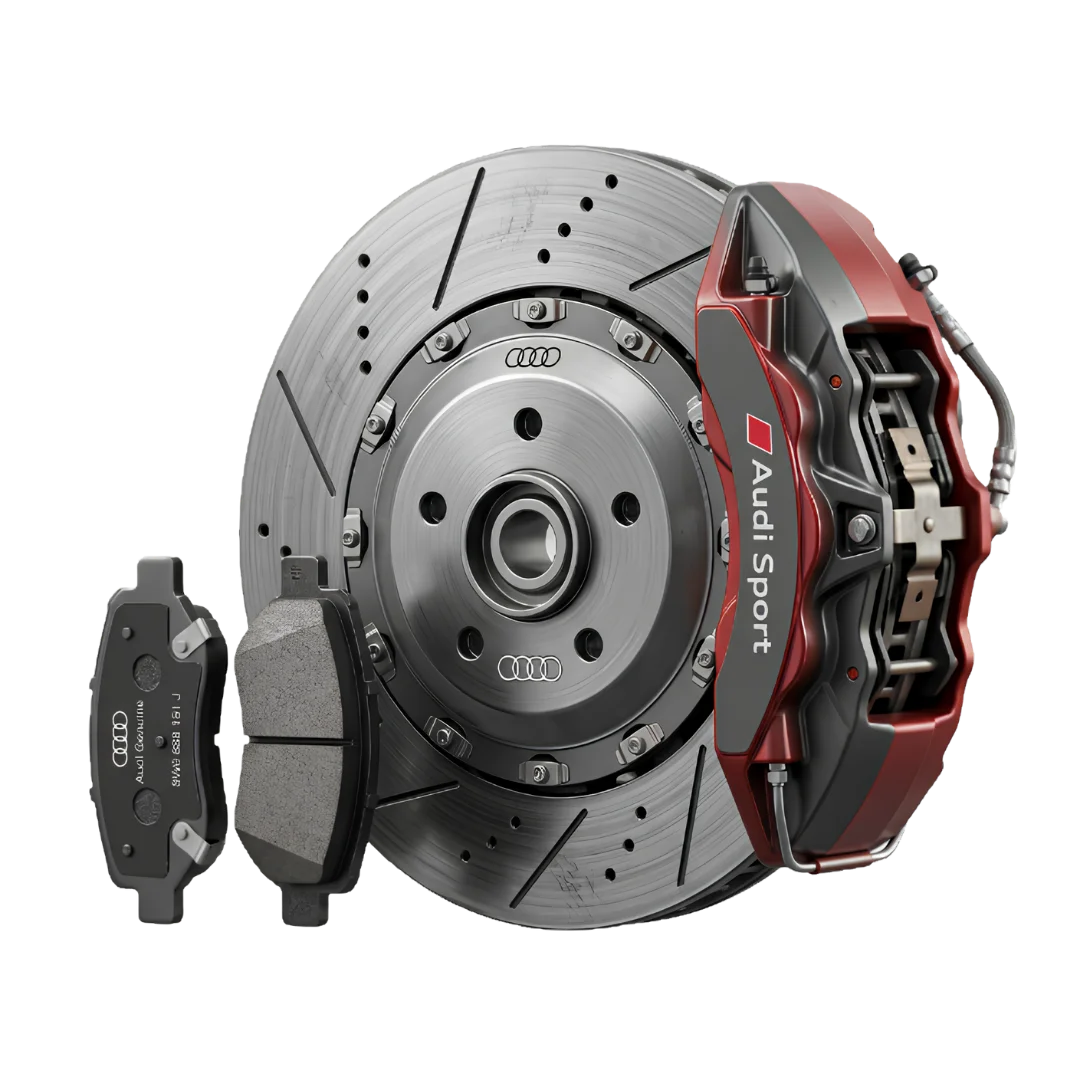 Brake Pads Replacement04
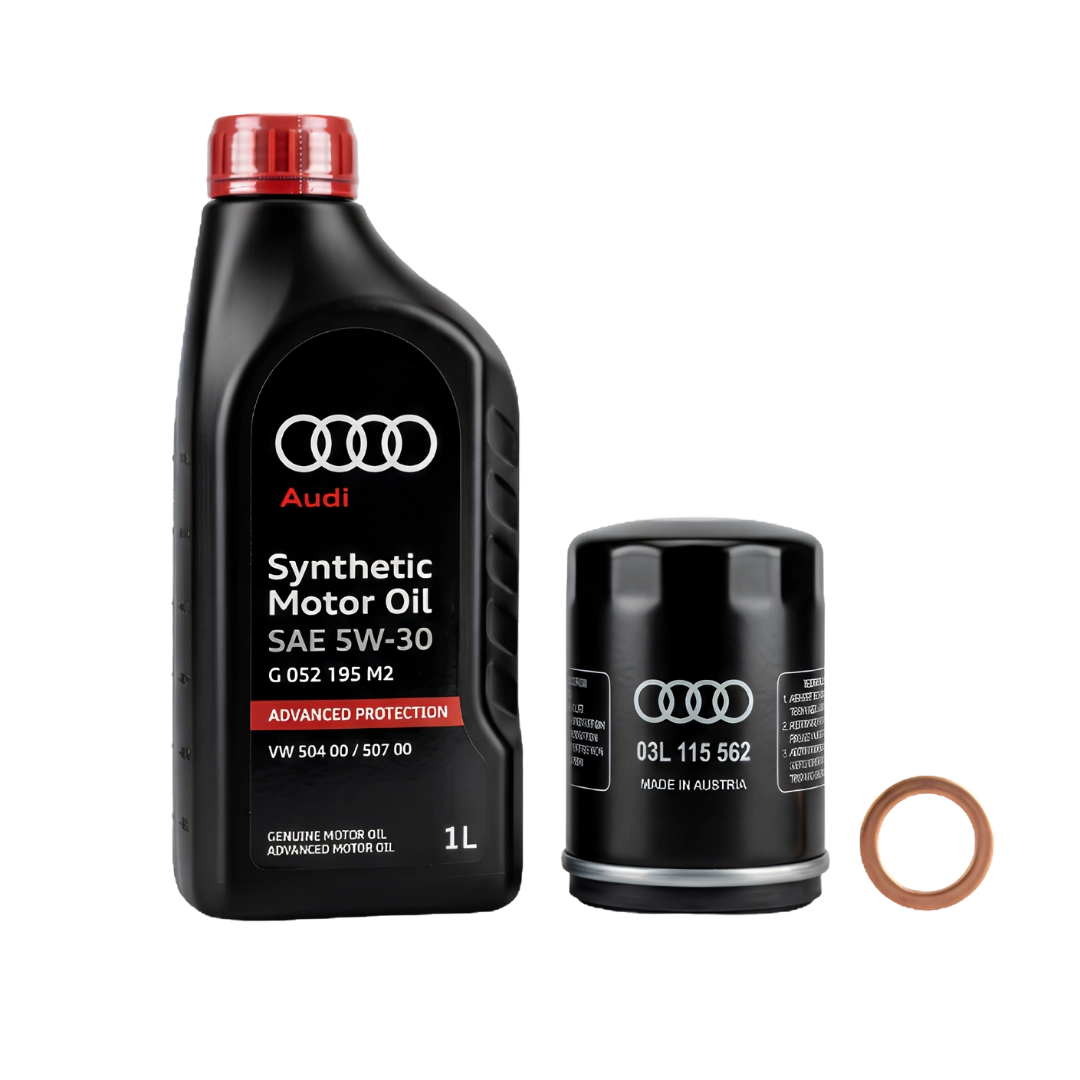 Oil Change05
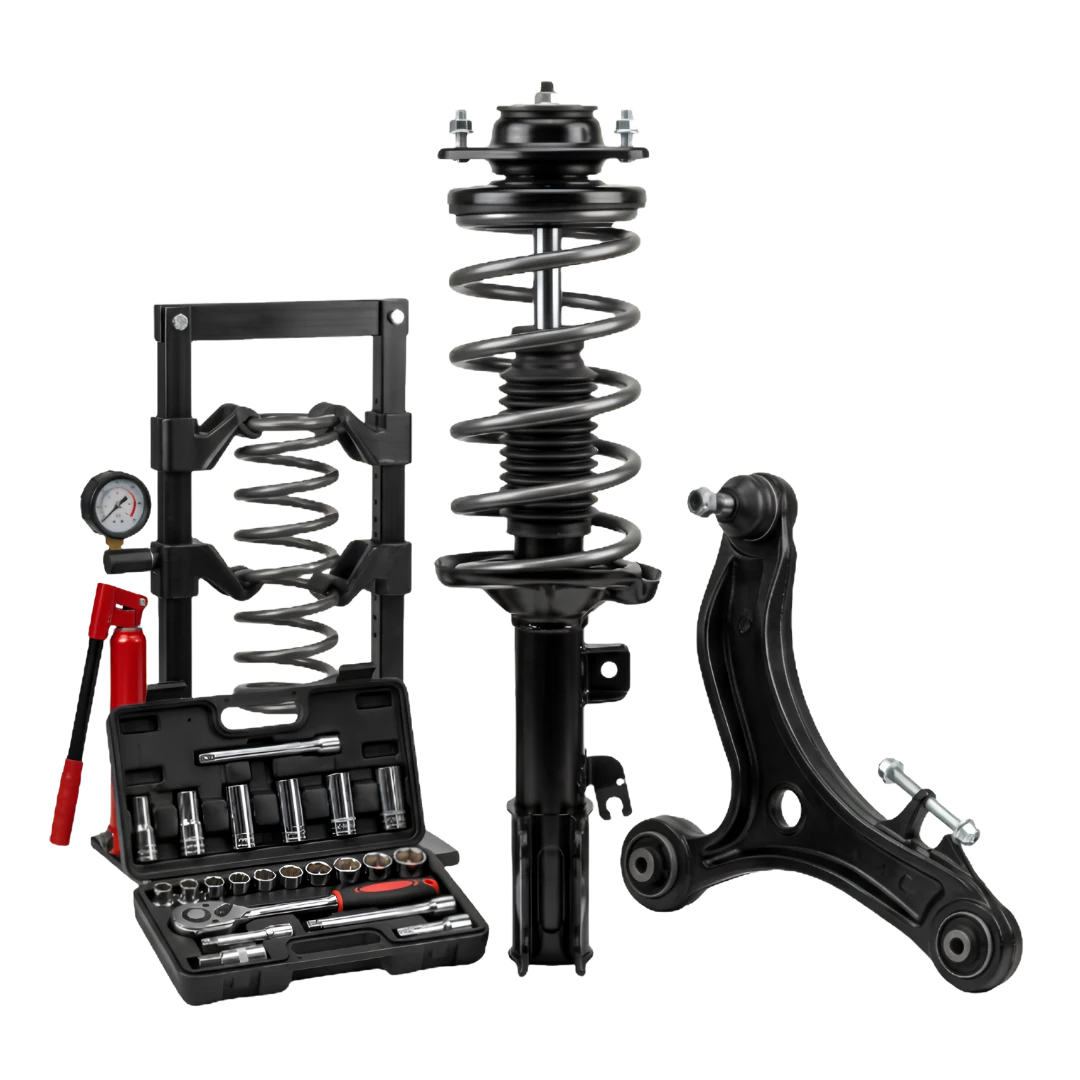 Suspension Repair06
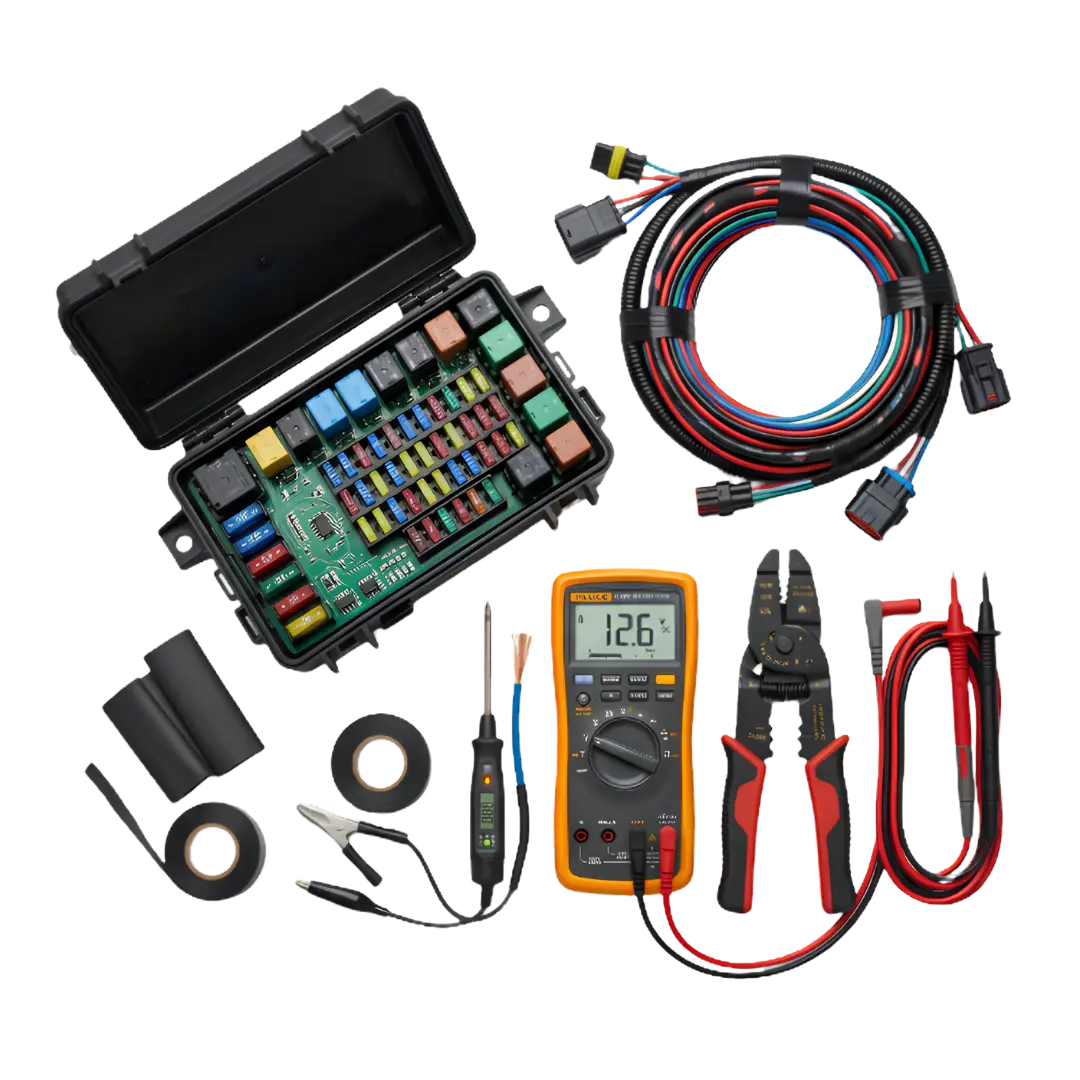 Car Electrical Repair07
 Body Paint08
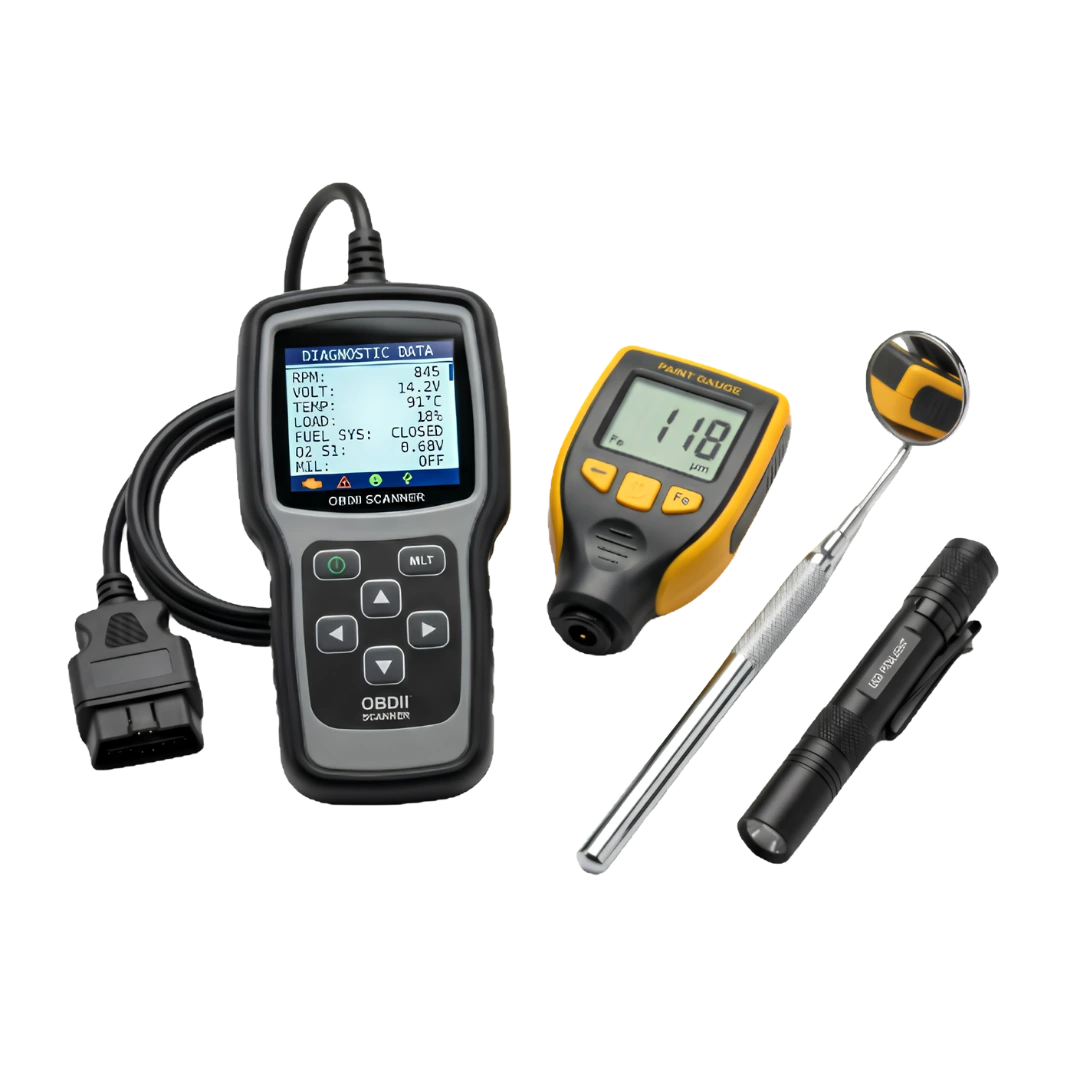 Pre Purchase Inspection09
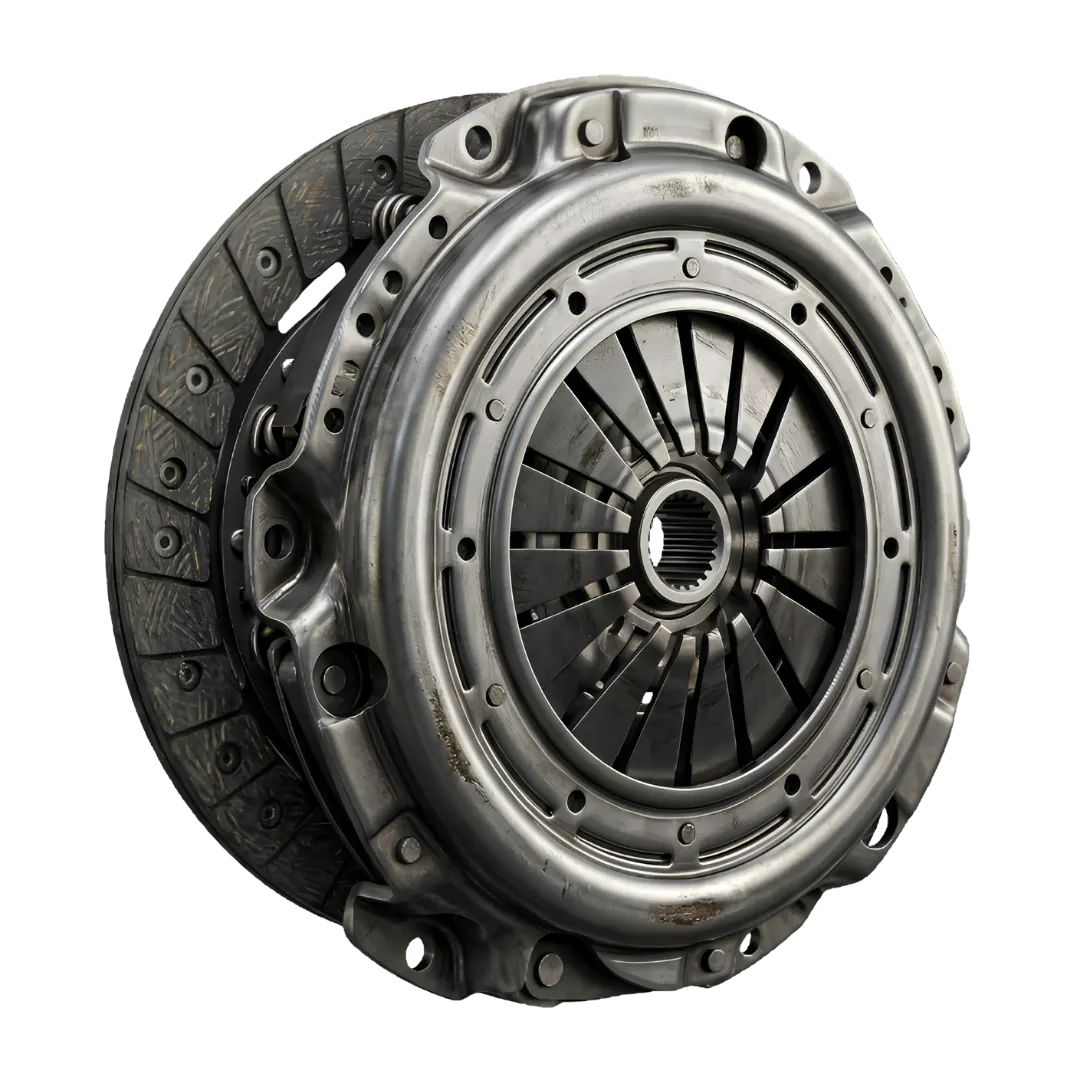 Clutch Replacement10
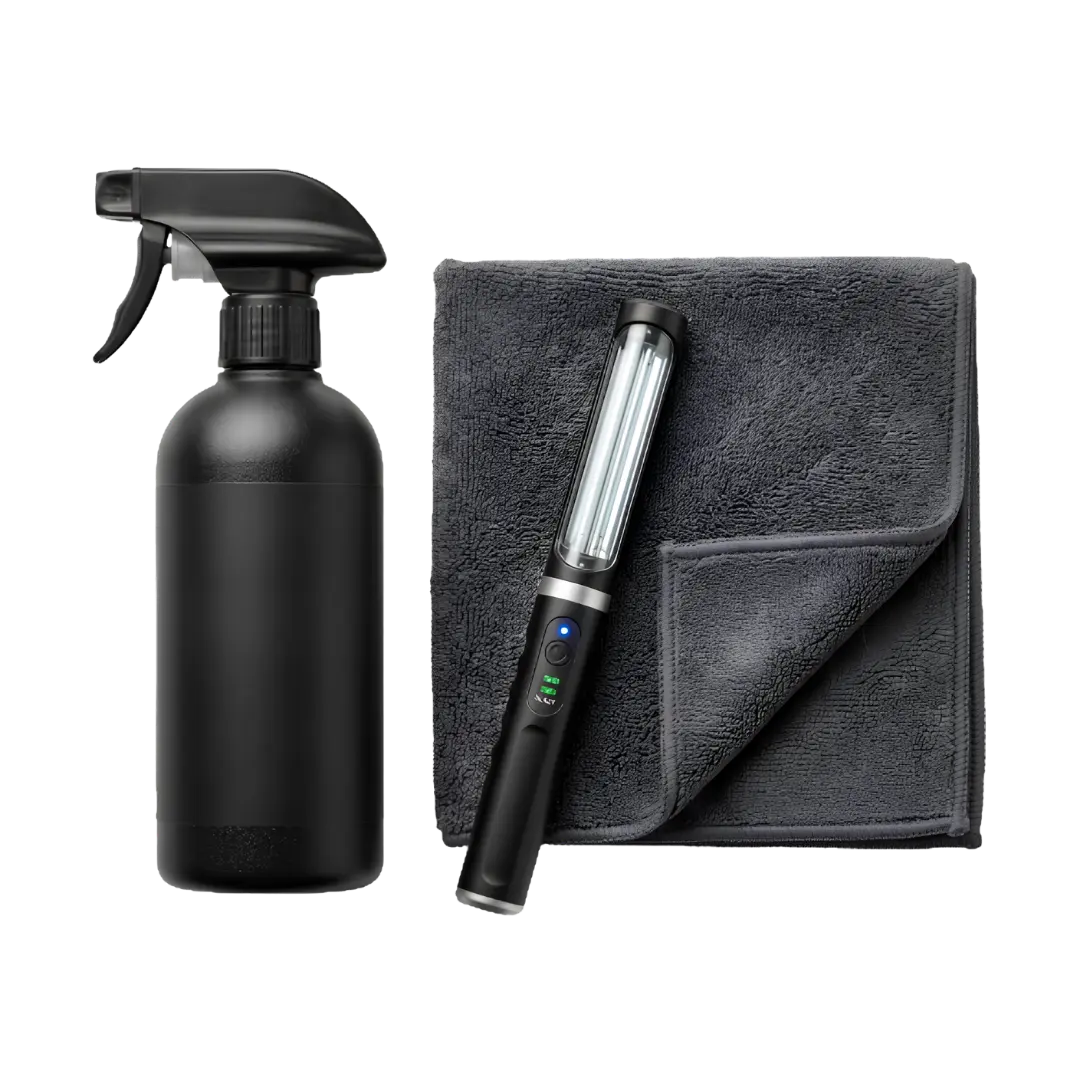 Sanitisation11
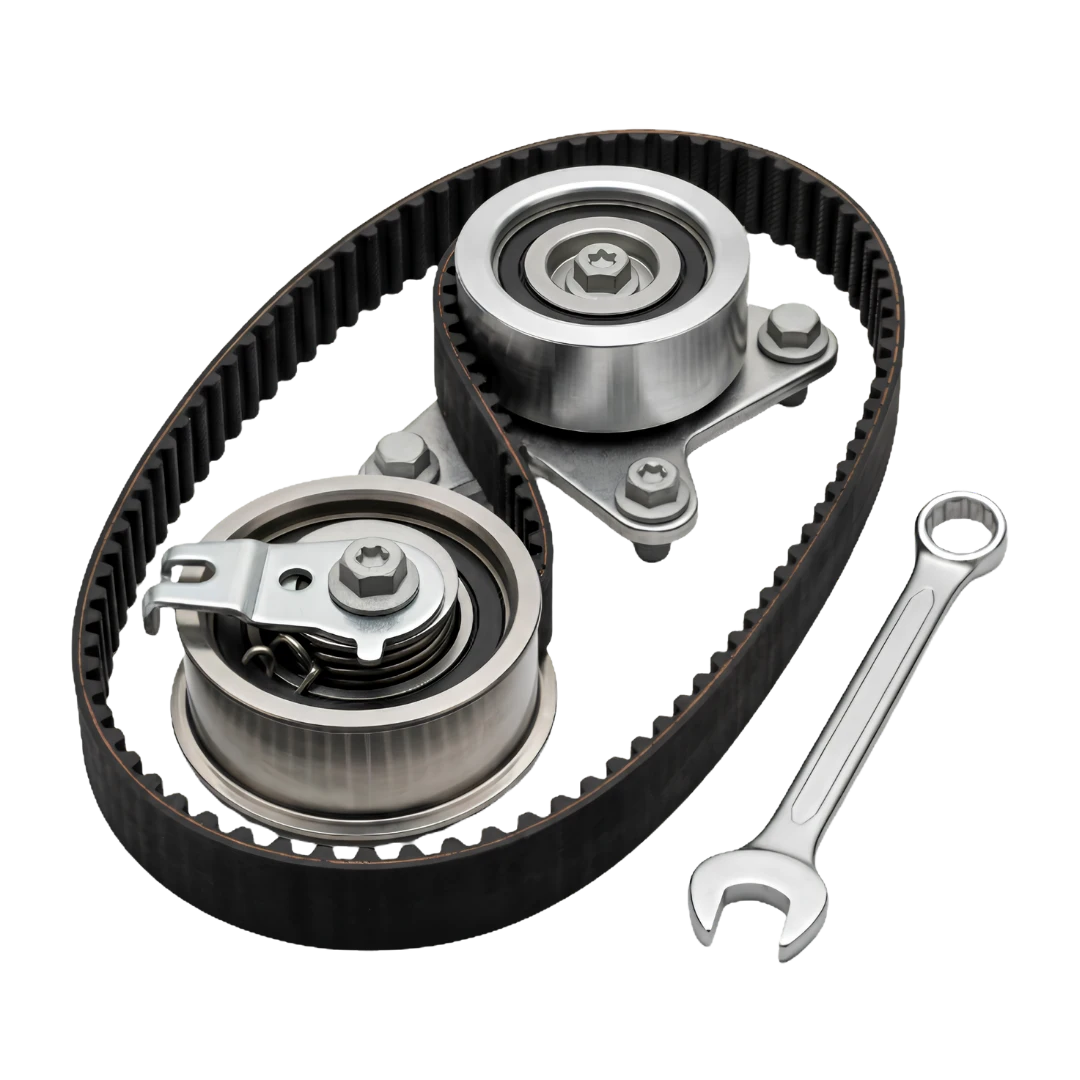 Timing Belt Replacement12
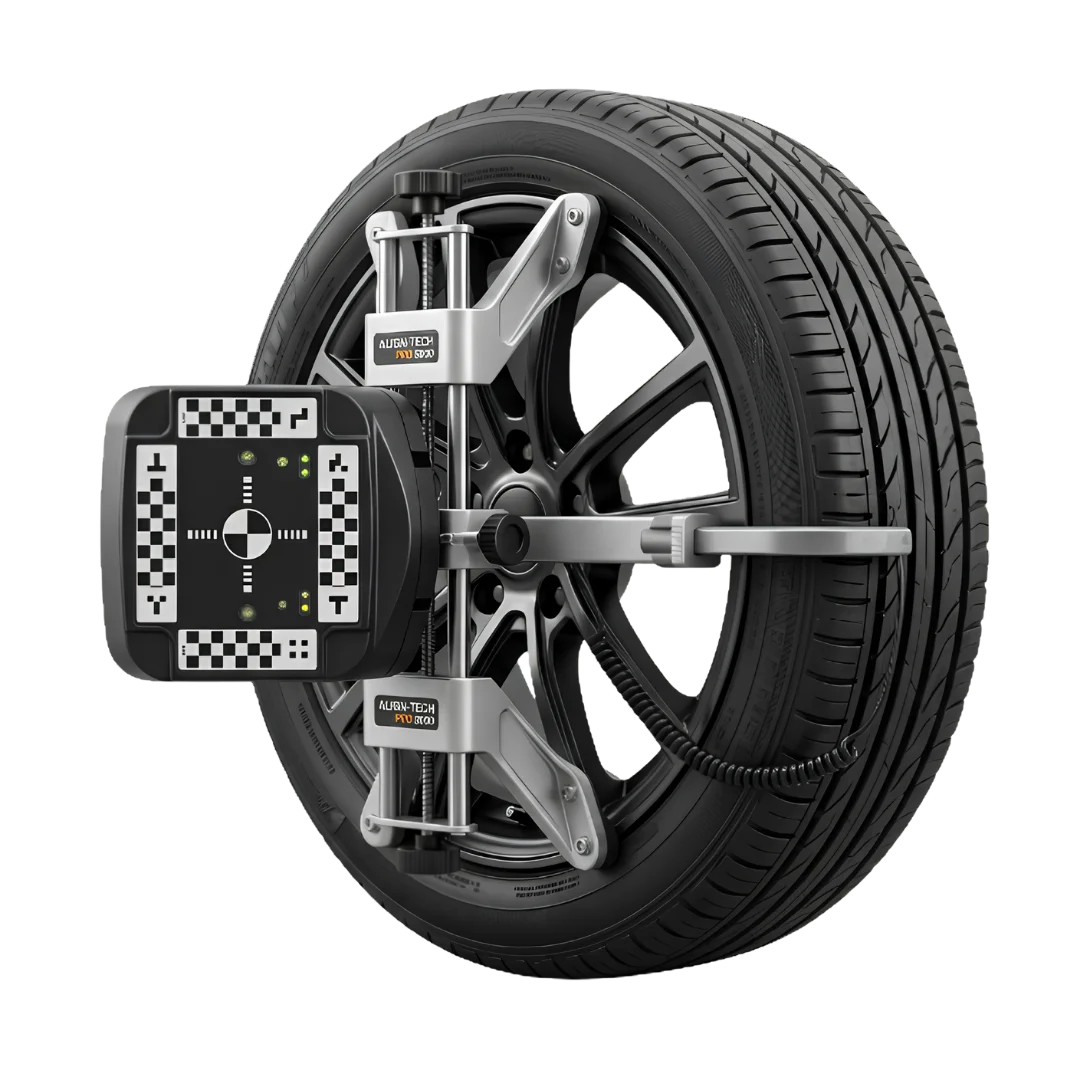 Wheel Alignment13
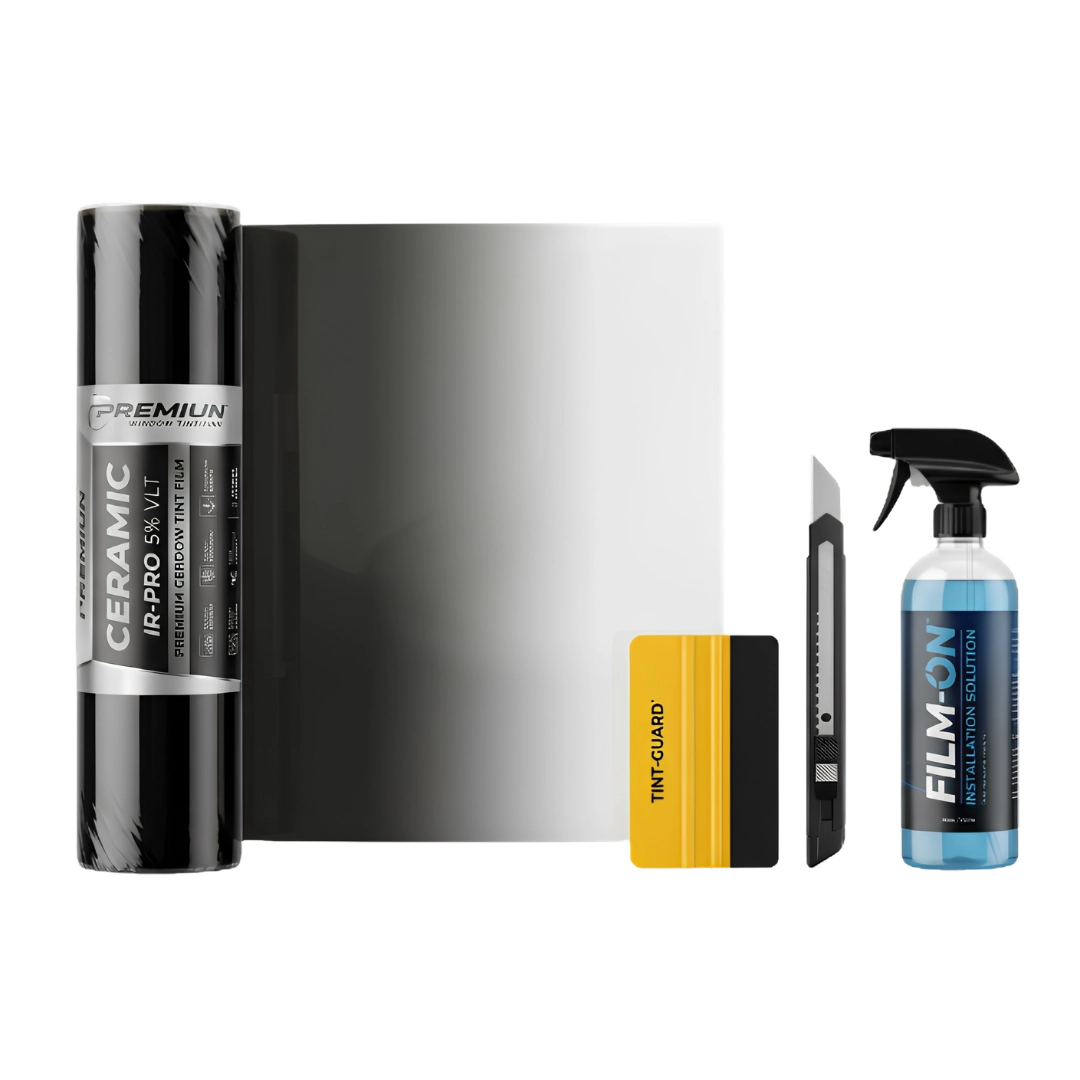 Window Tinting14
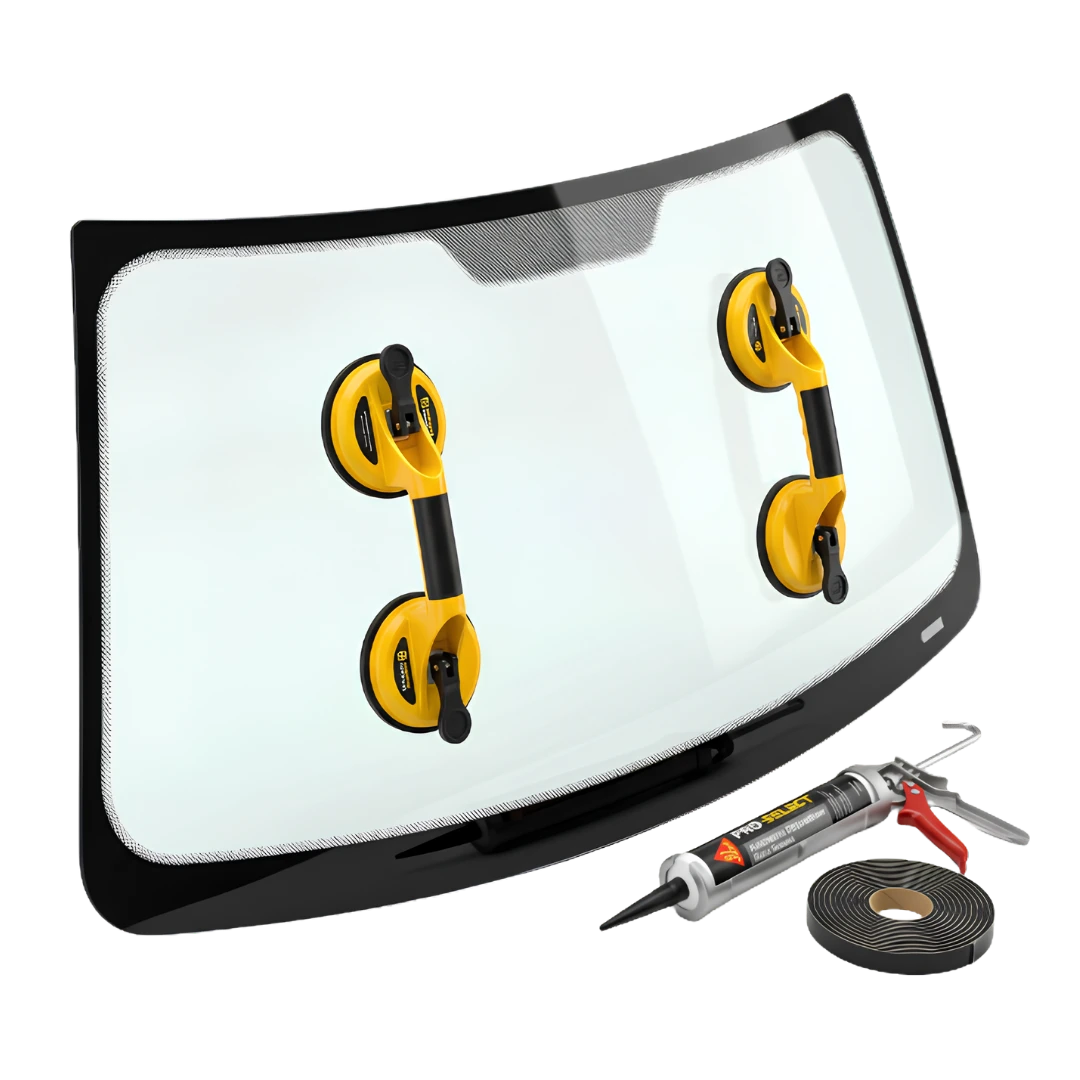 Windshield Replacement15
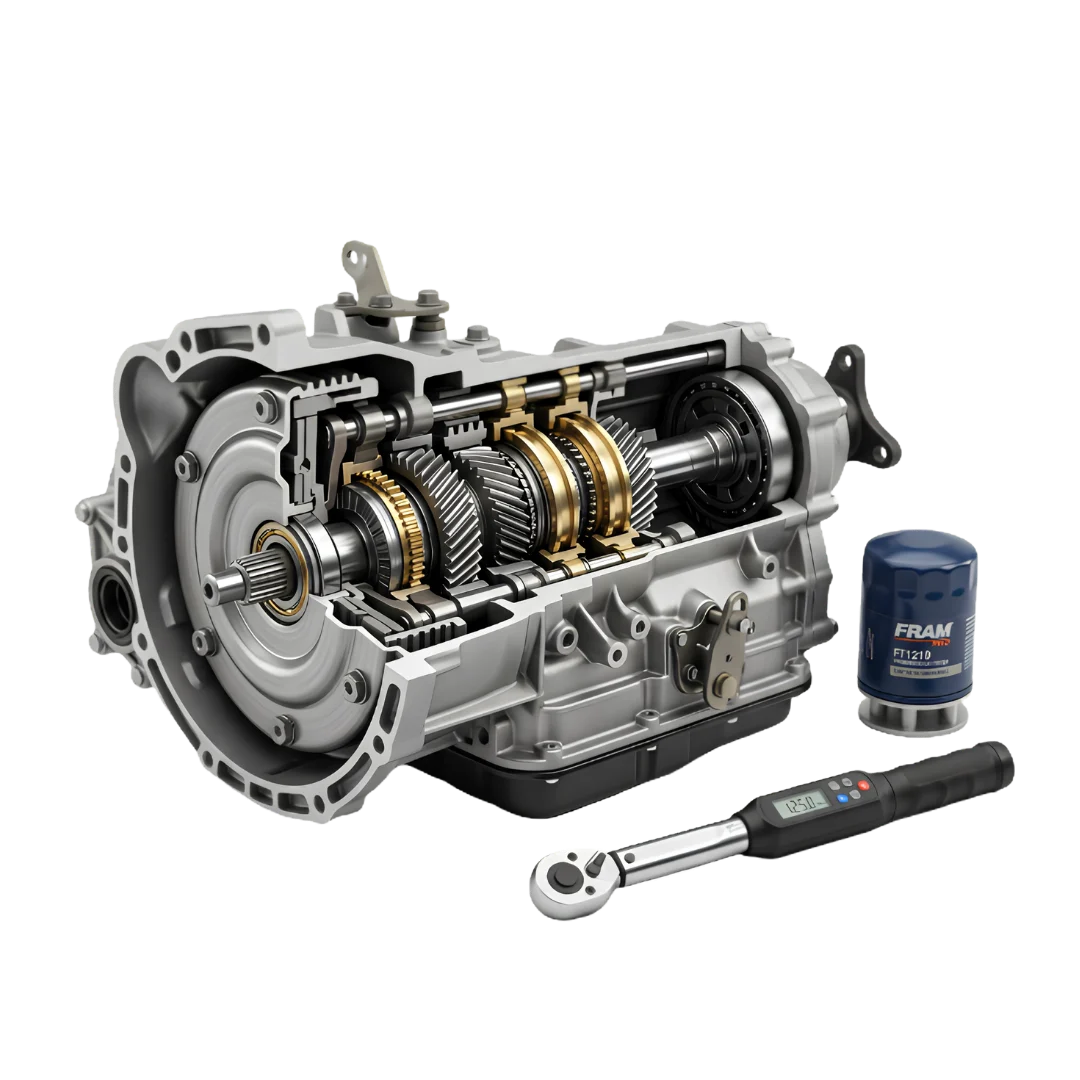 Gear Repair16
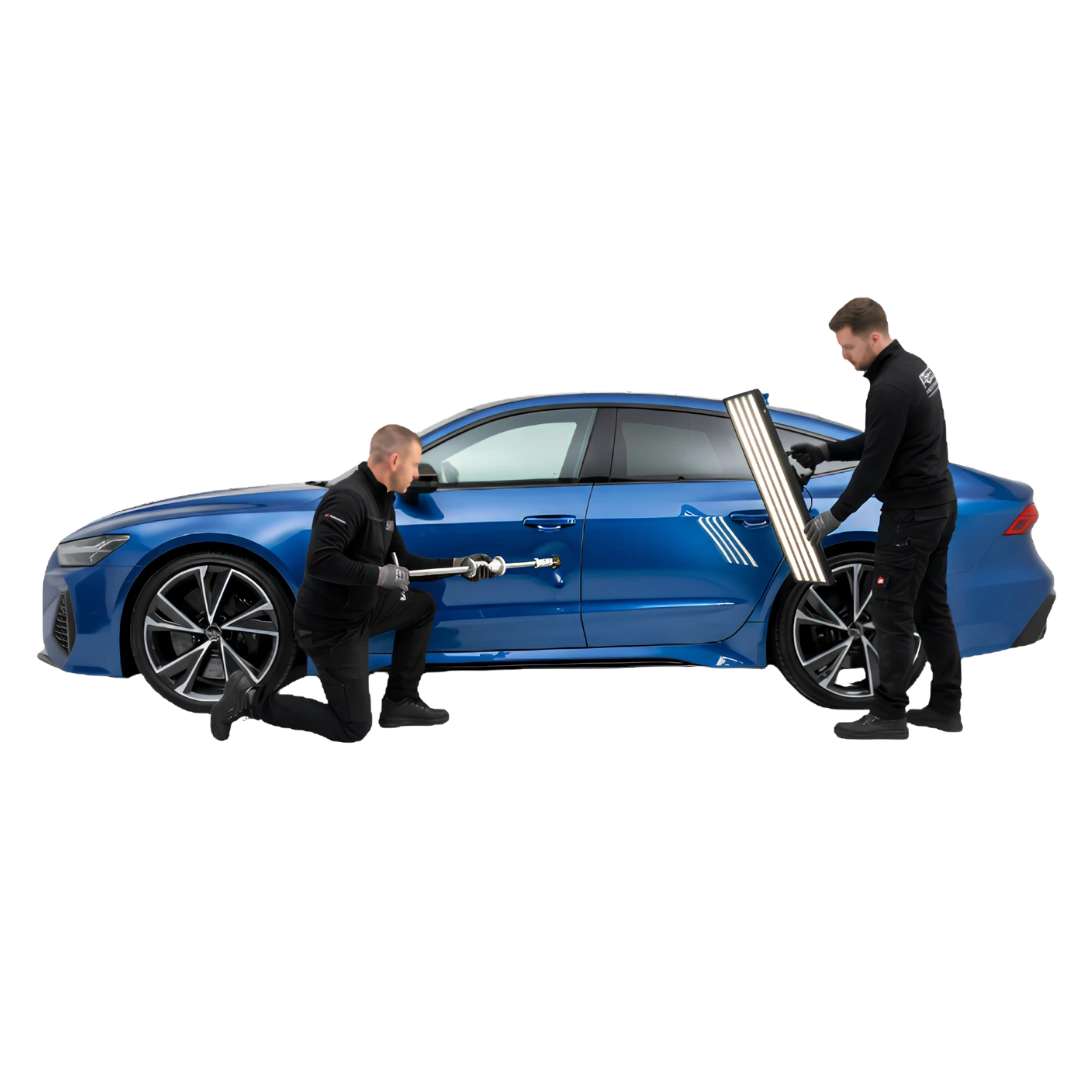 Body Shop17
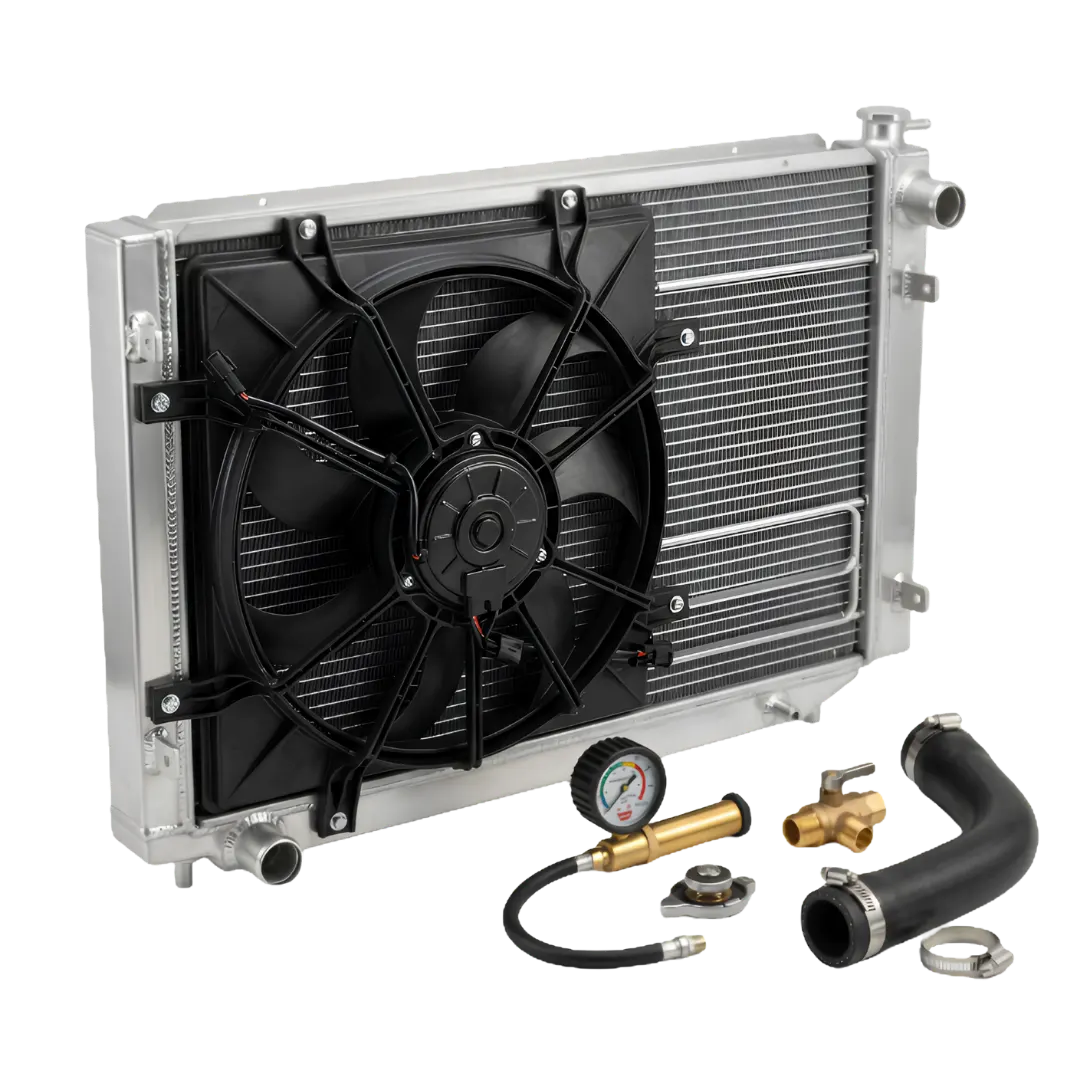 Radiator Repair18
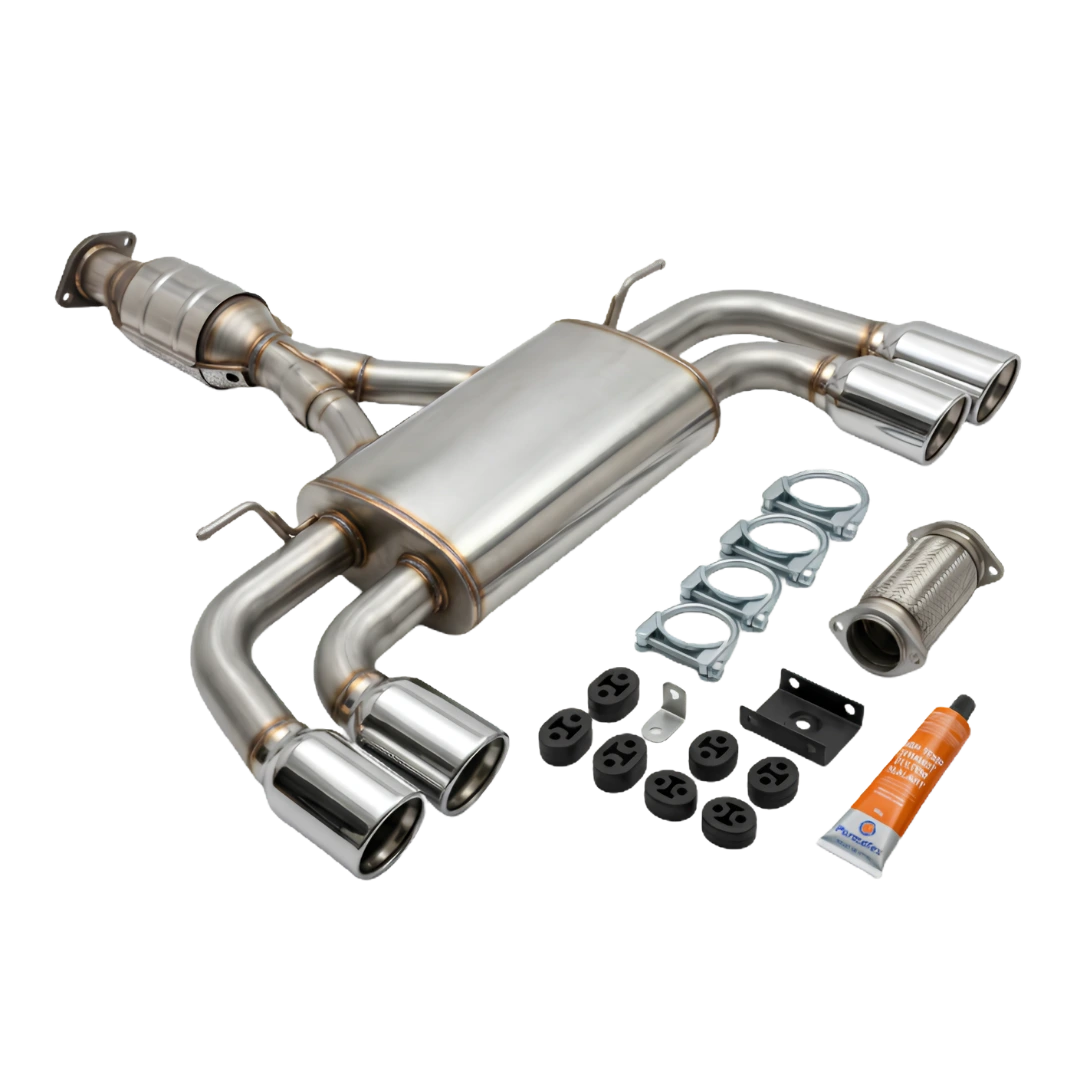 Exhaust Repair19
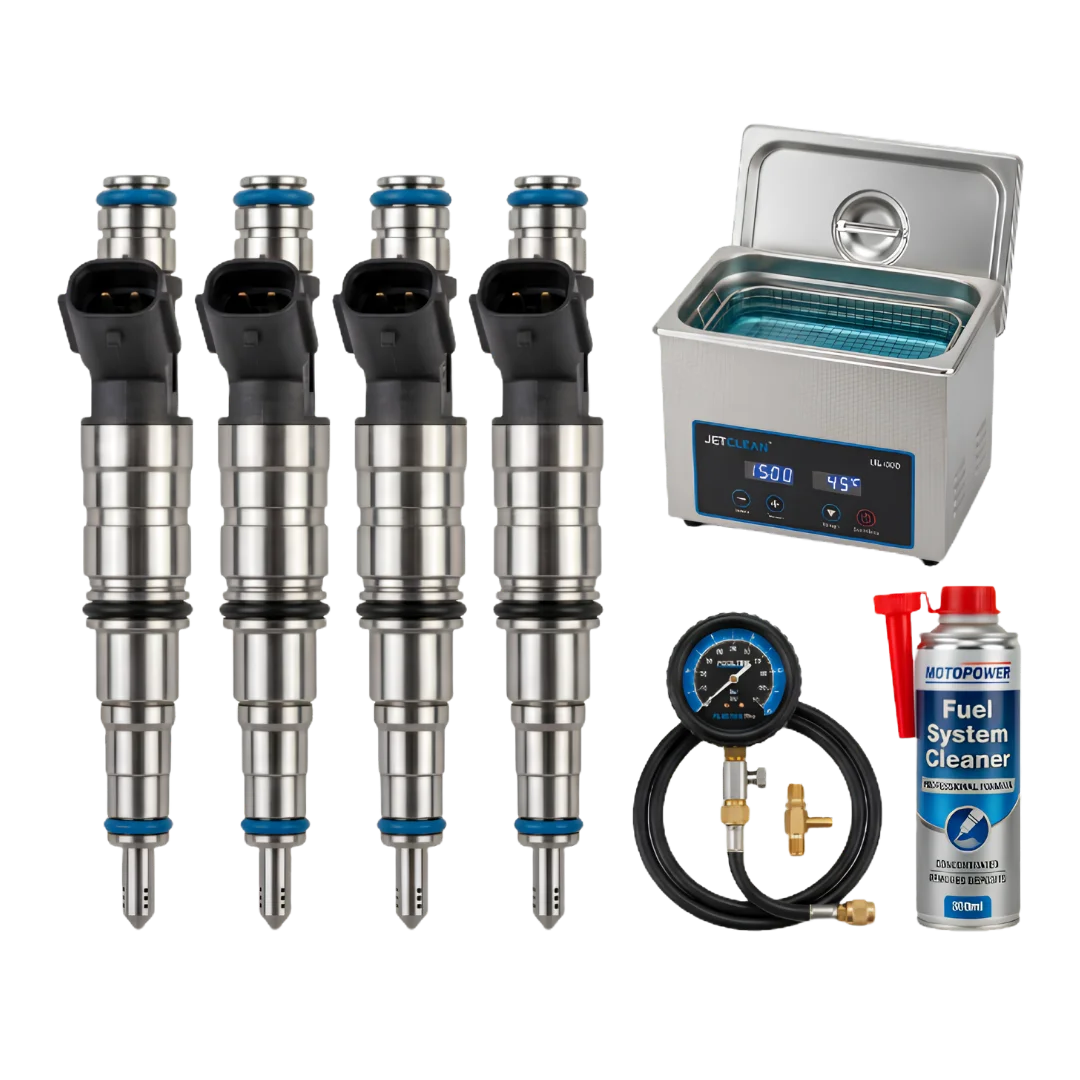 Injector Cleaning20
 Car Wash21
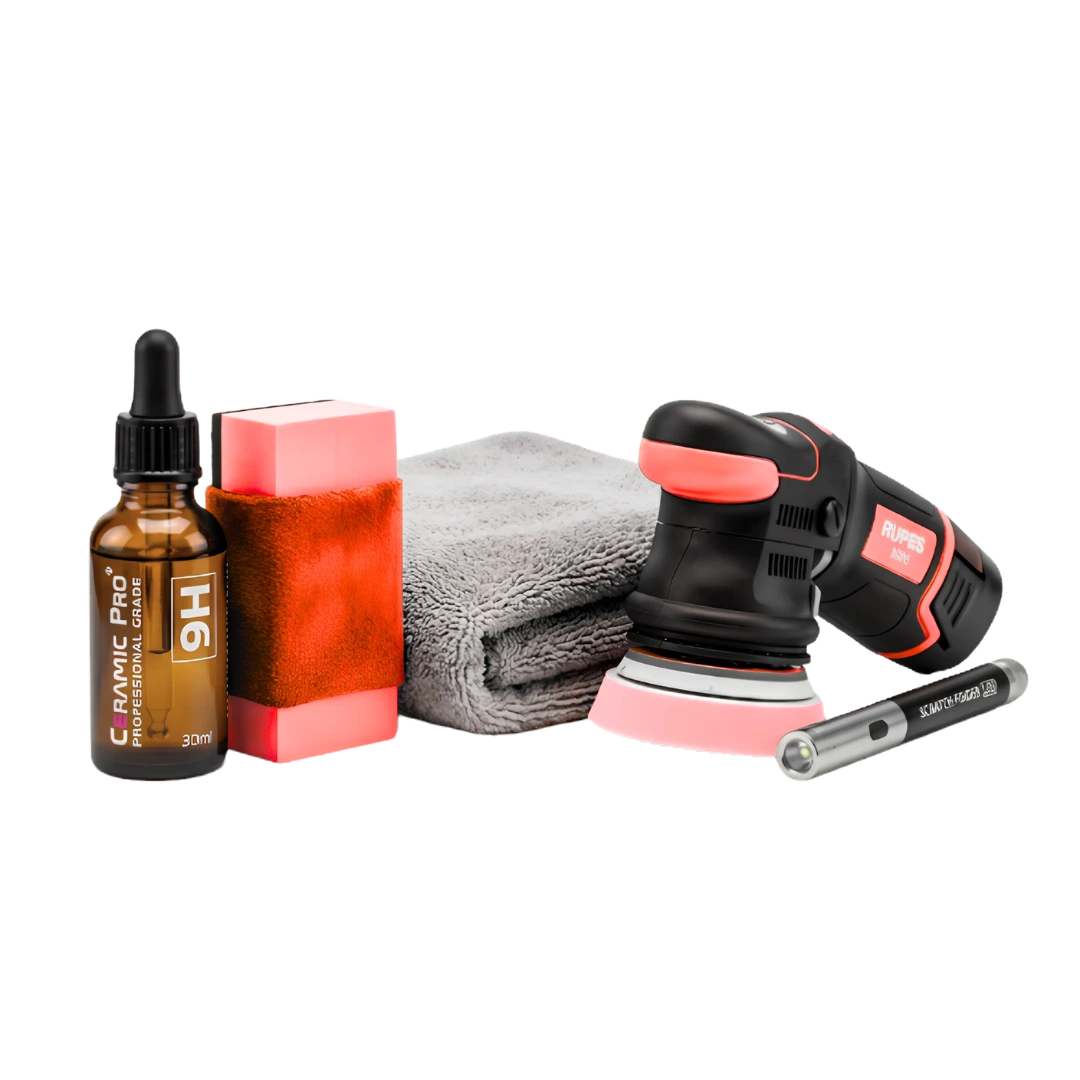 Ceramic Coating Service22
 Upholstery Service23
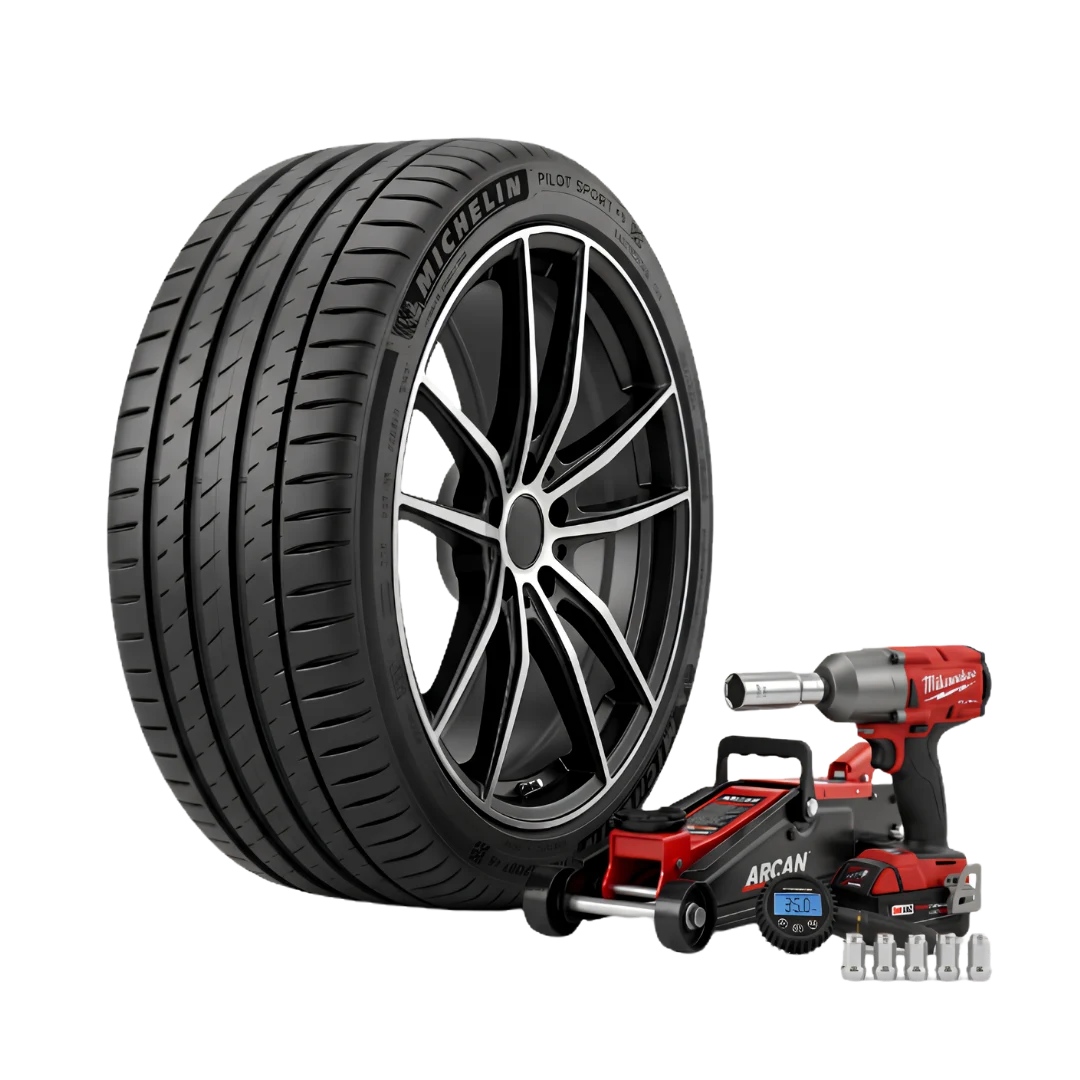 Car Tyre Change24
 Car Steering Repair
 Audi specialist service
Zenfo Auto Services carries out Audi pre purchase inspection in Abu Dhabi before your money moves. Every control module is scanned, paint thickness measured in microns, mileage cross-checked across stored modules, and the findings handed to you as a photographed report.

The local market carries risks that a European buyer never faces.
Hoses, bushes, and seals harden years earlier here, so a low-mileage car can still need suspension and cooling work.
Fine dust reaches radiator cores, cabin filters, and door mechanisms, and accumulated grit is a reliable indicator of neglect.
Water lines inside the boot well, corrosion on seat rails, and damp under carpets appear on cars written off elsewhere and rebuilt here.
Imported cars may lack GCC cooling specification, which matters most on air conditioning and radiator capacity.
Cars serviced outside the franchise network often have no digital record entries, leaving genuine maintenance unproven.
Cluster mileage is easy to alter, while values stored in other modules are far harder to change consistently.
A used Audi hides its history in three places: the control modules, the paint, and the underbody. Our inspection reads all three across 14 areas.
Every module on the CAN bus is interrogated, not just the engine. Airbag, ABS, transmission, comfort, and gateway modules each hold their own fault memory and reveal repairs the seller may never mention.
Codes are read with status bytes, which separate an active fault from a sporadic one that appears intermittently. Freeze frame data shows the mileage, coolant temperature, and load at which each fault occurred.
Odometer values are stored in the instrument cluster, engine module, and gateway. When those figures disagree, or when service records contradict them, the car has almost certainly been clocked.
A digital gauge reads coating depth in microns at every panel. Factory finishes typically fall in a consistent band, and readings that jump sharply on one wing or door indicate filler or a respray.
Original spot welds carry a uniform factory pattern. Ground welds, sealant applied by hand, and inconsistent gaps around the bonnet or tailgate point to structural repair after a collision.
Oil condition, coolant colour, leak points, and cold start behaviour are recorded. Timing chain wear is checked through camshaft to crankshaft correlation values rather than by listening alone.
Short and long term fuel trims outside roughly ten percent indicate vacuum leaks, injector wear, or ageing sensors. Misfire counters per cylinder expose problems that idle smoothly enough to fool a test drive.
S-tronic units store clutch adaptation values and temperature history. Reading them shows how much clutch life remains, which no road test can tell you in twenty minutes.
Bushes, ball joints, top mounts, and shock absorbers are examined on the lift. Air suspension models have compressor run time and ride height calibration checked through diagnostics.
Pad thickness and disc condition are measured rather than estimated, and brake fluid moisture content is tested with a refractometer since fluid absorbs water over time.
The battery is load tested for cold cranking amps against its rated figure, and coding status is checked, because a replacement battery not registered to the car will fail early.
Infotainment, cameras, sensors, lighting, windows, and climate control are operated individually. Retrofitted equipment often shows up here as modules that were never coded correctly.
DOT date codes reveal tyre age regardless of tread depth, and rubber older than six years hardens in this climate. Wheels are checked for buckling, kerb damage, and mismatched sizes.
The car is driven under load, in traffic, and at highway speed while live data is logged, which exposes faults that only appear at operating temperature.
Anyone can walk around a car. Reading what an Audi has stored about itself takes equipment and platform knowledge.
Generic OBD readers see emissions data on a single module. Our equipment addresses every control unit on the CAN and LIN networks, including airbag, gateway, and comfort modules that generic tools cannot reach.
Fault memory stays untouched during inspection. Clearing codes would destroy the evidence, so entries, freeze frame values, and readiness monitor status are all preserved in your report.
A calibrated coating thickness gauge records readings on every panel. Factory paint sits in a narrow, repeatable band, and deviation identifies filler, respray, and replaced panels with numbers instead of guesswork.
Throttle, turbo actuator, and S tronic clutch adaptation values are compared against expected ranges, showing which components have already used most of their compensation before you take ownership.
Stored odometer readings are compared across the instrument cluster, engine control unit, and gateway. Inconsistency between them is the strongest evidence of tampering available outside a forensic examination.
Findings arrive photographed, measured, and ranked by urgency, which turns an inspection into leverage. Buyers regularly recover the inspection fee several times over on the asking price.

A test drive tells you how a car behaves for twenty minutes. The modules tell you how it has behaved for years.
Fault memory in the airbag control unit is the clearest example. A deployed airbag replaced without clearing crash data leaves entries that no amount of polishing hides, and those entries confirm an accident the advertisement never mentioned.
DPF soot and ash load values, reported in grams, tell you whether a diesel has spent its life on short urban trips. Ash accumulates permanently, so a high figure means a filter approaching replacement regardless of mileage.
Adaptation values are equally revealing. Throttle body, turbo actuator, and clutch adaptations that sit near their limits mean components already working at the edge of their compensation range.
Readiness monitors deserve a mention of their own. If they show incomplete, the modules were cleared recently, which usually means someone erased warning lights shortly before listing the car for sale.
Generic inspections miss brand-specific weaknesses. Our checklist targets the failures each Audi platform is known for.
| Model or engine | Known weak points checked |
|---|---|
| 2.0 TFSI (EA888) | Timing chain tensioner wear, oil consumption, PCV diaphragm, carbon build-up |
| 3.0 TFSI supercharged | Thermostat housing leaks, supercharger coupler, water pump seepage |
| 4.0 TFSI V8 | Turbo oil seepage, coolant pipe failure, valve deposits |
| 2.0 TDI | Injector seal leaks, EGR blockage, DPF soot and ash loading |
| S tronic gearboxes | Clutch adaptation values, mechatronic fault memory, fluid history |
| Q7, A8, A6 allroad | Air suspension compressor duty cycle, strut leaks, ride height faults |
| All models | Airbag module fault memory, retrofitted electronics, water ingress traces |
Six stages, roughly two hours, one report that tells you whether to buy, negotiate, or walk away.
Send the listing link, VIN, and location. We confirm the model, engine, and known weak points to target before the car arrives.
Every module is scanned for stored, sporadic, and history codes, with freeze frame data and readiness status recorded rather than cleared.
The car goes on a two-post lift so underbody, suspension, exhaust, subframe, and chassis rails are examined directly instead of through a wheel arch.
Coating thickness is measured panel by panel in microns, welds and sealant are checked, and every anomaly photographed against its reading.
The car is driven while live data records fuel trims, misfire counts, boost pressure, and gearbox behaviour under real load.
You receive a photographed report with measured figures, a fault list ranked by urgency, and a call to explain what each finding means for your offer.
Reports are written to be used in a negotiation, not filed away.
Pad thickness in millimetres, paint depth in microns, battery output in amps.
Each defect appears with an image, so you can show the seller exactly what was found.
Every stored code appears with its plain English meaning and status.
Findings are grouped into safety-critical, needs attention soon, and cosmetic.
You learn what the identified work involves, which converts findings into a negotiating position.
A summary stating whether the car is sound, worth negotiating on, or best avoided.
Send us the listing and the VIN, and we will tell you what that model typically hides before the car even arrives. Book Audi repair in Abu Dhabi and inspection slots online, or call Zenfo Auto Services and we will fit the car in this week.
A full inspection occupies around two hours, covering the diagnostic scan, lift examination, paint survey, and road test. Rushed thirty-minute checks cannot include lift time or module interrogation.
Inspections are far more thorough on a lift at our workshop. Suspension, subframe, and underbody corrosion cannot be assessed properly with the car sitting on its wheels.
Paint thickness readings, weld and sealant inspection, and airbag module fault memory together identify most repaired collision damage, including work that never reached an insurance record.
Odometer values stored across several modules are compared with each other and with service records. Consistent tampering across every module is extremely difficult to achieve.
Refusal is information in itself. A seller confident in the car has no reason to decline two hours of scrutiny, and buyers are usually better served by moving to the next listing.
Electric models are covered, including high-voltage battery state of health, charging system function, thermal management operation, and regenerative braking performance.
Reports are built for exactly that purpose. Photographed defects with measured figures and repair scope give you specific, evidenced points rather than general impressions.
Warranty covers defined failures, not wear, accident repair, or neglect. An inspection still identifies collision history, tyre age, brake wear, and modifications that a warranty will never pay for.