Expert Audi Windshield Replacement Services in Abu Dhabi
Zenfo Auto Services replaces Audi windshields in Abu Dhabi using OEM laminated glass matched to the original part number. This is part of our full Audi repair in Abu Dhabi offering. On models fitted with a forward-facing camera, ADAS calibration follows every replacement. The glass position that the camera relies on has changed.
Why Audi Windshields Are More Than a Sheet of Glass
A windshield is a structural part of the car, not just a weather seal. It carries roughly 30 percent of the cabin's structural rigidity in a frontal collision. It also gives the passenger airbag the backstop it needs to deploy correctly. A windshield fitted with the wrong adhesive, or one that has not cured fully, changes both of those numbers. It does this without giving any visible sign that something is wrong.
On most Audi models built in the last decade, the windshield also carries a forward-facing camera. It sits mounted to the glass, or to a bracket bonded directly onto it. That camera is the main sensor for lane departure warning, traffic sign recognition, and the forward-collision input to automatic emergency braking. Replace the glass, and the camera's exact position shifts by a small amount, even with careful fitting. That shift is enough to throw off systems that measure distance and lane position down to the centimetre.
Good to know
Static and Dynamic ADAS Calibration Explained
Audi's forward-facing camera systems rely on two calibration methods. Knowing which one your car needs saves time and avoids an improperly calibrated result.
Static Calibration
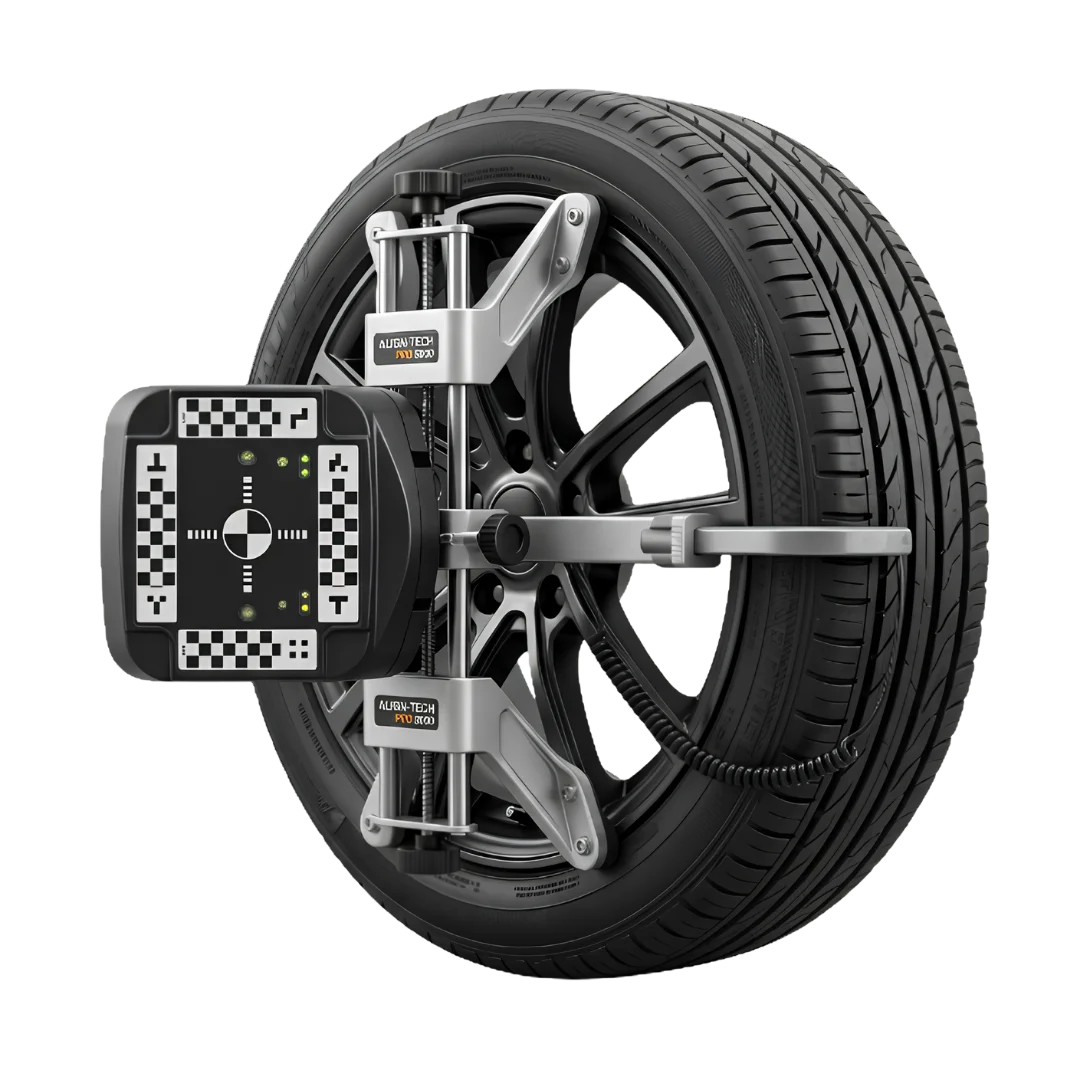
Static calibration happens with the car stationary in the workshop. A target board or fixture is set at a precise distance and height in front of the car. This is measured from reference points such as the centre of the front wheels. The scan tool then walks the camera through its calibration routine against that fixed target. Audi specifies static calibration for most of its ADAS sensor systems. This means a target fixture and manufacturer scan tool are needed for nearly every Audi calibration job, not an optional extra.
Dynamic Calibration
Dynamic calibration, sometimes called on-road calibration, needs the car driven under set conditions. This usually means a set speed range on a road with clear lane markings, while the system gathers real-world data to fine-tune its alignment. Some Audi models need a dynamic drive cycle after static calibration is done. This effectively uses both methods together for full accuracy.
Why the Distinction Matters
Skipping calibration, or using the wrong type, leaves a camera that looks like it works normally but reports inaccurate distance and lane position data. This is not a small, cosmetic gap. It is the difference between a lane departure warning that fires at the right moment and one that fires late, or not at all.
Symptoms
Signs Your Audi Windshield Needs Replacing
A crack longer than the length of a dollar bill
Chips and short cracks can often be repaired with resin injection. A crack past this length weakens the glass structurally and cannot be reliably repaired.
Damage inside the driver's direct line of sight
Even a small chip directly ahead of the driver distorts vision. It is not a candidate for repair, no matter how small it looks.
A crack that reaches the edge of the glass
Edge cracks build up stress right where the glass bonds to the body. They spread fast with temperature change or road vibration.
Pitting across the glass surface
Years of sand exposure on Abu Dhabi roads leave a windshield covered in thousands of tiny impact marks. These scatter headlight glare at night, and repair cannot fix it.
A chip directly over the ADAS camera's field of view
Damage in this zone can affect camera accuracy before it even affects the driver's vision. Audi's own guidance treats this area as replacement-only.
Visible delamination at the edges
Cloudy patches or bubbling, where the laminate layers separate, mean the glass has already failed structurally. This holds true no matter how small the visible crack looks.
12 jobs covered
Audi Windshield Replacement Services at Our Abu Dhabi Workshop
OEM Matched Windshield Replacement
We source laminated glass matched to your exact part number. Thickness, tint band, and camera bracket mounting all differ between trims and years, even on the same chassis.
Windshield Chip Repair
Chips outside the driver's critical vision zone are filled with resin injection. This stops the damage spreading and restores clarity in most cases.
Windshield Crack Repair
Short cracks, still within the repairable length, are stabilised with the same resin process. Cracks past this point move straight to replacement instead.
ADAS Camera Calibration
Every windshield replacement on a camera-equipped Audi gets followed by static calibration, dynamic calibration, or both, depending on what your model needs.
Rain Sensor Reinstallation
The rain sensor mounted to the windshield's inner face is transferred and reseated correctly. A poorly seated sensor causes wipers to activate at the wrong time or not at all.
Light Sensor Reinstallation
The automatic light sensor is refitted with the same care, since a loose or misaligned sensor causes headlights to switch on late or fail to dim for oncoming traffic.
Pinch Weld Inspection
We check the metal bonding surface around the windshield opening for rust or damage before new glass goes in. This step gets skipped often at cheaper workshops.
Windshield Frame Inspection
The surrounding frame is checked for dents or distortion, since a bent frame stops the new glass from sitting flush and can compromise the seal.
Cowl Panel Refitting
Panels removed to reach the windshield edge are refitted and clipped back correctly, avoiding the wind noise that comes from a poorly reseated cowl.
Trim and Moulding Refitting
Exterior trim and mouldings around the glass edge are reinstalled with new clips where needed, since reused, brittle clips are a common source of rattles later.
Mobile Windshield Service
Where calibration requirements allow it, replacement can be carried out at your home or office, with static calibration completed afterward at the workshop if needed.
Cowl Seal Check
The rubber seal beneath the cowl panel is inspected during the job. A worn seal lets water pool against the new glass edge and wears down the adhesive bond over time.
Why us
Why Choose Zenfo Auto Services for Audi Windshield Replacement
Exact Part Matching
Glass is sourced against your exact VIN and trim. Glass thickness, sound layer, and camera bracket position all vary between trims and years on the same chassis. A part that fits the opening but has the wrong bracket shape will not hold calibration.
Calibration Always Included
Calibration is treated as part of the job, not an extra sold later. An uncalibrated car still drives fine, which is exactly why the fault stays hidden until the system misreads a lane or gap.
Manufacturer Grade Tools
Calibration runs on a scan tool and target fixture built for your model. Audi's set measurement points are followed, usually taken from the front wheel centres, not a generic aftermarket method.
Pinch Weld Inspected
The bonding surface is checked for rust on every job. Glass bonded over a damaged flange is one of the top causes of later leaks, wind noise, and weaker crash strength.
Automotive Grade Adhesive
Real automotive urethane goes in, not a general sealant. It is built for the strength a structural bond needs. The car is held until it reaches full safe strength.
Written Fitting Warranty
Glass, adhesive, and calibration work all carry a written guarantee. A leak, noise, or calibration fault after the job comes back to us, not to you.
Abu Dhabi climate
Why Windshields Fail Faster on Audi Models in Abu Dhabi
Sand and grit impact
Fine airborne sand acts like a low-grade abrasive at highway speed. It pits the glass surface gradually, until night glare becomes a genuine visibility issue.
Extreme thermal cycling
A windshield left in direct sun can reach surface temperatures far above the outside air. It then cools fast under air conditioning, and that stress speeds up the spread of any existing chip.
Gravel from unpaved shoulders and construction zones
Ongoing infrastructure work throws loose stone onto nearby lanes. Audi's low, raked windshield angle puts the glass right in the path of it.
UV intensity on the adhesive bond
Long, high UV exposure speeds up aging in the urethane adhesive bead, if the original installation used a lower grade product.
Humidity swings at the coast
Overnight condensation followed by fast daytime heating adds a freeze-thaw-like stress cycle to existing micro-cracks, even without any freezing temperatures involved.
8 stages
How We Replace and Calibrate Your Audi Windshield
01
Damage and Camera Assessment
The damage gets checked first, and the exact glass part number is confirmed against your VIN. We also check if the car carries a camera or sensor that will need calibration after.
02
Trim and Cowl Removal
Wiper arms, cowl panels, and trim around the windshield edge come off with care. Each part gets labelled, so nothing is forced or swapped by mistake later.
03
Old Glass Cutting
The bonded windshield is cut free with a cold-knife or wire-out tool along the old adhesive. We keep the metal flange free of scratches, since scratches there can turn into rust later.
04
Adhesive Bead Trimming
The old urethane bead is trimmed down to a thin, even layer, not scraped back to bare metal. This gives the new bead a proper surface to grip.
05
Pinch Weld Preparation
The bonding surface is cleaned and primed. Any rust found on the flange gets treated before new glass goes anywhere near the opening.
06
New Glass Installation
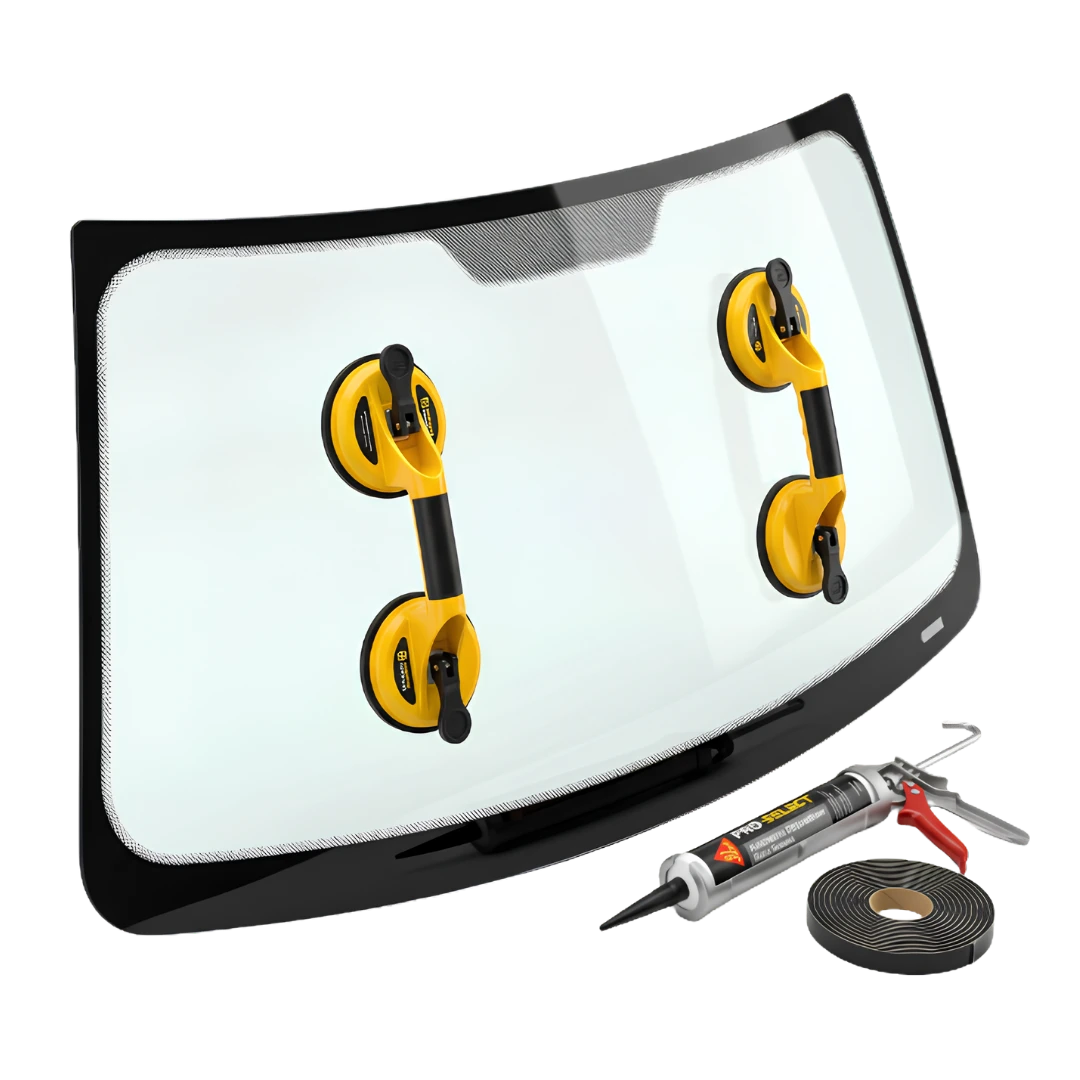
OEM-matched glass is set into a fresh adhesive bead, using suction tools for exact placement. It is held under steady pressure while the adhesive starts to cure.
07
Safe Drive-Away Cure Time
The car does not leave until the adhesive reaches full safe strength. Glass that has not cured cannot do its job in a crash.
08
ADAS Calibration and Verification
Once the adhesive cures, static calibration, dynamic calibration, or both are run, based on what your model needs. A system check then confirms every feature works before handover.
Worth knowing
What Happens If ADAS Calibration Is Skipped
A misaligned camera does not always throw an obvious fault code. Several warning signs point to a calibration that was never done, or was done wrong.
Lane assist pulling unexpectedly
The system reads lane position incorrectly. It applies steering correction that does not match where the car actually sits in the lane.
Forward collision alerts firing without cause
A camera aimed a few millimetres off centre misjudges the distance to vehicles ahead. That triggers false warnings.
Adaptive cruise control braking too early or too late
Distance measurement errors from a miscalibrated camera turn directly into mistimed braking and acceleration.
A dashboard message reading system unavailable
Some Audi models detect that calibration did not complete successfully. They disable the affected feature entirely until it is fixed.
Heads-up display projections sitting off-centre
Where fitted, the head-up display draws on the same camera data. Misalignment shows up as a shifted projection.
A brief "pre sense unavailable" message lasting around 20 seconds on startup is normal on many Audi models. On its own, it is not a sign of a calibration fault.
Free inspection slot
Book Your Audi Windshield Replacement in Abu Dhabi
A cracked windshield is a structural problem before it is a visibility problem. On a camera-equipped Audi, calibration is part of the repair, not an extra. Send your VIN and a photo of the damage, and we will confirm the part and the price before you book. Book online, or call Zenfo Auto Services for a windshield slot this week.
Calibration is needed on any Audi fitted with a forward-facing camera on the windshield, which covers most models built in the last decade. Replacing the glass shifts the camera's exact position, even with careful installation.
02
Glass replacement itself usually takes 1 to 2 hours, plus adhesive cure time on top. Static calibration adds roughly an hour or more, and a dynamic calibration drive extends the appointment further if your model needs it.
03
No. The adhesive needs to reach a manufacturer-specified safe drive-away strength before the car is roadworthy. Driving before that point risks the windshield coming loose in a collision, since it is a structural part of the body.
04
The camera can report inaccurate lane position and distance data without triggering an obvious warning. This shows up as lane assist pulling unexpectedly, false collision alerts, or mistimed adaptive cruise control braking.
05
Chips and short cracks outside the driver's direct line of sight are usually repairable with resin injection. Cracks longer than about the length of a dollar bill, or any damage reaching the glass edge, need full replacement.
06
Independent replacement using OEM-matched glass and proper calibration keeps your manufacturer warranty intact under UAE consumer law. The key requirement is that calibration gets done correctly, not skipped.
07
Airborne sand acts as a mild abrasive at speed, pitting the glass surface over time. This pitting scatters oncoming headlight glare at night, a wear pattern far more common here than in cooler, less arid climates.
08
Glass replacement can often be done at your location, with static calibration completed at the workshop afterward if your model needs it. Dynamic calibration, where needed, is completed during the same visit.


 Audi specialist service

