


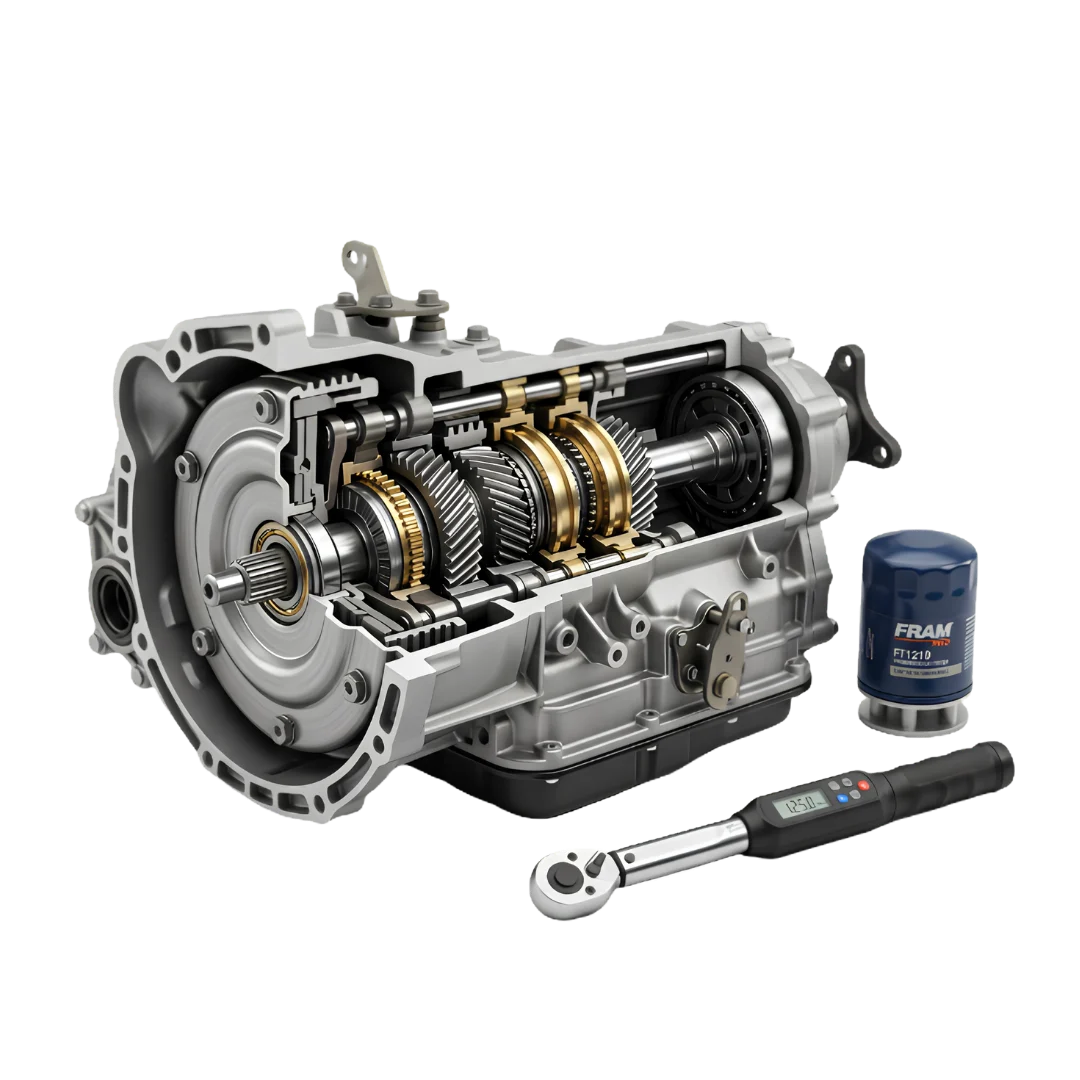





Your Audi may run smoothly for months before showing signs of an engine problem. A strange noise, a warning light, or a sudden drop in power can be easy to ignore when the car still starts and drives. However, these small changes may point to a fault that needs attention.
Common signs of engine trouble in an Audi include unusual engine noises, warning lights, loss of power, excessive exhaust smoke, oil leaks, overheating, rough idling, and increased fuel use.
These symptoms can result from worn parts, faulty sensors, low fluid levels, or problems with the fuel and cooling systems. Finding the cause early can help prevent further damage and costly repairs.
8 Warning Signs of Engine Trouble in an Audi
Audi engines use many parts and electronic systems that work together to deliver smooth power and good fuel use. When one part starts to fail, you may notice changes in how the car sounds, feels, or performs.
The following eight signs can help you spot a possible engine problem before it becomes more serious. One symptom does not always mean the engine itself is damaged, as faults in the ignition, fuel, cooling, or electrical systems can cause similar issues. A proper inspection is needed to confirm the cause.
Unusual Engine Noises
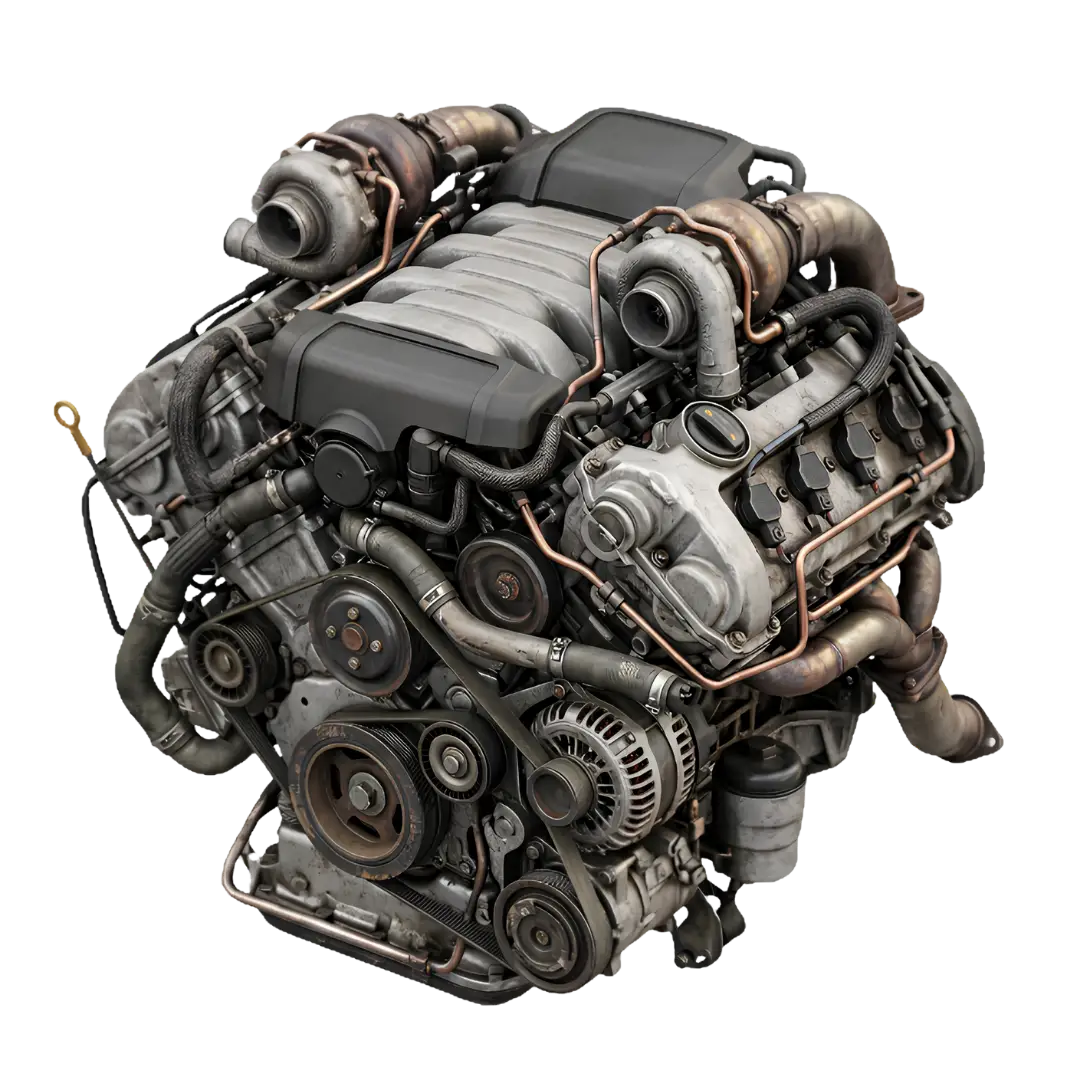
A healthy Audi engine should run without loud knocking, sharp ticking, or grinding sounds. If you hear a new noise from under the bonnet, it may point to a problem with the engine or one of its parts. Knocking can be linked to poor combustion, worn bearings, or low oil pressure.
Ticking may come from valve parts or low oil levels, while a grinding sound could indicate a damaged moving part or accessory. The noise may become louder when you speed up or start the engine. Check the oil level when safe, and arrange an inspection if the sound continues.
The Check Engine Light Stays On
The check engine light means the engine control unit has detected a problem with a system it monitors. The cause could be a faulty oxygen sensor, ignition coil, spark plug, fuel system part, or air intake component.
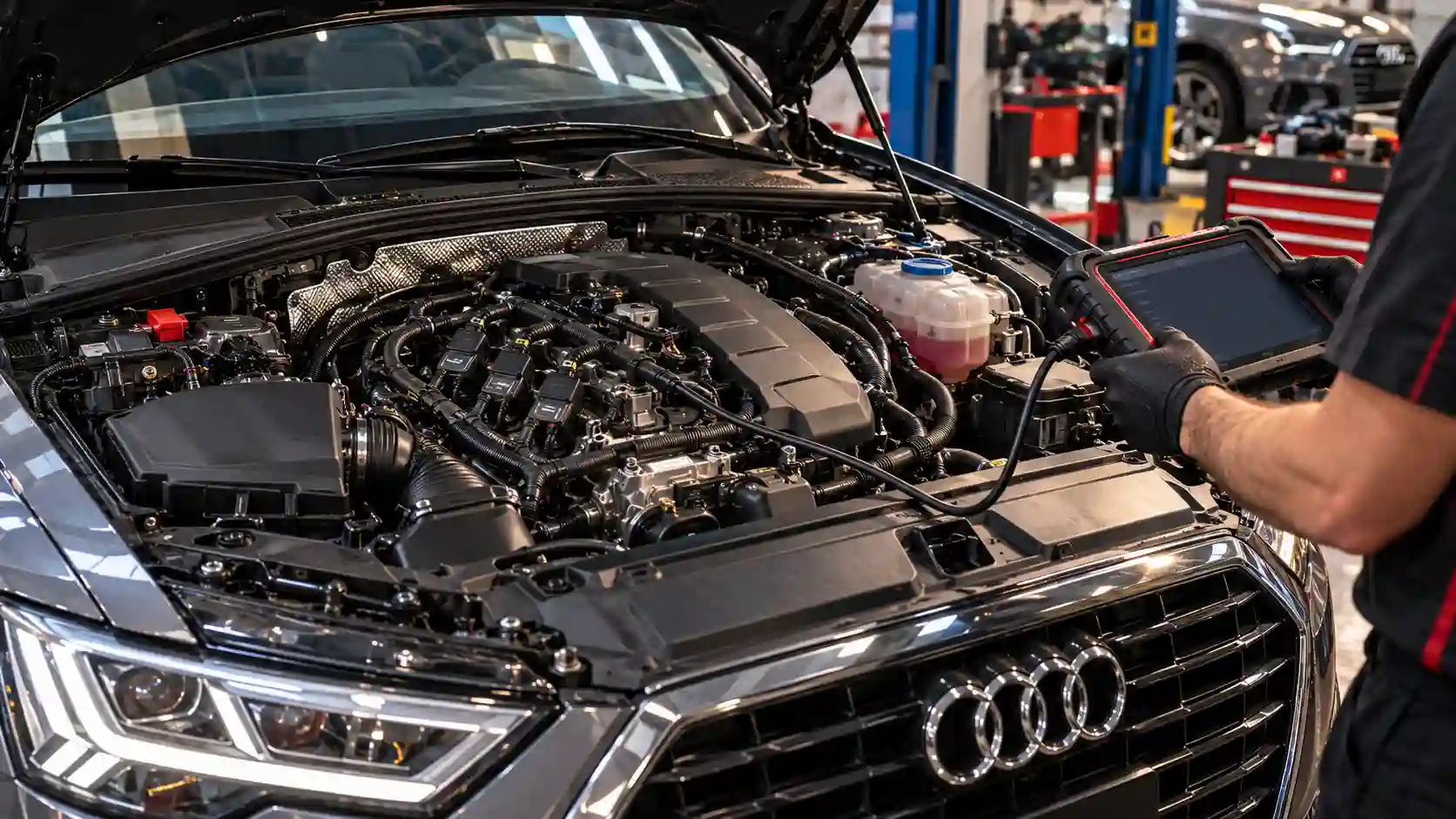
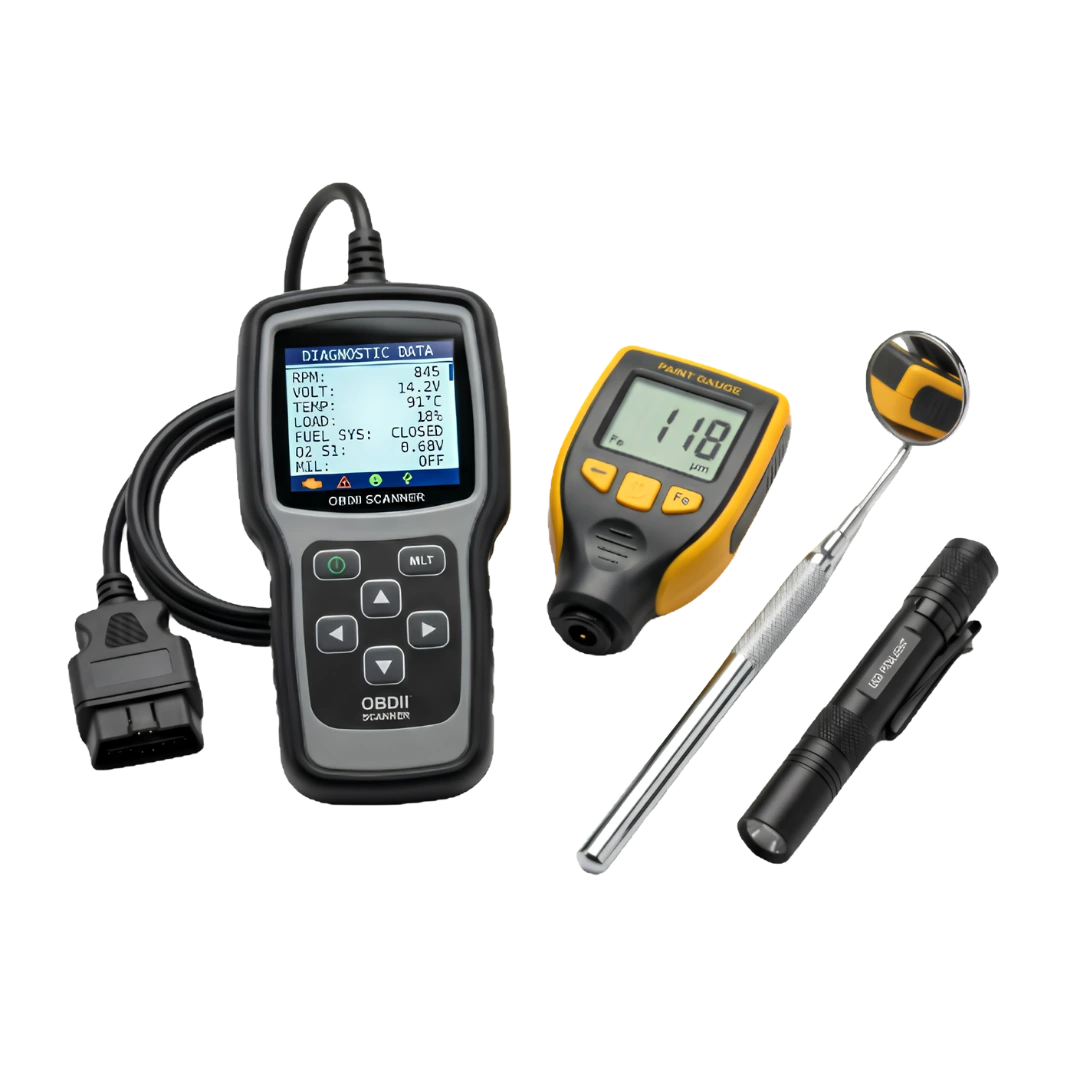
In some cases, the car may still feel normal even though a fault code has been stored. A diagnostic scan can read the code and help a mechanic narrow down the cause.
Do not assume that the light always means a major engine failure, but do not ignore it either. If it flashes while the engine runs roughly, stop safely and seek professional help.
Loss of Engine Power or Slow Acceleration
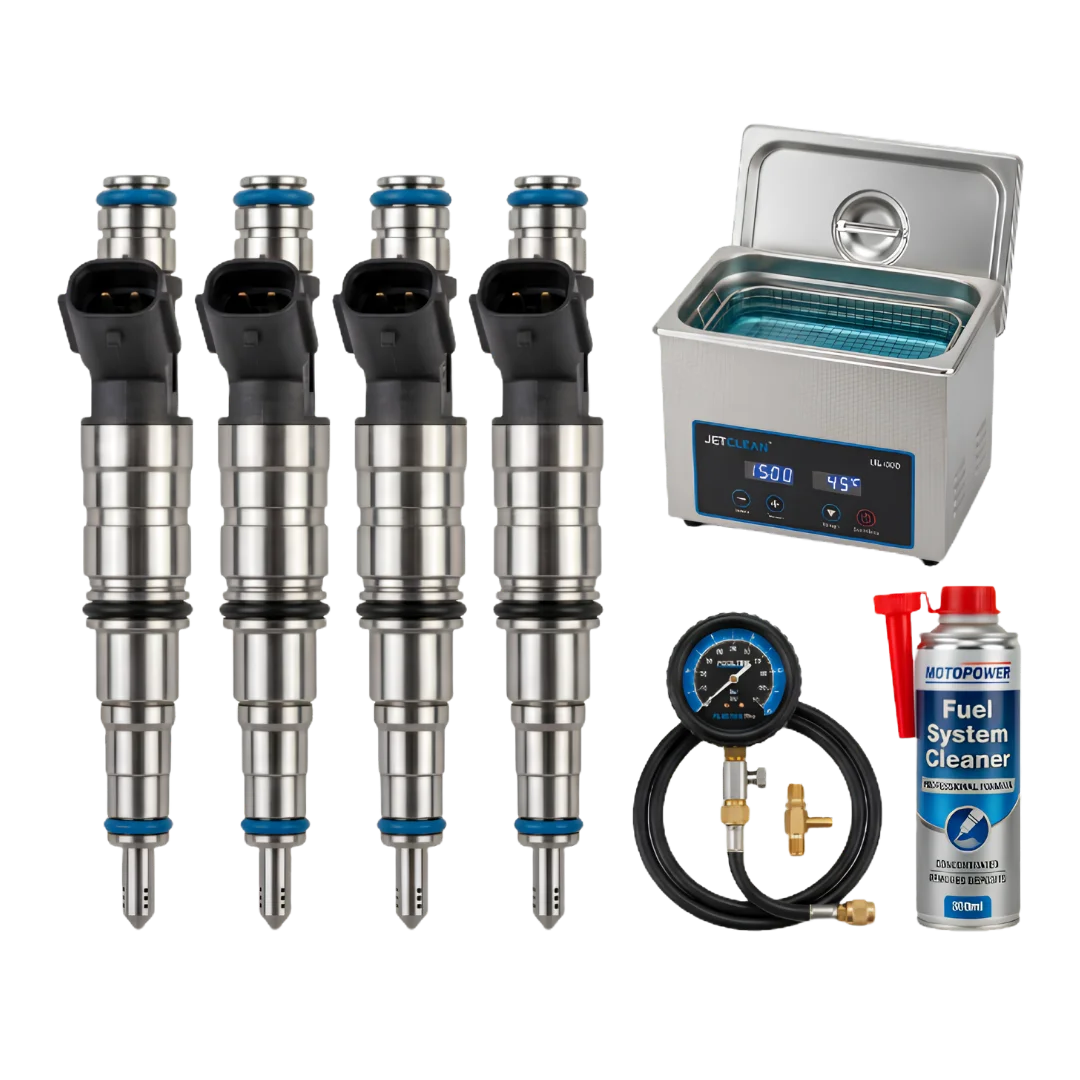
If your Audi takes longer to speed up, struggles on hills, or feels weaker than usual, the engine may not be producing its normal power. Possible causes include a blocked air filter, faulty fuel injector, worn spark plugs, turbocharger problems, or a fault in the air intake system. Some Audi models may limit engine power when the computer detects a serious issue. This is often called limp mode, and it helps protect the car from further damage. A diagnostic scan, along with checks of fuel pressure, air flow, and boost pressure where relevant, can help identify the fault.
Excessive Smoke from the Exhaust
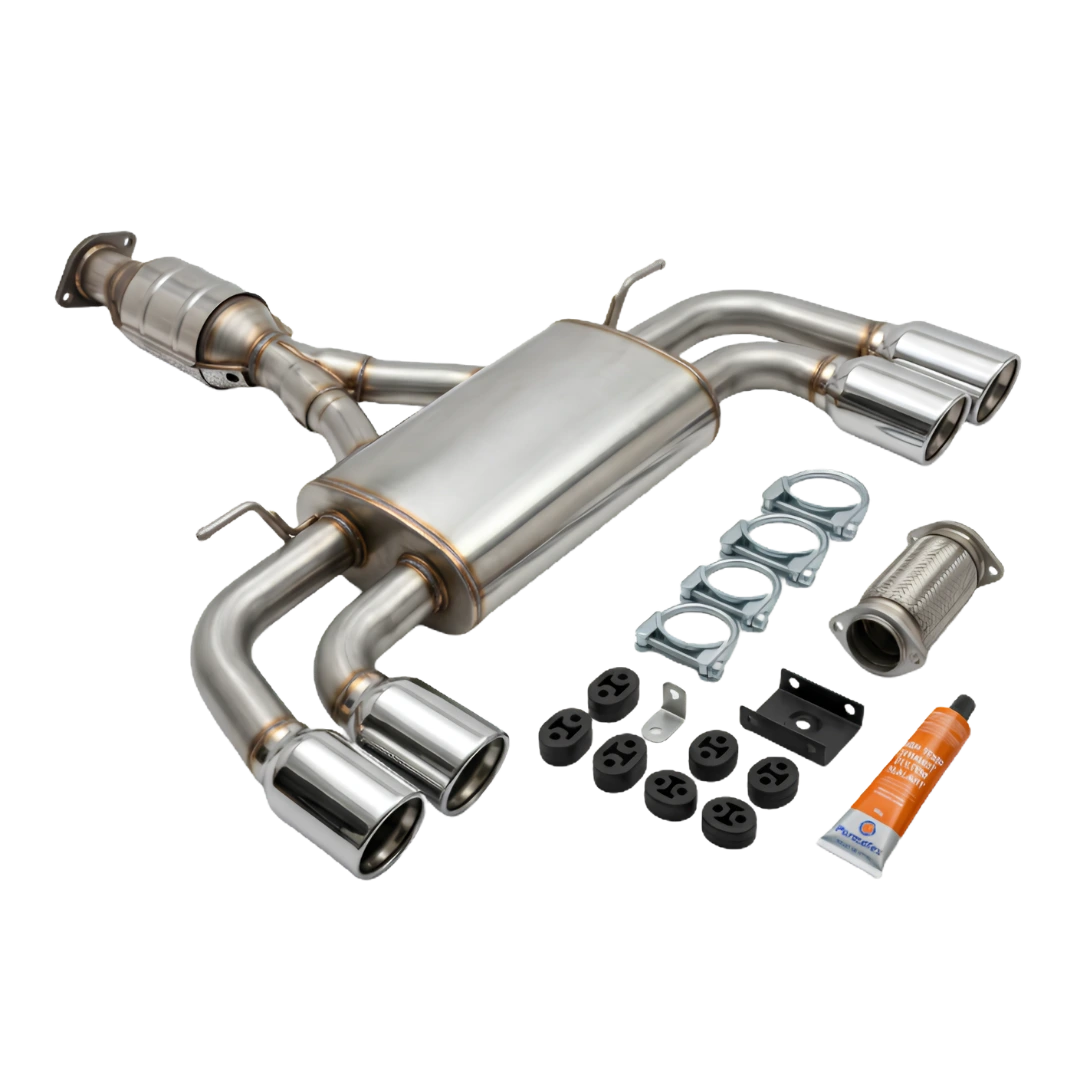
The colour of exhaust smoke can provide useful clues about engine trouble. Blue smoke may mean the engine is burning oil, while thick white smoke that continues after the engine warms up can point to coolant entering the combustion chamber. Black smoke may indicate that too much fuel is being burned compared with the amount of air. Cold starts can produce some white water vapour, which is usually normal and should fade as the engine warms up. However, thick or lasting smoke needs attention. A mechanic can inspect the engine, turbocharger, fuel system, and cooling system to find the cause.
Engine Overheating
An Audi engine should stay within its normal operating temperature range. If the temperature gauge rises too high or a coolant warning appears, the cooling system may not be removing enough heat.
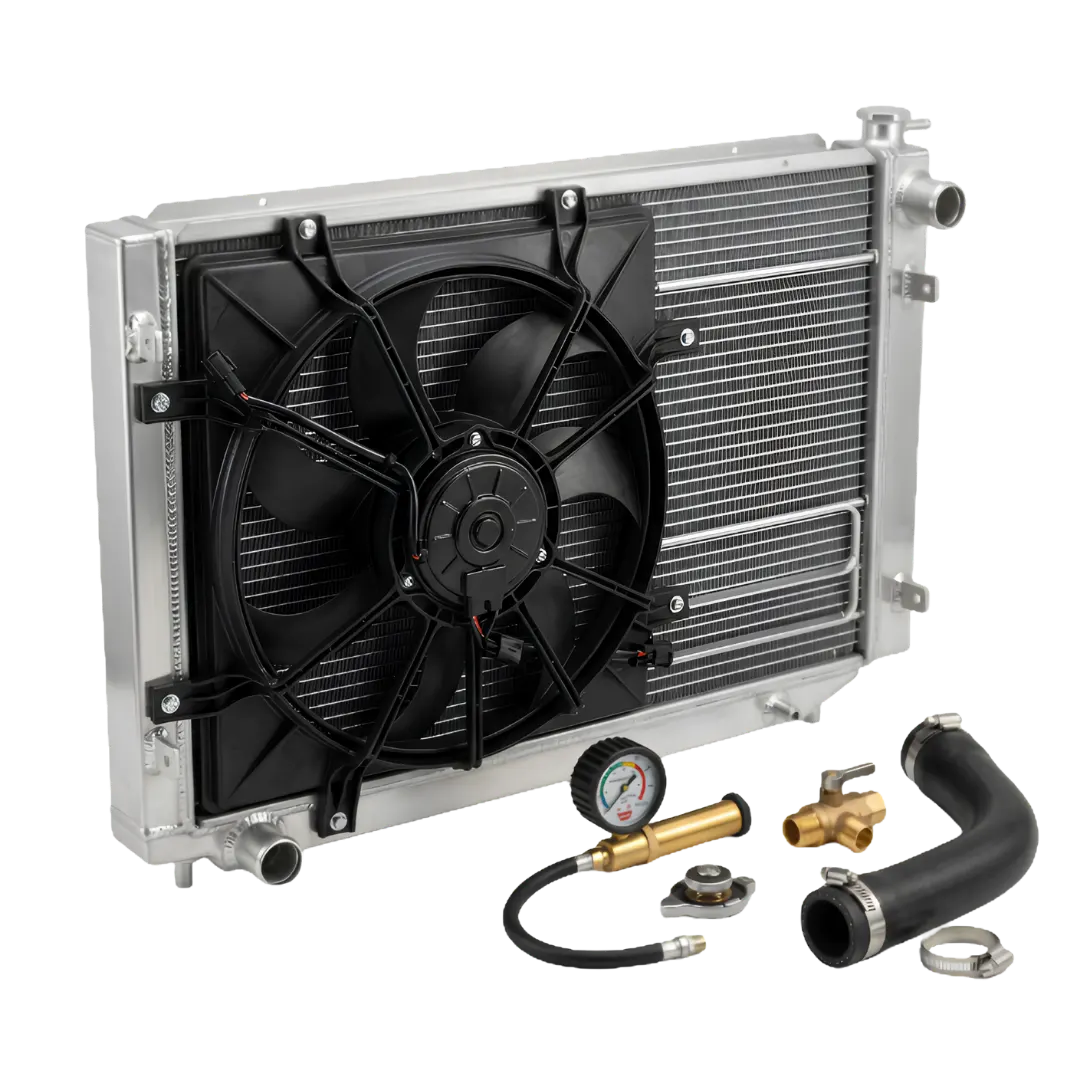
Common causes include low coolant, a leaking hose, a faulty radiator fan, a damaged water pump, or a stuck thermostat. Continuing to drive while the engine overheats can damage the cylinder head gasket and other major parts.
Stop in a safe place and follow the dashboard warning instructions. Never open the coolant tank while the engine is hot because pressurised coolant can cause serious burns.
Oil Leaks or Low Engine Oil
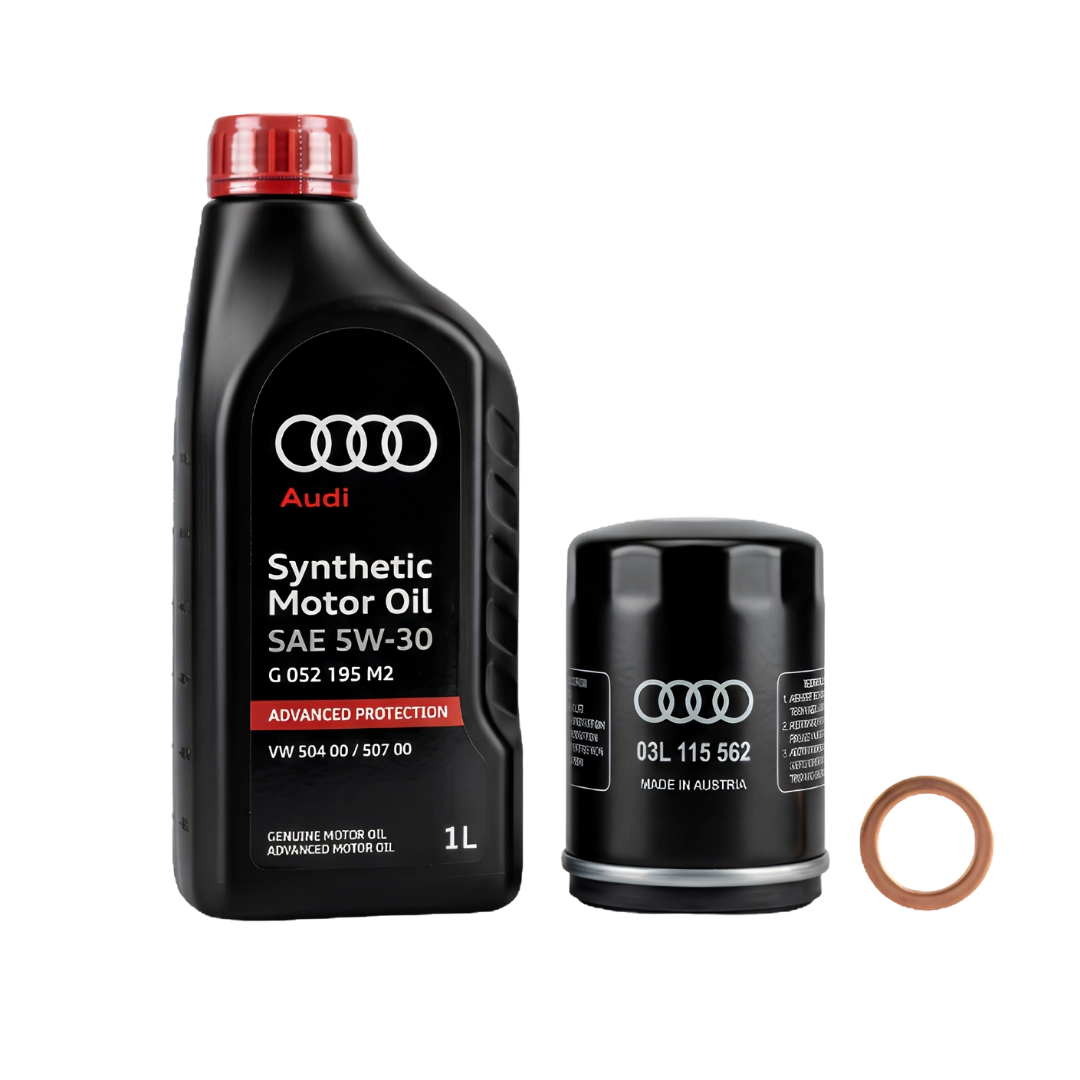
Engine oil reduces friction between moving parts and helps control heat. If your Audi leaves dark or oily marks under the car, it may leak from a gasket, seal, oil filter, or another part of the engine.
You may also notice a burning oil smell when the oil reaches hot engine parts. Low oil levels can increase wear and may lead to serious engine damage if ignored.
Check the oil according to your owner's manual and look for warning messages. If the oil pressure warning appears, stop safely and switch off the engine as instructed rather than continuing to drive.
Rough Idling, Shaking, or Engine Misfires
When your Audi is parked with the engine running, it should usually idle smoothly. If the car shakes, the engine speed rises and falls, or the engine feels as if it is missing a beat, one or more cylinders may not be burning fuel correctly.
This is known as an engine misfire. Common causes include faulty ignition coils, worn spark plugs, fuel injector problems, air leaks, or sensor faults.
A misfire can increase fuel use and damage the catalytic converter if you keep driving. A mechanic can scan for fault codes and test the ignition, fuel delivery, and air intake systems.
Higher Fuel Use Than Normal
If you find yourself filling the tank more often even though your driving habits have not changed, your Audi may have an engine or fuel system problem. A faulty oxygen sensor, dirty air filter, worn spark plugs, low tyre pressure, or an issue with fuel delivery can affect fuel use.
Short trips and heavy traffic can increase consumption too, so higher fuel use does not always mean the engine is damaged.
Compare your recent fuel use with your usual pattern and check for other symptoms, such as rough idling or weak acceleration. If the change continues, a diagnostic check can help identify the cause.
What Should You Do If Your Audi Shows These Signs?
Do not wait for a small symptom to become a major engine fault. If you notice unusual noises, smoke, oil loss, or changes in performance, arrange an inspection to find the cause.
Keep an eye on the dashboard warning lights and check fluid levels according to your owner's manual. Avoid hard acceleration when the engine is running poorly, and never continue driving with severe overheating or an oil pressure warning.
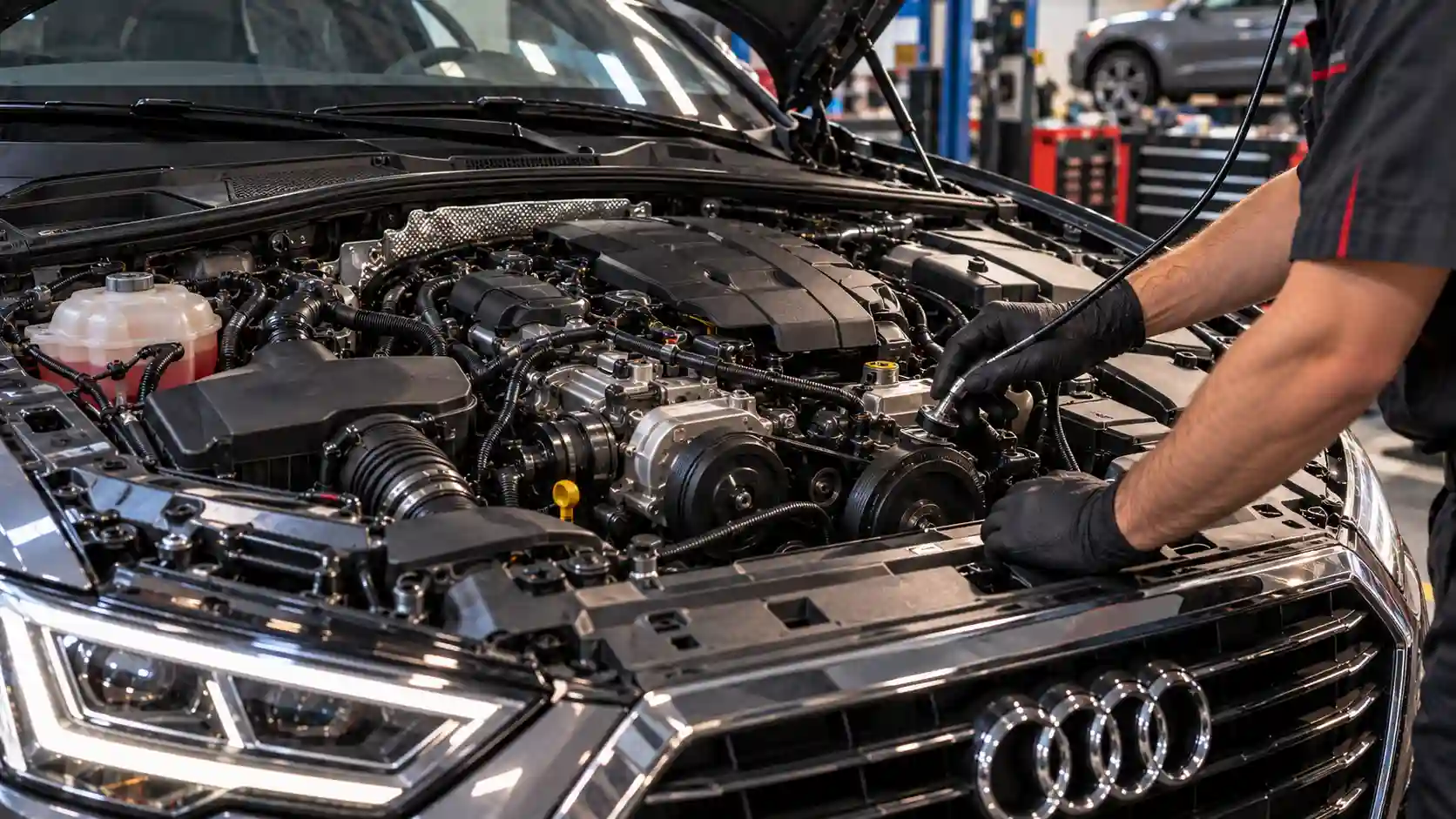
A mechanic may use computer diagnostics, an engine oil pressure test, a compression test, or a cooling system pressure test, depending on the symptoms.
These checks help separate a simple fault from deeper engine damage and reduce the risk of replacing parts that are still working properly.
Conclusion
The main signs of engine trouble in an Audi include unusual noises, a check engine light, weak acceleration, exhaust smoke, overheating, oil leaks, rough idling, and higher fuel use.
These symptoms can point to faults in different systems, so the right repair depends on a proper diagnosis. Acting early may prevent further damage and help keep repair costs under control.
If your Audi is showing any of these warning signs, Zenfo Auto Services in Musaffah Industrial Area M9, Abu Dhabi, can help with engine diagnostics, repairs, and routine maintenance. Contact Zenfo Auto Services to arrange an Audi inspection in Abu Dhabi and keep your Audi running safely and smoothly.