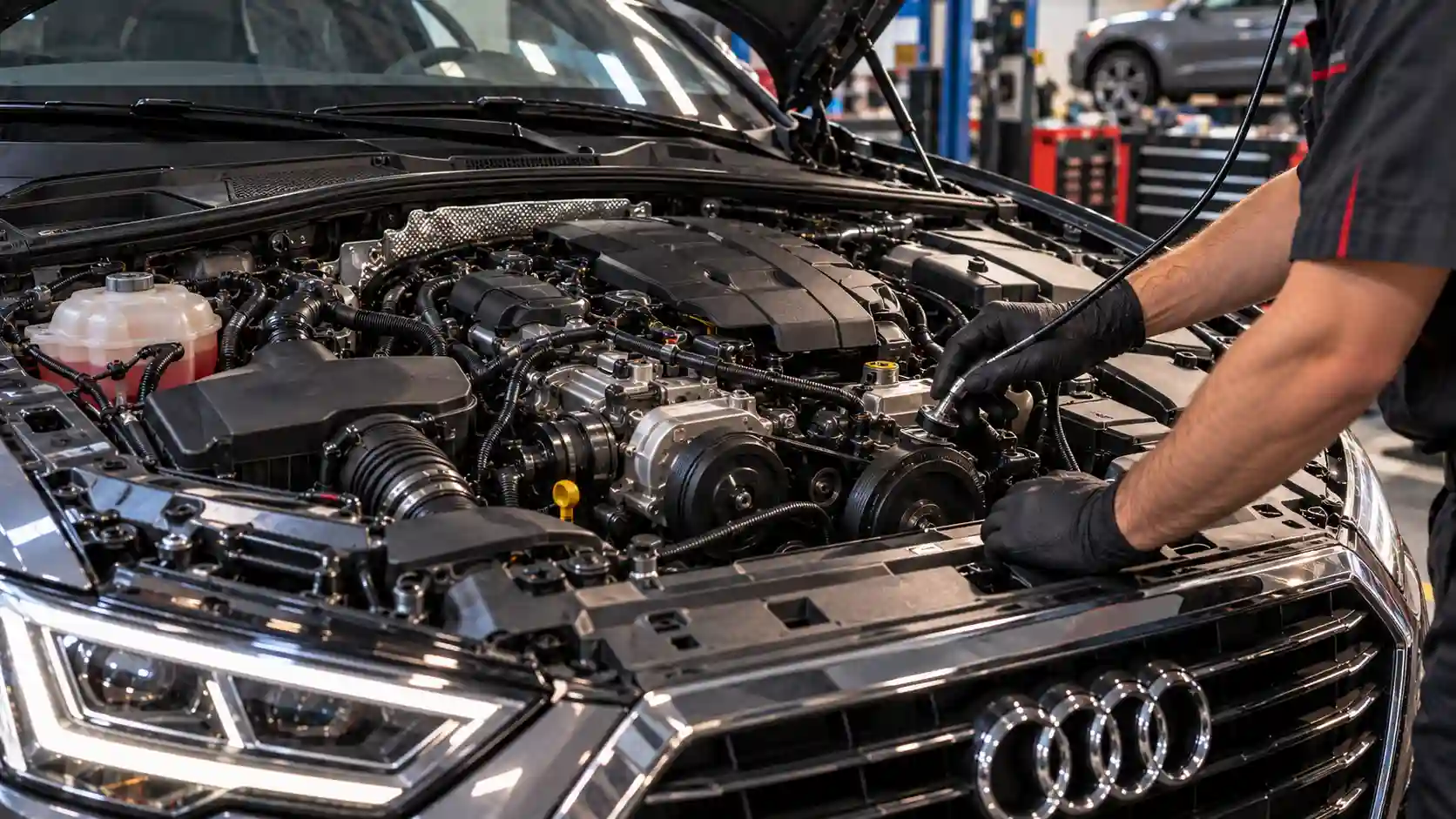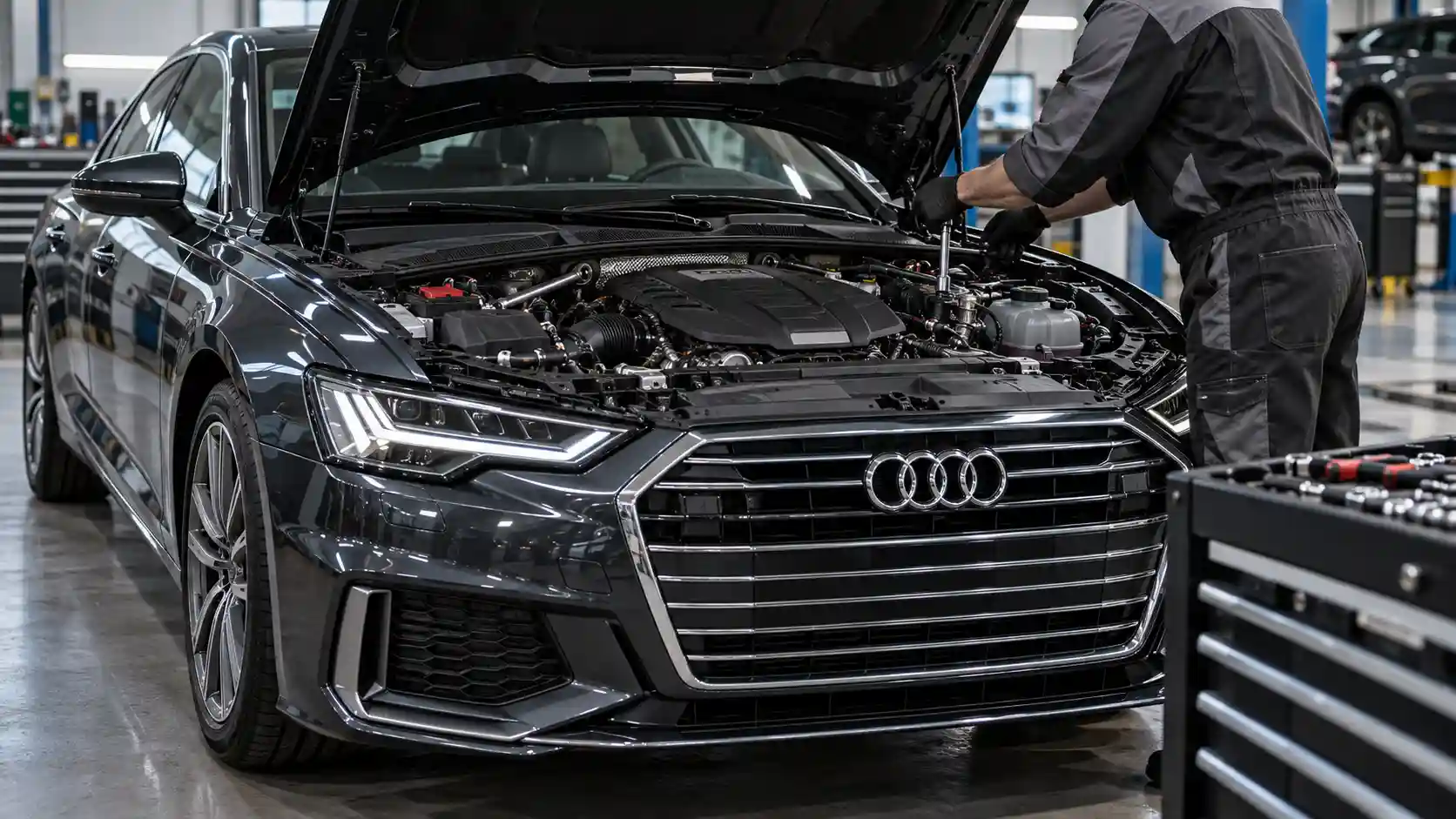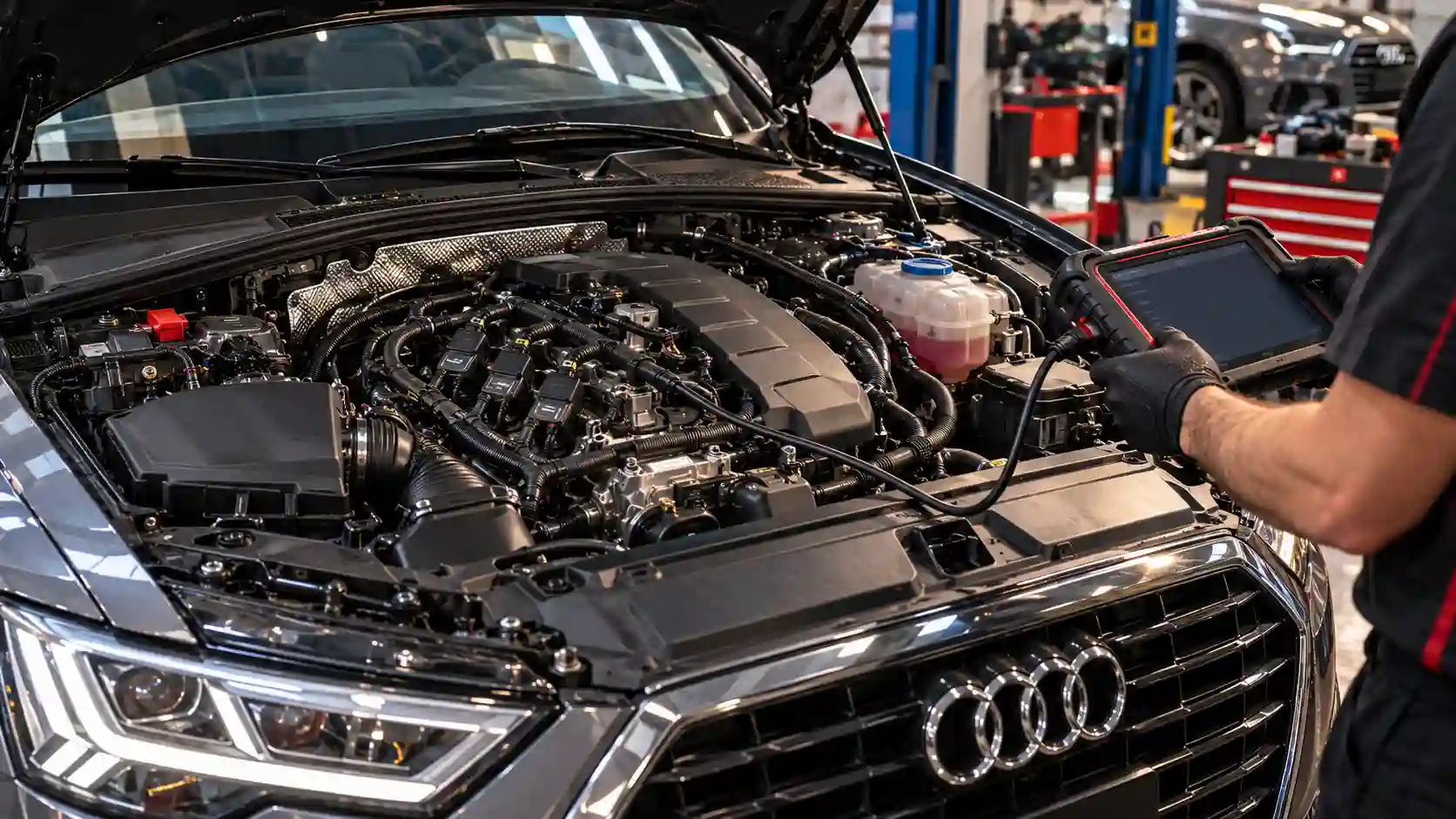
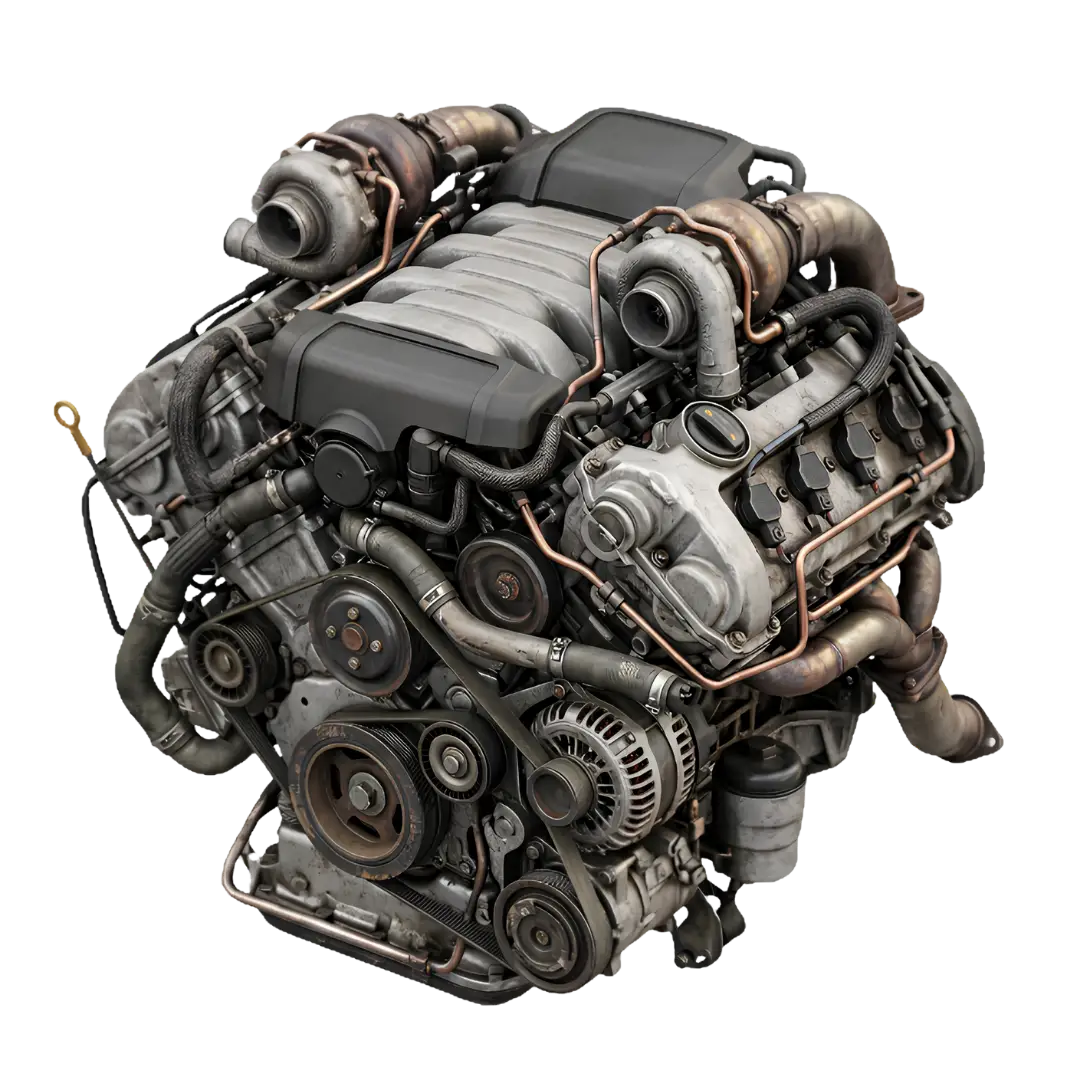










An Audi can feel perfect on the open road but start running hot when you get stuck in Abu Dhabi traffic. Seeing the temperature gauge rise while waiting at a traffic light can be worrying, especially during the summer months.
The main reasons an Audi overheats in Abu Dhabi traffic include low coolant, a faulty radiator fan, a blocked radiator, a weak water pump, and a damaged thermostat. Heavy traffic reduces airflow through the radiator, making it harder for the engine to release heat.
High outdoor temperatures add to the problem, while a faulty cooling system may struggle to keep the engine at a safe temperature. Regular checks and timely repairs can help prevent serious engine damage.
Reasons Why Does My Audi Overheat in Abu Dhabi Traffic
Low Coolant Levels Can Raise Engine Temperature
Coolant, also called antifreeze, moves through the engine and carries heat away from its metal parts. If the coolant level drops, the system may not remove enough heat, causing the engine temperature to rise.
A leak from a hose, radiator, water pump, or coolant tank can lead to low levels. You may notice a sweet smell, a warning message, or coloured fluid under your Audi.
Check the coolant level only when the engine is completely cold. Never open the coolant tank cap while the engine is hot, as pressurised fluid can cause serious burns.
Signs of a Coolant Leak
- A coolant warning on the dashboard.
- Pink, purple, or other coloured fluid under the car, depending on the coolant used.
- Steam coming from the engine bay.
- The temperature gauge rising more often than usual.
If you notice these signs, have the cooling system checked before driving further.
A Faulty Radiator Fan May Be the Problem
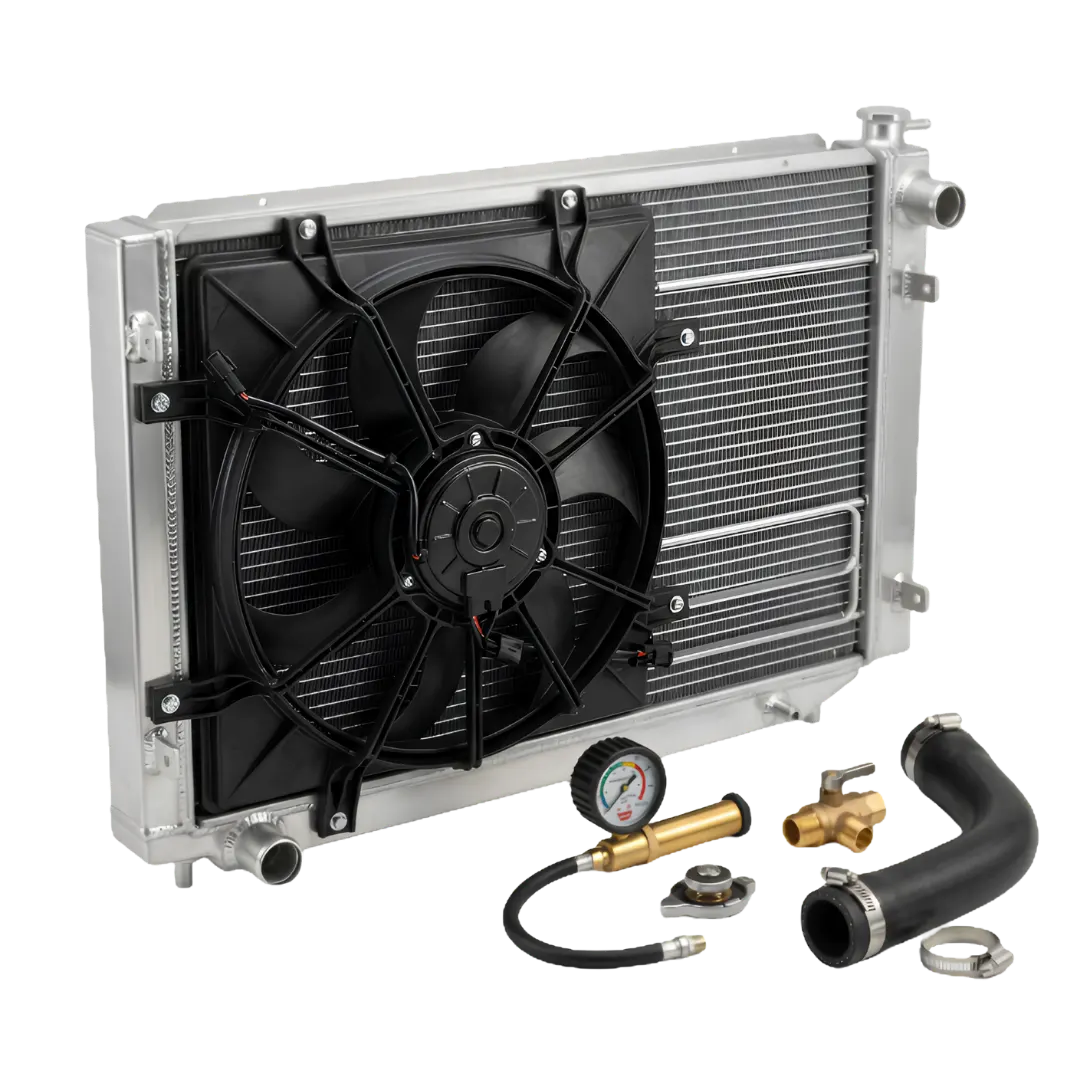
The radiator fan pulls or pushes air through the radiator when the car is moving slowly or standing still. If the fan motor fails, a fuse blows, or the fan control system develops a fault, the radiator may not cool the engine properly in traffic.
One common sign is that the temperature rises while waiting at a traffic light but drops once you start driving faster. This pattern can point to a fan problem, although other faults may cause similar symptoms. A mechanic can test the fan motor, wiring, control unit, and related parts to find the exact cause.
A Blocked Radiator Can Trap Heat
The radiator transfers heat from the coolant into the outside air. Over time, dirt, dust, insects, and road debris can block the air passages around the radiator. Inside the radiator, rust, old coolant, or deposits can restrict the flow of fluid.
Both problems reduce cooling performance. Abu Dhabi's dusty conditions can make the outside of the radiator dirty, while poor coolant care may cause deposits inside it.
A mechanic can inspect the radiator fins, check coolant flow, and test for blockages. Depending on its condition, the radiator may need cleaning, flushing, or replacement.
A Weak Water Pump Can Affect Coolant Flow
The water pump moves coolant between the engine and the radiator. If the pump becomes worn, leaks, or develops damage to its internal parts, coolant may not flow at the right rate. This can cause overheating in traffic and during longer drives.
Some Audi models use a belt-driven pump, while others have different pump designs, so the repair method depends on the engine.
Warning signs may include coolant loss, unusual noises, or rising engine temperature. A mechanic should inspect the pump and related drive parts rather than replacing it without checking the cause.
A Stuck Thermostat Can Stop Proper Cooling
The thermostat controls when coolant flows through the radiator. When the engine is cold, it stays closed to help the engine warm up. As the temperature rises, it opens and allows coolant to flow through the radiator. If the thermostat gets stuck closed, hot coolant may not reach the radiator as it should.
This can cause the engine to overheat, even when the radiator fan is working. A faulty thermostat may lead to quick temperature changes or poor temperature control. Testing the thermostat and checking coolant flow can help confirm whether it needs replacement.
Air Conditioning Can Add Extra Heat
Your Audi's air conditioning system puts an extra load on the engine, depending on the model and operating conditions. The AC condenser, which releases heat from the refrigerant, sits near the radiator and adds heat to the air passing through the front of the car.
In slow traffic, both systems depend heavily on the cooling fans. If the fans are weak, the radiator is dirty, or coolant flow is poor, turning on the AC may make an existing problem more noticeable. If your Audi overheats mainly with the AC running, have the fans, radiator, condenser, and coolant system checked.
Engine Oil Problems Can Increase Heat
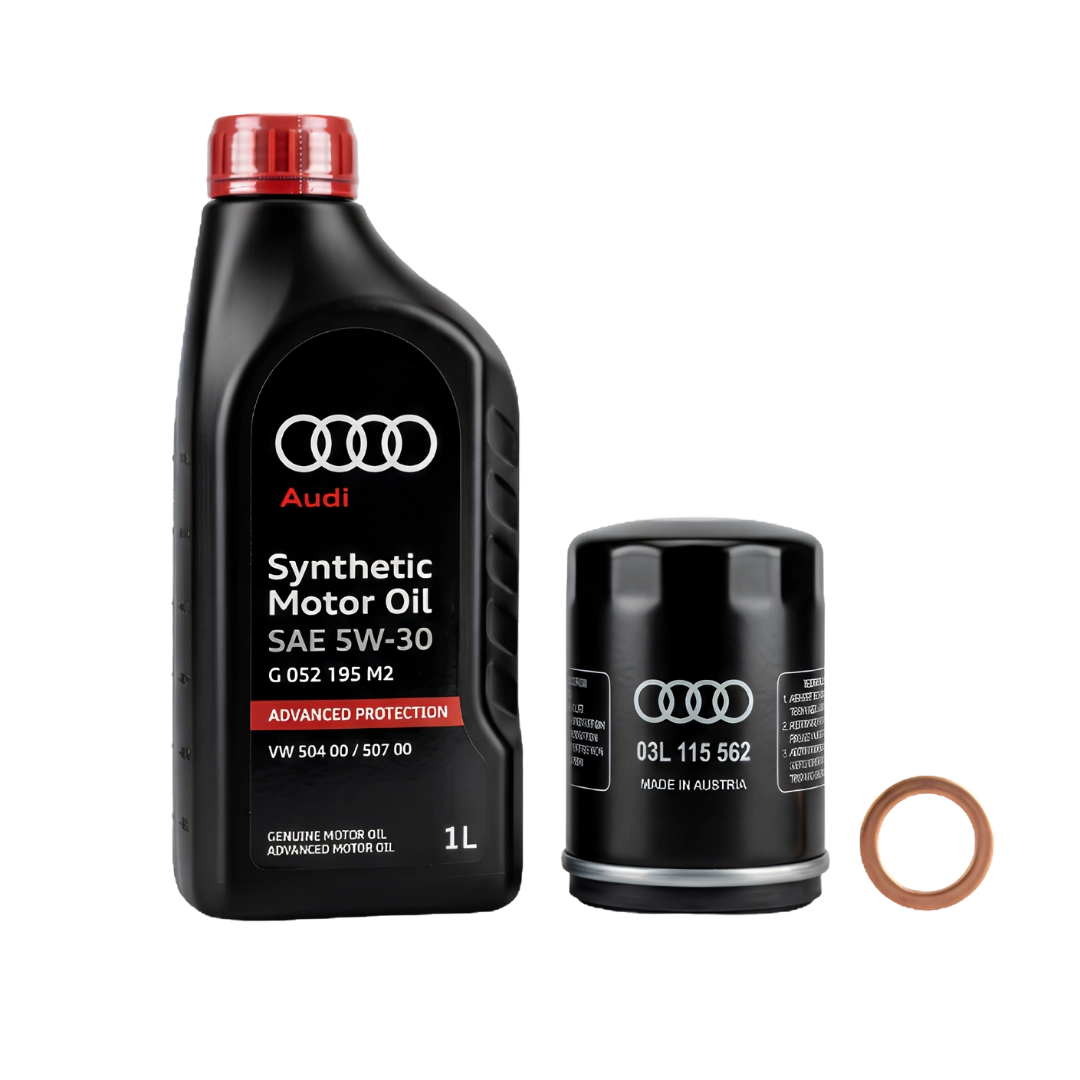
Engine oil does more than reduce friction between moving parts. It helps carry heat away from areas that coolant may not reach directly. If the oil level is too low, the oil is badly worn, or the wrong oil grade is used, the engine may face extra friction and heat.
Oil leaks can make the problem worse over time. Check the oil level according to your Audi owner's manual and use the approved oil grade for your engine. If the oil warning light appears, stop safely and follow the vehicle's instructions. Do not keep driving if the engine may be at risk.
When Should You Visit an Audi Repair Workshop?
If your Audi repeatedly overheats in traffic, a basic coolant top-up may not solve the problem. A proper inspection can help identify whether the cause is a fan fault, coolant leak, radiator blockage, thermostat issue, or water pump failure.
Depending on the symptoms, a mechanic may carry out a cooling system pressure test, scan the engine control unit for fault codes, check fan operation, and inspect coolant flow.
If overheating has been severe, further tests may be needed to check for engine damage. Finding the actual cause helps avoid unnecessary part changes and repeat visits.
Conclusion
An Audi can overheat in Abu Dhabi traffic because of low coolant, a faulty radiator fan, a blocked radiator, a weak water pump, or a stuck thermostat. High outdoor temperatures, slow traffic, and heavy AC use can make these faults more noticeable.
Engine oil problems and restricted coolant flow may add to the heat. If your temperature gauge rises above normal, a warning light appears, or steam comes from under the bonnet, stop safely and avoid driving until the issue has been checked. Regular cooling system inspections can help prevent costly repairs.
If your Audi keeps overheating, Zenfo Auto Services can help identify the cause through professional car diagnostics and engine cooling system checks. The workshop in Musaffah, Abu Dhabi, offers car repair and maintenance services for more than 50 car brands. Contact Zenfo Auto Services for Audi repair in Abu Dhabi.