








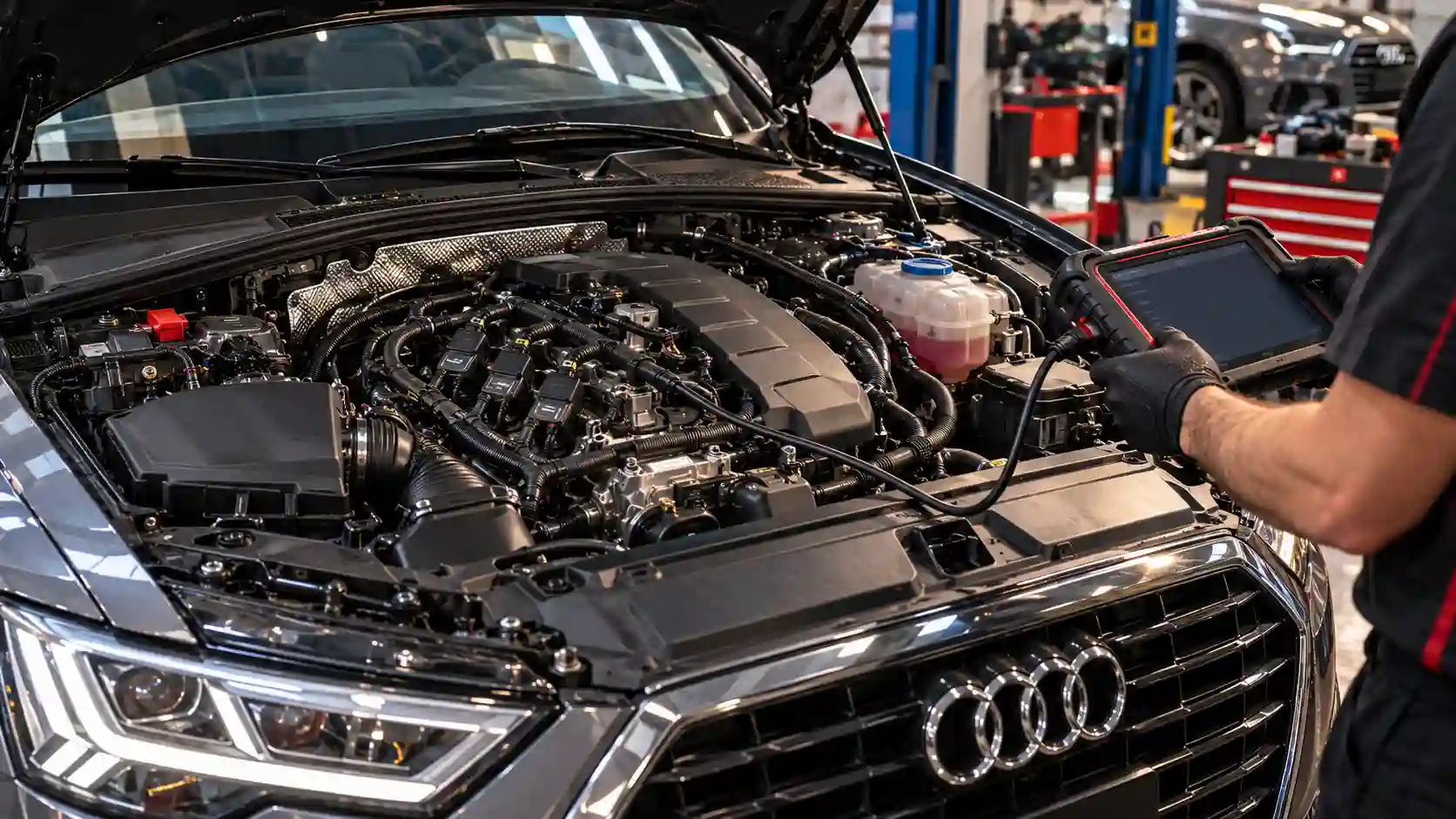
Has your Audi's engine warning light turned on without any clear reason? Maybe the car feels slower than usual, uses more fuel, or changes gears in a strange way. These signs can point to problems that are not easy to find with a basic visual check.
Audi computer diagnostics can help find engine faults, gearbox problems, sensor failures, electrical issues, and errors in key car systems.
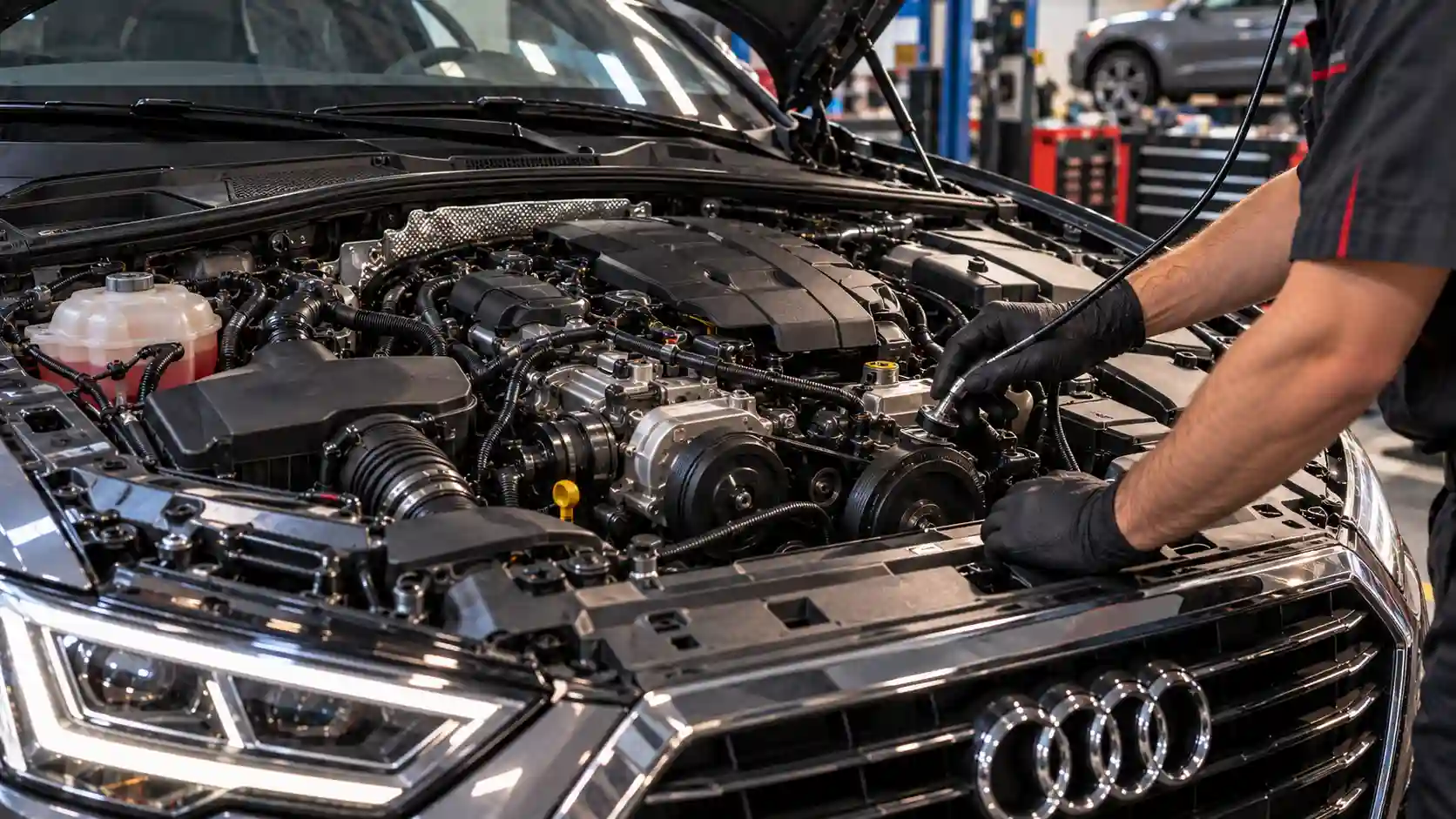
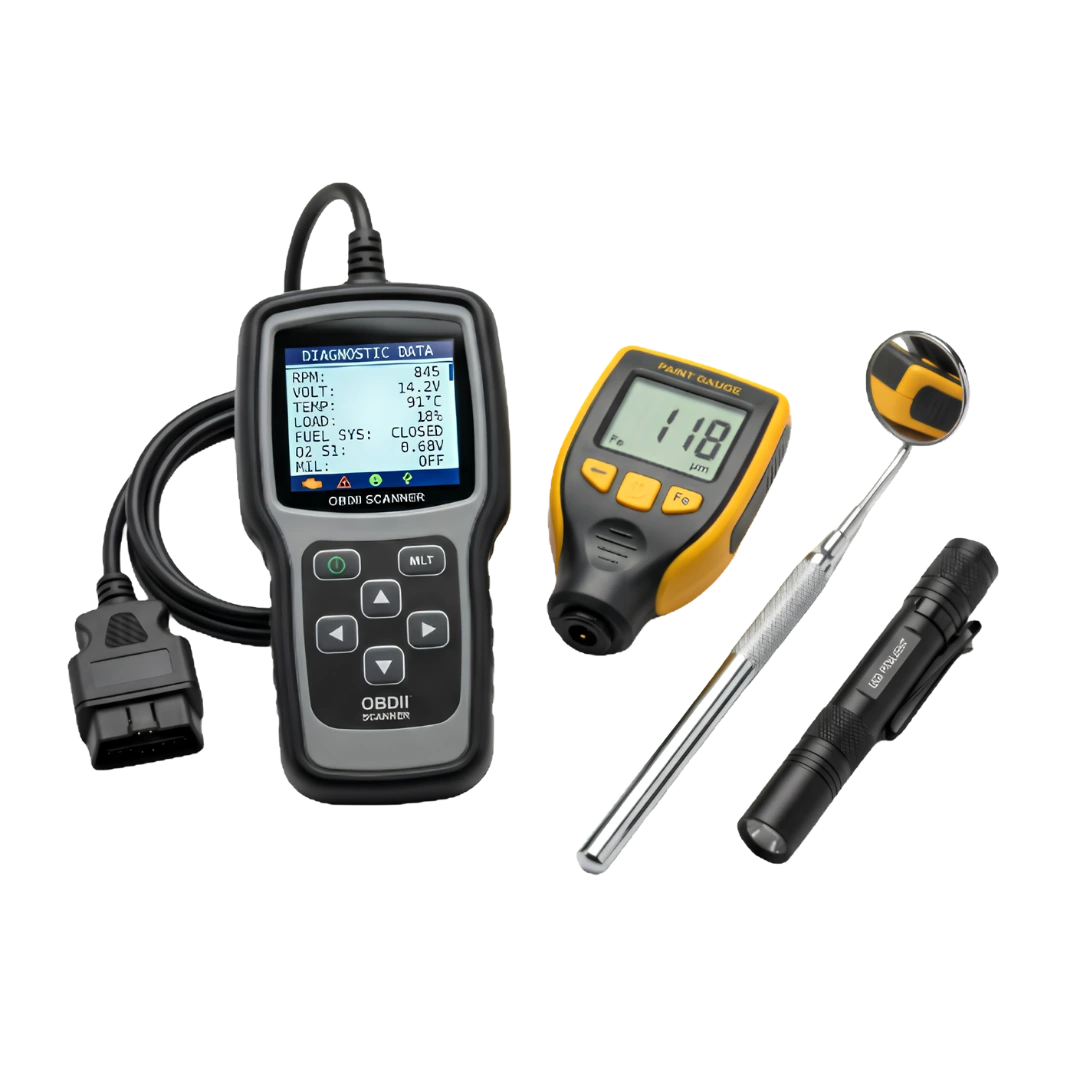
A diagnostic scanner reads fault codes stored in the car's electronic control units (ECUs). It can show which system needs attention and provide useful details to guide further checks. This helps a mechanic find the likely cause of a problem before carrying out repairs.
How Does Audi Computer Diagnostics Work?
Modern Audi cars use electronic control units to manage systems such as the engine, gearbox, brakes, and air conditioning. These units receive information from sensors and use it to control how the car works.
When a system detects an issue, it may store a fault code in its memory. An Audi diagnostic scanner connects to the car's onboard diagnostic port and reads the stored information.
A mechanic reviews these codes, checks live data, and carries out further tests where needed. This process helps narrow down the cause of a fault instead of relying on guesswork.
List Of Problems That Can Be Revealed by Audi Diagnostics
Engine Problems That a Diagnostic Scan Can Find
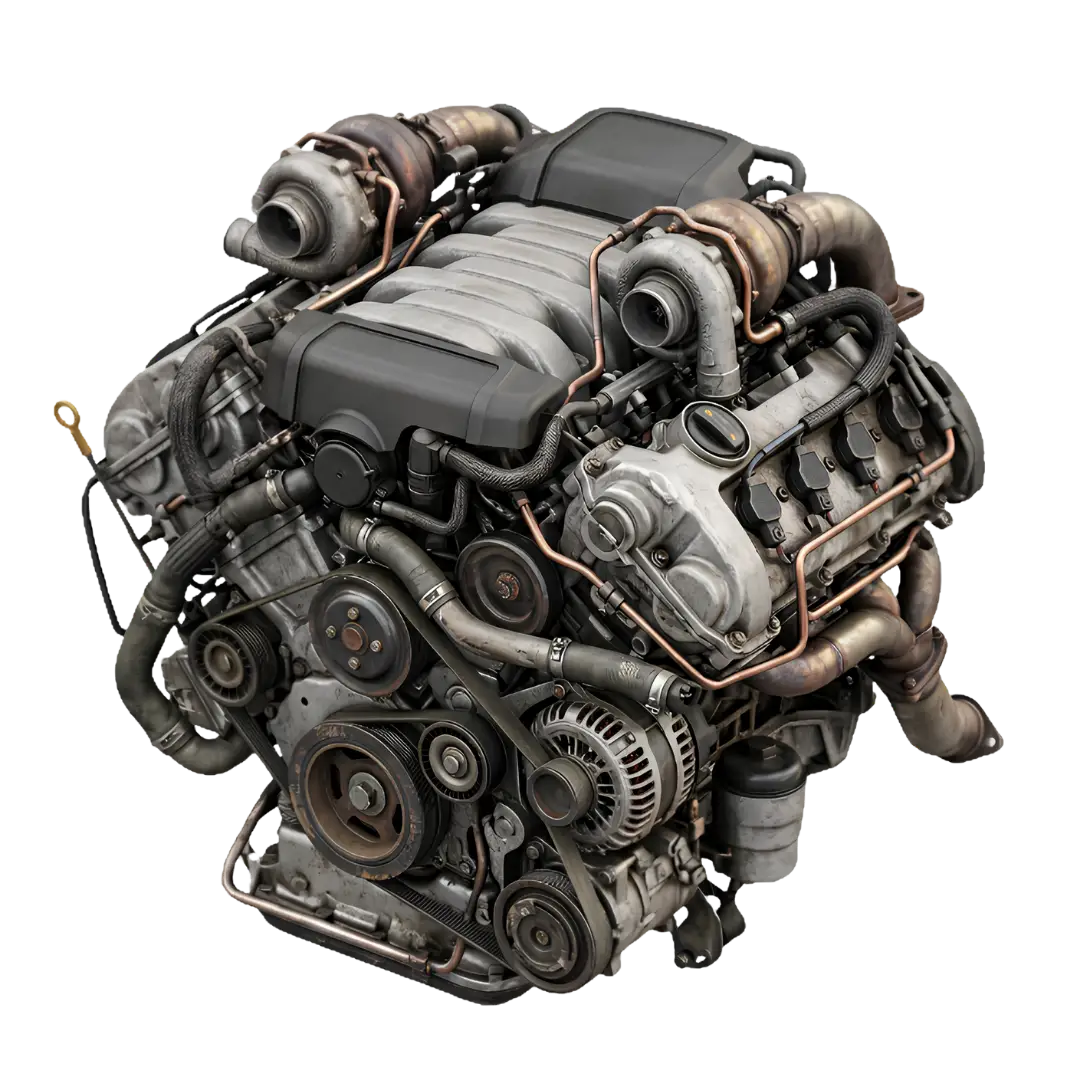
Engine problems can affect power, fuel use, smooth running, and overall performance. An Audi diagnostic scan can reveal stored fault codes linked to misfires, fuel delivery, air intake, ignition, and engine control.
For example, a code may point to a problem with an ignition coil, spark plug, or airflow sensor. The scan can also show live readings, such as engine temperature and fuel trim values, which help a mechanic understand how the engine is running.
However, a fault code does not always confirm that a part has failed. Physical checks and tests may still be needed.
Common Engine Faults Found During Diagnostics
- Engine misfires that cause shaking or rough running.
- Air intake or fuel mixture problems.
- Faults linked to the oxygen sensor.
- Engine temperature sensor errors.
- Problems with the fuel pressure system.
- Issues affecting turbocharger control on turbocharged models.
Finding the cause early can help prevent a small fault from turning into a larger repair.
Audi Diagnostics Can Identify Gearbox Problems
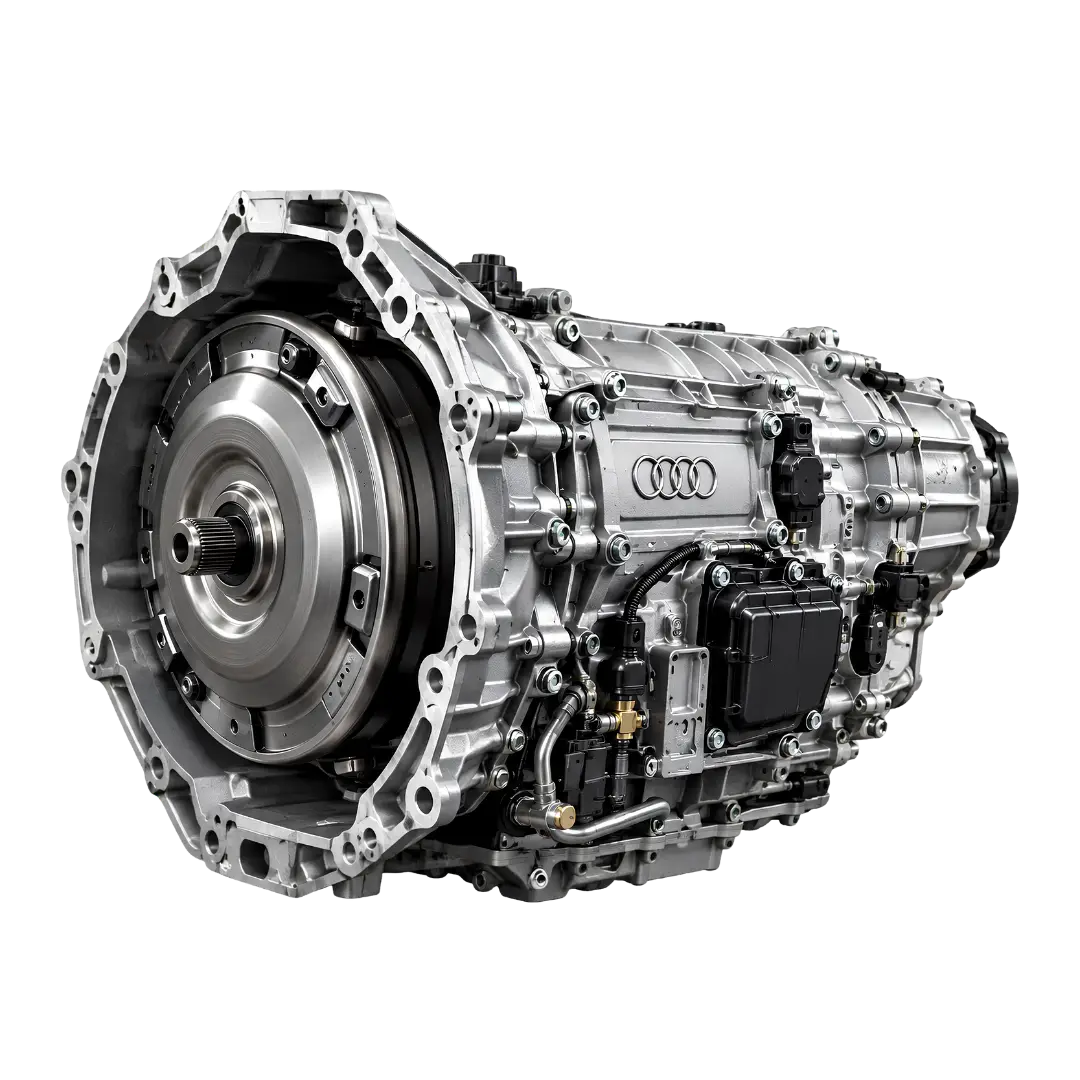
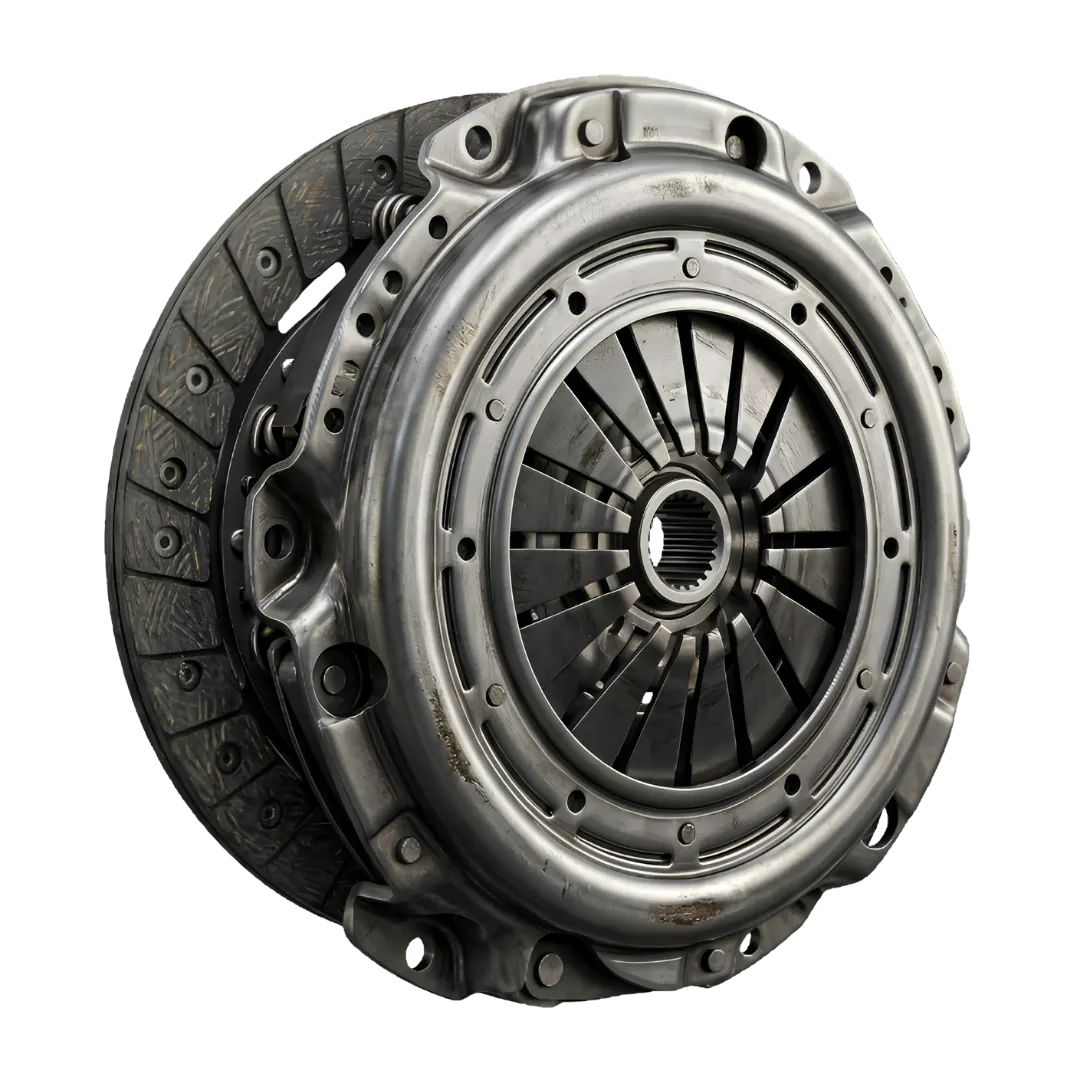
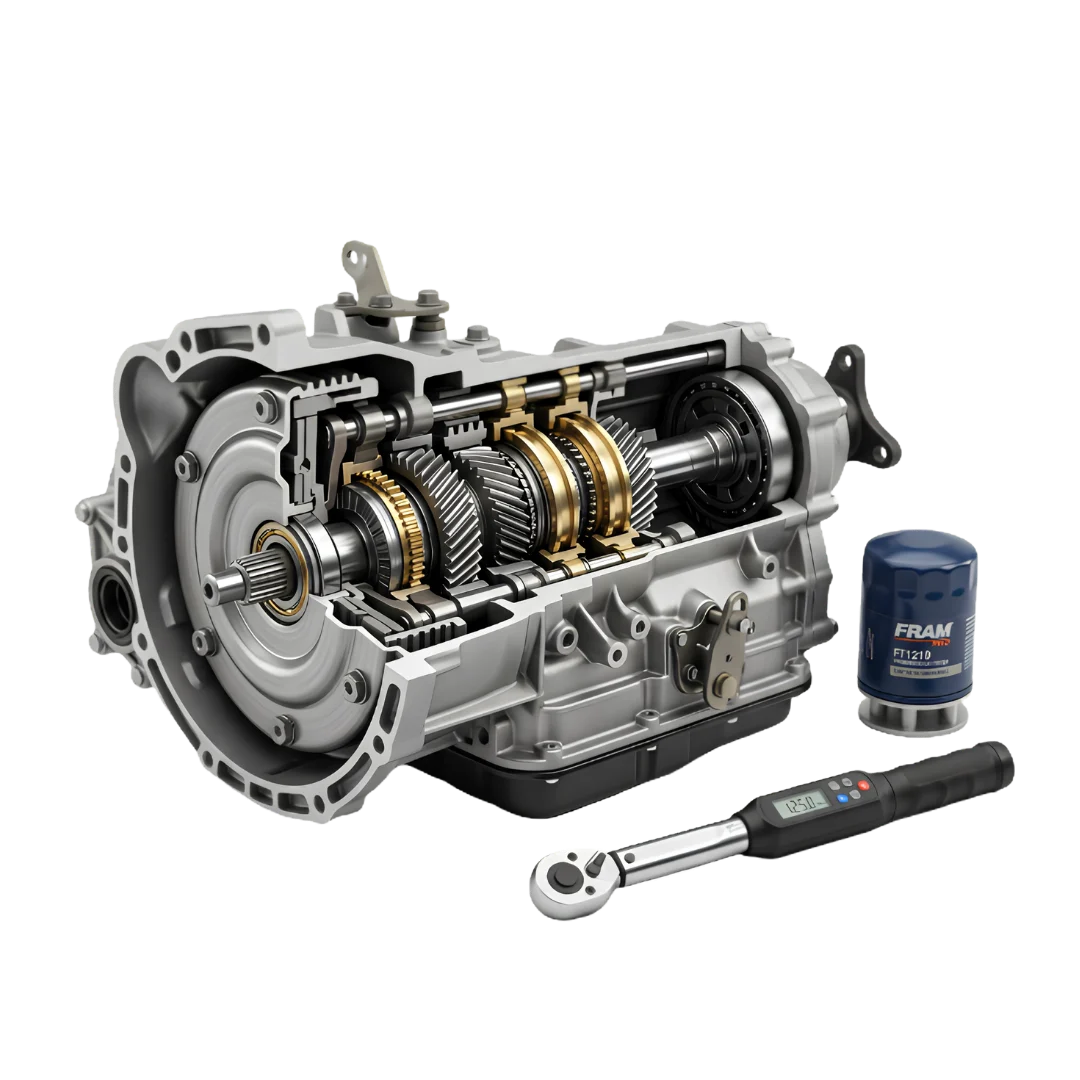
A suitable diagnostic scan can reveal fault codes related to an Audi's automatic or manual transmission control systems, depending on the gearbox and the tools used. It may identify problems with gear position sensors, clutch control, shift timing, or transmission temperature readings.
You may need a scan if your Audi jerks while changing gears, delays when moving from Park to Drive, or shows a gearbox warning. The scan can help a mechanic narrow down the issue, but it cannot confirm every mechanical fault on its own. Further checks may be needed to assess the clutch, gearbox oil, or internal parts.
Can Reveal Sensor Faults
Audi cars rely on sensors to measure speed, temperature, pressure, airflow, and other key values. The engine control unit uses this information to adjust engine performance and emissions.
If a sensor sends an incorrect signal or stops working, the car may show a warning light or enter a reduced-power mode.
A diagnostic scan can reveal fault codes linked to sensors such as the oxygen sensor, mass air flow sensor, coolant temperature sensor, and wheel speed sensor.
Live data can help a mechanic compare readings with expected values and check whether the sensor, its wiring, or another part is causing the fault.
Engine Light Diagnostics
The check engine light means the engine management system has detected a problem that needs attention. The cause may be simple, such as a loose fuel cap on models that use one, or more serious, such as a misfire, fuel mixture fault, or emissions system issue.
A diagnostic scan reads the related fault codes and helps guide the next steps. If the light stays on, arrange an inspection soon.
If it flashes, especially when the engine is shaking or losing power, reduce engine load, stop safely, and seek professional help. Continuing to drive with a serious misfire can damage the catalytic converter.
Diagnostics Can Find Electrical Problems
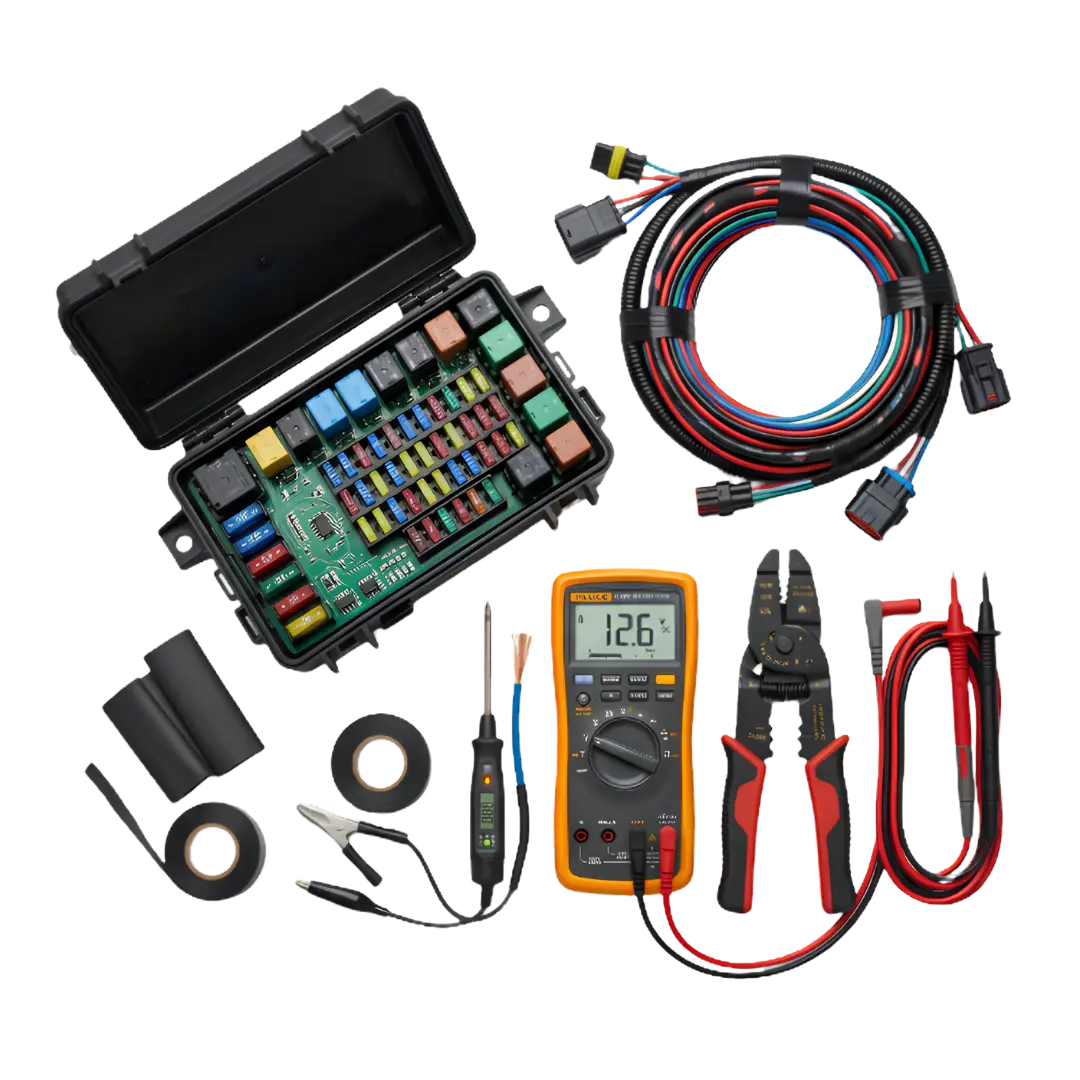
Electrical faults can be difficult to trace because several systems may share wiring, power supplies, and control signals. An Audi diagnostic scan may reveal communication errors between control units, low-voltage events, or faults related to lighting, central locking, windows, and other electronic features.
For example, a weak battery may cause several warning messages to appear at once. A scan can help identify which systems have recorded errors, while battery and charging system tests can check the power supply.
A mechanic may then inspect fuses, connectors, wiring, and ground points to find the actual cause rather than replacing parts unnecessarily.
Diagnostics Reveal About ABS and Airbag Systems
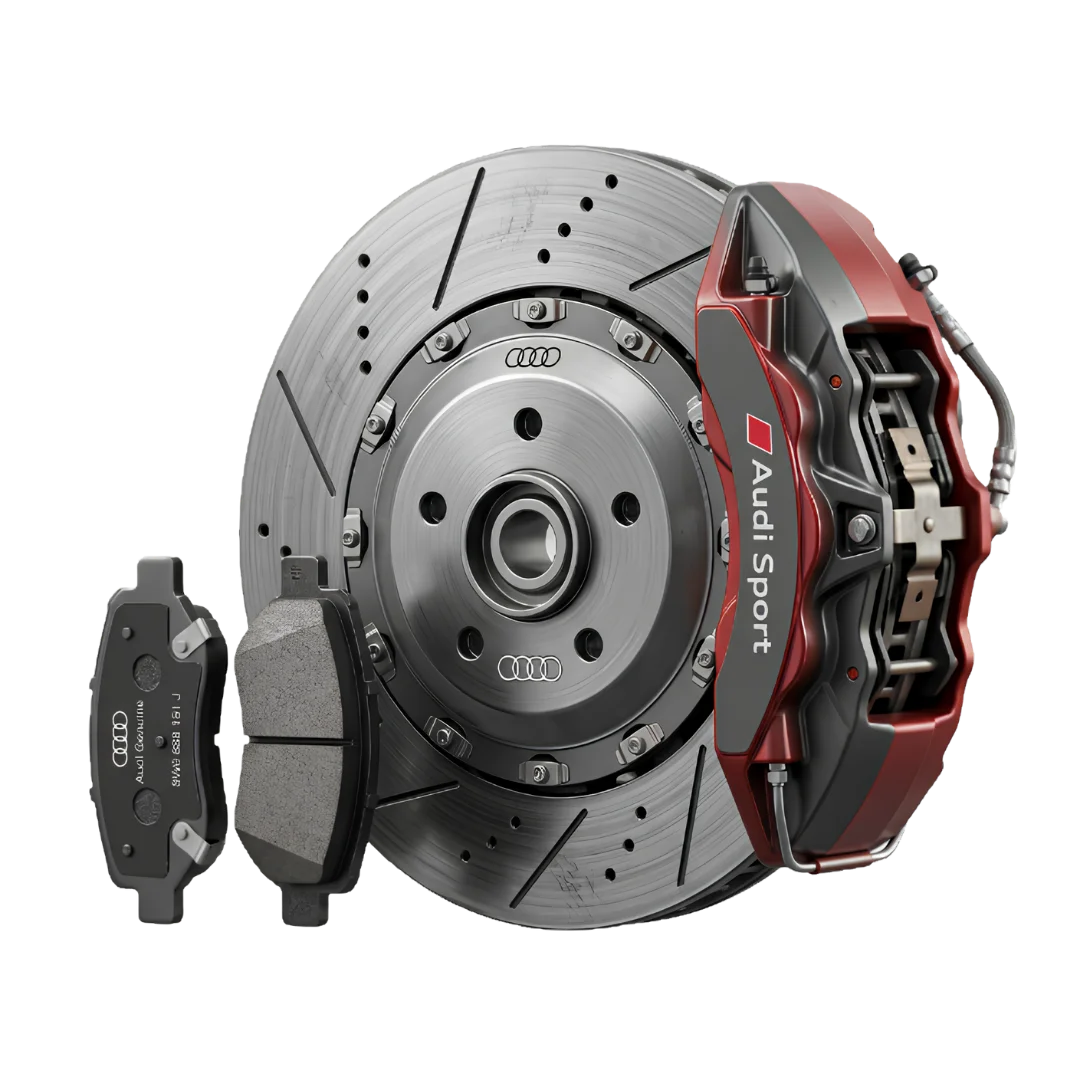
The anti-lock braking system (ABS) and airbag system use their own control units to monitor important safety functions. A compatible Audi scanner can read fault codes stored in these systems.
ABS codes may point to a wheel speed sensor, wiring fault, or problem with the brake control unit. Airbag codes may relate to a sensor, connector, or other part of the restraint system.
These warnings should never be ignored because the affected safety feature may not work as intended. A diagnostic scan helps identify where to investigate, but repairs must follow the correct safety procedures for the system involved.
Diagnostics Detect Cooling System Problems
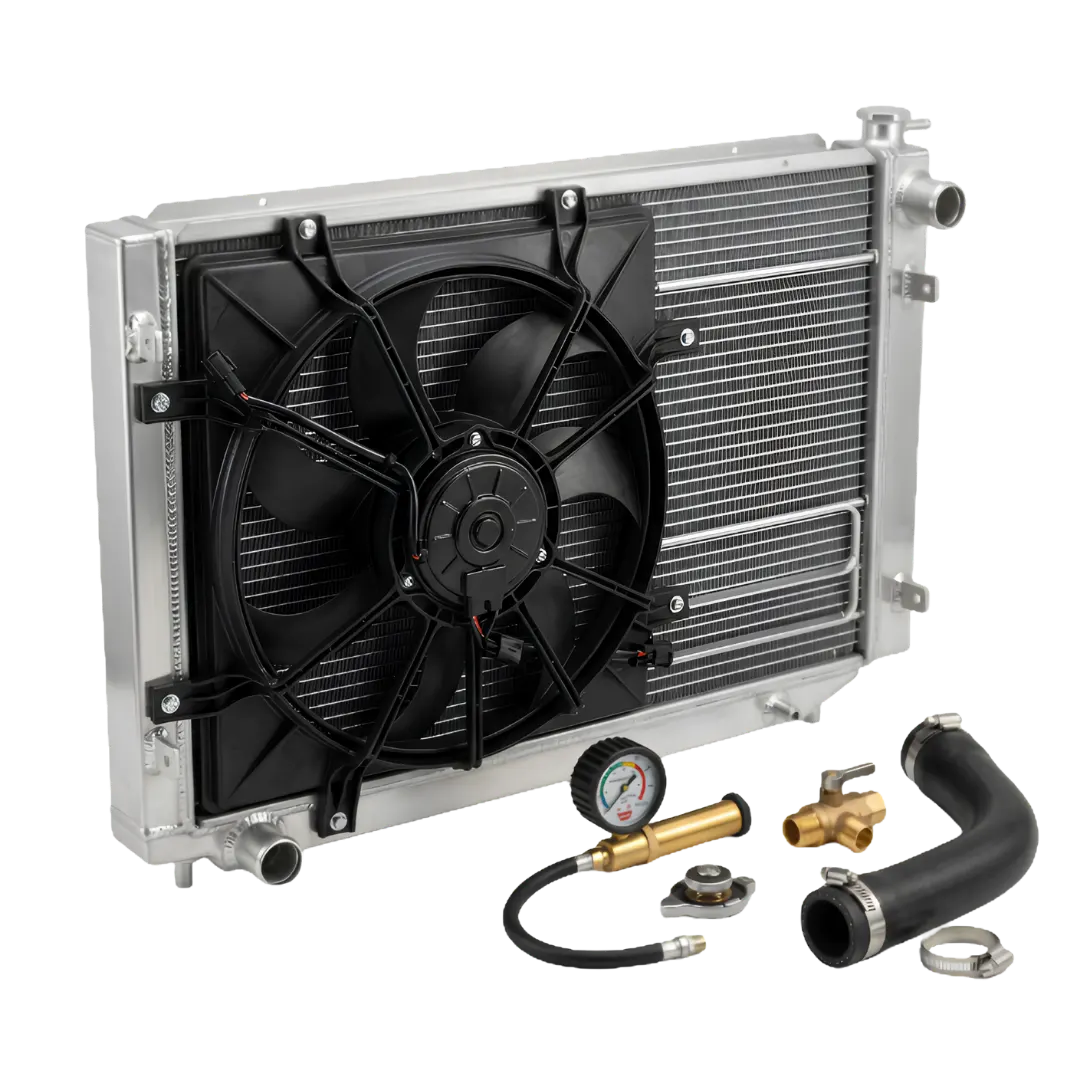
Computer diagnostics can help investigate cooling problems, especially when the engine temperature rises or a coolant warning appears. A scan may show unusual coolant temperature readings, faults with the temperature sensor, or errors related to an electronically controlled cooling fan or thermostat on equipped models.
Live data helps a mechanic see how the engine temperature changes as the car warms up. However, a scan cannot detect every coolant leak or radiator blockage.
The mechanic may still need to pressure-test the cooling system and inspect the radiator, hoses, water pump, and coolant level to confirm the cause.
Can a Diagnostic Scan Find Problems Before a Warning Light Appears?
Sometimes, yes. A car may store pending fault codes before a warning light turns on, depending on the type of fault and the vehicle's monitoring rules. A diagnostic check may reveal unusual sensor readings, past errors, or faults that have not yet triggered a dashboard warning.
This can be useful if your Audi has started using more fuel, feels less responsive, or runs unevenly. However, computer diagnostics cannot predict every future failure or detect every worn mechanical part.
Regular servicing, road tests, and physical inspections remain important, even when the scan does not show any current faults.
Conclusion
Audi computer diagnostics can reveal stored faults in the engine, gearbox, sensors, electrical systems, ABS, airbag system, and other electronic parts. Live data and fault codes help a mechanic narrow down the possible cause of a warning light or change in performance.
However, a code is a starting point, not proof that a specific part must be replaced. Physical inspections and further tests are often needed to confirm the problem.
If your Audi shows warning lights, loses power, or develops unusual driving issues, Zenfo Auto Services can help with Audi repair in Abu Dhabi with computer diagnostics.