






Owning an Audi comes with the need for regular maintenance. From engine oil changes to gearbox inspections, every service helps keep the car safe, reliable, and ready for the road. However, not every service visit includes the same work.
An Audi minor service mainly covers basic maintenance, such as engine oil and filter replacement, fluid checks, and general inspections. A major service includes these tasks along with additional work, such as spark plug replacement, brake fluid changes, and transmission servicing, depending on the model and mileage.
In Abu Dhabi, a minor service generally costs AED 350 to AED 900, while a major service can range from AED 2,400 to AED 4,700 or more. Knowing what each service includes helps you plan your maintenance budget and avoid unnecessary repairs.
What Is an Audi Minor Service?
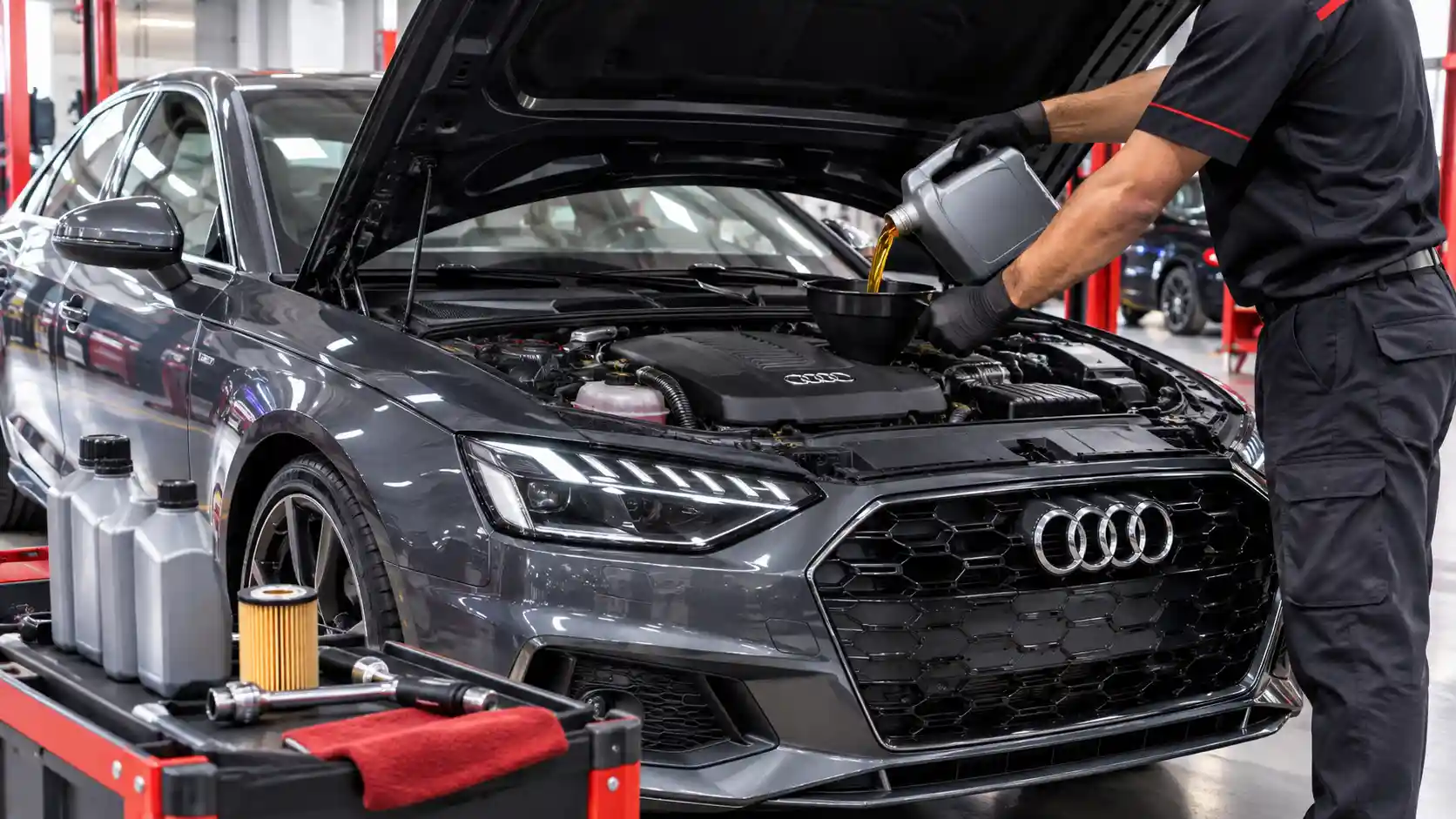
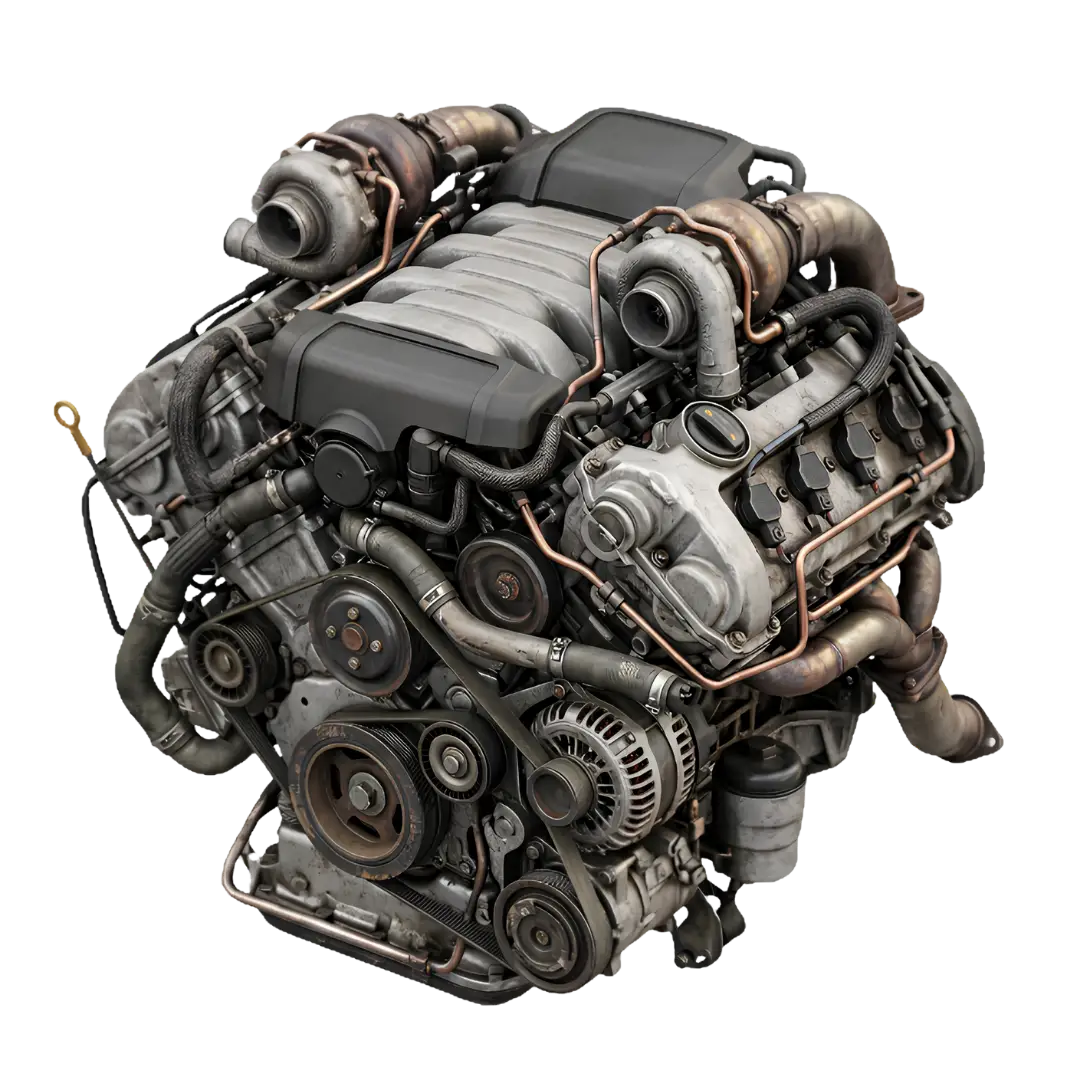
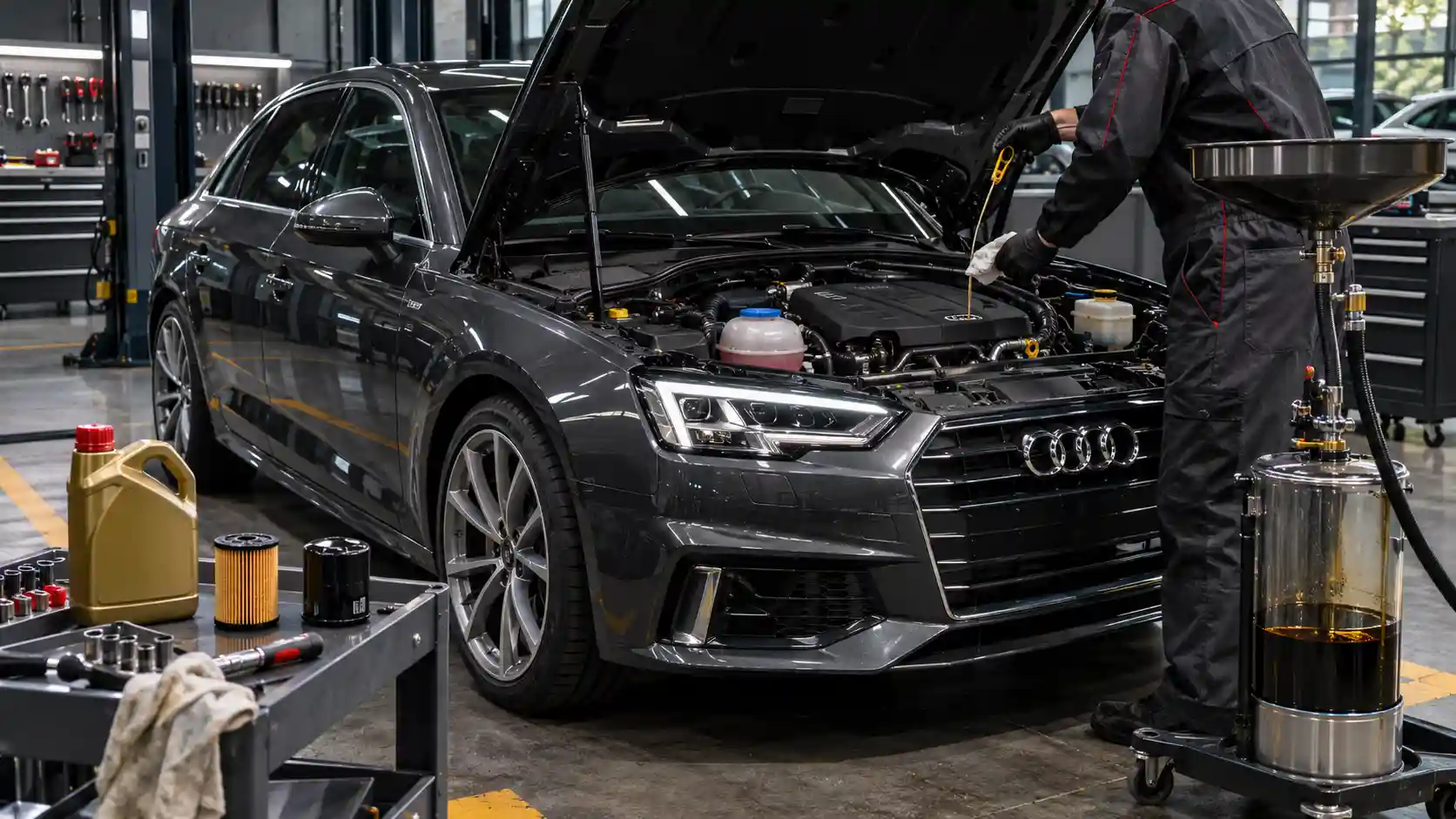
An Audi minor service is a routine maintenance visit that focuses on the engine and other important parts. It helps keep the car running smoothly between larger service intervals. The main tasks include changing engine oil, replacing the oil filter, checking fluid levels, and inspecting key components.
Most Audi models need regular oil changes to protect the engine from friction and heat. Old engine oil can collect dirt and lose its ability to protect moving parts. A minor service helps maintain proper engine lubrication and allows mechanics to spot early signs of wear before they become bigger problems.
What Is Included in an Audi Minor Service?
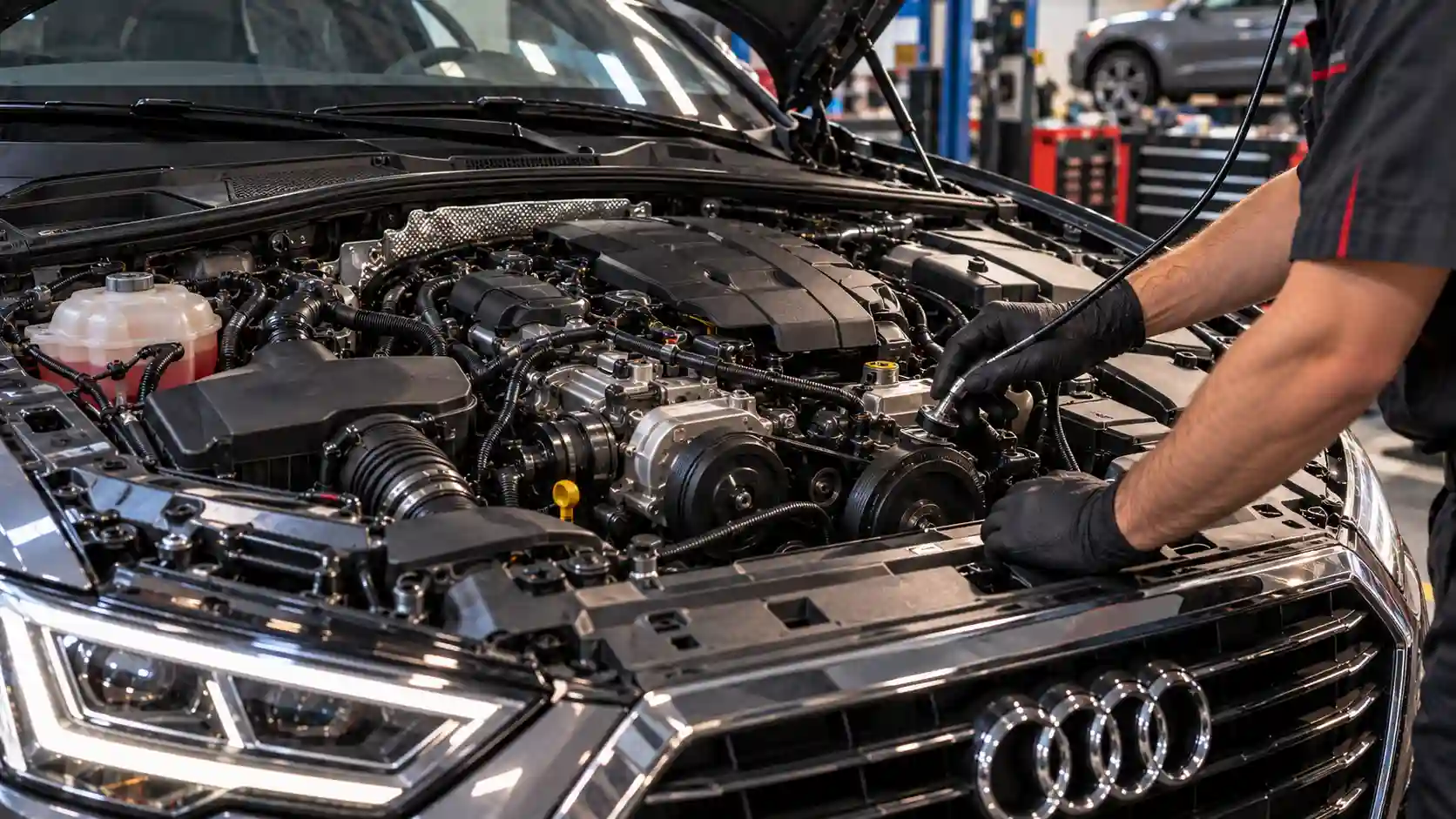
A standard minor service includes several basic maintenance tasks. The exact checklist may differ depending on the Audi model, engine type, and service history.
Common tasks include:
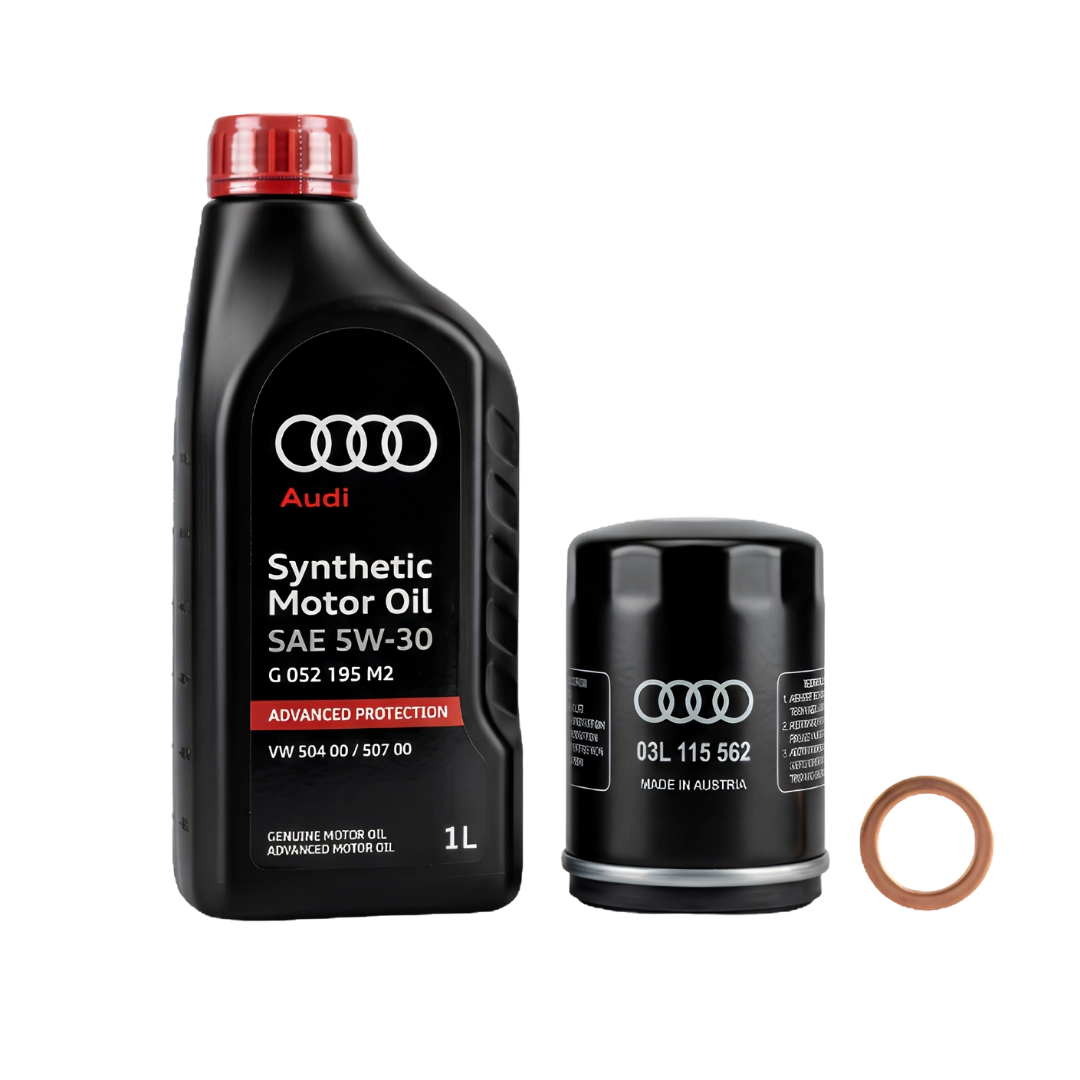
- Engine oil replacement: Old oil is drained and replaced with fresh oil that meets Audi specifications.
- Oil filter replacement: A new filter removes dirt and small particles from the engine oil.
- Coolant level check: Mechanics check the coolant level and inspect for possible leaks.
- Brake fluid inspection: The fluid level and visible condition are checked.
- Battery inspection: The battery terminals, connections, and overall condition are checked.
- Tyre inspection: Tyre pressure, tread depth, and signs of uneven wear are checked.
- Brake inspection: Brake pads and discs are checked for visible wear.
- Service indicator reset: The maintenance reminder is reset after the service is complete.
These checks help keep the car in good condition and identify problems that may need attention later.
How Much Does an Audi Minor Service Cost?
An Audi minor service in Abu Dhabi generally costs between AED 350 and AED 900. The price depends on the engine size, oil quantity, filter type, and workshop labour charges. Smaller models, such as the Audi A1, A3, and A4, usually have lower service costs than larger or high-performance models.
For example, an independent specialist garage may charge around AED 350 to AED 640 for a four-cylinder A1, A3, or A4. An RS model may cost AED 890 to AED 1,150 because of its specific engine oil and maintenance needs. These are estimated prices and may exclude 5% VAT.
What Is an Audi Major Service?
An Audi major service is a more detailed maintenance visit that covers parts requiring attention at longer mileage intervals. It includes the main tasks of a minor service, along with additional replacements and inspections.
Depending on the vehicle, this may involve spark plugs, brake fluid, air filters, cabin filters, and gearbox oil. These parts play an important role in engine performance, braking, air quality, and transmission operation. A major service helps maintain the condition of the car and reduces the risk of problems caused by worn or old components.
What Is Included in an Audi Major Service?
The exact work depends on the Audi service schedule and the condition of the car. However, a typical major service may include:
- Engine oil and oil filter replacement
- Engine air filter replacement
- Cabin or pollen filter replacement
- Spark plug replacement
- Brake fluid replacement
- Transmission or gearbox oil servicing, where required
- Gearbox filter replacement, where applicable
- Brake pad and disc inspection
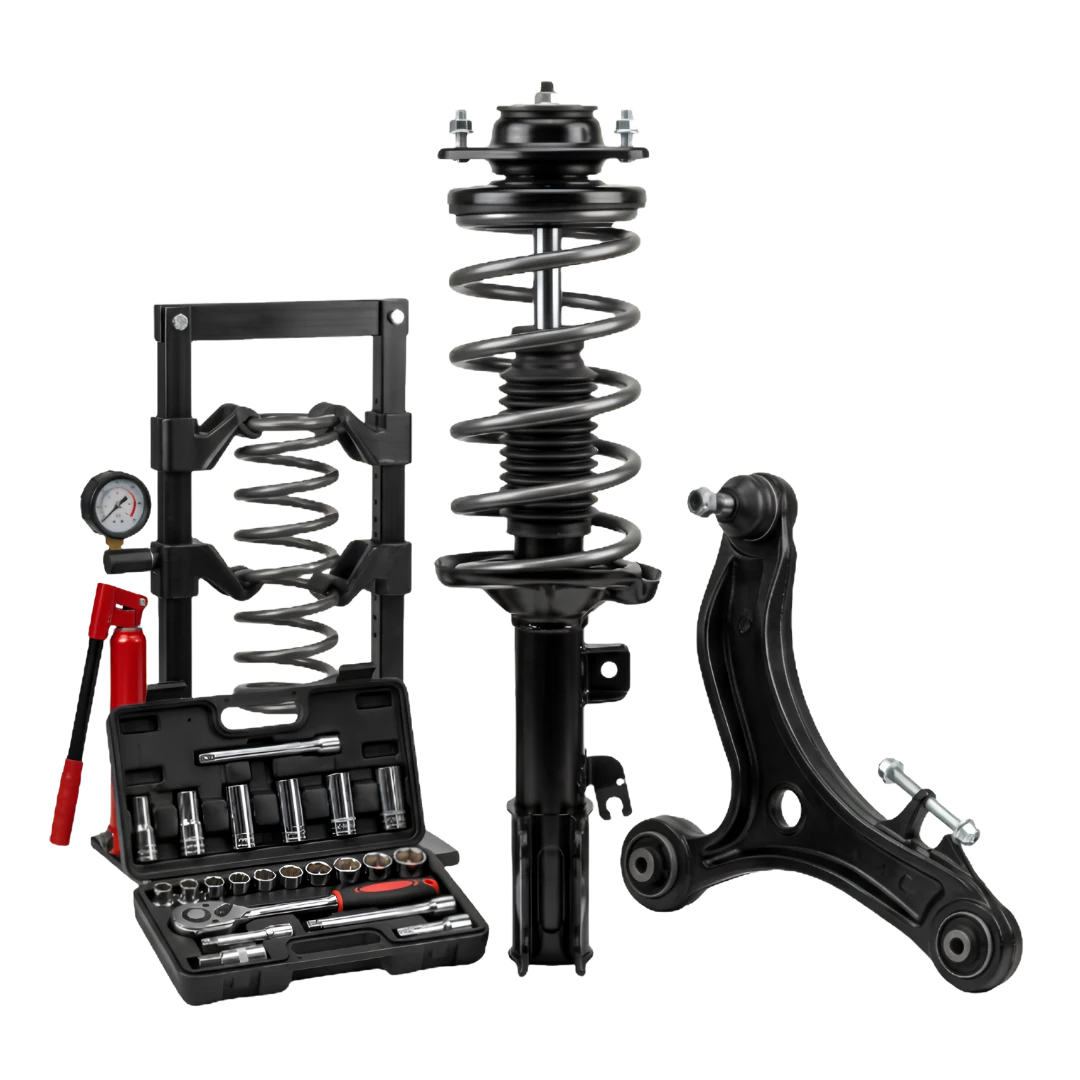
- Suspension and steering inspection
- Cooling system inspection
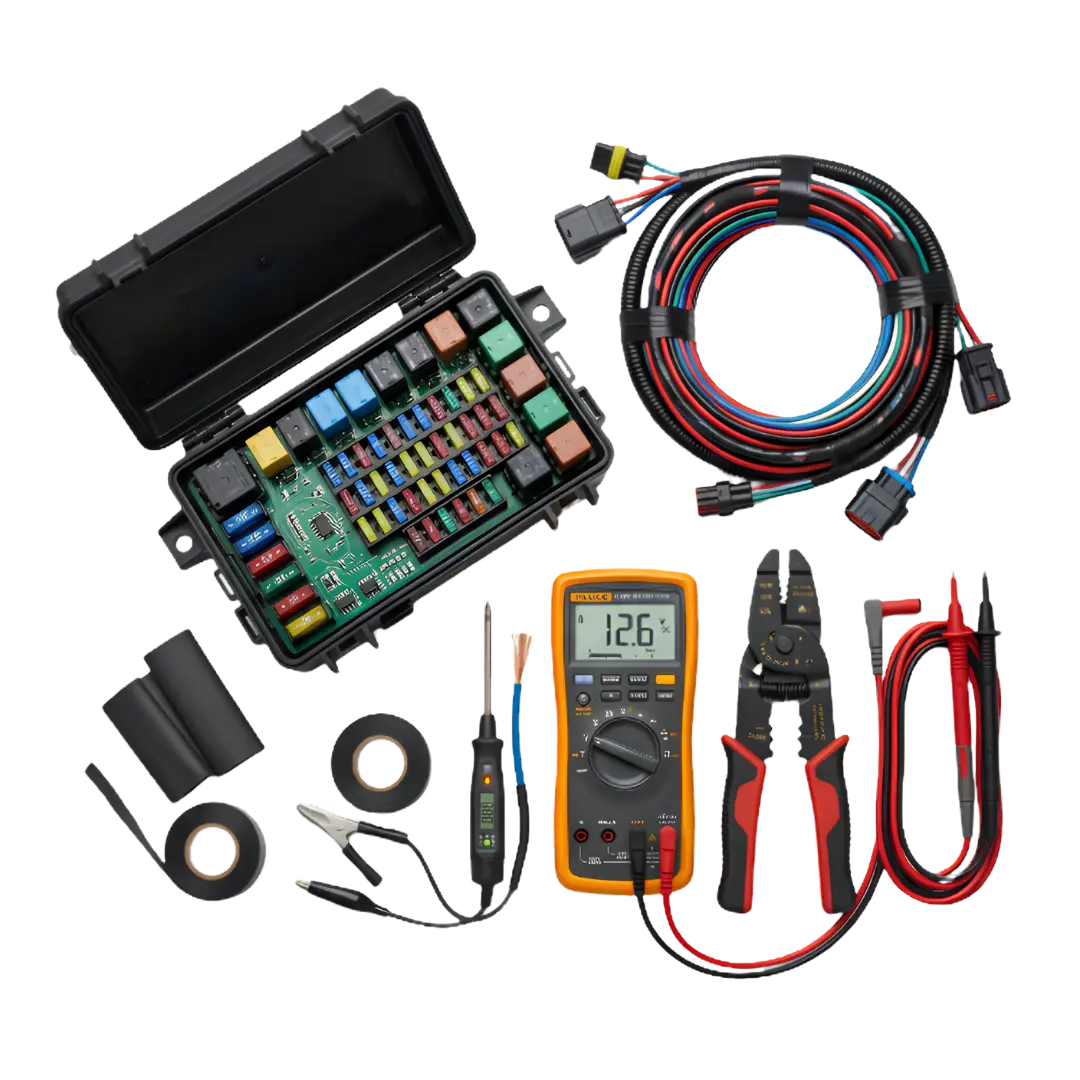
- Battery and electrical system checks
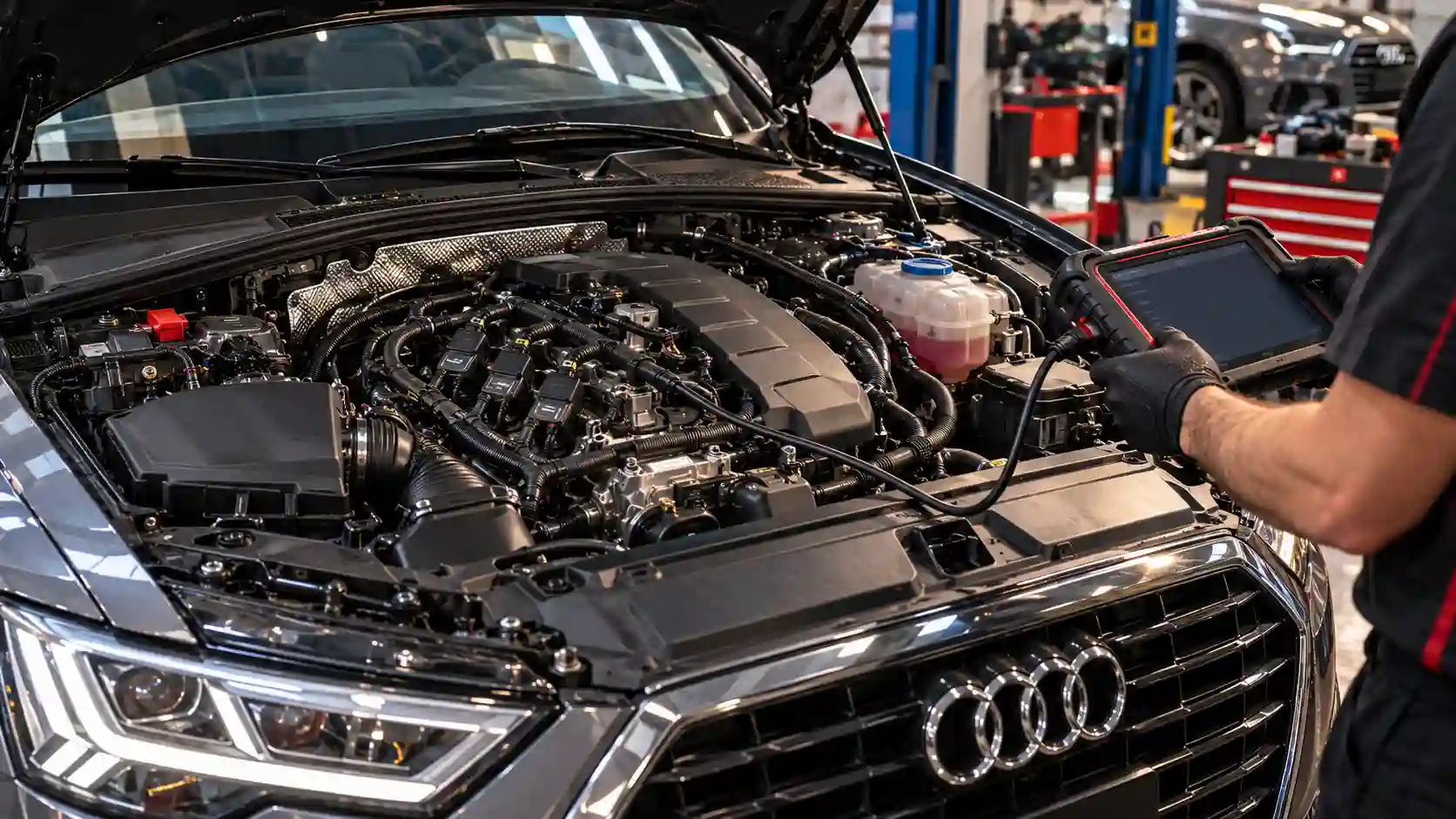
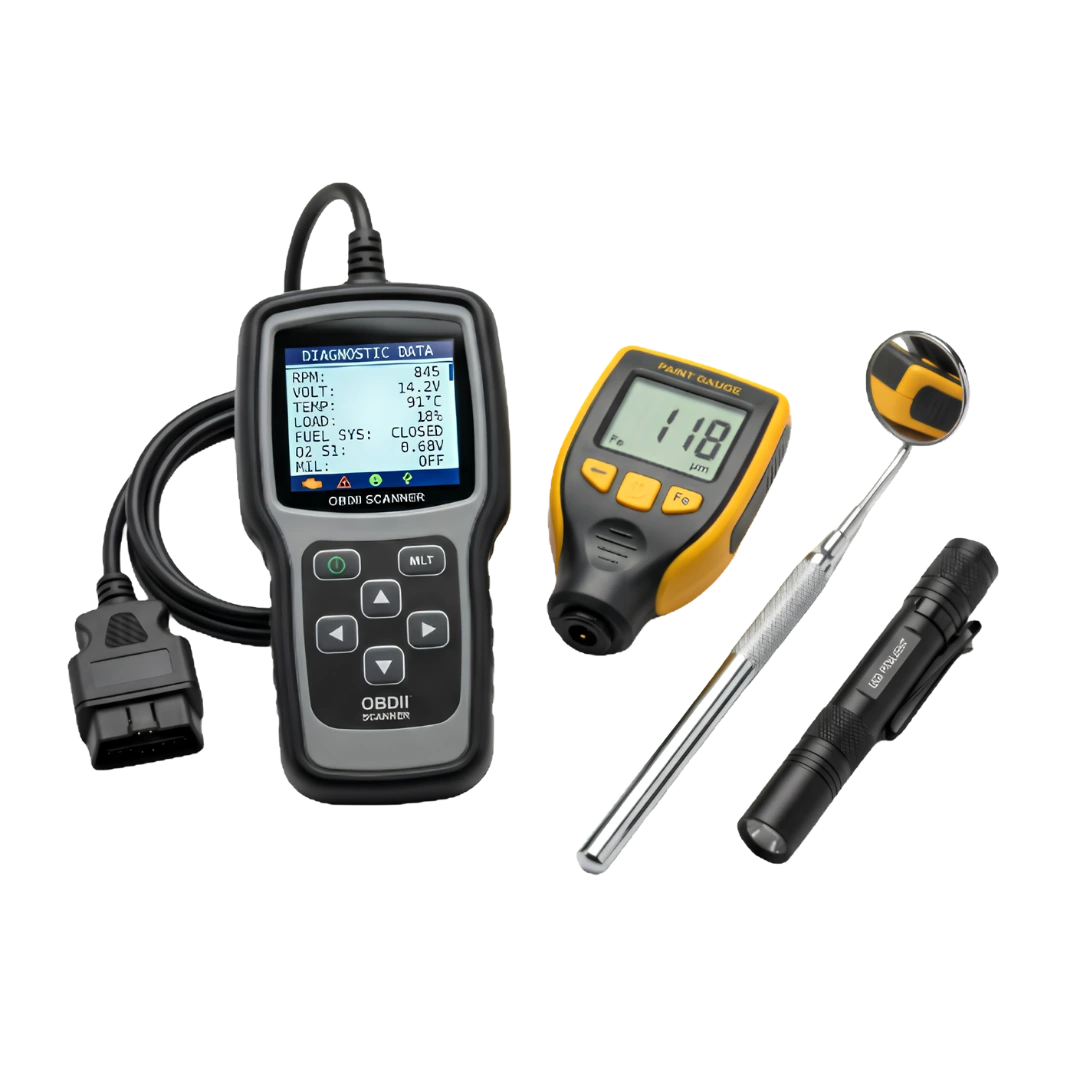
- Computerised diagnostic scan
Some models may require additional work based on their mileage and engine design. A mechanic should check the manufacturer's service schedule before recommending replacement parts.
How Much Does an Audi Major Service Cost?
A major service generally costs AED 2,400 to AED 4,700 or more in Abu Dhabi. The price depends on the engine configuration, gearbox type, replacement parts, and labour involved.
Four-cylinder models such as the Audi A3 and A4 may cost around AED 2,450 to AED 2,600 for a major service with gearbox oil. Six-cylinder models, including the A6 and A7, may cost AED 2,550 to AED 3,250. Performance models such as the RS3 and RS6 can reach AED 3,700 to AED 4,700.
These prices are estimates from independent specialist workshop pricing and exclude 5% VAT. Additional repairs can increase the final bill.
Audi Minor Service vs. Major Service: Key Differences
The main difference between these two services is the amount of maintenance work involved. A minor service focuses on regular engine care and basic safety checks, while a major service covers additional parts that need replacement at longer intervals.
| Maintenance Task | Minor Service | Major Service |
|---|---|---|
| Engine oil change | Yes | Yes |
| Oil filter replacement | Yes | Yes |
| Coolant level check | Yes | Yes |
| Brake inspection | Basic check | Detailed check |
| Battery inspection | Yes | Yes |
| Tyre inspection | Yes | Yes |
| Engine air filter | If required | Usually included |
| Cabin filter | If required | Usually included |
| Spark plug replacement | Usually not included | As per schedule |
| Brake fluid replacement | If due | As per schedule |
| Gearbox oil service | Usually not included | If due |
| Diagnostic scan | Basic or as needed | More detailed checks |
A major service does not mean every part of the car must be replaced. Mechanics should follow the correct service schedule and inspect each component before suggesting additional work.
When Does Your Audi Need a Minor or Major Service?
Your Audi's service requirements depend on its mileage, age, engine type, and driving conditions. Many Audi models follow mileage-based or time-based maintenance schedules. A general maintenance guideline for Abu Dhabi is to arrange routine servicing every 10,000 km or 12 months, but the correct interval should always be checked against the manufacturer's recommendations.
When to Get a Minor Service
A minor service is generally suitable when your car reaches its regular oil change interval and does not need additional scheduled replacements. It helps maintain engine lubrication and gives mechanics an opportunity to inspect important components.
You should consider a minor service when:
- Your car reaches its recommended oil change interval.
- The engine oil warning or service reminder appears.
- The oil has reached its scheduled replacement date.
- You notice unusual engine noise or rough idling.
- Your last major service was completed recently and no additional work is due.
Do not wait for a warning light if your Audi has already reached its recommended service interval. Regular oil changes help reduce engine wear.
When to Get a Major Service
A major service is needed when your Audi reaches a scheduled maintenance interval that requires additional part replacements. This often happens at higher mileage, such as around 40,000 km to 60,000 km, although the exact timing varies by model.
Signs and situations that may require a more detailed service include:
- Spark plugs reaching their replacement interval.
- Brake fluid becoming due for replacement.
- Gearbox oil reaching its scheduled service interval.
- Air and cabin filters becoming heavily blocked.
- Multiple maintenance reminders appearing.
- A longer period passing since the last detailed inspection.
A diagnostic scan and service history check can help determine which maintenance tasks are actually due.
Why Is Regular Audi Servicing Important in Abu Dhabi?
Driving conditions in Abu Dhabi can put extra pressure on an Audi's engine, cooling system, brakes, and air conditioning. High summer temperatures, dusty roads, and heavy traffic can affect how quickly some components wear out.
Engine Protection Against Extreme Heat
Engine oil helps reduce friction between moving parts and carries heat away from important engine components. However, oil gradually loses its protective properties as it gets older and collects dirt.
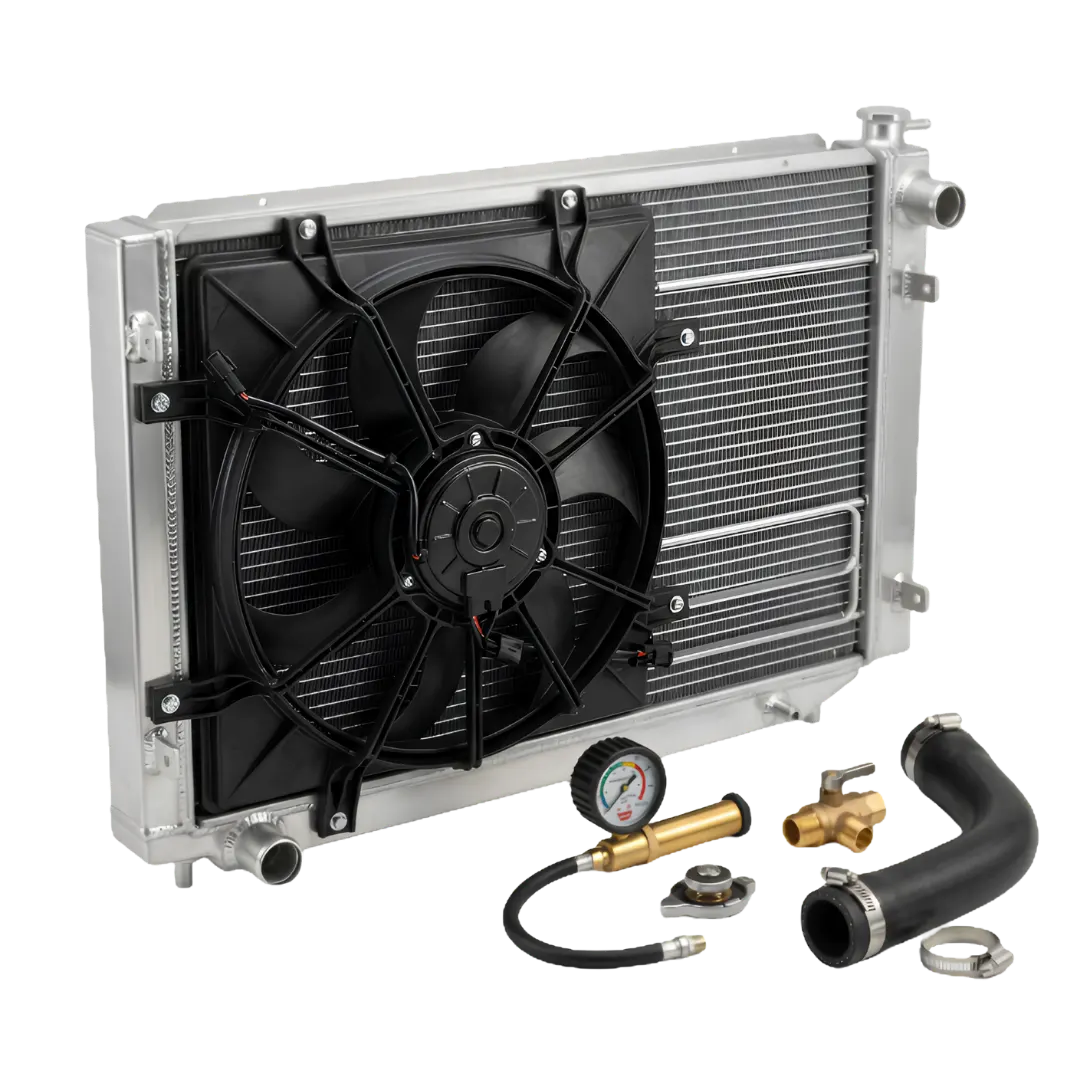
Regular oil changes help maintain proper lubrication. Mechanics should use the correct oil grade and specification for the Audi engine. The cooling system should be checked as well to make sure the radiator, coolant, water pump, and hoses are working properly.
Air Filter and Cabin Filter Maintenance
Dust and sand can collect inside air filters and reduce airflow. A blocked engine air filter may affect engine performance, while a dirty cabin filter can reduce airflow from the AC vents.
During servicing, mechanics should inspect both filters and replace them when needed. This is particularly important for Audi owners who regularly drive through dusty areas or spend long periods in traffic.
Brake and Battery Checks
High temperatures and frequent stop-and-go driving can put extra pressure on the braking system and battery. Brake pads may wear faster depending on driving habits, while heat can affect battery performance.
A service inspection should include the battery condition, brake pads, discs, and electrical connections. Identifying worn components early helps maintain safe driving and reduces the chance of sudden breakdowns.
Audi Parts That Need Attention During Major Servicing
Some Audi components require more attention as the car covers higher mileage. Their replacement intervals depend on the engine, transmission, and manufacturer service plan.
Spark Plugs
Spark plugs create the spark needed to ignite the air-fuel mixture inside the engine cylinders. Worn spark plugs can cause engine misfires, rough idling, poor acceleration, and increased fuel consumption.
During a major service, mechanics check whether the spark plugs have reached their replacement interval. Using the correct spark plug type and heat range is important for proper engine performance.
Engine and Cabin Air Filters
The engine air filter prevents dust and dirt from entering the engine. The cabin filter catches dust and other particles before air reaches the passenger area.
Both filters can become blocked over time. Replacing them when needed helps maintain engine airflow and cabin comfort. In Abu Dhabi, frequent exposure to dust may make regular filter inspections more important.
Brake Fluid
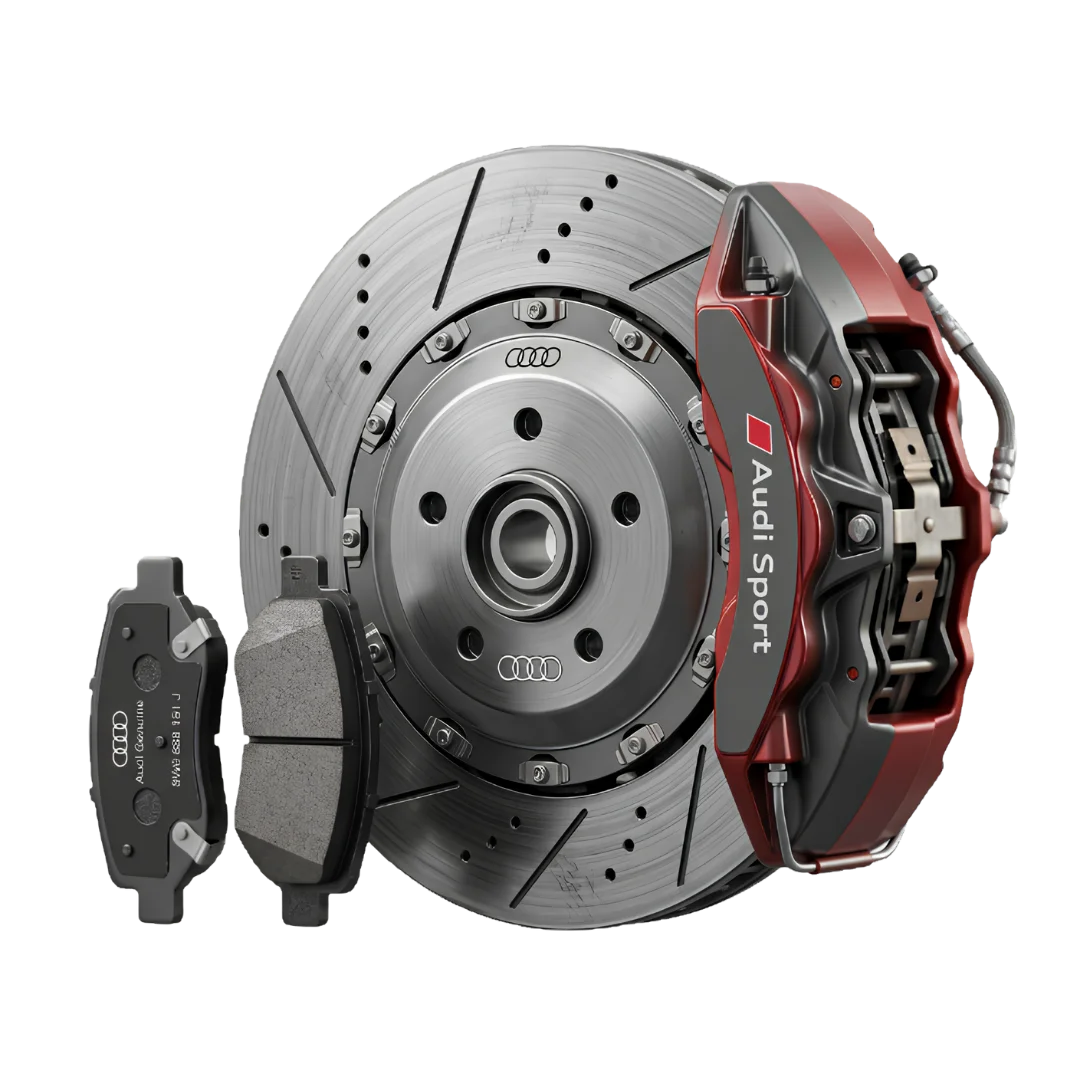
Brake fluid transfers pressure from the brake pedal to the braking components. Over time, it can absorb moisture from the air, which may reduce its performance under high temperatures.
Old brake fluid can lower the boiling point of the fluid and affect braking performance under heavy use. During a major service, mechanics should check the fluid condition and replace it according to the manufacturer's recommended interval.
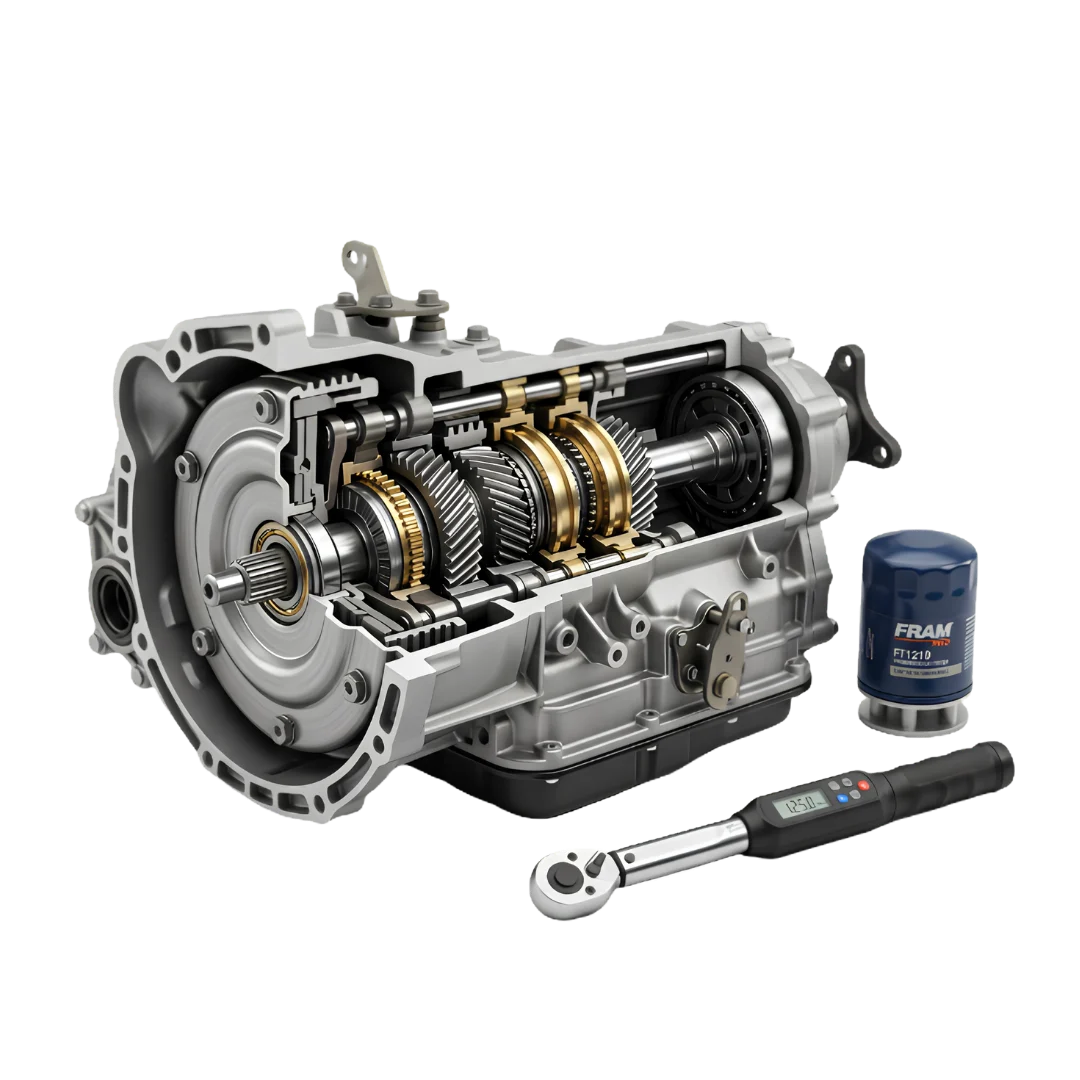
Transmission and Gearbox Oil
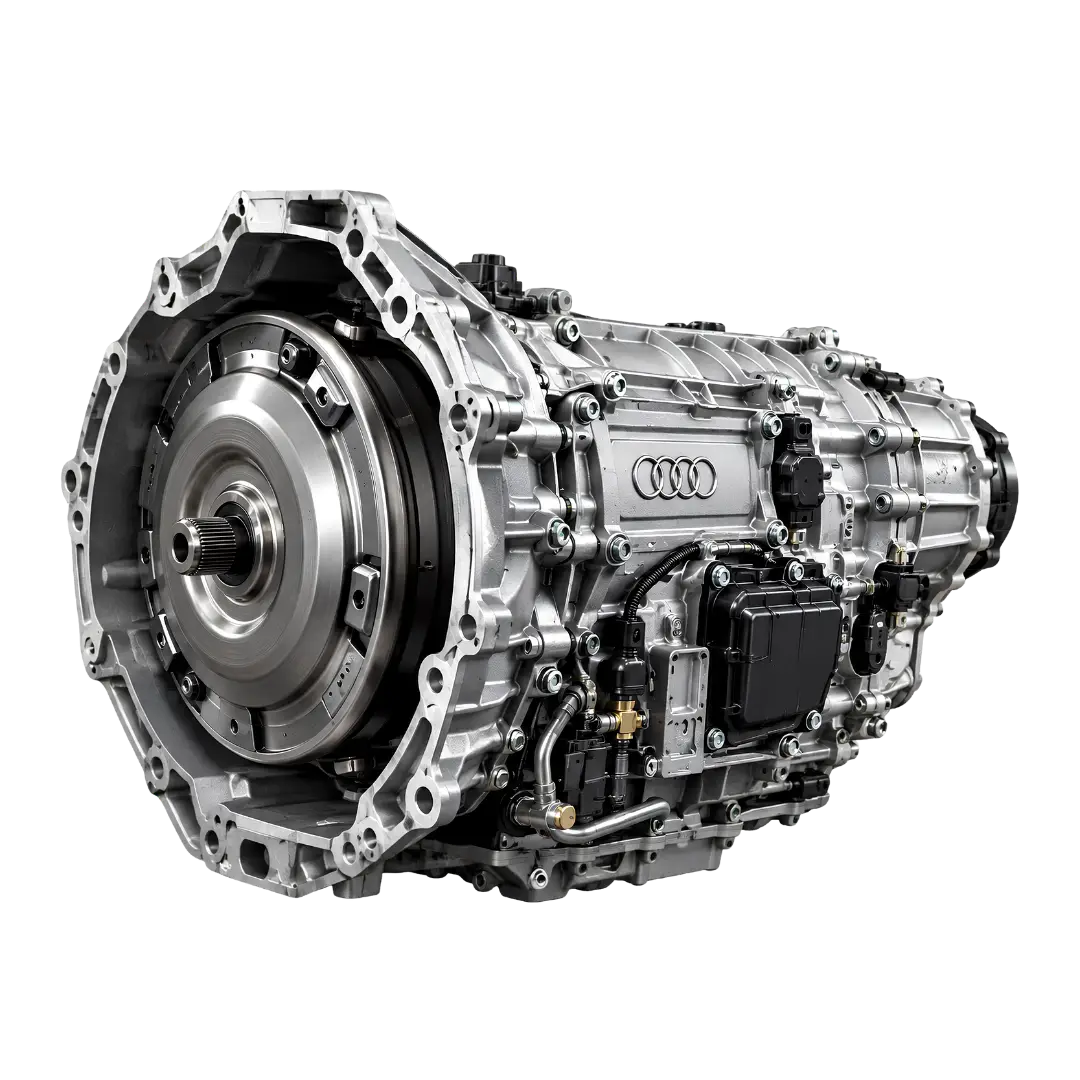
Gearbox oil lubricates internal transmission parts and helps control heat and friction. Over time, it can collect small particles and lose some of its protective properties.
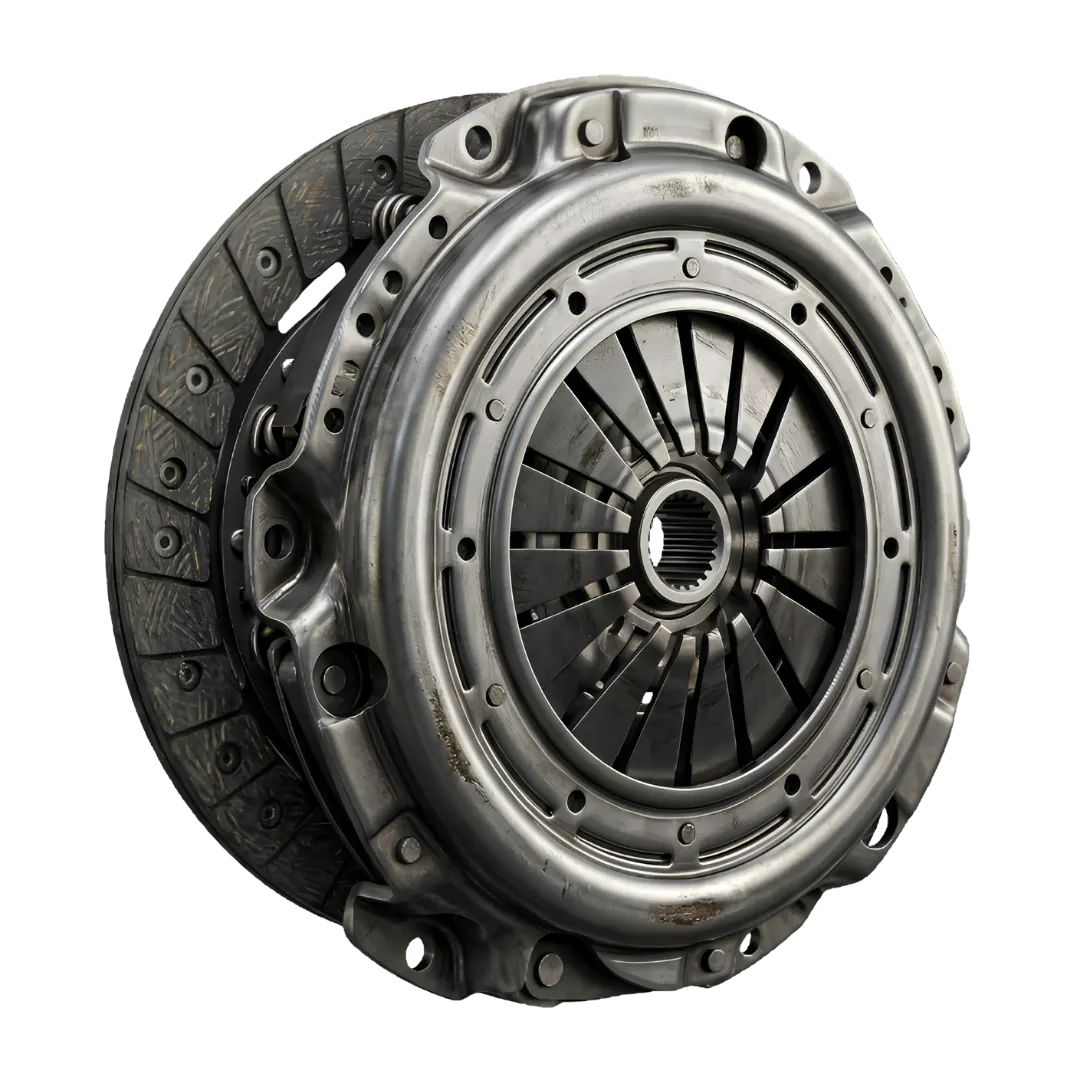
Some Audi models use S tronic dual-clutch transmissions, while others use Tiptronic automatic gearboxes or different transmission systems. Each type has its own fluid and service requirements. Always use the correct transmission oil and follow the recommended service procedure.
Can You Skip an Audi Major Service?
Skipping a major service may reduce your expenses for a short time, but it can lead to more expensive repairs later. Some parts, such as spark plugs and filters, gradually lose their performance. Brake fluid and gearbox oil can also become less effective as they age.
For example, worn spark plugs may cause engine misfires, while old gearbox oil can affect transmission operation. Delaying brake fluid replacement may reduce braking performance under demanding conditions.
However, not every major service item needs replacement at every visit. A mechanic should check your Audi's mileage, service history, and maintenance schedule before preparing a service quote.
How to Choose the Right Audi Service Garage in Abu Dhabi
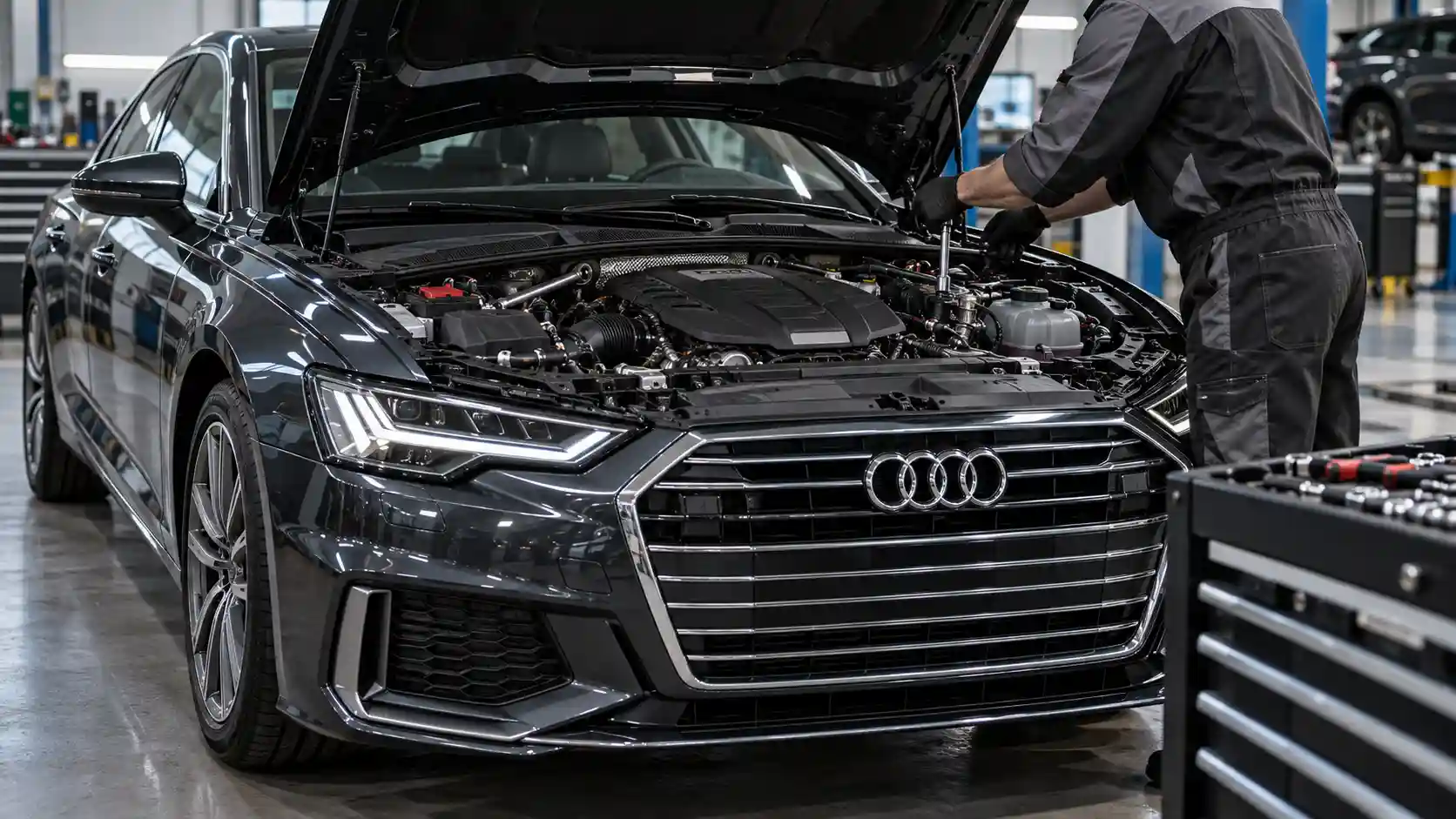
Choosing the right workshop is just as important as following the maintenance schedule. Audi cars use advanced engines, electronic systems, and specialised transmissions that require proper tools and technical knowledge.
Before choosing a garage, consider these points:
- Audi experience: Choose mechanics who regularly work on Audi models.
- Diagnostic equipment: The garage should have suitable tools to read fault codes and check electronic systems.
- Parts quality: Ask whether the workshop uses genuine or quality aftermarket parts that meet Audi specifications.
- Clear service checklist: Make sure you know which tasks are included in the service package.
- Written quotation: Request a breakdown of parts, labour, and any additional charges.
- Service warranty: Check the warranty offered on replacement parts and repair work.
A reliable garage should explain why a part needs replacement instead of adding unnecessary work to your service bill.
Frequently Asked Questions
Does an Audi major service mean every part gets replaced?
No, an Audi major service does not mean every part must be replaced. Mechanics should follow the correct service schedule and inspect each component before suggesting extra work. A diagnostic scan and a service history check show which maintenance tasks are actually due.
How often should an Audi be serviced in Abu Dhabi?
A general guideline in Abu Dhabi is to service an Audi every 10,000 km or 12 months. The right interval depends on the mileage, age, engine type, and driving conditions, so it should always be checked against the manufacturer's recommendations.
Why does old brake fluid affect braking?
Old brake fluid absorbs moisture from the air over time. That moisture lowers the fluid's boiling point, which can reduce braking performance under heavy use and high temperatures. Mechanics check the fluid condition and replace it at the manufacturer's recommended interval.
Do S tronic and Tiptronic gearboxes use the same oil?
No, S tronic dual-clutch and Tiptronic automatic gearboxes each have their own fluid and service requirements. The correct transmission oil and the recommended service procedure matter for each type. Gearbox oil also collects small particles and loses some of its protection as it ages.
Conclusion
The main difference between an Audi minor service and a major service is the amount of maintenance work involved. A minor service focuses on engine oil, oil filters, fluid checks, and basic inspections. A major service covers these tasks along with scheduled replacements such as spark plugs, brake fluid, air filters, and gearbox oil.
In Abu Dhabi, a minor service generally costs AED 350 to AED 900, while a major service can range from AED 2,400 to AED 4,700 or more. The final price depends on your Audi model, mileage, and maintenance needs. Following the correct service schedule helps protect the engine, transmission, and braking system.
Need professional Audi servicing in Abu Dhabi? Contact Zenfo Auto Services to book a minor or major service and get your Audi inspected by experienced mechanics.